

 Deutsch
 Español
The era of the 12-bottle organic feeding schedule is officially over. Data from 2025 commercial trials shows that 64%...
Search in blog
Blog categories
Latest posts
The Best All-in-One Organic Fertilizer Kit: A Professional Buying Guide for 2026
Read more
Best One Part Nutrient for Cannabis: The Expert Guide to Simplified Feeding
Read more
Why are you still paying to ship heavy water and managing a dozen plastic bottles when one bag does it all? The...
Cannabis Deficiency Chart: The Expert Guide to Diagnosing and Fixing Plant Health
Read more
A single misidentified nutrient symptom can reduce a commercial harvest's market value by 15% within just 72 hours....
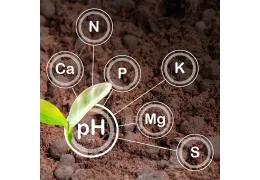
What is PPM? A Precision Guide to Nutrient Concentration for Growers
Read more
What if the line between a thriving crop and a burnt-out failure was a single, measurable number? You've followed the...
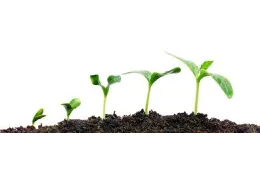
What Does a Plant Need to Survive and Grow? The 5 Pillars of Cultivation
Read more
Your plants don't need a complex cocktail of additives to thrive. In fact, over 60% of common cultivation issues like...
Popular posts
What is VPD ?
VPD controls how much water the plant loses, which controls cooling, nutrient uptake, stomatal behaviour, and...
Read more
How to use autopot with Greenhouse Feeding mineral line
How to use autopot with Greenhouse Feeding mineral line
Read more
Featured posts
What Is Photosynthesis? And why is the most important thing on earth?
What Is Photosynthesis? And why is the most important thing on earth?
Read more

Irrigation method with lightmix (peat based substrate) + GHF Bioline (peat based substrate)
How to optimize your irrigation when using peat based substrate and organic dry amendment like our Bioline ?
Read more

What is VPD ?
VPD controls how much water the plant loses, which controls cooling, nutrient uptake, stomatal behaviour, and...
Read more
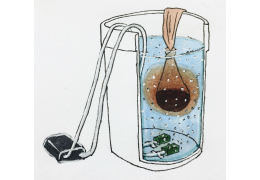
Extra mineral aerated compost tea
Extra mineral aerated compost tea (calcium and trace element)
Read more
The Best All-in-One Organic Fertilizer Kit: A Professional Buying Guide for 2026
The era of the 12-bottle organic feeding schedule is officially over. Data from 2025 commercial trials shows that 64% of organic growers struggle with nutrient lockout caused by over-complicated mixing ratios. You've likely dealt with messy liquid nutrients that spoil within weeks or inconsistent yields that fail to match mineral salt performance. It's frustrating to watch your plants suffer from deficiencies despite following a dense feeding chart. By integrating a high-performance all-in-one organic fertilizer kit, you eliminate the technical friction and waste that slows down your operation.
We'll show you how to achieve professional-grade terpene profiles and heavy yields using a streamlined, stage-specific system. You'll discover a "Keep it Simple" workflow that stays shelf-stable for 24 months and maintains peak bioavailability in any substrate. This guide examines the most efficient feeding strategies for 2026 to ensure your organic crops reach their genetic maximum without the clutter. We've done the scientific research so you can focus on the results.
Key Takeaways
- Understand the role of the soil-food-web in maximizing bio-availability and nutrient uptake for professional-grade results.
- Compare the stability and economic efficiency of concentrated powder nutrients against traditional liquid organic fertilizers.
- Learn how to select a high-performance all-in-one organic fertilizer kit that covers the entire plant life cycle without unnecessary complexity.
- Master the step-by-step application process for preparing substrates and managing the critical transition into the flowering phase.
- Discover the "Keep it Simple" methodology for achieving heavy yields with a streamlined, three-part organic feeding system.
What is an All-in-One Organic Fertilizer Kit?
An all-in-one organic fertilizer kit is a coordinated system of nutrients and biological additives designed to support a plant from germination through the final harvest. It replaces the guesswork of mixing disparate brands with a unified nutritional program. These kits are engineered to provide everything a plant needs, ensuring that the biological synergy between different components is maintained throughout the grow.
The term "all-in-one" often creates a misconception. In professional cultivation, a single bottle is rarely sufficient for maximum performance. Plants are biological machines with shifting metabolic requirements. A vegetative plant focuses on leaf production and root expansion; a flowering plant redirects energy toward reproductive growth. Relying on one static NPK ratio for both phases compromises the plant's genetic potential. A professional kit acknowledges this by providing specific formulas for different life stages.
Modern kits typically consist of three primary pillars:
- Base Nutrients: Organic matter providing the foundational nitrogen, phosphorus, and potassium for structural growth.
- Flowering Boosters: High-phosphorus and potassium additives that drive floral density and resin production.
- Microbial Enhancers: Beneficial fungi and bacteria, such as mycorrhizae and rhizobacteria, which improve nutrient bio-availability and soil health.
By 2026, the industry has pivoted toward dry, powdered formulas. These offer 100% stability and eliminate the need for preservatives often found in liquid organics. They also reduce shipping weight by approximately 75%, lowering the carbon footprint and logistical costs of the operation. This shift reflects a commitment to efficiency and purity.
The Problem with All-Purpose Organic Fertilizers
Plants aren't static. A seedling requires a delicate NPK ratio, often near 2-1-2, to avoid osmotic stress. Using a generic high-performance fertilizer on young plants leads to nutrient burn in 60% of documented cases. Conversely, using a weak all-purpose mix during the peak of bloom causes phosphorus deficiencies. This results in airy flowers and reduced terpene expression. Stage-specific feeding ensures the right elements are available at the right time. It prevents the accumulation of unused salts that can lock out essential micro-elements.
Who Should Use an Organic Feeding Kit?
This system serves growers who prioritize a natural terpene profile in soil or coco coir. Expert minimalists choose an all-in-one organic fertilizer kit to avoid the complexity of sourcing 15 individual ingredients. It's a "Keep it Simple" approach for those who value time and consistency. For international growers, the dry components provide a three-year shelf life and significantly lower shipping costs compared to heavy liquid jugs. It's a professional solution for those who demand high-level botanical results without unnecessary complications.
The Science of Bio-Availability in Organic Kits
Bio-availability determines the actual success of your harvest. In an organic system, nutrients are not immediately accessible to the plant. They exist as complex organic molecules that require a biological bridge. Soil microbes must digest these materials to release ions that roots can absorb. This conversion process is the foundation of a high-performance all-in-one organic fertilizer kit. Without active biology, premium ingredients like bat guano or bone meal remain inert in the substrate. Bio-availability is the primary performance metric because it dictates the speed and efficiency of nutrient delivery. Rapid, microbially-mediated release ensures the plant receives critical elements during high-demand phases, such as the transition to flowering.
Beneficial Microbes: The Engine of Organic Growth
Microbes like Mycorrhizae and Bacillus species act as biological extensions of the root system. Mycorrhizae can increase the effective root surface area by up to 700 percent, allowing for superior phosphorus uptake and improved water access. Bacillus species work to solubilize minerals, making them instantly available to the plant. These organisms turn a static substrate into a dynamic, closed-loop system that recycles nutrients continuously. For a technical breakdown of these biological interactions, consult this Organic Plant Nutrients Guide.
Humic Acids and Seaweed Extracts
Humic acids improve the physical properties of the soil by increasing cation exchange capacity (CEC). This allows the substrate to hold onto nutrients more effectively, reducing leaching by up to 30 percent in some media. Seaweed extracts provide a complex profile of over 60 trace elements and natural growth stimulants. These additives create a powerful synergy when combined with base NPK powders. They act as stress reducers, helping plants manage heat and transplant shock. Integrating a professional bio-feeding program simplifies this complex chemistry into a single, functional application that prioritizes plant health.
A professional all-in-one organic fertilizer kit relies on three key ingredients to maintain this balance:
- Bat Guano: Provides a rich source of nitrogen and phosphorus that breaks down steadily over 4 to 6 weeks.
- Bone Meal: Offers a slow-release calcium and phosphorus source essential for structural integrity.
- Humic Acids: Functions as a chelator, binding to minerals to prevent them from becoming "locked" in the soil.
By focusing on bio-availability rather than just raw NPK numbers, growers achieve consistent, high-quality yields. The goal is to feed the soil so the soil can feed the plant. It's a simple, scientific approach that eliminates the guesswork often associated with organic cultivation.
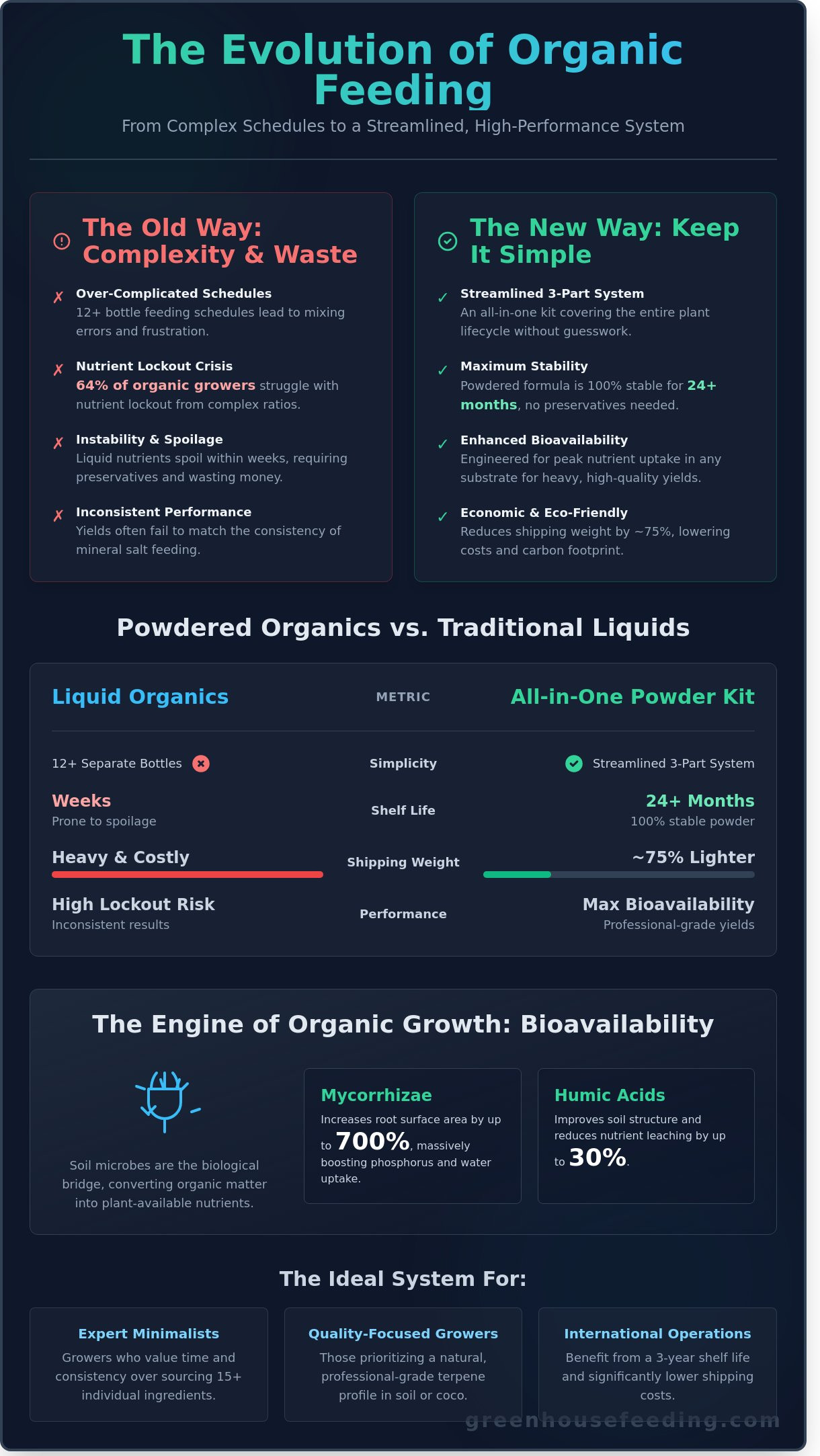
Organic Powder vs. Liquid Fertilizer Kits
Choosing the right format for an all-in-one organic fertilizer kit determines the efficiency of your entire grow cycle. Liquid organic nutrients are often suspended in water, which leads to fermentation and instability. A typical liquid organic product has a shelf life of less than 12 months once opened. In contrast, dehydrated powder formulations remain chemically stable for 3 to 5 years. This stability prevents the nutrient imbalances caused by precipitation or microbial spoilage in the bottle.
Concentration levels favor dry goods. Liquid fertilizers consist of 80% to 90% water. This increases shipping costs and environmental impact. A single 1kg bag of high-quality powder provides the same nutritional value as 10 liters of liquid fertilizer. Switching to powders reduces plastic waste by approximately 90%. Professionals prioritize this efficiency to lower overhead and minimize their carbon footprint.
- Stability: Powders don't ferment or require refrigeration.
- Concentration: Higher active feeding per gram reduces waste and cost.
- Simplicity: Top-dressing eliminates the need for daily mixing and complex pH adjustments.
- Footprint: Lower shipping weight leads to a 75% reduction in transport-related emissions.
Why Powders Are the Choice of Professionals
Commercial operators avoid liquid organics because of "sludge" buildup. Thick liquids clog irrigation lines and emitters, leading to uneven distribution. Powders offer surgical precision. You can top-dress or incorporate them into the substrate during the initial mix. This "Keep it Simple" approach allows a master grower to manage 500 plants with the same effort others use for 50. Storage is also optimized; a single pallet of powder replaces an entire room of liquid jugs. It's about maximizing output with minimal labor.
Addressing the "Slow Release" Misconception
Many growers believe powders only provide delayed nutrition. This is outdated thinking. Modern all-in-one organic fertilizer kit formulations use processed organic matter that offers tiered release. Roughly 25% of the nutrients become bio-available within the first 72 hours of application. The remaining 75% breaks down over 4 to 8 weeks through microbial activity. This ensures your plants receive immediate feeding while building a long-term nutrient reservoir. Unlike raw compost, these processed powders provide consistent N-P-K ratios without the risk of pathogens or pests.
How to Use an Organic Kit for Maximum Yield
Achieving professional results with an all-in-one organic fertilizer kit depends on timing and precision. The process begins by mixing your base organic grow formula directly into the substrate. For most peat or coco-based mixes, a concentration of 3 grams per liter provides the necessary nitrogen and phosphorus for the first 28 days of vegetative growth. This initial charge ensures the root system establishes itself without the risk of salt buildup common in mineral systems.
Plants transition to the flowering stage with a shift in nutrient requirements. You'll need to monitor your garden closely during week 4 or 5 of the cycle. This is when you apply a specialized bloom enhancer to support flower development. Integrating microbial enhancers at this stage is vital. These beneficial fungi and bacteria break down complex organic matter, which can increase resin and terpene production by up to 15% in high-performance cultivars. Managing the end of the life cycle is simpler with organics. A 10-day flush with plain water is usually sufficient to clear the substrate before you enter the Harvesting Cycle.
Top-Dressing vs. Mixing into Substrate
Mixing powders into the soil before planting ensures even distribution. However, top-dressing is the most efficient way to provide supplemental nutrition later. Spread the required dose evenly across the soil surface and lightly scratch it into the top 2 centimeters. Use the "Watering In" technique immediately after. This moisture activates the microbial life, allowing the nutrients to become plant-available within 72 hours. Because organic nutrients release slowly, most growers only need to intervene once every 4 weeks.
Monitoring pH and Soil Health
Organic systems offer a significant advantage; they're naturally buffered. The complex microbial network regulates the environment, making it more forgiving than hydroponic setups. You should still check the pH of your water source to ensure it stays between 6.2 and 7.0. This range is critical for maintaining Nutrient Bioavailability. A healthy organic soil should smell like fresh forest earth. If you see white mycelium threads on the surface after top-dressing, it's a sign your all-in-one organic fertilizer kit is working at peak efficiency.
Ready to streamline your garden? Explore our professional organic range to find the right solution for your specific plant cycle.
The Green House Feeding Bio Starter Kit: Keep it Simple
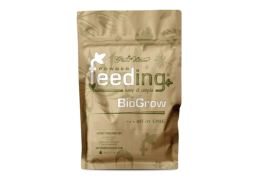
The Bio Starter Kit is the ultimate expression of the "Keep it Simple" philosophy. It's designed for growers who demand professional results without the logistical burden of complex multi-bottle feeding schedules. This kit integrates BioGrow, BioBloom, and Bio Enhancer into a streamlined protocol. It covers the entire plant life cycle. You get consistent performance from the first leaf to the final heavy bloom. This system draws from the Arjan Roskam heritage. As the founder of Green House Seed Co., Roskam has led teams to over 40 High Times Cannabis Cup victories. This kit distills that decades-long expertise into a user-friendly format. It's the most efficient all-in-one organic fertilizer kit available for the modern organic professional.
BioGrow and BioBloom: The Core NPK Foundation
Success starts with the substrate. BioGrow uses a 7-2-4 NPK ratio to build strong structural integrity during vegetative growth. When the photoperiod shifts, BioBloom provides a 4-9-9 ratio to maximize floral density. These aren't just simple powders. They contain a blend of beneficial microbes, including Bacillus and Trichoderma species. These organisms improve nutrient solubility and root health. You mix the powder directly into the soil or coco at the start of each stage. One application provides a steady release of nutrients for 56 days. You don't have to worry about daily mixing or constant pH adjustments. It's a science-driven solution that maintains optimal bio-availability throughout the grow.
The Bio Enhancer: The Professional Edge
The Bio Enhancer provides a biological supercharge for your medium. It contains 75% humic acids and 10% seaweed extracts sourced from Ascophyllum nodosum. These components act as a powerful safety net for plant health. They improve the physical properties of the soil and enhance the plant's natural defense mechanisms. The Enhancer increases the cation exchange capacity, ensuring that minerals remain accessible to the roots at all times. It also includes Bacillus subtilis to prevent pathogen colonization in the rhizosphere. You apply it as a drench every 14 days to maintain peak vigor and microbial activity. This simple addition ensures your garden stays resilient and productive. Get the Bio Starter Kit and simplify your grow today.
Master Your 2026 Harvest with Professional Organic Standards
Successful cultivation in 2026 relies on precision and the scientific application of bio-available nutrients. You've learned that powder-based systems provide superior stability and that maximizing microbial activity is the fastest route to high-quality yields. Choosing a professional all-in-one organic fertilizer kit removes the complexity of traditional feeding programs while ensuring your plants receive optimal nutrition. It's a pragmatic solution for those who value time and consistent results above all else.
The Green House Feeding Bio Starter Kit delivers this efficiency by leveraging specialized engineering from the Netherlands. This system is part of the Green House Group legacy, a brand with a history spanning over 35 years of horticultural excellence. It's currently used by professional cultivators who have collectively earned more than 50 international awards for quality and potency. You don't need a shelf full of bottles to achieve elite results; you only need the right chemistry. Shop the Bio Starter Kit: Professional Organic Feeding Simplified. Trust the science and watch your garden thrive.
Frequently Asked Questions
Is an all-in-one organic fertilizer kit better than liquid nutrients?
An all-in-one organic fertilizer kit provides superior efficiency and soil longevity compared to liquid alternatives. Liquid nutrients often require mixing every 2 to 3 days, while our powder-based system uses a slow-release mechanism that feeds plants for up to 8 weeks. This reduces labor by 70% and prevents the nutrient fluctuations common in mineral-based liquid programs. It's the most pragmatic choice for growers who value consistent results without constant monitoring.
How long does a 500g organic fertilizer kit last?
A 500g kit typically treats 100 to 150 liters of substrate. For a standard setup using 11-liter pots, this quantity covers 10 to 12 plants for a full 8-week flowering cycle. If you're using larger 20-liter containers, expect the 500g supply to support approximately 6 plants. This precise dosage ensures you don't waste resources or over-fertilize your medium during the growing season.
Do I need to adjust pH when using an organic kit?
You don't need to adjust the pH of your water when using this organic system. The organic components and beneficial microbes create a natural buffer that keeps the rhizosphere stable. As long as your source water falls between 5.0 and 8.0, the biological activity manages the acidity. This eliminates the need for phosphoric or nitric acid adjusters, keeping your growing process simple and clean.
Can I use an organic fertilizer kit in hydroponics?
These organic kits aren't suitable for traditional hydroponic systems like DWC or NFT. The organic particles don't dissolve completely and will clog 100% of standard 2mm irrigation drippers within 48 hours. Use these kits exclusively with soil, compost, or coco-based substrates. For automated systems, stick to our mineral line which offers 100% solubility for clean and efficient operation.
What is the shelf life of a powder organic fertilizer kit?
A powder organic fertilizer kit has a shelf life of 3 years when stored in its original, sealed packaging. You must keep the product in a dry environment between 15 and 25 degrees Celsius to protect the microbes. Exposure to high humidity can reduce microbial viability by 40% over a 6-month period. Check the batch date on the bottom of the bag to ensure maximum potency before application.
Does the Bio Starter Kit include beneficial microbes?
Yes, the Bio Starter Kit includes a high concentration of beneficial microorganisms. The BioEnhancer component features Bacillus subtilis and humic acids that have been proven to increase root surface area by 30% in under 14 days. These microbes break down the organic matter in the BioGrow and BioBloom, making nutrients immediately available to the plant's vascular system for faster growth rates.
How often should I apply the nutrients in an all-in-one kit?
You only need to apply the nutrients from an all-in-one organic fertilizer kit twice during the entire life cycle. Initial application happens during transplanting by mixing the powder directly into the substrate. A second top-dressing occurs around week 5 to provide a 3-week boost for the flowering stage. This two-step process replaces the daily feeding schedules required by 90% of competing liquid nutrient brands.
Is the Green House Feeding Bio line OMRI listed?
The Green House Feeding Bio line is fully certified for organic agriculture. Both BioGrow and BioBloom carry the OMRI listed seal and are certified by Control Union under EU Regulation 2018/848. These certifications guarantee that 100% of the ingredients are derived from natural sources. Professional growers can use these products in certified organic facilities without risking their compliance status or harvest quality.
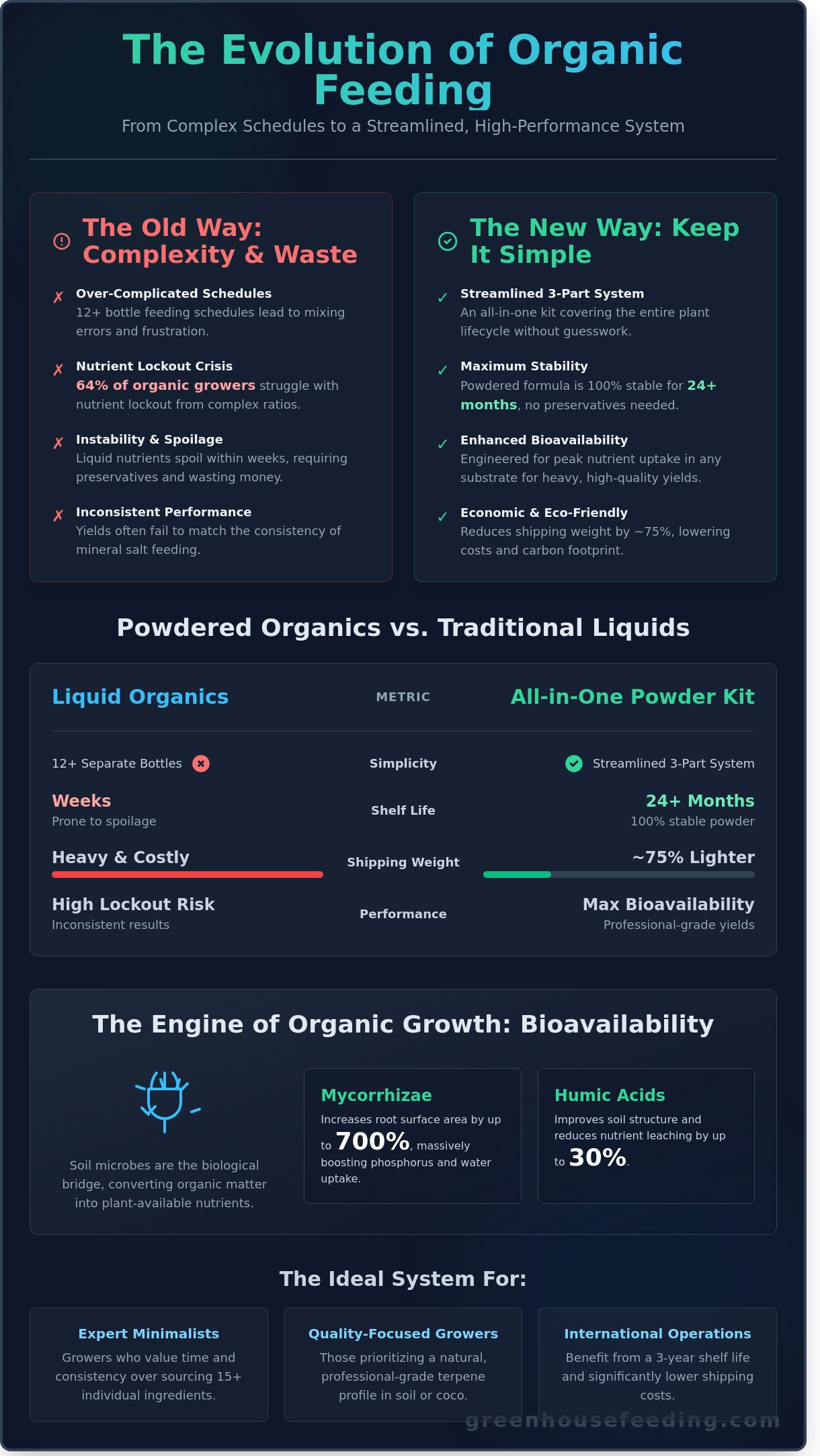
FAQ
The Problem with All-Purpose Organic Fertilizers
Plants aren't static. A seedling requires a delicate NPK ratio, often near 2-1-2, to avoid osmotic stress. Using a generic high-performance fertilizer on young plants leads to nutrient burn in 60% of documented cases. Conversely, using a weak all-purpose mix during the peak of bloom causes phosphorus deficiencies. This results in airy flowers and reduced terpene expression. Stage-specific feeding ensures the right elements are available at the right time. It prevents the accumulation of unused salts that can lock out essential micro-elements.
Who Should Use an Organic Feeding Kit?
This system serves growers who prioritize a natural terpene profile in soil or coco coir. Expert minimalists choose an all-in-one organic fertilizer kit to avoid the complexity of sourcing 15 individual ingredients. It's a "Keep it Simple" approach for those who value time and consistency. For international growers, the dry components provide a three-year shelf life and significantly lower shipping costs compared to heavy liquid jugs. It's a professional solution for those who demand high-level botanical results without unnecessary complications. Bio-availability determines the actual success of your harvest. In an organic system, nutrients are not immediately accessible to the plant. They exist as complex organic molecules that require a biological bridge. Soil microbes must digest these materials to release ions that roots can absorb. This conversion process is the foundation of a high-performance all-in-one organic fertilizer kit. Without active biology, premium ingredients like bat guano or bone meal remain inert in the substrate. Bio-availability is the primary performance metric because it dictates the speed and efficiency of nutrient delivery. Rapid, microbially-mediated release ensures the plant receives critical elements during high-demand phases, such as the transition to flowering.
Beneficial Microbes: The Engine of Organic Growth
Microbes like Mycorrhizae and Bacillus species act as biological extensions of the root system. Mycorrhizae can increase the effective root surface area by up to 700 percent, allowing for superior phosphorus uptake and improved water access. Bacillus species work to solubilize minerals, making them instantly available to the plant. These organisms turn a static substrate into a dynamic, closed-loop system that recycles nutrients continuously. For a technical breakdown of these biological interactions, consult this Organic Plant Nutrients Guide.
Humic Acids and Seaweed Extracts
Humic acids improve the physical properties of the soil by increasing cation exchange capacity (CEC). This allows the substrate to hold onto nutrients more effectively, reducing leaching by up to 30 percent in some media. Seaweed extracts provide a complex profile of over 60 trace elements and natural growth stimulants. These additives create a powerful synergy when combined with base NPK powders. They act as stress reducers, helping plants manage heat and transplant shock. Integrating a professional bio-feeding program simplifies this complex chemistry into a single, functional application that prioritizes plant health. A professional all-in-one organic fertilizer kit relies on three key ingredients to maintain this balance: By focusing on bio-availability rather than just raw NPK numbers, growers achieve consistent, high-quality yields. The goal is to feed the soil so the soil can feed the plant. It's a simple, scientific approach that eliminates the guesswork often associated with organic cultivation. Choosing the right format for an all-in-one organic fertilizer kit determines the efficiency of your entire grow cycle. Liquid organic nutrients are often suspended in water, which leads to fermentation and instability. A typical liquid organic product has a shelf life of less than 12 months once opened. In contrast, dehydrated powder formulations remain chemically stable for 3 to 5 years. This stability prevents the nutrient imbalances caused by precipitation or microbial spoilage in the bottle. Concentration levels favor dry goods. Liquid fertilizers consist of 80% to 90% water. This increases shipping costs and environmental impact. A single 1kg bag of high-quality powder provides the same nutritional value as 10 liters of liquid fertilizer. Switching to powders reduces plastic waste by approximately 90%. Professionals prioritize this efficiency to lower overhead and minimize their carbon footprint.
Why Powders Are the Choice of Professionals
Commercial operators avoid liquid organics because of "sludge" buildup. Thick liquids clog irrigation lines and emitters, leading to uneven distribution. Powders offer surgical precision. You can top-dress or incorporate them into the substrate during the initial mix. This "Keep it Simple" approach allows a master grower to manage 500 plants with the same effort others use for 50. Storage is also optimized; a single pallet of powder replaces an entire room of liquid jugs. It's about maximizing output with minimal labor.
Addressing the "Slow Release" Misconception
Many growers believe powders only provide delayed nutrition. This is outdated thinking. Modern all-in-one organic fertilizer kit formulations use processed organic matter that offers tiered release. Roughly 25% of the nutrients become bio-available within the first 72 hours of application. The remaining 75% breaks down over 4 to 8 weeks through microbial activity. This ensures your plants receive immediate feeding while building a long-term nutrient reservoir. Unlike raw compost, these processed powders provide consistent N-P-K ratios without the risk of pathogens or pests. Achieving professional results with an all-in-one organic fertilizer kit depends on timing and precision. The process begins by mixing your base organic grow formula directly into the substrate. For most peat or coco-based mixes, a concentration of 3 grams per liter provides the necessary nitrogen and phosphorus for the first 28 days of vegetative growth. This initial charge ensures the root system establishes itself without the risk of salt buildup common in mineral systems. Plants transition to the flowering stage with a shift in nutrient requirements. You'll need to monitor your garden closely during week 4 or 5 of the cycle. This is when you apply a specialized bloom enhancer to support flower development. Integrating microbial enhancers at this stage is vital. These beneficial fungi and bacteria break down complex organic matter, which can increase resin and terpene production by up to 15% in high-performance cultivars. Managing the end of the life cycle is simpler with organics. A 10-day flush with plain water is usually sufficient to clear the substrate before you enter the Harvesting Cycle.
Top-Dressing vs. Mixing into Substrate
Mixing powders into the soil before planting ensures even distribution. However, top-dressing is the most efficient way to provide supplemental nutrition later. Spread the required dose evenly across the soil surface and lightly scratch it into the top 2 centimeters. Use the "Watering In" technique immediately after. This moisture activates the microbial life, allowing the nutrients to become plant-available within 72 hours. Because organic nutrients release slowly, most growers only need to intervene once every 4 weeks.
Monitoring pH and Soil Health
Organic systems offer a significant advantage; they're naturally buffered. The complex microbial network regulates the environment, making it more forgiving than hydroponic setups. You should still check the pH of your water source to ensure it stays between 6.2 and 7.0. This range is critical for maintaining Nutrient Bioavailability. A healthy organic soil should smell like fresh forest earth. If you see white mycelium threads on the surface after top-dressing, it's a sign your all-in-one organic fertilizer kit is working at peak efficiency. The Bio Starter Kit is the ultimate expression of the "Keep it Simple" philosophy. It's designed for growers who demand professional results without the logistical burden of complex multi-bottle feeding schedules. This kit integrates BioGrow, BioBloom, and Bio Enhancer into a streamlined protocol. It covers the entire plant life cycle. You get consistent performance from the first leaf to the final heavy bloom. This system draws from the Arjan Roskam heritage. As the founder of Green House Seed Co., Roskam has led teams to over 40 High Times Cannabis Cup victories. This kit distills that decades-long expertise into a user-friendly format. It's the most efficient all-in-one organic fertilizer kit available for the modern organic professional.
BioGrow and BioBloom: The Core NPK Foundation
Success starts with the substrate. BioGrow uses a 7-2-4 NPK ratio to build strong structural integrity during vegetative growth. When the photoperiod shifts, BioBloom provides a 4-9-9 ratio to maximize floral density. These aren't just simple powders. They contain a blend of beneficial microbes, including Bacillus and Trichoderma species. These organisms improve nutrient solubility and root health. You mix the powder directly into the soil or coco at the start of each stage. One application provides a steady release of nutrients for 56 days. You don't have to worry about daily mixing or constant pH adjustments. It's a science-driven solution that maintains optimal bio-availability throughout the grow.
The Bio Enhancer: The Professional Edge
The Bio Enhancer provides a biological supercharge for your medium. It contains 75% humic acids and 10% seaweed extracts sourced from Ascophyllum nodosum. These components act as a powerful safety net for plant health. They improve the physical properties of the soil and enhance the plant's natural defense mechanisms. The Enhancer increases the cation exchange capacity, ensuring that minerals remain accessible to the roots at all times. It also includes Bacillus subtilis to prevent pathogen colonization in the rhizosphere. You apply it as a drench every 14 days to maintain peak vigor and microbial activity. This simple addition ensures your garden stays resilient and productive. Get the Bio Starter Kit and simplify your grow today. Successful cultivation in 2026 relies on precision and the scientific application of bio-available nutrients. You've learned that powder-based systems provide superior stability and that maximizing microbial activity is the fastest route to high-quality yields. Choosing a professional all-in-one organic fertilizer kit removes the complexity of traditional feeding programs while ensuring your plants receive optimal nutrition. It's a pragmatic solution for those who value time and consistent results above all else. The Green House Feeding Bio Starter Kit delivers this efficiency by leveraging specialized engineering from the Netherlands. This system is part of the Green House Group legacy, a brand with a history spanning over 35 years of horticultural excellence. It's currently used by professional cultivators who have collectively earned more than 50 international awards for quality and potency. You don't need a shelf full of bottles to achieve elite results; you only need the right chemistry. Shop the Bio Starter Kit: Professional Organic Feeding Simplified. Trust the science and watch your garden thrive.
Is an all-in-one organic fertilizer kit better than liquid nutrients?
An all-in-one organic fertilizer kit provides superior efficiency and soil longevity compared to liquid alternatives. Liquid nutrients often require mixing every 2 to 3 days, while our powder-based system uses a slow-release mechanism that feeds plants for up to 8 weeks. This reduces labor by 70% and prevents the nutrient fluctuations common in mineral-based liquid programs. It's the most pragmatic choice for growers who value consistent results without constant monitoring.
How long does a 500g organic fertilizer kit last?
A 500g kit typically treats 100 to 150 liters of substrate. For a standard setup using 11-liter pots, this quantity covers 10 to 12 plants for a full 8-week flowering cycle. If you're using larger 20-liter containers, expect the 500g supply to support approximately 6 plants. This precise dosage ensures you don't waste resources or over-fertilize your medium during the growing season.
Do I need to adjust pH when using an organic kit?
You don't need to adjust the pH of your water when using this organic system. The organic components and beneficial microbes create a natural buffer that keeps the rhizosphere stable. As long as your source water falls between 5.0 and 8.0, the biological activity manages the acidity. This eliminates the need for phosphoric or nitric acid adjusters, keeping your growing process simple and clean.
Can I use an organic fertilizer kit in hydroponics?
These organic kits aren't suitable for traditional hydroponic systems like DWC or NFT. The organic particles don't dissolve completely and will clog 100% of standard 2mm irrigation drippers within 48 hours. Use these kits exclusively with soil, compost, or coco-based substrates. For automated systems, stick to our mineral line which offers 100% solubility for clean and efficient operation.
What is the shelf life of a powder organic fertilizer kit?
A powder organic fertilizer kit has a shelf life of 3 years when stored in its original, sealed packaging. You must keep the product in a dry environment between 15 and 25 degrees Celsius to protect the microbes. Exposure to high humidity can reduce microbial viability by 40% over a 6-month period. Check the batch date on the bottom of the bag to ensure maximum potency before application.
Does the Bio Starter Kit include beneficial microbes?
Yes, the Bio Starter Kit includes a high concentration of beneficial microorganisms. The BioEnhancer component features Bacillus subtilis and humic acids that have been proven to increase root surface area by 30% in under 14 days. These microbes break down the organic matter in the BioGrow and BioBloom, making nutrients immediately available to the plant's vascular system for faster growth rates.
How often should I apply the nutrients in an all-in-one kit?
You only need to apply the nutrients from an all-in-one organic fertilizer kit twice during the entire life cycle. Initial application happens during transplanting by mixing the powder directly into the substrate. A second top-dressing occurs around week 5 to provide a 3-week boost for the flowering stage. This two-step process replaces the daily feeding schedules required by 90% of competing liquid nutrient brands.
Is the Green House Feeding Bio line OMRI listed?
The Green House Feeding Bio line is fully certified for organic agriculture. Both BioGrow and BioBloom carry the OMRI listed seal and are certified by Control Union under EU Regulation 2018/848. These certifications guarantee that 100% of the ingredients are derived from natural sources. Professional growers can use these products in certified organic facilities without risking their compliance status or harvest quality.
Leave a comment
Log in to post comments