The era of the 12-bottle organic feeding schedule is officially over. Data from 2025 commercial trials shows that 64%...
Cannabis Deficiency Chart: The Expert Guide to Diagnosing and Fixing Plant Health

A single misidentified nutrient symptom can reduce a commercial harvest's market value by 15% within just 72 hours. While many growers rely on anecdotal forum advice, botanical health requires scientific precision. This is why a professional cannabis deficiency chart is a mandatory tool for any serious facility. You've likely felt the frustration of watching fan leaves yellow while conflicting online opinions lead you to buy expensive, unnecessary supplements. It's a common cycle that wastes both time and capital. Expert cultivation isn't about adding more products; it's about providing the right elements at the correct time.
We've simplified the diagnostic process to help you regain control of your garden. You'll master the art of identifying specific mineral imbalances and implementing recovery protocols that prioritize bio-availability and plant stability. We're moving past the "trial and error" phase of cultivation. You'll learn exactly how to fix current issues and establish a "Keep it Simple" feeding schedule that prevents future metabolic bottlenecks using 100% soluble mineral solutions. This guide ensures your plants receive exactly what they need for maximum yield and purity.
Key Takeaways
- Distinguish between mobile and immobile nutrients to accurately identify how plants reallocate resources during environmental stress.
- Reference our professional cannabis deficiency chart to diagnose NPK imbalances and resolve secondary nutrient gaps common in high-intensity environments.
- Identify the symptoms of pH lockout to avoid the common mistake of adding excess fertilizer when nutrients are chemically unavailable.
- Master a streamlined recovery protocol to reset the rhizosphere and re-establish a balanced, high-solubility feeding schedule.
- Implement the "Keep it Simple" approach to ensure maximum bioavailability and consistent yields through every stage of growth.
The Cannabis Deficiency Framework: Mobile vs. Immobile Nutrients
Effective cultivation starts with understanding how a plant manages its internal resources. Nutrient mobility refers to the plant's ability to transport specific elements from one area to another through its vascular system. When a deficit occurs, the plant prioritizes survival. It moves available minerals to the newest growth to ensure continued development. This biological reallocation provides the first clue for any cannabis deficiency chart. Successful growers don't guess; they look at the location of the problem first.
Diagnostics should remain uncomplicated. Instead of over-analyzing every spot, look at the vertical position of the symptom. This binary choice, top versus bottom, eliminates 50% of the variables immediately. This systematic approach mirrors the Green House Feeding philosophy: minimize the noise and focus on the fundamental chemistry. Precision in diagnosis leads to precision in feeding. Identifying where the plant is struggling tells you exactly which mineral groups are missing from your solution.
Identifying Mobile Nutrient Symptoms
Nitrogen (N), Phosphorus (P), Potassium (K), and Magnesium (Mg) are mobile elements. When the root zone lacks these, the plant pulls them from the oldest, largest leaves at the bottom. This results in a bottom-up progression of chlorosis or necrosis. Nitrogen deficiency, for example, causes a uniform yellowing of lower leaves within 24 to 48 hours of onset. This sacrifice mechanism ensures the apical meristem remains viable. If you see yellowing starting at the base, your cannabis deficiency chart should point toward these mobile macronutrients. They are the building blocks the plant can move at will to protect its future.
- Nitrogen: General yellowing of older, lower leaves.
- Phosphorus: Dark green or purple tints on older foliage.
- Potassium: Burnt, brown edges on the oldest leaves.
- Magnesium: Interveinal yellowing while veins stay green.
Identifying Immobile Nutrient Symptoms
Elements like Calcium (Ca), Iron (Fe), and Copper (Cu) are immobile. Once the plant incorporates these into the cell walls or tissue structures, they remain fixed. They cannot be reallocated to new growth. Consequently, symptoms appear at the top of the plant or on new shoots first. An Iron deficiency creates distinct yellowing between the veins of young leaves, often showing up in the top 10% of the canopy. Because the plant cannot move these minerals, the damage is localized to where the deficiency first occurred during tissue formation. Using chelated micro-elements ensures these immobile nutrients remain available at the root zone for immediate uptake.
- Calcium: Distorted new growth and small brown spots on top leaves.
- Iron: Bright yellowing of new leaves with green veins.
- Sulfur: Pale green or yellowing starting at the base of new leaves.
- Boron: Thick, brittle, or twisted growth tips.
Mastering this framework allows you to ignore the distractions of complex leaf patterns. If the bottom is yellow, the plant is moving its mobile reserves. If the top is distorted, the plant is failing to source immobile elements from the medium. It's a simple, scientific method for maintaining optimal bio-availability and ensuring maximum yield in any growing environment.
Macronutrient Deficiencies: Nitrogen, Phosphorus, and Potassium
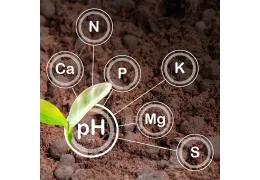
Nitrogen (N), Phosphorus (P), and Potassium (K) serve as the fundamental building blocks for plant life. These elements drive every metabolic process from photosynthesis to cellular respiration. A professional cannabis deficiency chart demonstrates that nutrient requirements aren't static. During the vegetative phase, plants utilize high levels of Nitrogen to build canopy mass and structural integrity. As the plant transitions into the flowering stage, the metabolic focus shifts, requiring a 35% increase in Phosphorus and Potassium to facilitate terpene synthesis and floral density.
Expert growers avoid the "Bloom Booster Trap." This mistake involves introducing high-intensity P and K additives during the first 14 days of flowering. Premature over-feeding leads to mineral salt accumulation in the substrate. This buildup increases the electrical conductivity (EC) to toxic levels, locking out essential micronutrients. Success relies on surgical precision and understanding the specific bio-availability of your feeding program.
Nitrogen (N) Deficiency and Toxicity
Nitrogen is a mobile nutrient. The plant moves it from old growth to support new shoots when supply is low. Deficiency appears as a uniform yellowing of the oldest leaves at the base of the plant. If you don't intervene, this chlorosis moves upward, causing premature leaf drop and reduced yields. The fastest recovery method is a balanced powder feeding grow formula. These mineral-based powders offer 100% solubility for immediate uptake. Conversely, Nitrogen toxicity creates "The Claw." Foliage turns an unnaturally deep forest green and leaf tips curve sharply downward, indicating an N-overload that can delay flowering by 7 to 10 days.
Phosphorus (P) and Potassium (K) Imbalances
Phosphorus issues frequently surface during the transition to flower. A P-deficient plant exhibits stunted vertical growth and develops dark, metallic purple or blue patches on the leaf surface. This often occurs when root zone temperatures fall below 15°C, which restricts Phosphorus mobility. Potassium deficiency is often misdiagnosed as light burn because it causes "burnt" or necrotic leaf edges. However, K-deficiency typically starts on the lower and middle leaves, whereas light burn stays at the canopy top. Integrating a targeted Booster PK+ provides the exact 0-30-27 ratio required to maximize resin production during the peak flowering weeks without risking mineral imbalance.

Secondary and Micronutrient Deficiencies: Calcium, Magnesium, and Iron
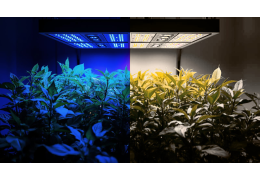
High-intensity LED lighting has changed cultivation parameters significantly. Modern fixtures delivering over 900 μmol/m²/s accelerate photosynthesis, which triggers a rapid uptake of secondary nutrients. When your cannabis deficiency chart indicates a struggle in the mid-to-upper canopy, the culprit is often a breakdown in Calcium or Magnesium availability. These elements are the structural and functional backbone of the plant. They aren't optional extras; they're essential for metabolic stability.
The synergy between Calcium and Magnesium is vital. These two elements compete for uptake sites. If the ratio is unbalanced, you'll see a lockout even if both are present in the medium. Most professional growers aim for a 3:1 or 4:1 ratio to ensure optimal absorption. Integrating chelated micro-elements into your routine ensures these minerals remain bio-available across a wider pH range, typically between 5.5 and 6.5.
Calcium (Ca) and Magnesium (Mg) Diagnostics
Calcium and Magnesium function as a synergistic pair but show symptoms differently. Calcium is immobile, so signs appear on new growth. You'll notice 1-2mm necrotic brown spots and distorted leaf tips. Magnesium is mobile, meaning the plant moves it from old leaves to new ones. This results in interveinal chlorosis on the bottom 30% of the plant. To fix this, integrate Powder Feeding Calcium into your water regimen at a rate of 0.5g to 1.0g per liter. This provides a clean, highly soluble source that doesn't disrupt your N-P-K balance.
Iron (Fe) and Trace Element Deficiencies
Iron chlorosis is frequently misidentified as Nitrogen deficiency. The key difference lies in the location. Iron is immobile, so the bright yellowing starts at the crown of the plant. The veins usually stay green while the surrounding tissue turns almost white. This often occurs when the pH of the substrate climbs above 6.5, making Iron insoluble. Trace elements like Manganese, Zinc, and Boron are equally critical for enzymatic functions. Manganese drives oxygen evolution, while Zinc controls internode length.
- Iron (Fe): Yellowing of new growth with green veins; requires a pH below 6.2 for best uptake.
- Manganese (Mn): Small, mottled spots on leaves; vital for nitrogen metabolism.
- Boron (B): Thickened, brittle stems and necrotic growing tips.
A full-spectrum mineral powder prevents these hidden deficiencies more effectively than liquid alternatives. Liquid nutrients often require multiple bottles to provide the same elemental profile, which increases the margin for human error. Using a single-component powder ensures that every gram contains a precise, homogenized blend of chelated minerals. This "Keep it Simple" philosophy eliminates the need to cross-reference a cannabis deficiency chart every week. You provide the plant with everything it needs in a single, stable application.
The Root Cause: pH Lockout and Nutrient Bioavailability
Nutrient lockout is a chemical stalemate where essential elements are present in the medium but remain completely unavailable to the plant. It's a common frustration that often mimics a genuine lack of minerals. Most growers see a yellowing leaf and assume they need to increase their dosage. This is the most frequent mistake in cultivation. Adding more nutrients to a plant suffering from lockout only increases the Electrical Conductivity (EC) of the medium. High EC levels lead to salt buildup, which further restricts water uptake and creates a toxic environment for the root system.
Bioavailability depends entirely on the chemical environment of the root zone. When the pH shifts outside of the optimal range, certain elements become insoluble. They bind to other minerals or the growing medium itself, becoming "locked" away. Instead of reaching for the nutrient bottle, you must first reach for your pH pen. Identifying the specific symptoms on a cannabis deficiency chart is the first step, but checking your runoff values is the only way to confirm the cause.
The pH Master Key for Cannabis
Think of pH as the gatekeeper of nutrition. For soil-based systems, the target range is 6.2 to 6.8. In hydroponic or soilless media like coco coir, the window is tighter, requiring a range of 5.5 to 6.2. When you stay within these parameters, you hit the "sweet spot" where all 13 essential elements are soluble and ready for uptake. If your soil pH climbs above 7.0, the solubility of Manganese and Iron can drop by as much as 60%, leading to rapid chlorosis. Understanding Soil pH: The Master Key to Nutrient Bioavailability is the foundation of any successful feeding schedule. Keeping your levels stable ensures that the minerals you provide are actually being used by the plant.
How to Fix Nutrient Lockout
When lockout occurs, you must perform a "Reset" protocol. This involves flushing the medium with pH-stabilized water to leach out excess salts and restore chemical balance. Follow these steps to clear the root zone:
- Flush the medium: Use a volume of water that's 2 to 3 times the size of your container.
- Measure runoff EC: Check the EC of the water exiting the bottom of the pot. If the runoff EC is 0.5 points higher than your input water, you have significant salt accumulation.
- Stabilize: Once the runoff EC matches your input, stop flushing.
- Re-feed: Apply a light, balanced nutrient solution to replenish the medium.
Using a specialized additive like Bio Enhancer during this process is highly effective. It contains humic acids and seaweed extracts that act as natural buffers. These organic compounds improve the bioavailability of minerals and help the plant recover from the stress of salt buildup. This simple, scientific approach is more effective than guessing with extra fertilizers. It keeps the process uncomplicated and ensures your cannabis deficiency chart stays in the toolbox rather than on the grow room wall.
Keep your root zone optimized and prevent lockout with our professional-grade Bio Enhancer.
The Recovery Protocol: Restoring Health with Green House Feeding
Identifying a problem using a cannabis deficiency chart is the first step; however, recovery requires a systematic reset. Most health issues stem from pH fluctuations or nutrient lockout in the rhizosphere. To restore vitality, follow this three-step protocol designed for maximum efficiency and scientific reliability.
- Step 1: Flush the media. Use pH-balanced water (5.8 for coco/hydro or 6.2 for soil) at three times the volume of the container. This clears excess mineral salts and resets the electrical conductivity (EC) of the root zone.
- Step 2: Re-introduce a balanced profile. Adopt our "Keep it Simple" philosophy. Instead of mixing complex additives, use a single-component powder feed at 50% strength. This provides immediate bio-availability without overwhelming the recovering root system.
- Step 3: Evaluate new growth. Damaged leaves will not turn green again. Focus your assessment strictly on new shoots. If the apical meristem shows a healthy, vibrant hue within 48 to 72 hours, your recovery protocol is successful.
The Feeding Starter Kit serves as a foolproof insurance policy for any grower. It removes the guesswork by providing a complete mineral-organic solution in one package. This prevents the common human error of mixing incompatible liquid components, which often leads to the chemical imbalances seen on a cannabis deficiency chart.
Why Powder Nutrients Prevent Deficiencies
Powdered mineral nutrients offer superior stability compared to liquid counterparts. Liquid fertilizers often suffer from nutrient precipitation or bacterial degradation within 6 months of opening. Our powders remain 100% stable and effective for years. Precision dosing is also simplified; measuring 0.5 grams per liter is more accurate than counting drops from a bottle. Specialized formulas like Short Flowering or Hybrids contain all necessary chelated micro-elements in a single bag. This ensures your plants receive a consistent, optimal N-P-K ratio every time you water.
Long-Term Prevention Strategy
Success in the grow room depends on a consistent feeding schedule aligned with the plant's metabolic needs. Proper timing ensures that the plant never enters a state of deficiency-induced stress. For a detailed breakdown of timing your nutrients for maximum yield, consult A Grower’s Guide to the Harvesting Cycle. Maintaining this rhythm prevents the volatile "yo-yo" effect of over and under-feeding. To secure the health of your next crop from seed to harvest, explore our specialized Feeding Kits for total plant health and experience the professional standard of simplicity.
Secure Your Harvest with Precision Nutrition
Mastering plant health requires more than just observation; it demands a systematic understanding of botanical chemistry. By distinguishing between mobile and immobile nutrient symptoms, you can pinpoint exactly where your feeding program is failing. Maintaining a stable pH range is critical to ensure maximum bio-availability and prevent the common pitfall of nutrient lockout. Referencing a professional cannabis deficiency chart provides the clarity needed to diagnose issues before they impact your final yield.
Green House Feeding delivers professional formulas that have earned multiple international industry awards since 2012. These products are currently the primary choice for world-renowned breeders in over 100 countries. Our "Keep it Simple" powder technology integrates chelated micro-elements into a single, highly soluble format. This streamlined system eliminates the need for complex multi-part liquid schedules while maintaining professional-grade mineral-organic standards. It's a proven method designed to maximize plant vitality through surgical precision and technical purity.
Diagnose and Defend Your Grow with the Green House Feeding Starter Kit
Your plants have the genetic potential for greatness. With the right tools and a disciplined approach, you'll achieve the maximum yields and purity your hard work deserves.
Frequently Asked Questions
How can I tell the difference between nutrient deficiency and light burn?
Position and pattern are the primary indicators. Light burn affects the foliage closest to your lamps, typically within 20 centimeters of the light source, while nutrient deficiencies appear on lower leaves or across the entire plant. Light burn often bleaches the leaf tissue but leaves the veins green. If your PPFD levels exceed 1000 µmol/m²/s without CO2, you're likely seeing light stress rather than a mineral issue.
Do yellow leaves ever turn green again after fixing a deficiency?
Yellow leaves rarely regain their original color once the chlorophyll structure breaks down. You must monitor the new growth to confirm your corrective actions are successful. If the latest sets of leaves show a healthy deep green pigment, your plant is recovering. Focus on the 100% fresh growth at the top of the canopy rather than waiting for damaged lower leaves to heal.
Why are the tips of my cannabis leaves turning brown?
Brown tips usually signal nutrient burn caused by an Electrical Conductivity (EC) level that's too high for the plant's current life cycle. When salts accumulate in the substrate, the plant can't regulate water movement, leading to "burnt" edges. Check your cannabis deficiency chart to distinguish this from Potassium deficiency. Potassium issues usually cause browning along the entire leaf margin, not just the pointed tips.
Can I fix a deficiency just by spraying nutrients on the leaves?
Foliar feeding is a temporary solution that provides a 15% increase in nutrient uptake speed. It's an excellent way to deliver chelated micro-elements directly to the tissue while you fix the root zone. You still need to address the substrate pH, which should stay between 5.8 and 6.2. Use foliar sprays as a tactical supplement to your primary Feeding program to ensure immediate relief.
What is the most common nutrient deficiency in cannabis?
Nitrogen deficiency is the most frequent problem, particularly during the transition from vegetative growth to the flowering stage. Plants require roughly 200 ppm of Nitrogen to maintain vigorous leaf production. You'll notice the oldest leaves at the bottom of the plant turning uniform yellow as the plant moves mobile nutrients upward. Our specialized "Long Flowering" Feeding products prevent this by providing sustained Nitrogen levels throughout the cycle.
How long does it take for a plant to show signs of recovery?
You should see visible improvement in new growth within 3 to 7 days after adjusting your Feeding solution. While the old, damaged leaves won't change, the new shoots will emerge with proper color and texture. If the plant doesn't show progress after 168 hours, your pH or EC levels are likely still outside the optimal range. Rapid recovery depends entirely on the bio-availability of your minerals.
Is it possible to have multiple nutrient deficiencies at once?
Multiple deficiencies often happen at once because a single pH imbalance can lock out several minerals simultaneously. If your pH drops below 5.5, you'll likely see symptoms of both Calcium and Magnesium shortages at the same time. Consulting a cannabis deficiency chart helps you identify these complex, overlapping patterns. A total substrate flush is often the fastest way to reset the chemistry and solve multiple issues.
Can overwatering cause nutrient deficiencies?
Overwatering creates "induced" deficiencies by starving the roots of oxygen, which stops the uptake of minerals. When oxygen levels in the root zone fall below 10%, the plant can't transport nutrients even if they're present in the soil. You must ensure your pots have at least 20% drainage to prevent salt buildup and maintain aeration. Keep it simple by letting the substrate dry out between Feeding sessions.

FAQ
Identifying Mobile Nutrient Symptoms
Nitrogen (N), Phosphorus (P), Potassium (K), and Magnesium (Mg) are mobile elements. When the root zone lacks these, the plant pulls them from the oldest, largest leaves at the bottom. This results in a bottom-up progression of chlorosis or necrosis. Nitrogen deficiency, for example, causes a uniform yellowing of lower leaves within 24 to 48 hours of onset. This sacrifice mechanism ensures the apical meristem remains viable. If you see yellowing starting at the base, your cannabis deficiency chart should point toward these mobile macronutrients. They are the building blocks the plant can move at will to protect its future.
Identifying Immobile Nutrient Symptoms
Elements like Calcium (Ca), Iron (Fe), and Copper (Cu) are immobile. Once the plant incorporates these into the cell walls or tissue structures, they remain fixed. They cannot be reallocated to new growth. Consequently, symptoms appear at the top of the plant or on new shoots first. An Iron deficiency creates distinct yellowing between the veins of young leaves, often showing up in the top 10% of the canopy. Because the plant cannot move these minerals, the damage is localized to where the deficiency first occurred during tissue formation. Using chelated micro-elements ensures these immobile nutrients remain available at the root zone for immediate uptake. Mastering this framework allows you to ignore the distractions of complex leaf patterns. If the bottom is yellow, the plant is moving its mobile reserves. If the top is distorted, the plant is failing to source immobile elements from the medium. It's a simple, scientific method for maintaining optimal bio-availability and ensuring maximum yield in any growing environment. Nitrogen (N), Phosphorus (P), and Potassium (K) serve as the fundamental building blocks for plant life. These elements drive every metabolic process from photosynthesis to cellular respiration. A professional cannabis deficiency chart demonstrates that nutrient requirements aren't static. During the vegetative phase, plants utilize high levels of Nitrogen to build canopy mass and structural integrity. As the plant transitions into the flowering stage, the metabolic focus shifts, requiring a 35% increase in Phosphorus and Potassium to facilitate terpene synthesis and floral density. Expert growers avoid the "Bloom Booster Trap." This mistake involves introducing high-intensity P and K additives during the first 14 days of flowering. Premature over-feeding leads to mineral salt accumulation in the substrate. This buildup increases the electrical conductivity (EC) to toxic levels, locking out essential micronutrients. Success relies on surgical precision and understanding the specific bio-availability of your feeding program.
Nitrogen (N) Deficiency and Toxicity
Nitrogen is a mobile nutrient. The plant moves it from old growth to support new shoots when supply is low. Deficiency appears as a uniform yellowing of the oldest leaves at the base of the plant. If you don't intervene, this chlorosis moves upward, causing premature leaf drop and reduced yields. The fastest recovery method is a balanced powder feeding grow formula. These mineral-based powders offer 100% solubility for immediate uptake. Conversely, Nitrogen toxicity creates "The Claw." Foliage turns an unnaturally deep forest green and leaf tips curve sharply downward, indicating an N-overload that can delay flowering by 7 to 10 days.
Phosphorus (P) and Potassium (K) Imbalances
Phosphorus issues frequently surface during the transition to flower. A P-deficient plant exhibits stunted vertical growth and develops dark, metallic purple or blue patches on the leaf surface. This often occurs when root zone temperatures fall below 15°C, which restricts Phosphorus mobility. Potassium deficiency is often misdiagnosed as light burn because it causes "burnt" or necrotic leaf edges. However, K-deficiency typically starts on the lower and middle leaves, whereas light burn stays at the canopy top. Integrating a targeted Booster PK+ provides the exact 0-30-27 ratio required to maximize resin production during the peak flowering weeks without risking mineral imbalance. High-intensity LED lighting has changed cultivation parameters significantly. Modern fixtures delivering over 900 μmol/m²/s accelerate photosynthesis, which triggers a rapid uptake of secondary nutrients. When your cannabis deficiency chart indicates a struggle in the mid-to-upper canopy, the culprit is often a breakdown in Calcium or Magnesium availability. These elements are the structural and functional backbone of the plant. They aren't optional extras; they're essential for metabolic stability. The synergy between Calcium and Magnesium is vital. These two elements compete for uptake sites. If the ratio is unbalanced, you'll see a lockout even if both are present in the medium. Most professional growers aim for a 3:1 or 4:1 ratio to ensure optimal absorption. Integrating chelated micro-elements into your routine ensures these minerals remain bio-available across a wider pH range, typically between 5.5 and 6.5.
Calcium (Ca) and Magnesium (Mg) Diagnostics
Calcium and Magnesium function as a synergistic pair but show symptoms differently. Calcium is immobile, so signs appear on new growth. You'll notice 1-2mm necrotic brown spots and distorted leaf tips. Magnesium is mobile, meaning the plant moves it from old leaves to new ones. This results in interveinal chlorosis on the bottom 30% of the plant. To fix this, integrate Powder Feeding Calcium into your water regimen at a rate of 0.5g to 1.0g per liter. This provides a clean, highly soluble source that doesn't disrupt your N-P-K balance.
Iron (Fe) and Trace Element Deficiencies
Iron chlorosis is frequently misidentified as Nitrogen deficiency. The key difference lies in the location. Iron is immobile, so the bright yellowing starts at the crown of the plant. The veins usually stay green while the surrounding tissue turns almost white. This often occurs when the pH of the substrate climbs above 6.5, making Iron insoluble. Trace elements like Manganese, Zinc, and Boron are equally critical for enzymatic functions. Manganese drives oxygen evolution, while Zinc controls internode length. A full-spectrum mineral powder prevents these hidden deficiencies more effectively than liquid alternatives. Liquid nutrients often require multiple bottles to provide the same elemental profile, which increases the margin for human error. Using a single-component powder ensures that every gram contains a precise, homogenized blend of chelated minerals. This "Keep it Simple" philosophy eliminates the need to cross-reference a cannabis deficiency chart every week. You provide the plant with everything it needs in a single, stable application. Nutrient lockout is a chemical stalemate where essential elements are present in the medium but remain completely unavailable to the plant. It's a common frustration that often mimics a genuine lack of minerals. Most growers see a yellowing leaf and assume they need to increase their dosage. This is the most frequent mistake in cultivation. Adding more nutrients to a plant suffering from lockout only increases the Electrical Conductivity (EC) of the medium. High EC levels lead to salt buildup, which further restricts water uptake and creates a toxic environment for the root system. Bioavailability depends entirely on the chemical environment of the root zone. When the pH shifts outside of the optimal range, certain elements become insoluble. They bind to other minerals or the growing medium itself, becoming "locked" away. Instead of reaching for the nutrient bottle, you must first reach for your pH pen. Identifying the specific symptoms on a cannabis deficiency chart is the first step, but checking your runoff values is the only way to confirm the cause.
The pH Master Key for Cannabis
Think of pH as the gatekeeper of nutrition. For soil-based systems, the target range is 6.2 to 6.8. In hydroponic or soilless media like coco coir, the window is tighter, requiring a range of 5.5 to 6.2. When you stay within these parameters, you hit the "sweet spot" where all 13 essential elements are soluble and ready for uptake. If your soil pH climbs above 7.0, the solubility of Manganese and Iron can drop by as much as 60%, leading to rapid chlorosis. Understanding Soil pH: The Master Key to Nutrient Bioavailability is the foundation of any successful feeding schedule. Keeping your levels stable ensures that the minerals you provide are actually being used by the plant.
How to Fix Nutrient Lockout
When lockout occurs, you must perform a "Reset" protocol. This involves flushing the medium with pH-stabilized water to leach out excess salts and restore chemical balance. Follow these steps to clear the root zone: Using a specialized additive like Bio Enhancer during this process is highly effective. It contains humic acids and seaweed extracts that act as natural buffers. These organic compounds improve the bioavailability of minerals and help the plant recover from the stress of salt buildup. This simple, scientific approach is more effective than guessing with extra fertilizers. It keeps the process uncomplicated and ensures your cannabis deficiency chart stays in the toolbox rather than on the grow room wall. Keep your root zone optimized and prevent lockout with our professional-grade Bio Enhancer. Identifying a problem using a cannabis deficiency chart is the first step; however, recovery requires a systematic reset. Most health issues stem from pH fluctuations or nutrient lockout in the rhizosphere. To restore vitality, follow this three-step protocol designed for maximum efficiency and scientific reliability. The Feeding Starter Kit serves as a foolproof insurance policy for any grower. It removes the guesswork by providing a complete mineral-organic solution in one package. This prevents the common human error of mixing incompatible liquid components, which often leads to the chemical imbalances seen on a cannabis deficiency chart.
Why Powder Nutrients Prevent Deficiencies
Powdered mineral nutrients offer superior stability compared to liquid counterparts. Liquid fertilizers often suffer from nutrient precipitation or bacterial degradation within 6 months of opening. Our powders remain 100% stable and effective for years. Precision dosing is also simplified; measuring 0.5 grams per liter is more accurate than counting drops from a bottle. Specialized formulas like Short Flowering or Hybrids contain all necessary chelated micro-elements in a single bag. This ensures your plants receive a consistent, optimal N-P-K ratio every time you water.
Long-Term Prevention Strategy
Success in the grow room depends on a consistent feeding schedule aligned with the plant's metabolic needs. Proper timing ensures that the plant never enters a state of deficiency-induced stress. For a detailed breakdown of timing your nutrients for maximum yield, consult A Grower’s Guide to the Harvesting Cycle. Maintaining this rhythm prevents the volatile "yo-yo" effect of over and under-feeding. To secure the health of your next crop from seed to harvest, explore our specialized Feeding Kits for total plant health and experience the professional standard of simplicity. Mastering plant health requires more than just observation; it demands a systematic understanding of botanical chemistry. By distinguishing between mobile and immobile nutrient symptoms, you can pinpoint exactly where your feeding program is failing. Maintaining a stable pH range is critical to ensure maximum bio-availability and prevent the common pitfall of nutrient lockout. Referencing a professional cannabis deficiency chart provides the clarity needed to diagnose issues before they impact your final yield. Green House Feeding delivers professional formulas that have earned multiple international industry awards since 2012. These products are currently the primary choice for world-renowned breeders in over 100 countries. Our "Keep it Simple" powder technology integrates chelated micro-elements into a single, highly soluble format. This streamlined system eliminates the need for complex multi-part liquid schedules while maintaining professional-grade mineral-organic standards. It's a proven method designed to maximize plant vitality through surgical precision and technical purity. Diagnose and Defend Your Grow with the Green House Feeding Starter Kit Your plants have the genetic potential for greatness. With the right tools and a disciplined approach, you'll achieve the maximum yields and purity your hard work deserves.
How can I tell the difference between nutrient deficiency and light burn?
Position and pattern are the primary indicators. Light burn affects the foliage closest to your lamps, typically within 20 centimeters of the light source, while nutrient deficiencies appear on lower leaves or across the entire plant. Light burn often bleaches the leaf tissue but leaves the veins green. If your PPFD levels exceed 1000 µmol/m²/s without CO2, you're likely seeing light stress rather than a mineral issue.
Do yellow leaves ever turn green again after fixing a deficiency?
Yellow leaves rarely regain their original color once the chlorophyll structure breaks down. You must monitor the new growth to confirm your corrective actions are successful. If the latest sets of leaves show a healthy deep green pigment, your plant is recovering. Focus on the 100% fresh growth at the top of the canopy rather than waiting for damaged lower leaves to heal.
Why are the tips of my cannabis leaves turning brown?
Brown tips usually signal nutrient burn caused by an Electrical Conductivity (EC) level that's too high for the plant's current life cycle. When salts accumulate in the substrate, the plant can't regulate water movement, leading to "burnt" edges. Check your cannabis deficiency chart to distinguish this from Potassium deficiency. Potassium issues usually cause browning along the entire leaf margin, not just the pointed tips.
Can I fix a deficiency just by spraying nutrients on the leaves?
Foliar feeding is a temporary solution that provides a 15% increase in nutrient uptake speed. It's an excellent way to deliver chelated micro-elements directly to the tissue while you fix the root zone. You still need to address the substrate pH, which should stay between 5.8 and 6.2. Use foliar sprays as a tactical supplement to your primary Feeding program to ensure immediate relief.
What is the most common nutrient deficiency in cannabis?
Nitrogen deficiency is the most frequent problem, particularly during the transition from vegetative growth to the flowering stage. Plants require roughly 200 ppm of Nitrogen to maintain vigorous leaf production. You'll notice the oldest leaves at the bottom of the plant turning uniform yellow as the plant moves mobile nutrients upward. Our specialized "Long Flowering" Feeding products prevent this by providing sustained Nitrogen levels throughout the cycle.
How long does it take for a plant to show signs of recovery?
You should see visible improvement in new growth within 3 to 7 days after adjusting your Feeding solution. While the old, damaged leaves won't change, the new shoots will emerge with proper color and texture. If the plant doesn't show progress after 168 hours, your pH or EC levels are likely still outside the optimal range. Rapid recovery depends entirely on the bio-availability of your minerals.
Is it possible to have multiple nutrient deficiencies at once?
Multiple deficiencies often happen at once because a single pH imbalance can lock out several minerals simultaneously. If your pH drops below 5.5, you'll likely see symptoms of both Calcium and Magnesium shortages at the same time. Consulting a cannabis deficiency chart helps you identify these complex, overlapping patterns. A total substrate flush is often the fastest way to reset the chemistry and solve multiple issues.
Can overwatering cause nutrient deficiencies?
Overwatering creates "induced" deficiencies by starving the roots of oxygen, which stops the uptake of minerals. When oxygen levels in the root zone fall below 10%, the plant can't transport nutrients even if they're present in the soil. You must ensure your pots have at least 20% drainage to prevent salt buildup and maintain aeration. Keep it simple by letting the substrate dry out between Feeding sessions.
Leave a comment
Log in to post comments