

 Español
Over 70% of cultivation failures stem from a fundamental misunderstanding of substrate moisture levels. Most growers...
Search in blog
Blog categories
Latest posts
How Much Water Do Plants Need? The Expert Guide to Precision Irrigation
Read more
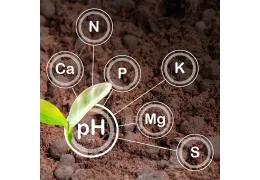
What is PPM? A Precision Guide to Nutrient Concentration for Growers
Read more
What if the line between a thriving crop and a burnt-out failure was a single, measurable number? You've followed the...
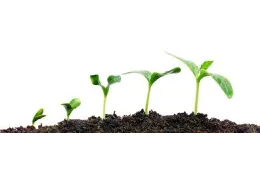
What Does a Plant Need to Survive and Grow? The 5 Pillars of Cultivation
Read more
Your plants don't need a complex cocktail of additives to thrive. In fact, over 60% of common cultivation issues like...
Fertilizer for Cannabis Plants: The Expert Guide to Optimal Feeding
Read more
Complex, multi-bottle nutrient lines are the single biggest point of failure for professional and hobbyist growers...
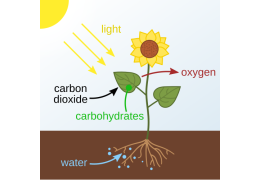
What Is Photosynthesis? And why is the most important thing on earth?
Read more
What Is Photosynthesis? And why is the most important thing on earth?
Popular posts
Fertilizer for Cannabis Plants: The Expert Guide to Optimal Feeding
Complex, multi-bottle nutrient lines are the single biggest point of failure for professional and hobbyist growers...
Read more
What is PPM? A Precision Guide to Nutrient Concentration for Growers
What if the line between a thriving crop and a burnt-out failure was a single, measurable number? You've followed the...
Read more
What Does a Plant Need to Survive and Grow? The 5 Pillars of Cultivation
Your plants don't need a complex cocktail of additives to thrive. In fact, over 60% of common cultivation issues like...
Read more

Featured posts
What Is Photosynthesis? And why is the most important thing on earth?
What Is Photosynthesis? And why is the most important thing on earth?
Read more

Irrigation method with lightmix (peat based substrate) + GHF Bioline (peat based substrate)
How to optimize your irrigation when using peat based substrate and organic dry amendment like our Bioline ?
Read more
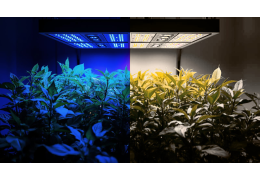
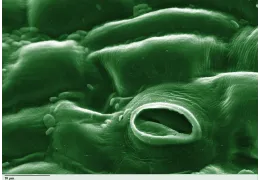
What is VPD ?
VPD controls how much water the plant loses, which controls cooling, nutrient uptake, stomatal behaviour, and...
Read more
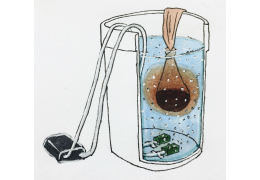
Extra mineral aerated compost tea
Extra mineral aerated compost tea (calcium and trace element)
Read more
What Does a Plant Need to Survive and Grow? The 5 Pillars of Cultivation
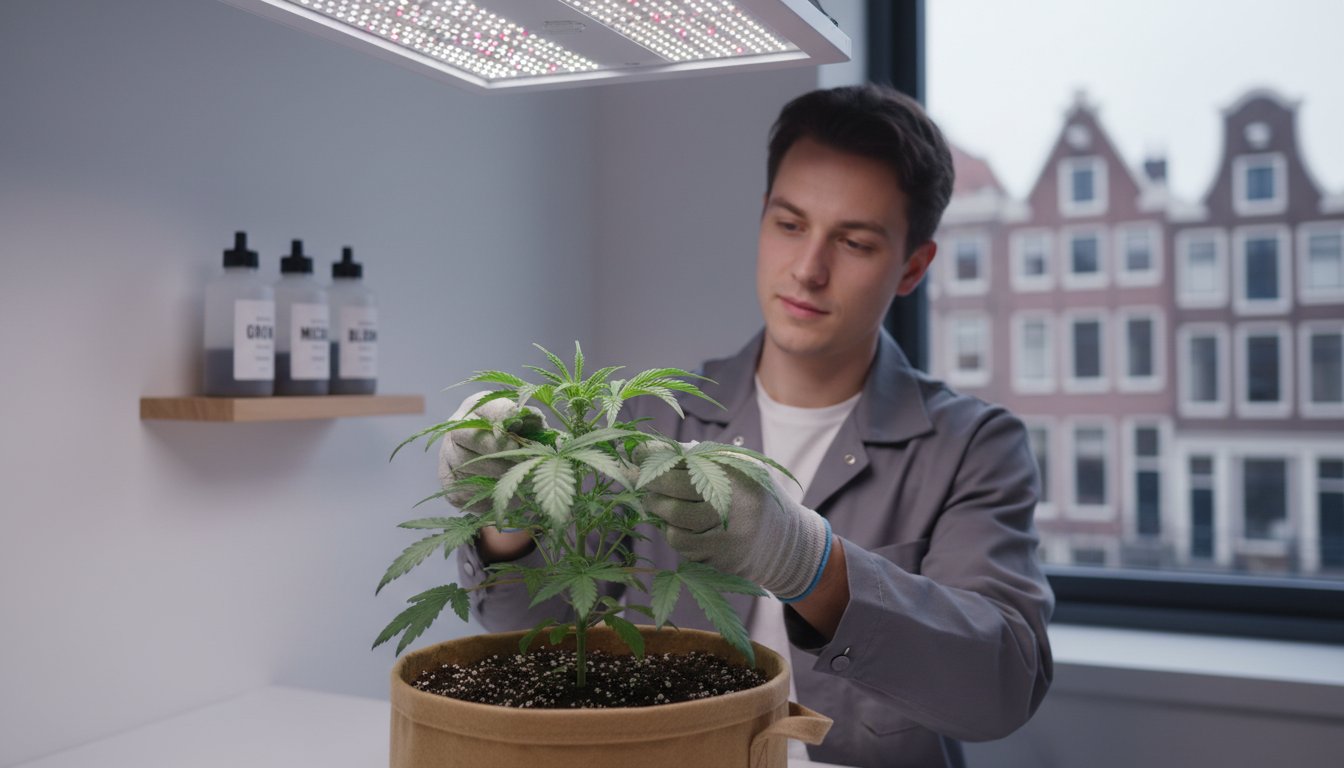
Your plants don't need a complex cocktail of additives to thrive. In fact, over 60% of common cultivation issues like stunted growth stem from overcomplicating the feeding process, not under-supplying key nutrients. It's a problem rooted in conflicting advice and marketing hype, not horticulture.
You've likely spent hours researching, only to feel overwhelmed. You provide the basics like light and water, but the results don't match the effort. We're here to provide clarity. This guide demystifies the fundamental question of what does a plant need to survive and grow, breaking it down into five essential pillars. You'll gain a functional understanding of plant biology and the confidence to optimize your environment for maximum genetic expression. Prepare to master the core requirements of light, air, water, nutrients, and growing medium with a simple, uncomplicated framework.
Key Takeaways
-
Go beyond basic survival by mastering the five essential pillars of cultivation for optimal plant health and performance.
-
Understand exactly what does a plant need to survive and grow by learning the distinct biological roles of light, water, air, nutrients, and space.
-
Learn how plants convert light and air into energy and why proper root zone oxygenation is critical for nutrient uptake.
-
Adopt a simple, effective feeding strategy and discover why over-feeding is often more damaging than under-feeding for achieving maximum yield.
Table of Contents
-
The Fundamentals of Plant Biology: What Every Grower Must Know
-
Water and Nutrients: The Chemistry of Life-Sustaining Feeding
The Fundamentals of Plant Biology: What Every Grower Must Know
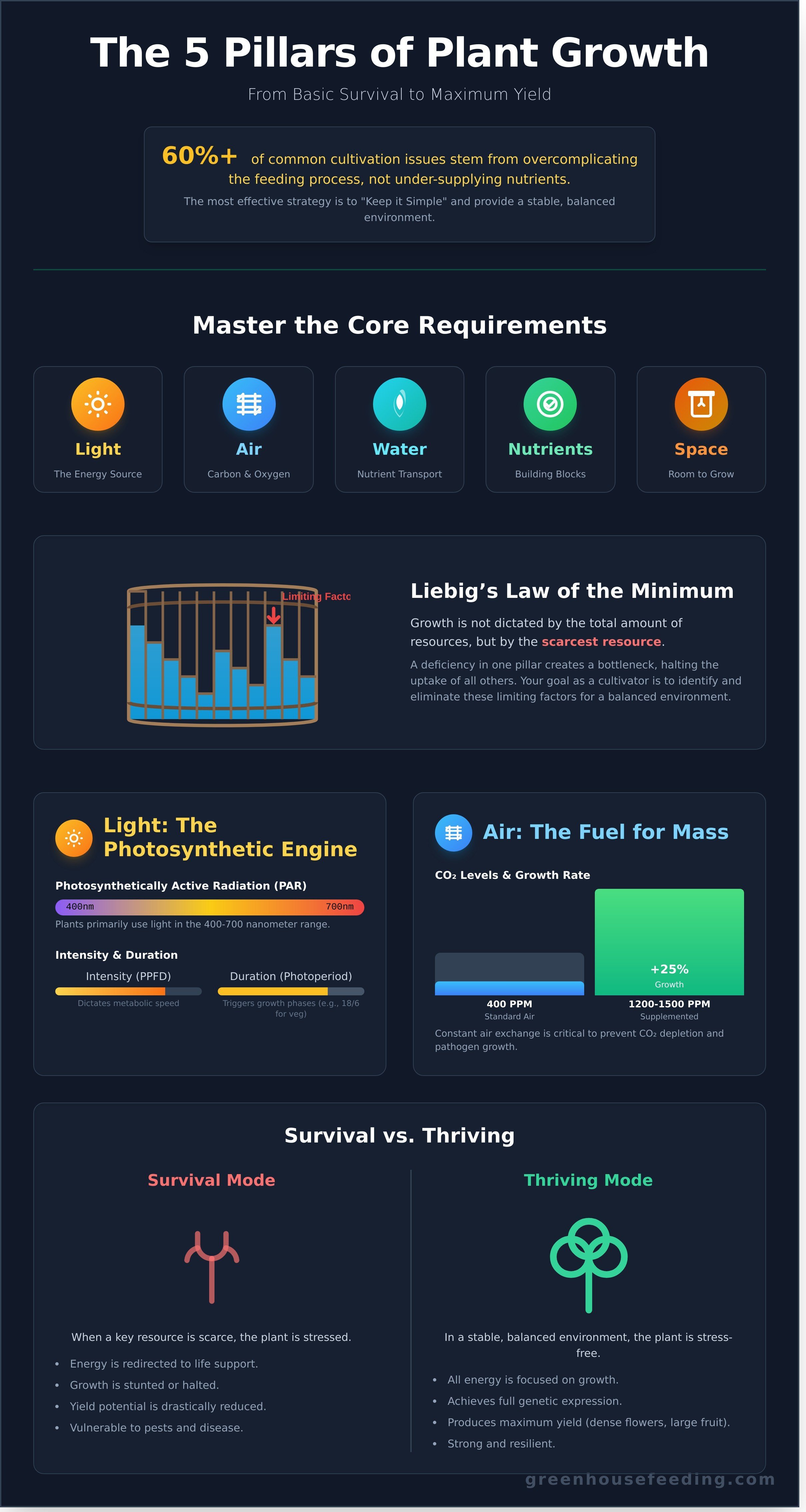
Successful cultivation isn't magic. It's science. Understanding what a plant needs to survive and grow is the first step toward maximum yield and optimal genetic expression. While the full Fundamentals of Plant Biology are complex, a plant’s core requirements are brilliantly simple. Every function, from root development to flower production, depends on five essential pillars.
-
Light: The energy source for photosynthesis.
-
Water: The solvent for nutrient transport and turgor pressure.
-
Air: The source of carbon dioxide (CO2) for photosynthesis and oxygen (O2) for respiration.
-
Nutrients: The chemical building blocks for all cellular structures.
-
Space: The physical area for roots and foliage to grow without competition.
These five inputs work together under a critical principle known as Liebig’s Law of the Minimum. This 19th-century agricultural science law states that growth is not dictated by the total amount of resources available, but by the scarcest resource, or the "limiting factor." Giving a plant more light won't help if it lacks the water to process it. This principle separates wild growth, which is a constant battle against limiting factors, from controlled cultivation, where the grower’s job is to eliminate them. Your goal is to provide a balanced, uncomplicated environment.
Survival vs. Thriving: The Cultivator’s Goal
A plant under stress will always prioritize survival over performance. When a key resource is scarce, it redirects energy away from producing dense flowers or large fruit and instead focuses on basic life support. The difference between a plant that merely lives and one that delivers maximum yield is the absence of this stress. For beginners, the most effective strategy is to "Keep it Simple." A stable, predictable environment with consistent feeding is far superior to a complex regimen that creates fluctuations and forces the plant into survival mode.
The Interconnected Nature of Plant Needs
No pillar stands alone. A deficiency in one element creates a bottleneck that halts the uptake of all others. For example, a lack of magnesium, a core component of chlorophyll, makes a plant unable to properly use light, no matter how intense the lamp is. Environmental instability, such as a 10°C temperature swing or a rapid pH shift in the root zone, induces plant shock. This stops growth entirely as the plant expends all its energy just to stay alive. Your entire cultivation strategy must focus on providing these interconnected needs in a stable, bio-available format. Plant survival is the successful conversion of external inputs into chemical energy.
Light and Air: Powering the Photosynthetic Engine
Water and nutrients are foundational, but they are useless without an engine to power the plant. That engine is photosynthesis, a remarkable process driven entirely by light and air. Understanding what a plant needs to survive and grow begins with mastering this energy conversion system. It’s the single most important metabolic process in your grow room.
Photosynthesis uses light energy to convert carbon dioxide (CO2) and water into glucose, a sugar that fuels all plant functions. Oxygen is released as a byproduct. This fundamental biological reaction, as detailed by sources like the Smithsonian Science Education Center, is the basis for nearly all life on Earth. For the grower, optimizing this process means maximizing potential yield. It's a simple input-output equation: better inputs equal superior results.
Light Spectrum and Intensity
Plants don't "see" light like humans do. They primarily use a specific range of the light spectrum called Photosynthetically Active Radiation (PAR), which spans from 400 to 700 nanometers. The intensity of this light, measured in Photosynthetic Photon Flux Density (PPFD), dictates the speed of your plant's metabolism. Low intensity means slow, weak growth. High intensity accelerates development, but only up to a point before causing stress. Photoperiodism, or the duration of light exposure, is just as critical. A short-day plant might require a strict 12-hour dark period to trigger flowering, while vegetative growth often benefits from 18 hours of light.
Fresh Air and Carbon Dioxide
A plant's mass is built primarily from carbon, which it pulls directly from the air as CO2. Stagnant air is a critical growth limiter. Without fresh air, a plant quickly depletes the CO2 in the micro-environment around its leaves, effectively starving itself. This also raises humidity, creating a prime breeding ground for pathogens like powdery mildew.
Standard atmospheric CO2 levels hover around 400 parts per million (PPM). In a sealed environment, supplementing CO2 to levels between 1,200 and 1,500 PPM can increase growth rates by over 25%. For most growers, ensuring constant air exchange is the priority. This process, called transpiration, involves the plant releasing water vapor through small pores called stomata. This action creates a vacuum effect, pulling water and vital minerals up from the roots. This efficient transport is critical for delivering the elements provided by a simplified, complete plant feeding schedule.
To maintain optimal airflow indoors:
-
Use oscillating fans to gently circulate air and prevent stagnant pockets.
-
Ensure your exhaust system is sized correctly to replace the entire volume of air in your grow space every 1-3 minutes.
-
Position intake vents to draw fresh, cool air from a clean source.
These elements of light and air are non-negotiable. They are the power and the building blocks that answer the question of what does a plant need to survive and grow. Get them right, and you’ve built the foundation for a successful harvest.
Water and Nutrients: The Chemistry of Life-Sustaining Feeding
Light and air provide the energy, but water and nutrients provide the raw materials for growth. Water is the plant's essential transport system. It acts as a universal solvent, dissolving mineral salts in the substrate and carrying them through the root system and up the xylem to every cell. Without water, feeding is impossible. The plant cannot absorb the elements it needs.
A common misconception is that plants "eat" organic matter like compost. They don't. Plants absorb nutrients only in their mineral, ionic form. Organic material must first be broken down and mineralized by microbes in the soil. This process can be slow and unpredictable. For precise, efficient growth, direct delivery of bio-available minerals is the simplest solution.
The Role of Essential Elements
To truly understand what does a plant need to survive and grow, we must look at the primary macronutrients. These are the "Big Three" elements required in the largest quantities, forming the foundation of any professional feeding program. Each one serves a distinct, critical purpose for optimal plant development.
-
Nitrogen (N): The primary driver of vegetative growth. Nitrogen is a core component of chlorophyll, the molecule that powers photosynthesis. It's also fundamental to amino acids, the building blocks of proteins. An adequate supply ensures vigorous development of stems and leaves.
-
Phosphorus (P): The catalyst for energy transfer and structural development. Phosphorus is essential for forming ATP (Adenosine Triphosphate), the energy currency of the plant. It stimulates robust root growth, strengthens cell walls, and is critical for initiating flower and fruit production.
-
Potassium (K): The master regulator. Potassium activates over 60 different enzymes that control key cellular functions. It manages the opening and closing of stomata, which regulates CO2 uptake and water loss. This makes it vital for drought tolerance, disease resistance, and overall plant resilience.
Beyond these three, secondary nutrients like Calcium (Ca), Magnesium (Mg), and Sulfur (S) provide structural integrity and support enzymatic functions. Micro-elements such as Iron (Fe), Manganese (Mn), and Zinc (Zn) are required in trace amounts but are just as crucial for a plant's metabolic health.
Bio-availability and Mineral Delivery
Simply providing an element is not enough. The key to effective feeding is bio-availability. This term defines whether a nutrient is present in a chemical form that the plant can immediately absorb and utilize. The form of the nutrient matters as much as the amount. This is where the science of feeding simplifies the grower's job.
For example, micro-elements like iron can easily become "locked out" in substrates with a high pH, rendering them useless to the plant. Using chelated micro-elements solves this problem. A chelating agent, such as EDTA, forms a protective bond around the mineral ion. This bond prevents the ion from reacting with other elements in the substrate, ensuring it remains soluble and 100% available for root uptake.
This leads to a core decision in cultivation: a mineral or organic feeding philosophy. Organic feeding relies on a complex soil ecosystem to make nutrients available over time. Mineral feeding provides pure, bio-available elements for immediate absorption. For growers who demand precision, maximum yield, and uncomplicated results, a mineral-based approach offers direct control over plant nutrition at every stage of growth. It removes the guesswork. It keeps things simple.
Root Zone Health: Why Space and Medium Matter
Visible growth above ground is a direct reflection of the hidden world below. The root zone, or rhizosphere, is where the plant’s most critical interactions occur. It’s not just dirt; it’s a dynamic ecosystem. Understanding this environment is fundamental to answering what does a plant need to survive and grow effectively.
A plant's roots are its engine. They anchor the plant, absorb water, and uptake essential nutrients. For this engine to run at peak efficiency, it requires three key elements: oxygen, space, and a healthy microbial population.
-
Oxygenation: Plant roots respire. They take in oxygen and release carbon dioxide, just like us. In waterlogged or compacted soil where oxygen levels can fall below 2%, roots suffocate. This creates an anaerobic environment, inviting pathogens like Pythium that cause root rot. Proper aeration ensures efficient nutrient uptake and prevents disease.
-
Physical Space: Root architecture is dictated by its container. A plant in a 1-gallon pot has its growth potential capped, while the same plant in a 10-gallon pot can develop a root mass over 500% larger, supporting more vigorous top growth. Constricted roots cannot explore the medium for water and nutrients, limiting the plant's ultimate size and yield.
-
Beneficial Microbes: A healthy root zone is teeming with life. Symbiotic organisms like mycorrhizal fungi can expand a root system’s surface area by up to 700%, dramatically increasing nutrient and water absorption. Bacteria work to break down organic matter, making nutrients bio-available for the plant.
pH and EC: The Gatekeepers of Nutrition
Think of pH as the key that unlocks nutrient availability. On a scale of 0-14, most plants thrive in soil with a pH between 6.0 and 7.0. If the pH drifts too high, iron availability can drop by more than 50%, causing chlorosis. Electrical Conductivity (EC) measures the total concentration of dissolved mineral salts. A high EC (above 2.5) indicates overfeeding and can burn roots, while a low EC (below 0.8) signals a nutrient deficiency. Maintaining this balance prevents nutrient lockout.
The Importance of a Clean Growing Medium
Your chosen medium provides physical support, water retention, and aeration. Soil offers a natural pH buffer, while coco coir provides excellent oxygenation. Over time, unused mineral salts from liquid fertilizers can accumulate in any medium. This buildup raises the EC and can drastically alter pH, leading to toxicity. An occasional flush with pH-balanced water every 3-4 weeks is critical. A stable medium also insulates roots from temperature swings, which can halt nutrient uptake if they fluctuate more than 15°F (8°C) in a day.
Managing the complex chemistry of the root zone is the most challenging part of cultivation. Green House Feeding was designed to simplify this process entirely. Our powdered nutrients provide a complete, pH-buffered feeding program that minimizes salt accumulation. Discover the simplicity of our Feeding system and build a foundation for maximum yield.
Optimizing Growth: How to Balance Inputs for Maximum Yield
Understanding the fundamental inputs is the first step. Mastering them for maximum yield is the goal. The chemistry of plant life is complex, but your approach doesn't have to be. At Green House Feeding, our entire philosophy is built on a simple, powerful principle: professional results come from precision and consistency, not complexity. Balancing the five pillars of growth-light, air, water, nutrients, and temperature-is a science of observation and controlled application.
For new and experienced growers alike, the most common mistake is providing too much. It's a natural impulse to want to give a plant more of what it needs to survive and grow, but this often leads to toxic conditions. An underfed plant will show clear signs of deficiency and can often be corrected within 3-5 days. An overfed plant, however, suffers from nutrient burn, where high salt concentrations in the substrate damage the root system. Reversing this damage is a far more difficult process. Similarly, overwatering is the single most common cause of plant death for hobbyists, as it suffocates the roots and creates an anaerobic environment ideal for pathogens.
Your plants communicate their needs constantly. Learning to read these signals is essential for optimal growth. Look for these early indicators:
-
Nutrient Deficiency: The most common sign is chlorosis, or the yellowing of leaves. If older, lower leaves turn yellow first, it often indicates a mobile nutrient deficiency like Nitrogen (N). If new growth is affected, it points to an immobile nutrient issue.
-
Nutrient Excess (Burn): The first sign is often dark green leaves with tips that appear burnt, yellow, or brown. The leaves may also curl downwards into a "claw" shape. This indicates the EC (Electrical Conductivity) of your feeding solution is too high.
-
Watering Issues: Drooping, wilting leaves can signal both overwatering and underwatering. To tell the difference, feel the growing medium. If it's wet and heavy, you've overwatered. If it's light and dry, the plant is thirsty.
Avoiding Common Pitfalls
The "more is better" fallacy is a trap. Pushing nutrient levels beyond the plant's capacity for uptake doesn't accelerate growth; it creates a toxic root environment that leads to lockout and burn. Likewise, watering a plant before the substrate has had a chance to dry out slightly deprives the roots of essential oxygen. For any cultivation strategy, remember that consistency in your feeding schedule is far more important than occasional high-intensity inputs.
The Green House Feeding Solution
Our all-in-one mineral powder formulas are engineered to eliminate the guesswork. We simplify the most complex variable-nutrition-so you can focus on managing the environment. By providing all essential macro and micro-nutrients in one highly soluble powder, we remove the need for multiple bottles and complex mixing charts. This is the core of our "Keep it Simple" approach.
This precision extends to our specialized lines. Our Short Flowering powder is formulated for cultivars with a flowering time of 8 weeks or less, providing an adjusted N-P-K ratio for rapid development. The Hybrids feeding is perfectly balanced for strains with a 9-10 week flowering cycle. This level of specialization ensures your plants receive an optimal diet tailored to their specific genetic timeline, leading to maximum yield and quality. Learn how our Feeding Starter Kit covers all these needs and simplifies the answer to what does a plant need to survive and grow.
Simplify Your Grow: The Path to Optimal Health
Mastering cultivation requires a balanced approach. The answer to what does a plant need to survive and grow isn't one single input; it's the precise synergy between light, air, water, and a healthy root zone. Of these pillars, providing optimal nutrition is often the most complex challenge for growers seeking maximum yield.
We've done the hard work so you don't have to. Our award-winning feeding solutions are trusted by professional growers in over 100 countries because they deliver results without complexity. Each mineral-organic powder is designed for maximum bio-availability and ease of use, making sophisticated plant feeding uncomplicated. Take the guesswork out of your grow cycle. Simplify your cultivation with Green House Feeding Starter Kits.
Achieve the results you've been looking for. It's time to grow with confidence.
Frequently Asked Questions
What are the 5 basic things a plant needs to survive?
A plant requires five essential elements for survival: light, water, air, nutrients, and a suitable temperature. Each element serves a critical function. Light fuels photosynthesis. Water transports nutrients and maintains cell structure. Air provides carbon dioxide for photosynthesis and oxygen for root respiration. Nutrients are the fundamental building blocks for growth. Temperatures between 65-75°F (18-24°C) are optimal for most cultivated species. Mastering these five elements is the key to successful cultivation.
Can a plant grow without sunlight?
No, a plant cannot grow without a light source, but it doesn't have to be sunlight. Plants require specific light spectrums, primarily blue (400-500 nm) for vegetative growth and red (600-700 nm) for flowering. Artificial grow lights, such as high-efficiency LED or HPS systems, can fully replace sunlight. These systems provide the necessary photosynthetically active radiation (PAR) to drive photosynthesis. Without any light, a plant will perish within 7-10 days.
What happens if a plant doesn’t get enough nitrogen?
A nitrogen deficiency causes stunted growth and yellowing of the leaves, a condition called chlorosis. Because nitrogen is a mobile nutrient, symptoms appear on older, lower leaves first as the plant relocates resources to new growth. Nitrogen is a core component of chlorophyll and amino acids, essential for protein synthesis. A lack of it effectively halts plant development. A precise feeding schedule prevents this, ensuring maximum biomass production and plant vitality.
Why do my plants need air if they are in the ground?
Plants require air both above and below the ground for two separate metabolic processes. Above ground, leaves absorb carbon dioxide (CO2) from the atmosphere to use in photosynthesis. Below ground, roots require oxygen to perform cellular respiration. This process releases energy from sugars to fuel root growth and nutrient absorption. Compacted soil with less than 10-12% air porosity can suffocate roots, crippling the plant's ability to feed itself effectively.
Is it better to use organic or mineral nutrients for growth?
The choice between organic and mineral nutrients depends entirely on your cultivation goals and system. Mineral nutrients provide immediate bioavailability and precise control, making them ideal for hydroponics and achieving maximum yields with a 15-20% faster growth rate. Organic nutrients must be broken down by soil microbes, which improves soil structure over years but offers less immediate control. Our mineral-based feeding programs are engineered for efficiency, delivering all essential elements in a highly soluble form.
How much water do plants really need to grow?
A plant’s water requirement is dynamic; it changes with growth stage, environment, and species. A useful rule is to water only when the top 1-2 inches of the growing medium are dry. For example, a mature tomato plant in 70°F (21°C) may need 1 liter of water daily, but the same plant in 85°F (29°C) could require over 3 liters. Overwatering is more damaging than underwatering because it starves roots of oxygen.
Can a plant survive without soil?
Yes, a plant can thrive without soil in soilless systems like hydroponics, aeroponics, or coco coir. Soil’s main functions are to anchor roots and act as a reservoir for water and nutrients. Hydroponic systems deliver a nutrient-rich solution directly to the roots, providing complete control over feeding. This directly addresses the question of what does a plant need to survive and grow by showing the medium itself isn't essential, but the nutrients and water it provides are.
What is the most important nutrient for plant growth?
No single nutrient is most important; all 17 essential nutrients are vital for survival. Plant growth is governed by Liebig's Law of the Minimum, which states that growth is limited by the scarcest resource. While nitrogen (N), phosphorus (P), and potassium (K) are needed in the largest quantities, a deficiency in just 0.1 ppm of a micronutrient like boron can cause catastrophic failure. A complete, balanced feeding solution is the only way to guarantee optimal growth.
FAQ
Survival vs. Thriving: The Cultivator’s Goal
A plant under stress will always prioritize survival over performance. When a key resource is scarce, it redirects energy away from producing dense flowers or large fruit and instead focuses on basic life support. The difference between a plant that merely lives and one that delivers maximum yield is the absence of this stress. For beginners, the most effective strategy is to "Keep it Simple." A stable, predictable environment with consistent feeding is far superior to a complex regimen that creates fluctuations and forces the plant into survival mode.
The Interconnected Nature of Plant Needs
No pillar stands alone. A deficiency in one element creates a bottleneck that halts the uptake of all others. For example, a lack of magnesium, a core component of chlorophyll, makes a plant unable to properly use light, no matter how intense the lamp is. Environmental instability, such as a 10°C temperature swing or a rapid pH shift in the root zone, induces plant shock. This stops growth entirely as the plant expends all its energy just to stay alive. Your entire cultivation strategy must focus on providing these interconnected needs in a stable, bio-available format. Plant survival is the successful conversion of external inputs into chemical energy. Water and nutrients are foundational, but they are useless without an engine to power the plant. That engine is photosynthesis, a remarkable process driven entirely by light and air. Understanding what a plant needs to survive and grow begins with mastering this energy conversion system. It’s the single most important metabolic process in your grow room. Photosynthesis uses light energy to convert carbon dioxide (CO2) and water into glucose, a sugar that fuels all plant functions. Oxygen is released as a byproduct. This fundamental biological reaction, as detailed by sources like the Smithsonian Science Education Center, is the basis for nearly all life on Earth. For the grower, optimizing this process means maximizing potential yield. It's a simple input-output equation: better inputs equal superior results.
Light Spectrum and Intensity
Plants don't "see" light like humans do. They primarily use a specific range of the light spectrum called Photosynthetically Active Radiation (PAR), which spans from 400 to 700 nanometers. The intensity of this light, measured in Photosynthetic Photon Flux Density (PPFD), dictates the speed of your plant's metabolism. Low intensity means slow, weak growth. High intensity accelerates development, but only up to a point before causing stress. Photoperiodism, or the duration of light exposure, is just as critical. A short-day plant might require a strict 12-hour dark period to trigger flowering, while vegetative growth often benefits from 18 hours of light.
Fresh Air and Carbon Dioxide
A plant's mass is built primarily from carbon, which it pulls directly from the air as CO2. Stagnant air is a critical growth limiter. Without fresh air, a plant quickly depletes the CO2 in the micro-environment around its leaves, effectively starving itself. This also raises humidity, creating a prime breeding ground for pathogens like powdery mildew. Standard atmospheric CO2 levels hover around 400 parts per million (PPM). In a sealed environment, supplementing CO2 to levels between 1,200 and 1,500 PPM can increase growth rates by over 25%. For most growers, ensuring constant air exchange is the priority. This process, called transpiration, involves the plant releasing water vapor through small pores called stomata. This action creates a vacuum effect, pulling water and vital minerals up from the roots. This efficient transport is critical for delivering the elements provided by a simplified, complete plant feeding schedule. To maintain optimal airflow indoors: These elements of light and air are non-negotiable. They are the power and the building blocks that answer the question of what does a plant need to survive and grow. Get them right, and you’ve built the foundation for a successful harvest. Light and air provide the energy, but water and nutrients provide the raw materials for growth. Water is the plant's essential transport system. It acts as a universal solvent, dissolving mineral salts in the substrate and carrying them through the root system and up the xylem to every cell. Without water, feeding is impossible. The plant cannot absorb the elements it needs. A common misconception is that plants "eat" organic matter like compost. They don't. Plants absorb nutrients only in their mineral, ionic form. Organic material must first be broken down and mineralized by microbes in the soil. This process can be slow and unpredictable. For precise, efficient growth, direct delivery of bio-available minerals is the simplest solution.
The Role of Essential Elements
To truly understand what does a plant need to survive and grow, we must look at the primary macronutrients. These are the "Big Three" elements required in the largest quantities, forming the foundation of any professional feeding program. Each one serves a distinct, critical purpose for optimal plant development. Beyond these three, secondary nutrients like Calcium (Ca), Magnesium (Mg), and Sulfur (S) provide structural integrity and support enzymatic functions. Micro-elements such as Iron (Fe), Manganese (Mn), and Zinc (Zn) are required in trace amounts but are just as crucial for a plant's metabolic health.
Bio-availability and Mineral Delivery
Simply providing an element is not enough. The key to effective feeding is bio-availability. This term defines whether a nutrient is present in a chemical form that the plant can immediately absorb and utilize. The form of the nutrient matters as much as the amount. This is where the science of feeding simplifies the grower's job. For example, micro-elements like iron can easily become "locked out" in substrates with a high pH, rendering them useless to the plant. Using chelated micro-elements solves this problem. A chelating agent, such as EDTA, forms a protective bond around the mineral ion. This bond prevents the ion from reacting with other elements in the substrate, ensuring it remains soluble and 100% available for root uptake. This leads to a core decision in cultivation: a mineral or organic feeding philosophy. Organic feeding relies on a complex soil ecosystem to make nutrients available over time. Mineral feeding provides pure, bio-available elements for immediate absorption. For growers who demand precision, maximum yield, and uncomplicated results, a mineral-based approach offers direct control over plant nutrition at every stage of growth. It removes the guesswork. It keeps things simple. Visible growth above ground is a direct reflection of the hidden world below. The root zone, or rhizosphere, is where the plant’s most critical interactions occur. It’s not just dirt; it’s a dynamic ecosystem. Understanding this environment is fundamental to answering what does a plant need to survive and grow effectively. A plant's roots are its engine. They anchor the plant, absorb water, and uptake essential nutrients. For this engine to run at peak efficiency, it requires three key elements: oxygen, space, and a healthy microbial population.
pH and EC: The Gatekeepers of Nutrition
Think of pH as the key that unlocks nutrient availability. On a scale of 0-14, most plants thrive in soil with a pH between 6.0 and 7.0. If the pH drifts too high, iron availability can drop by more than 50%, causing chlorosis. Electrical Conductivity (EC) measures the total concentration of dissolved mineral salts. A high EC (above 2.5) indicates overfeeding and can burn roots, while a low EC (below 0.8) signals a nutrient deficiency. Maintaining this balance prevents nutrient lockout.
The Importance of a Clean Growing Medium
Your chosen medium provides physical support, water retention, and aeration. Soil offers a natural pH buffer, while coco coir provides excellent oxygenation. Over time, unused mineral salts from liquid fertilizers can accumulate in any medium. This buildup raises the EC and can drastically alter pH, leading to toxicity. An occasional flush with pH-balanced water every 3-4 weeks is critical. A stable medium also insulates roots from temperature swings, which can halt nutrient uptake if they fluctuate more than 15°F (8°C) in a day. Managing the complex chemistry of the root zone is the most challenging part of cultivation. Green House Feeding was designed to simplify this process entirely. Our powdered nutrients provide a complete, pH-buffered feeding program that minimizes salt accumulation. Discover the simplicity of our Feeding system and build a foundation for maximum yield. Understanding the fundamental inputs is the first step. Mastering them for maximum yield is the goal. The chemistry of plant life is complex, but your approach doesn't have to be. At Green House Feeding, our entire philosophy is built on a simple, powerful principle: professional results come from precision and consistency, not complexity. Balancing the five pillars of growth—light, air, water, nutrients, and temperature—is a science of observation and controlled application. For new and experienced growers alike, the most common mistake is providing too much. It's a natural impulse to want to give a plant more of what it needs to survive and grow, but this often leads to toxic conditions. An underfed plant will show clear signs of deficiency and can often be corrected within 3-5 days. An overfed plant, however, suffers from nutrient burn, where high salt concentrations in the substrate damage the root system. Reversing this damage is a far more difficult process. Similarly, overwatering is the single most common cause of plant death for hobbyists, as it suffocates the roots and creates an anaerobic environment ideal for pathogens. Your plants communicate their needs constantly. Learning to read these signals is essential for optimal growth. Look for these early indicators:
Avoiding Common Pitfalls
The "more is better" fallacy is a trap. Pushing nutrient levels beyond the plant's capacity for uptake doesn't accelerate growth; it creates a toxic root environment that leads to lockout and burn. Likewise, watering a plant before the substrate has had a chance to dry out slightly deprives the roots of essential oxygen. For any cultivation strategy, remember that consistency in your feeding schedule is far more important than occasional high-intensity inputs.
The Green House Feeding Solution
Our all-in-one mineral powder formulas are engineered to eliminate the guesswork. We simplify the most complex variable—nutrition—so you can focus on managing the environment. By providing all essential macro and micro-nutrients in one highly soluble powder, we remove the need for multiple bottles and complex mixing charts. This is the core of our "Keep it Simple" approach. This precision extends to our specialized lines. Our Short Flowering powder is formulated for cultivars with a flowering time of 8 weeks or less, providing an adjusted N-P-K ratio for rapid development. The Hybrids feeding is perfectly balanced for strains with a 9-10 week flowering cycle. This level of specialization ensures your plants receive an optimal diet tailored to their specific genetic timeline, leading to maximum yield and quality. Learn how our Feeding Starter Kit covers all these needs and simplifies the answer to what does a plant need to survive and grow. Mastering cultivation requires a balanced approach. The answer to what does a plant need to survive and grow isn't one single input; it's the precise synergy between light, air, water, and a healthy root zone. Of these pillars, providing optimal nutrition is often the most complex challenge for growers seeking maximum yield. We've done the hard work so you don't have to. Our award-winning feeding solutions are trusted by professional growers in over 100 countries because they deliver results without complexity. Each mineral-organic powder is designed for maximum bio-availability and ease of use, making sophisticated plant feeding uncomplicated. Take the guesswork out of your grow cycle. Simplify your cultivation with Green House Feeding Starter Kits. Achieve the results you've been looking for. It's time to grow with confidence.
What are the 5 basic things a plant needs to survive?
A plant requires five essential elements for survival: light, water, air, nutrients, and a suitable temperature. Each element serves a critical function. Light fuels photosynthesis. Water transports nutrients and maintains cell structure. Air provides carbon dioxide for photosynthesis and oxygen for root respiration. Nutrients are the fundamental building blocks for growth. Temperatures between 65-75°F (18-24°C) are optimal for most cultivated species. Mastering these five elements is the key to successful cultivation.
Can a plant grow without sunlight?
No, a plant cannot grow without a light source, but it doesn't have to be sunlight. Plants require specific light spectrums, primarily blue (400-500 nm) for vegetative growth and red (600-700 nm) for flowering. Artificial grow lights, such as high-efficiency LED or HPS systems, can fully replace sunlight. These systems provide the necessary photosynthetically active radiation (PAR) to drive photosynthesis. Without any light, a plant will perish within 7-10 days.
What happens if a plant doesn’t get enough nitrogen?
A nitrogen deficiency causes stunted growth and yellowing of the leaves, a condition called chlorosis. Because nitrogen is a mobile nutrient, symptoms appear on older, lower leaves first as the plant relocates resources to new growth. Nitrogen is a core component of chlorophyll and amino acids, essential for protein synthesis. A lack of it effectively halts plant development. A precise feeding schedule prevents this, ensuring maximum biomass production and plant vitality.
Why do my plants need air if they are in the ground?
Plants require air both above and below the ground for two separate metabolic processes. Above ground, leaves absorb carbon dioxide (CO2) from the atmosphere to use in photosynthesis. Below ground, roots require oxygen to perform cellular respiration. This process releases energy from sugars to fuel root growth and nutrient absorption. Compacted soil with less than 10-12% air porosity can suffocate roots, crippling the plant's ability to feed itself effectively.
Is it better to use organic or mineral nutrients for growth?
The choice between organic and mineral nutrients depends entirely on your cultivation goals and system. Mineral nutrients provide immediate bioavailability and precise control, making them ideal for hydroponics and achieving maximum yields with a 15-20% faster growth rate. Organic nutrients must be broken down by soil microbes, which improves soil structure over years but offers less immediate control. Our mineral-based feeding programs are engineered for efficiency, delivering all essential elements in a highly soluble form.
How much water do plants really need to grow?
A plant’s water requirement is dynamic; it changes with growth stage, environment, and species. A useful rule is to water only when the top 1-2 inches of the growing medium are dry. For example, a mature tomato plant in 70°F (21°C) may need 1 liter of water daily, but the same plant in 85°F (29°C) could require over 3 liters. Overwatering is more damaging than underwatering because it starves roots of oxygen.
Can a plant survive without soil?
Yes, a plant can thrive without soil in soilless systems like hydroponics, aeroponics, or coco coir. Soil’s main functions are to anchor roots and act as a reservoir for water and nutrients. Hydroponic systems deliver a nutrient-rich solution directly to the roots, providing complete control over feeding. This directly addresses the question of *what does a plant need to survive and grow* by showing the medium itself isn't essential, but the nutrients and water it provides are.
What is the most important nutrient for plant growth?
No single nutrient is most important; all 17 essential nutrients are vital for survival. Plant growth is governed by Liebig's Law of the Minimum, which states that growth is limited by the scarcest resource. While nitrogen (N), phosphorus (P), and potassium (K) are needed in the largest quantities, a deficiency in just 0.1 ppm of a micronutrient like boron can cause catastrophic failure. A complete, balanced feeding solution is the only way to guarantee optimal growth.
Posted in:
Extended informations Greenhousefeeding
Related posts
What is PPM? A Precision Guide to Nutrient Concentration for Growers
What if the line between a thriving crop and a burnt-out failure was a single, measurable number? You've followed the...
Read more
Fertilizer for Cannabis Plants: The Expert Guide to Optimal Feeding
Complex, multi-bottle nutrient lines are the single biggest point of failure for professional and hobbyist growers...
Read more
Leave a comment
Log in to post comments