

 Deutsch
 Español
Complexity is the enemy of the modern grower. While traditional methods offer a safety net, hydroponics demands a...
Search in blog
Blog categories
Latest posts
Hydroponics: The Expert Guide to High-Performance Soil-Free Cultivation
Read more
Improving Trichome Production: A Professional Guide to Maximum Resin
Read more
Why are you still measuring success by bud volume when roughly 72% of a plant's market value is determined by the...
The Best Complete Plant Nutrient Starter Pack: A Guide for Simplified Success
Read more
Complexity is the primary cause of failure in modern cultivation. While many brands suggest that a 12-bottle regime...
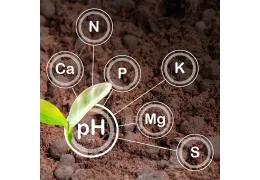
What is PPM? A Precision Guide to Nutrient Concentration for Growers
Read more
What if the line between a thriving crop and a burnt-out failure was a single, measurable number? You've followed the...
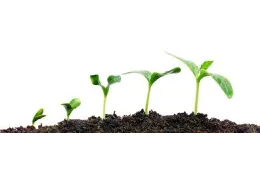
What Does a Plant Need to Survive and Grow? The 5 Pillars of Cultivation
Read more
Your plants don't need a complex cocktail of additives to thrive. In fact, over 60% of common cultivation issues like...
Popular posts
What is VPD ?
VPD controls how much water the plant loses, which controls cooling, nutrient uptake, stomatal behaviour, and...
Read more
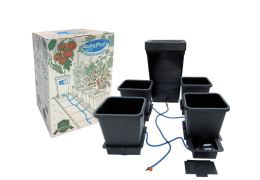
How to use autopot with Greenhouse Feeding mineral line
How to use autopot with Greenhouse Feeding mineral line
Read more
Featured posts
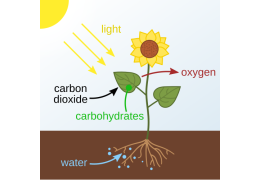
What Is Photosynthesis? And why is the most important thing on earth?
What Is Photosynthesis? And why is the most important thing on earth?
Read more
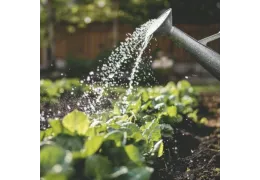
Irrigation method with lightmix (peat based substrate) + GHF Bioline (peat based substrate)
How to optimize your irrigation when using peat based substrate and organic dry amendment like our Bioline ?
Read more
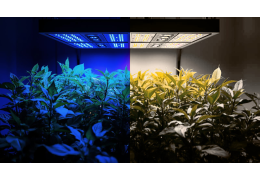
What is VPD ?
VPD controls how much water the plant loses, which controls cooling, nutrient uptake, stomatal behaviour, and...
Read more
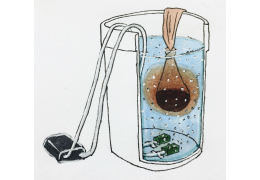
Extra mineral aerated compost tea
Extra mineral aerated compost tea (calcium and trace element)
Read more
Hydroponics: The Expert Guide to High-Performance Soil-Free Cultivation
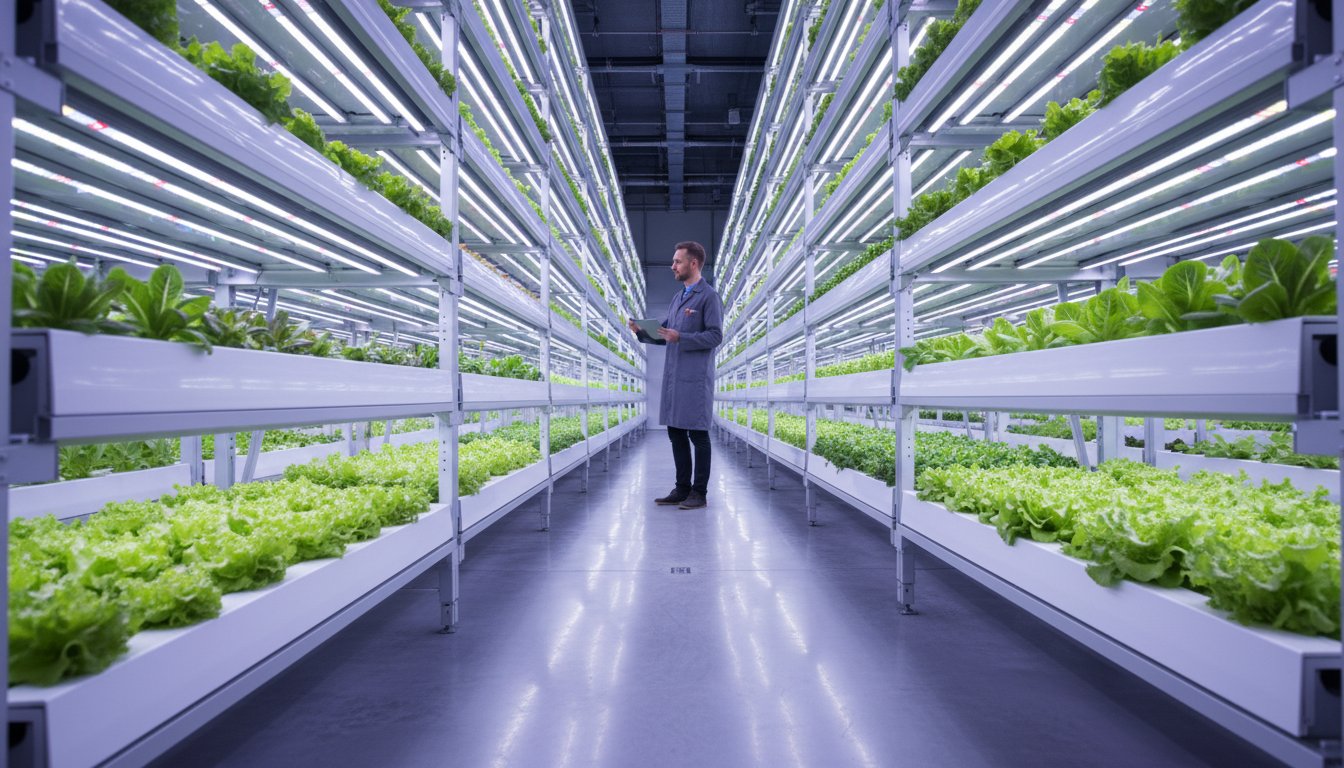
Complexity is the enemy of the modern grower. While traditional methods offer a safety net, hydroponics demands a level of precision that often leaves hobbyists and professionals alike buried under technical jargon. You've likely felt the frustration of balancing EC and PPM levels only to see your plants stall or your reservoir fail. It's a common hurdle, but it shouldn't be the standard in a professional environment. Data suggests that most growers spend 40% of their time troubleshooting issues that could be avoided with a more pragmatic approach to plant nutrition.
We agree that the science of soil-free cultivation should be accessible, not overwhelming. This guide will show you how to master the fundamental chemistry of plant life through simplified, high-performance feeding strategies that prioritize bio-availability and solubility. By the end of this article, you'll understand how to achieve a 25% increase in growth cycles and maximize your yield per square meter without the need for complex 12-part liquid schedules. We're breaking down everything from system stability to chelated micro-elements to ensure you have total control over your feeding program and plant health.
Key Takeaways
- Understand the fundamental science of soil-free cultivation and how nutrient-enriched water functions as the primary growth medium.
- Identify the ideal system architecture for your goals and unlock the secret of oxygen-rich root zones to accelerate plant development.
- Master the chemistry of bio-availability to ensure optimal NPK uptake and superior plant health throughout the life cycle.
- Learn to execute a high-performance hydroponics strategy through precise environmental control and logical substrate selection.
- Adopt a "Keep it Simple" philosophy using specialized powder formulas designed to eliminate guesswork and maximize professional yields.
What is Hydroponics? The Science of Soil-Free Growth
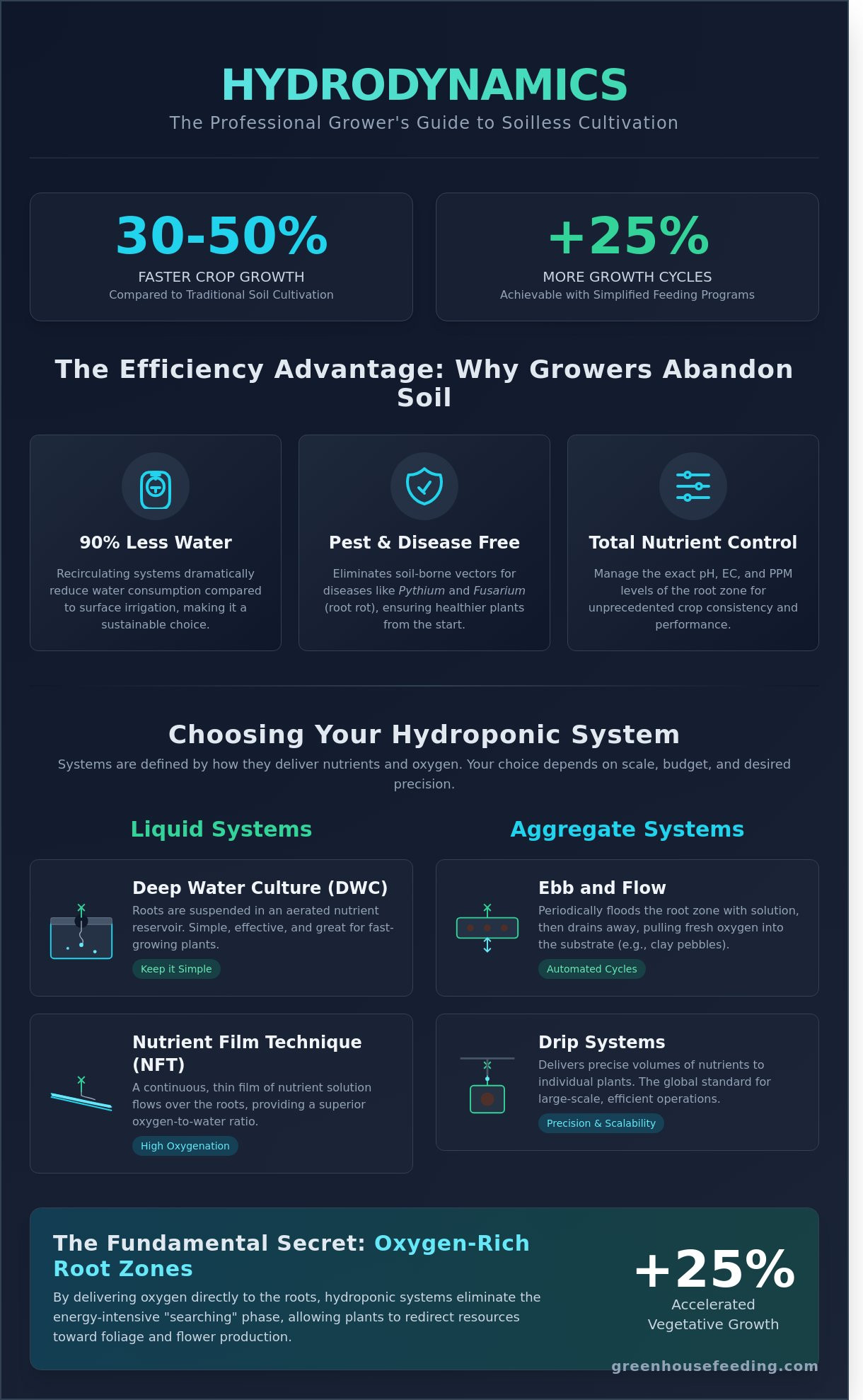
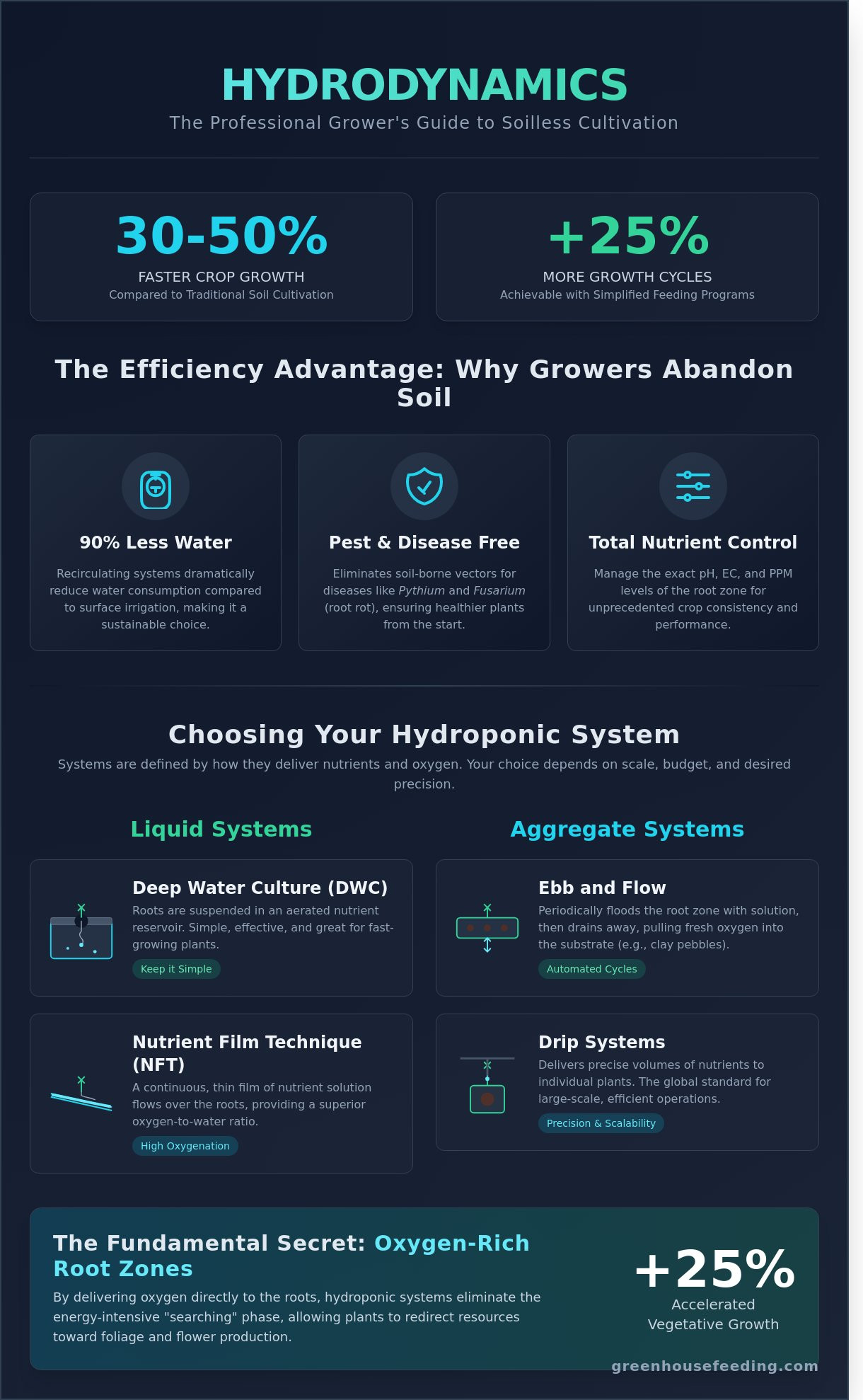
Hydroponics is the cultivation of plants in a nutrient-enriched water solution. The term stems from the Greek words hydro (water) and ponos (labor). It literally translates to "water-working." In traditional agriculture, plants expend massive amounts of metabolic energy developing "searching" root systems to locate minerals in the dirt. Hydroponic systems eliminate this struggle. We deliver a precise mineral-organic solution directly to the root zone. This ensures maximum bio-availability and allows the plant to redirect its energy toward foliage and flower production. Data shows that crops in a hydroponic environment grow 30% to 50% faster than those in soil.
The Evolution of Modern Soilless Culture
Soilless growth traces back to the Hanging Gardens of Babylon around 600 BCE. While the concept is ancient, 21st-century technology has refined it into a high-precision science. Commercial agriculture is currently pivoting toward vertical farming to solve land scarcity issues. The global vertical farming market reached a valuation of $5.1 billion in 2023. This shift emphasizes mineral solubility and environmental control. Modern growers prioritize efficiency. They use optimized Feeding schedules to achieve predictable, high-purity yields in any climate.
Why Efficiency-Minded Growers Abandon Soil
Soil is often a liability for the serious grower. It acts as a primary vector for destructive soil-borne pests and diseases. By removing the medium, you eliminate the risk of Pythium and Fusarium, which are responsible for most root rot cases in traditional greenhouses. Transitioning to hydroponics offers several operational advantages:
- Water Conservation: Recirculating systems use up to 90% less water than traditional surface irrigation.
- Total Control: You manage the exact pH and EC levels of the root zone for total crop consistency.
- Space Optimization: Faster growth cycles allow for more harvests per year in a smaller footprint.
This method isn't about complexity; it's about removing the variables that hinder plant performance. It's the most direct path to maximum yield. By focusing on the fundamental chemistry of the plant, you ensure that every drop of water and every gram of nutrient serves a purpose.
Hydroponic System Architectures: Active vs. Passive
Hydroponic systems are defined by how they deliver nutrients and oxygen to the root zone. These architectures fall into two primary categories: liquid and aggregate. Liquid systems eliminate the need for a substrate, allowing roots to hang directly in a nutrient-rich solution. Aggregate systems utilize inert materials like expanded clay, perlite, or rockwool to provide physical support. The fundamental "secret" to the success of hydroponics is oxygenation. By delivering oxygen directly to the roots, these systems can accelerate vegetative growth by 25% compared to traditional soil-based cultivation.
Growers must also distinguish between active and passive water movement. Active systems use mechanical pumps to move the nutrient solution, ensuring consistent delivery and high oxygen levels. Passive systems rely on capillary action or wicking. While passive setups are uncomplicated, they lack the precision required for high-performance commercial yields. Additionally, you must choose between recirculating (closed) and run-to-waste systems. Recirculating setups can reduce water consumption by 33%, though they require the grower to monitor pH and EC levels daily to ensure mineral balance remains optimal.
Popular Liquid Techniques: DWC and NFT
Deep Water Culture (DWC) represents the "Keep it Simple" philosophy. Roots are suspended in a reservoir of aerated nutrient solution. It is highly effective for fast-growing plants. Nutrient Film Technique (NFT) provides a continuous, thin film of solution over the roots, offering a superior oxygen-to-water ratio. For those seeking peak technical efficiency, Aeroponics mists the roots with high-pressure nozzles. This method offers the highest bio-availability of nutrients, though it requires precise maintenance to prevent nozzle clogging. To maintain system health, professional growers often rely on a highly soluble mineral feeding program to prevent residue buildup.
Aggregate Systems: Ebb and Flow vs. Drip
Ebb and Flow systems, also known as flood and drain, periodically submerge the root zone before allowing the solution to recede. This movement pulls fresh oxygen into the substrate, such as rockwool or coco coir. Drip systems offer surgical precision by delivering specific volumes of nutrients to individual plants via emitters. Drip irrigation is the global standard for large-scale facilities due to its scalability and efficiency. Your choice should depend on your available time; DWC is excellent for hobbyists, while Drip systems are the logical choice for those managing hundreds of plants in a limited space.
The Lifeblood: Nutrient Bio-availability and Water Chemistry
In hydroponics, the water serves as the primary medium for delivery, replacing the complex biological structure of soil. Water quality isn't a suggestion; it's the foundation of your yield. High-quality source water ensures that the minerals you add remain stable and accessible. If your water contains excessive carbonates or heavy metals, it will interfere with the mineral balance and trigger nutrient lockout.
Success depends on the precise delivery of NPK: Nitrogen for vegetative structure, Phosphorus for root development and energy transfer, and Potassium for water regulation and metabolic functions. In a soil-free environment, these must be immediately accessible. We prioritize chelated micro-elements. These are minerals wrapped in an organic molecule that prevents them from precipitating or "locking out" before the plant can absorb them. This ensures 100% bio-availability even when environmental conditions fluctuate.
Our philosophy is to "Keep it Simple." Mixing nutrients shouldn't require a chemistry degree. A streamlined feeding schedule reduces the margin for error and allows the grower to focus on plant health rather than complex math. Efficiency is the goal.
Mastering pH and EC for Optimal Feeding
pH acts as a gatekeeper. If the pH level is incorrect, the plant is effectively blind to the nutrients present in the solution. EC, or Electrical Conductivity, measures the total dissolved salts. It tells you the exact strength of your feed, ensuring you don't burn the roots with an over-concentration of minerals. Precision here prevents 95% of common growing failures.
The ideal pH range for most hydroponics crops remains strictly between 5.5 and 6.5.
The Powder Advantage: Stability and Solubility
Powdered nutrients offer 90% more efficiency in transport and storage compared to liquid counterparts. They don't contain added water, which reduces weight and extends shelf life to several years. High-purity powders dissolve completely, leaving 0% sediment in irrigation lines. This prevents clogging in drippers or sprayers, which is a common failure point in automated systems.
- Stability: Powders remain chemically inert until they hit the water.
- Purity: Mineral-organic hybrids provide the precision of mineral salts with the stability of organic acids.
- Economy: Lower shipping costs and higher concentration mean more value per liter of final solution.
Solubility is the metric that matters. A professional-grade powder leaves the reservoir crystal clear. This transparency is a sign of a well-formulated product that respects the mechanics of your system.
Practical Implementation: Setting Up for Success
Successful hydroponics relies on a streamlined, logical workflow. You must first select a system that fits your operational scale, then match it with a compatible substrate and a precise feeding schedule. Efficiency is the priority. Many growers hesitate because they fear the workload. However, modern automation reduces daily maintenance by 65% compared to manual soil cultivation. Simple dose controllers and automated timers manage the heavy lifting, ensuring your plants receive exactly what they need without constant manual intervention.
Environmental control dictates your ceiling for success. Precision is vital here. Maintain water temperatures between 18 and 22 degrees Celsius to ensure optimal dissolved oxygen levels. Ambient humidity should remain within a 45% to 60% range to prevent transpiration stress. Hygiene is non-negotiable. A clean reservoir prevents Pythium and other root-borne pathogens that can destroy a crop in 48 hours. Scrub your tanks and flush your lines every 10 to 14 days to maintain a sterile, high-performing environment. Keep it simple: a clean system is a productive system.
Choosing Your Growing Media (Substrates)
Your choice of media determines water retention and root zone oxygenation. Rockwool offers high water retention and excellent capillary action, making it ideal for automated drip systems. Coconut coir acts as a bridge between soil and hydroponics, providing a familiar texture with superior cation exchange capacity. For those prioritizing drainage, perlite and expanded clay pebbles maximize root aeration. These inert materials ensure that oxygen reaches the root tips, which is essential for the bio-availability of chelated micro-elements.
Common Pitfalls and How to Avoid Them
Precision prevents failure in a soil-free environment. Nutrient burn occurs when electrical conductivity (EC) levels exceed the plant's immediate uptake capacity. Always monitor your runoff and adjust your feeding concentration if EC climbs 0.5 points above your starting solution. Algae growth is another common hurdle. It thrives when light reaches your nutrient solution, so use opaque, UV-resistant reservoirs. Finally, avoid oxygen deprivation by sizing your air pumps correctly. A professional standard is to provide 1 liter of air per minute for every 4 liters of solution to maintain root health and vigor.
Maximize your efficiency by choosing mineral-organic nutrients designed for specific plant life cycles. Shop our highly soluble feeding range to achieve maximum yields with minimal complexity.
Streamlining Growth with Green House Feeding
Green House Feeding operates on a single, pragmatic principle: "Keep it Simple." Success in hydroponics shouldn't require a degree in analytical chemistry or a shelf full of redundant additives. Our specialized powder formulas, including Grow, Short Flowering, and Hybrids, eliminate the guesswork inherent in traditional multi-bottle regimes. These mineral-organic hybrids provide 100% of the necessary elements in a highly bio-available format. To ensure system stability, the Bio Enhancer integrates humic acids and seaweed extracts. This creates a robust biological buffer that protects your root zone from pH fluctuations and enhances nutrient uptake efficiency.
One-Part Simplicity vs. Complex Schedules
Managing a dozen liquid bottles is inefficient and prone to human error. Concentrated powders offer a 90% reduction in shipping weight and storage space compared to water-heavy liquid nutrients. This creates immediate economic benefits for any scale of operation. Our feeding charts provide a precise roadmap to automate your harvesting cycle; you simply follow the grams-per-liter measurements to maintain consistent EC levels. This streamlined approach allows hobbyists to achieve professional-grade consistency without the risk of mixing errors common in complex schedules. It's about precision through reduction.
Achieving the Plants Full Genetic Potential
Maximum yield is only one part of the equation for a master grower. We focus on the expression of the plant's full genetic potential, which manifests as denser flowers, higher terpene profiles, and more vibrant pigmentation. In RO (Reverse Osmosis) water setups, our Calcium additive is essential. It prevents localized deficiencies and strengthens cell walls, ensuring the structural integrity of heavy-fruiting plants. For those starting their first hydroponics crop, the Feeding Starter Kit provides every essential component in one calibrated package. It's the most direct path to mastering soil-free cultivation. Explore our Feeding Starter Kits to begin your hydroponic journey.
Mastering the Future of Precision Cultivation
Transitioning to hydroponics demands a shift from traditional guesswork to scientific precision. Success depends on two critical factors: the architecture of your system and the bio-availability of your nutrient solution. Professional cultivators in 100+ countries utilize these principles to maximize genetic potential. Since 2012, our Dutch formulations have secured 20+ international awards by focusing on 99.9% solubility and chelated micro-elements. You don't need a lab degree to achieve commercial-grade results. By reducing your input inventory from 10 bottles to a single, user-friendly powder, you eliminate the risk of pH fluctuations and nutrient lockout. This streamlined methodology ensures every plant receives the exact mineral-organic profile it requires for optimal development. Efficiency is the foundation of mastery. It's time to stop over-complicating your reservoir and start focusing on the harvest.
Simplify your grow with the Green House Feeding Starter Kit
Your journey toward a more efficient, high-yielding greenhouse starts with the right chemistry. We've done the research; you reap the rewards.
Frequently Asked Questions
Is hydroponics better than soil for beginners?
Hydroponics is often better for beginners because it eliminates soil-borne pests and provides total control over plant nutrition. You'll see growth rates increase by 30% to 50% compared to traditional soil methods. This efficiency comes from delivering chelated micro-elements directly to the root zone. Systems like Deep Water Culture offer a user-friendly entry point for those seeking maximum yield with minimal complexity. It's a streamlined way to master plant science quickly.
Can I grow organic plants in a hydroponic system?
You can grow organic plants using specialized mineral-organic feeding solutions designed for 100% water solubility. Traditional organic composts often clog irrigation lines, so professionals use refined bio-available extracts instead. These formulas meet strict horticultural standards while ensuring your system remains clean and functional. Proper filtration prevents the 15% to 20% yield drop often associated with poorly managed organic setups. It keeps the process efficient and productive without unnecessary mess.
How often should I change the water in my hydroponic reservoir?
Change your reservoir water every 7 to 14 days to prevent nutrient imbalances and pathogen buildup. As plants consume water, the concentration of salts increases, which can lead to toxicities if you don't manage it. A full reset every 2 weeks ensures optimal bio-availability of all essential elements. Monitor your EC levels daily; if the water volume drops by 20%, top it off with plain water before the next scheduled change.
What plants are best suited for hydroponic cultivation?
Leafy greens like Romaine lettuce and herbs like Genovese basil are the most efficient choices for a hydroponics setup. Lettuce reaches maturity in just 30 days, which is 10 days faster than soil-based alternatives. Professional growers also succeed with fruiting crops like tomatoes, provided they use specialized feeding for long-flowering cycles. These plants thrive when provided with a constant supply of oxygenated nutrient solution. It's about matching the delivery system to the plant's life cycle.
Do I need special lights for a hydroponic setup?
You need high-intensity discharge or full-spectrum LED lighting to replace natural sunlight in indoor environments. Aim for a minimum of 30 to 40 watts per square foot to ensure sufficient photosynthetic active radiation. Standard household bulbs lack the specific blue and red wavelengths required for robust vegetative growth and flowering. Investing in quality light ensures your plants reach their genetic potential for maximum yield. High-quality output requires professional-grade equipment.
How much does it cost to start a small hydroponic garden?
A basic, functional setup typically costs between $100 and $250 depending on the system type you choose. A single-site Deep Water Culture kit costs approximately $85, while a high-quality LED light adds another $120 to your initial investment. These costs are often recouped within 2 to 3 harvest cycles due to the increased efficiency of the feeding process. Keep it simple by starting with a small footprint to minimize your upfront expenses.
What is the difference between active and passive hydroponics?
Active systems use mechanical pumps to move nutrient solution, while passive systems rely on capillary action or gravity. An active Ebb and Flow system might cycle 4 to 6 times daily to oxygenate the roots effectively. Passive methods, such as the Kratky technique, require no electricity but offer less control over the root environment. Most commercial operations prefer active systems because they provide a 25% increase in growth speed through superior aeration and nutrient delivery.
Is hydroponically grown food healthy and safe to eat?
Hydroponically grown food is healthy and safe, often containing higher vitamin levels than soil-grown counterparts. Research indicates that controlled feeding allows for precise nutrient density, resulting in up to 20% more Vitamin C in certain crops. Because there's no soil, you eliminate the risk of E. coli or heavy metal contamination often found in traditional fields. It's a clean, pragmatic approach to producing high-quality food for your family. Scientific reliability ensures the purity of every harvest.
FAQ
The Evolution of Modern Soilless Culture
Soilless growth traces back to the Hanging Gardens of Babylon around 600 BCE. While the concept is ancient, 21st-century technology has refined it into a high-precision science. Commercial agriculture is currently pivoting toward vertical farming to solve land scarcity issues. The global vertical farming market reached a valuation of $5.1 billion in 2023. This shift emphasizes mineral solubility and environmental control. Modern growers prioritize efficiency. They use optimized Feeding schedules to achieve predictable, high-purity yields in any climate.
Why Efficiency-Minded Growers Abandon Soil
Soil is often a liability for the serious grower. It acts as a primary vector for destructive soil-borne pests and diseases. By removing the medium, you eliminate the risk of Pythium and Fusarium, which are responsible for most root rot cases in traditional greenhouses. Transitioning to hydroponics offers several operational advantages: This method isn't about complexity; it's about removing the variables that hinder plant performance. It's the most direct path to maximum yield. By focusing on the fundamental chemistry of the plant, you ensure that every drop of water and every gram of nutrient serves a purpose. Hydroponic systems are defined by how they deliver nutrients and oxygen to the root zone. These architectures fall into two primary categories: liquid and aggregate. Liquid systems eliminate the need for a substrate, allowing roots to hang directly in a nutrient-rich solution. Aggregate systems utilize inert materials like expanded clay, perlite, or rockwool to provide physical support. The fundamental "secret" to the success of hydroponics is oxygenation. By delivering oxygen directly to the roots, these systems can accelerate vegetative growth by 25% compared to traditional soil-based cultivation. Growers must also distinguish between active and passive water movement. Active systems use mechanical pumps to move the nutrient solution, ensuring consistent delivery and high oxygen levels. Passive systems rely on capillary action or wicking. While passive setups are uncomplicated, they lack the precision required for high-performance commercial yields. Additionally, you must choose between recirculating (closed) and run-to-waste systems. Recirculating setups can reduce water consumption by 33%, though they require the grower to monitor pH and EC levels daily to ensure mineral balance remains optimal.
Popular Liquid Techniques: DWC and NFT
Deep Water Culture (DWC) represents the "Keep it Simple" philosophy. Roots are suspended in a reservoir of aerated nutrient solution. It is highly effective for fast-growing plants. Nutrient Film Technique (NFT) provides a continuous, thin film of solution over the roots, offering a superior oxygen-to-water ratio. For those seeking peak technical efficiency, Aeroponics mists the roots with high-pressure nozzles. This method offers the highest bio-availability of nutrients, though it requires precise maintenance to prevent nozzle clogging. To maintain system health, professional growers often rely on a highly soluble mineral feeding program to prevent residue buildup.
Aggregate Systems: Ebb and Flow vs. Drip
Ebb and Flow systems, also known as flood and drain, periodically submerge the root zone before allowing the solution to recede. This movement pulls fresh oxygen into the substrate, such as rockwool or coco coir. Drip systems offer surgical precision by delivering specific volumes of nutrients to individual plants via emitters. Drip irrigation is the global standard for large-scale facilities due to its scalability and efficiency. Your choice should depend on your available time; DWC is excellent for hobbyists, while Drip systems are the logical choice for those managing hundreds of plants in a limited space. In hydroponics, the water serves as the primary medium for delivery, replacing the complex biological structure of soil. Water quality isn't a suggestion; it's the foundation of your yield. High-quality source water ensures that the minerals you add remain stable and accessible. If your water contains excessive carbonates or heavy metals, it will interfere with the mineral balance and trigger nutrient lockout. Success depends on the precise delivery of NPK: Nitrogen for vegetative structure, Phosphorus for root development and energy transfer, and Potassium for water regulation and metabolic functions. In a soil-free environment, these must be immediately accessible. We prioritize chelated micro-elements. These are minerals wrapped in an organic molecule that prevents them from precipitating or "locking out" before the plant can absorb them. This ensures 100% bio-availability even when environmental conditions fluctuate. Our philosophy is to "Keep it Simple." Mixing nutrients shouldn't require a chemistry degree. A streamlined feeding schedule reduces the margin for error and allows the grower to focus on plant health rather than complex math. Efficiency is the goal.
Mastering pH and EC for Optimal Feeding
pH acts as a gatekeeper. If the pH level is incorrect, the plant is effectively blind to the nutrients present in the solution. EC, or Electrical Conductivity, measures the total dissolved salts. It tells you the exact strength of your feed, ensuring you don't burn the roots with an over-concentration of minerals. Precision here prevents 95% of common growing failures. The ideal pH range for most hydroponics crops remains strictly between 5.5 and 6.5.
The Powder Advantage: Stability and Solubility
Powdered nutrients offer 90% more efficiency in transport and storage compared to liquid counterparts. They don't contain added water, which reduces weight and extends shelf life to several years. High-purity powders dissolve completely, leaving 0% sediment in irrigation lines. This prevents clogging in drippers or sprayers, which is a common failure point in automated systems. Solubility is the metric that matters. A professional-grade powder leaves the reservoir crystal clear. This transparency is a sign of a well-formulated product that respects the mechanics of your system. Successful hydroponics relies on a streamlined, logical workflow. You must first select a system that fits your operational scale, then match it with a compatible substrate and a precise feeding schedule. Efficiency is the priority. Many growers hesitate because they fear the workload. However, modern automation reduces daily maintenance by 65% compared to manual soil cultivation. Simple dose controllers and automated timers manage the heavy lifting, ensuring your plants receive exactly what they need without constant manual intervention. Environmental control dictates your ceiling for success. Precision is vital here. Maintain water temperatures between 18 and 22 degrees Celsius to ensure optimal dissolved oxygen levels. Ambient humidity should remain within a 45% to 60% range to prevent transpiration stress. Hygiene is non-negotiable. A clean reservoir prevents Pythium and other root-borne pathogens that can destroy a crop in 48 hours. Scrub your tanks and flush your lines every 10 to 14 days to maintain a sterile, high-performing environment. Keep it simple: a clean system is a productive system.
Choosing Your Growing Media (Substrates)
Your choice of media determines water retention and root zone oxygenation. Rockwool offers high water retention and excellent capillary action, making it ideal for automated drip systems. Coconut coir acts as a bridge between soil and hydroponics, providing a familiar texture with superior cation exchange capacity. For those prioritizing drainage, perlite and expanded clay pebbles maximize root aeration. These inert materials ensure that oxygen reaches the root tips, which is essential for the bio-availability of chelated micro-elements.
Common Pitfalls and How to Avoid Them
Precision prevents failure in a soil-free environment. Nutrient burn occurs when electrical conductivity (EC) levels exceed the plant's immediate uptake capacity. Always monitor your runoff and adjust your feeding concentration if EC climbs 0.5 points above your starting solution. Algae growth is another common hurdle. It thrives when light reaches your nutrient solution, so use opaque, UV-resistant reservoirs. Finally, avoid oxygen deprivation by sizing your air pumps correctly. A professional standard is to provide 1 liter of air per minute for every 4 liters of solution to maintain root health and vigor. Maximize your efficiency by choosing mineral-organic nutrients designed for specific plant life cycles. Shop our highly soluble feeding range to achieve maximum yields with minimal complexity. Green House Feeding operates on a single, pragmatic principle: "Keep it Simple." Success in hydroponics shouldn't require a degree in analytical chemistry or a shelf full of redundant additives. Our specialized powder formulas, including Grow, Short Flowering, and Hybrids, eliminate the guesswork inherent in traditional multi-bottle regimes. These mineral-organic hybrids provide 100% of the necessary elements in a highly bio-available format. To ensure system stability, the Bio Enhancer integrates humic acids and seaweed extracts. This creates a robust biological buffer that protects your root zone from pH fluctuations and enhances nutrient uptake efficiency.
One-Part Simplicity vs. Complex Schedules
Managing a dozen liquid bottles is inefficient and prone to human error. Concentrated powders offer a 90% reduction in shipping weight and storage space compared to water-heavy liquid nutrients. This creates immediate economic benefits for any scale of operation. Our feeding charts provide a precise roadmap to automate your harvesting cycle; you simply follow the grams-per-liter measurements to maintain consistent EC levels. This streamlined approach allows hobbyists to achieve professional-grade consistency without the risk of mixing errors common in complex schedules. It's about precision through reduction.
Achieving the Plants Full Genetic Potential
Maximum yield is only one part of the equation for a master grower. We focus on the expression of the plant's full genetic potential, which manifests as denser flowers, higher terpene profiles, and more vibrant pigmentation. In RO (Reverse Osmosis) water setups, our Calcium additive is essential. It prevents localized deficiencies and strengthens cell walls, ensuring the structural integrity of heavy-fruiting plants. For those starting their first hydroponics crop, the Feeding Starter Kit provides every essential component in one calibrated package. It's the most direct path to mastering soil-free cultivation. Explore our Feeding Starter Kits to begin your hydroponic journey. Transitioning to hydroponics demands a shift from traditional guesswork to scientific precision. Success depends on two critical factors: the architecture of your system and the bio-availability of your nutrient solution. Professional cultivators in 100+ countries utilize these principles to maximize genetic potential. Since 2012, our Dutch formulations have secured 20+ international awards by focusing on 99.9% solubility and chelated micro-elements. You don't need a lab degree to achieve commercial-grade results. By reducing your input inventory from 10 bottles to a single, user-friendly powder, you eliminate the risk of pH fluctuations and nutrient lockout. This streamlined methodology ensures every plant receives the exact mineral-organic profile it requires for optimal development. Efficiency is the foundation of mastery. It's time to stop over-complicating your reservoir and start focusing on the harvest. Simplify your grow with the Green House Feeding Starter Kit Your journey toward a more efficient, high-yielding greenhouse starts with the right chemistry. We've done the research; you reap the rewards.
Is hydroponics better than soil for beginners?
Hydroponics is often better for beginners because it eliminates soil-borne pests and provides total control over plant nutrition. You'll see growth rates increase by 30% to 50% compared to traditional soil methods. This efficiency comes from delivering chelated micro-elements directly to the root zone. Systems like Deep Water Culture offer a user-friendly entry point for those seeking maximum yield with minimal complexity. It's a streamlined way to master plant science quickly.
Can I grow organic plants in a hydroponic system?
You can grow organic plants using specialized mineral-organic feeding solutions designed for 100% water solubility. Traditional organic composts often clog irrigation lines, so professionals use refined bio-available extracts instead. These formulas meet strict horticultural standards while ensuring your system remains clean and functional. Proper filtration prevents the 15% to 20% yield drop often associated with poorly managed organic setups. It keeps the process efficient and productive without unnecessary mess.
How often should I change the water in my hydroponic reservoir?
Change your reservoir water every 7 to 14 days to prevent nutrient imbalances and pathogen buildup. As plants consume water, the concentration of salts increases, which can lead to toxicities if you don't manage it. A full reset every 2 weeks ensures optimal bio-availability of all essential elements. Monitor your EC levels daily; if the water volume drops by 20%, top it off with plain water before the next scheduled change.
What plants are best suited for hydroponic cultivation?
Leafy greens like Romaine lettuce and herbs like Genovese basil are the most efficient choices for a hydroponics setup. Lettuce reaches maturity in just 30 days, which is 10 days faster than soil-based alternatives. Professional growers also succeed with fruiting crops like tomatoes, provided they use specialized feeding for long-flowering cycles. These plants thrive when provided with a constant supply of oxygenated nutrient solution. It's about matching the delivery system to the plant's life cycle.
Do I need special lights for a hydroponic setup?
You need high-intensity discharge or full-spectrum LED lighting to replace natural sunlight in indoor environments. Aim for a minimum of 30 to 40 watts per square foot to ensure sufficient photosynthetic active radiation. Standard household bulbs lack the specific blue and red wavelengths required for robust vegetative growth and flowering. Investing in quality light ensures your plants reach their genetic potential for maximum yield. High-quality output requires professional-grade equipment.
How much does it cost to start a small hydroponic garden?
A basic, functional setup typically costs between $100 and $250 depending on the system type you choose. A single-site Deep Water Culture kit costs approximately $85, while a high-quality LED light adds another $120 to your initial investment. These costs are often recouped within 2 to 3 harvest cycles due to the increased efficiency of the feeding process. Keep it simple by starting with a small footprint to minimize your upfront expenses.
What is the difference between active and passive hydroponics?
Active systems use mechanical pumps to move nutrient solution, while passive systems rely on capillary action or gravity. An active Ebb and Flow system might cycle 4 to 6 times daily to oxygenate the roots effectively. Passive methods, such as the Kratky technique, require no electricity but offer less control over the root environment. Most commercial operations prefer active systems because they provide a 25% increase in growth speed through superior aeration and nutrient delivery.
Is hydroponically grown food healthy and safe to eat?
Hydroponically grown food is healthy and safe, often containing higher vitamin levels than soil-grown counterparts. Research indicates that controlled feeding allows for precise nutrient density, resulting in up to 20% more Vitamin C in certain crops. Because there's no soil, you eliminate the risk of E. coli or heavy metal contamination often found in traditional fields. It's a clean, pragmatic approach to producing high-quality food for your family. Scientific reliability ensures the purity of every harvest.
Leave a comment
Log in to post comments