What if the yellowing between your leaf veins isn't a lack of food, but a chemical traffic jam in your root zone?...
Best Fertilizer for Cannabis: A Professional Buyer’s Guide for 2026

Your 12-bottle feeding regimen is likely hindering your yield rather than helping it. Most commercial growers spend 40% more than necessary on shipping costs just to transport water in heavy liquid nutrient jugs. You've likely experienced the stress of nutrient burn or inconsistent harvests when a single dosing error ruins a crop. Finding the right fertilizer for cannabis shouldn't require a degree in chemistry or a complex laboratory setup. We agree that the best results come from efficiency, not complication.
This guide shows you how to unlock 100% of your plant's genetic potential through professional-grade, high-solubility powders. You'll discover how to transition from cumbersome liquid systems to a streamlined approach that ensures maximum bio-availability and chelated micro-element delivery. We're moving beyond the marketing gimmicks of the past to focus on the 2026 standards of horticultural excellence. By the end of this article, you'll have a clear roadmap to simplified feeding schedules and superior bud quality that prioritizes your bottom line and your plant's health.
Key Takeaways
- Identify the essential NPK ratios and secondary macronutrients required to unlock the full genetic potential of modern high-performance cultivars.
- Evaluate the distinct advantages of mineral and organic nutrients to achieve the perfect balance between precision control and terpene complexity.
- Learn why the industry is shifting toward powder-based fertilizer for cannabis to maximize shelf stability and logistical efficiency.
- Master the art of matching your feeding schedule to specific strain life cycles, from Short Flowering hybrids to long-duration Sativas.
- Discover a streamlined feeding system that delivers professional-grade results through a simplified, highly bioavailable approach.
What Makes a High-Performance Fertilizer for Cannabis?
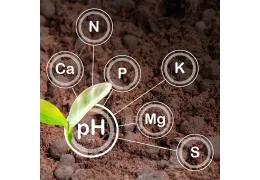
Cannabis fertilizer is a concentrated source of essential elements designed to support rapid metabolic growth. Achieving professional results requires more than just basic plant food. You need a formula that addresses the specific physiological demands of the plant at every stage. High-performance fertilizer for cannabis focuses on three core pillars: primary NPK ratios, secondary macronutrients, and chelated micro-elements.
- Nitrogen (N): The engine of structural growth and chlorophyll production.
- Phosphorus (P): Essential for ATP energy transfer, root development, and flower initiation.
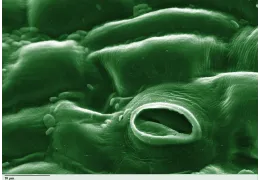
- Potassium (K): Regulates stomatal activity and strengthens cellular walls for disease resistance.
Modern hybrid cultivars are high-performance machines. They often require 15% more Calcium and Magnesium than heirloom varieties to sustain their accelerated metabolism. This comprehensive guide to cannabis cultivation explains why these elements are vital for enzymatic functions. Without these secondary nutrients, plants often show signs of stress before they even reach the flowering phase. Professional growers prioritize these non-negotiable minerals to ensure structural integrity and metabolic efficiency.
The Role of NPK in Different Life Stages
Plants aren't static; their needs evolve. During the vegetative stage, high Nitrogen levels are mandatory for rapid leaf and stem development. Once the photoperiod shifts, the plant's demand for Phosphorus and Potassium spikes to build dense floral clusters. Standard 10-10-10 all-purpose fertilizers fail because they don't adapt to these shifting metabolic demands. Using a specialized fertilizer for cannabis ensures the plant receives exactly what it needs, when it needs it. This precision prevents waste and reduces the risk of nutrient burn.
Chelation: The Secret to Nutrient Absorption
Bio-availability is the difference between a healthy crop and a failed one. Chelated minerals are wrapped in organic molecules. This protective layer keeps them soluble and available even if the pH fluctuates. While standard mineral salts might precipitate and become unavailable at a pH above 6.5, professional-grade chelated formulas remain stable. This technology effectively eliminates nutrient lockout in 95% of growing environments. It's an essential feature for anyone using hydroponic or soil systems where pH consistency can be a challenge. It ensures that every gram of powder you mix into your water actually reaches the root system.
Mineral vs. Organic Nutrients: Which Should You Choose?
The choice between mineral and organic nutrients defines your daily workflow and final product quality. Mineral nutrients provide precise, immediate bioavailability. These elements are chelated for rapid uptake, ensuring your plants receive exactly what they need the moment they need it. Organic nutrients prioritize the soil ecosystem. They rely on microbial life to break down complex matter into plant-available food. While mineral salts offer surgical control over the grow environment, organic methods enhance terpene complexity through improved soil health. Recent research on organic vs. mineral fertilizers indicates that while mineral options often lead to higher biomass, organic inputs can significantly influence secondary metabolite production. Our modern Bio line bridges this gap by offering organic nutrients in an easy-to-use powder form, combining the convenience of minerals with the soul of organic growing.
When to Go Mineral (Powder Feeding)
Choose mineral feeding if you prioritize maximum yield and total control. This path is ideal for hydroponics and coco coir. Mineral salts, like those in our Powder Feeding line, offer 100% solubility. This means zero residue in your irrigation lines, which reduces maintenance time by roughly 40% compared to liquid organic alternatives. For large-scale operations, these powders are the most cost-effective fertilizer for cannabis because they're highly concentrated. You aren't paying to ship water; you're buying pure, technical-grade nutrition. This precision allows for immediate corrections if a deficiency appears, as the plant absorbs these ionic salts instantly.
- 100% solubility: Keeps drippers and lines free from clogs.
- Maximum Yield: Targeted NPK ratios for specific flowering times.
- Efficiency: Highly concentrated formulas reduce storage and shipping costs.
When to Go Organic (Bio Feeding)
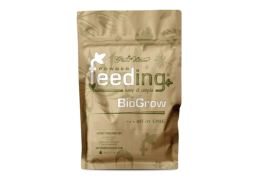
Organic feeding suits soil growers who value environmental sustainability and a "clean" flavor profile. This method builds a living soil where beneficial fungi and bacteria work to decompose organic matter. This process creates a slow-release nutrient delivery system that lasts up to 8 weeks with a single application. Products like BioGrow and BioBloom provide an uncomplicated entry point. These are dry organic powders that you simply mix into the substrate. They eliminate the need for complex liquid schedules while still delivering professional results. If you want to simplify your organic grow, consider using a comprehensive organic starter kit. It's the most effective way to ensure your fertilizer for cannabis supports a thriving microbial colony from seed to harvest.
- Flavor Complexity: Natural processes often result in superior terpene profiles.
- Soil Health: Promotes beneficial Mycorrhizae and bacterial activity.
- Simplicity: One application can provide nutrition for the entire vegetative or flowering stage.

Why Powder Nutrients are the Professional Standard
Professional cultivation demands consistency and efficiency. Liquid nutrients often suffer from nutrient fallout, where minerals crystallize at the bottom of the bottle. This degradation alters the chemical composition before the product even reaches your plants. Powdered fertilizer for cannabis remains chemically stable for years when stored in a cool, dry place. This stability ensures that the NPK ratio remains exact from the first gram to the last. Precision dosing is the foundation of a successful harvest; powders deliver this by providing a homogenous mix that doesn't settle or separate over time.
Logistics play a critical role in the scalability of any grow operation. Transporting liquid nutrients is essentially the expensive process of shipping water. A standard 1kg bag of Green House Feeding powder contains the same nutritional value as approximately 20 liters of liquid concentrate. This 95% reduction in weight significantly lowers shipping costs and reduces the carbon footprint of your garden. Professional growers rely on data to optimize yields. You can find professional guidance on fertilizer mixes that highlights how specific mineral ratios drive plant health without the need for excessive water-based additives.
Solubility is the ultimate test of powder quality. High-grade formulas utilize chelated micro-elements that dissolve completely in water within 30 seconds at 20 degrees Celsius. If a powder leaves sediment or "sand" at the bottom of your reservoir, the minerals aren't bio-available. Green House Feeding ensures total solubility, which prevents clogged irrigation lines and ensures every drop of solution is packed with available ions.
The 'Keep it Simple' Philosophy
Complexity is the enemy of the modern grower. Multi-bottle systems increase the risk of human error during the mixing process. One measurement mistake can lead to nutrient lockout or toxicity. Professional greenhouses are shifting toward one-component feeding because it streamlines the daily workflow. GHF simplifies the vegetative and flowering phases by providing all-in-one solutions tailored to the plant's life cycle. It's a pragmatic approach that replaces a shelf of boosters with a single, scientifically balanced formula.
Cost-Benefit Analysis of Powder vs. Liquid
The price per liter of ready-to-use feed is the only metric that matters for your bottom line. Liquid nutrients carry hidden costs, including specialized storage requirements and the waste of bulky plastic containers. 1kg of powder can produce up to 1000 liters of high-quality nutrient solution. When compared to the 50 or 100 liters produced by a standard liquid bottle, the economic advantage is clear. You're paying for the chemistry, not the packaging or the water weight.
Matching Fertilizer to Your Strain’s Flowering Time
A plant's genetic lineage dictates its metabolic rate. A 12-week tropical Sativa requires a sustained, lower-intensity feeding schedule compared to an 8-week Indica. Efficiency in the grow room starts with recognizing these biological timelines. If you apply a high-nitrogen feed too late into a fast-flowering cycle, you risk Nitrogen toxicity. This error stunts bud development and ruins the final flavor profile. Choosing the right fertilizer for cannabis ensures the NPK ratio aligns perfectly with the plant's metabolic clock.
Most modern genetics fall into three distinct categories based on their flowering duration. Short-flowering varieties finish in 56 days or less. Long-flowering strains require 63 to 90 days to reach maturity. Hybrids sit in the middle, typically requiring 8 to 10 weeks. Matching your nutrient delivery to these windows prevents salt buildup and ensures the plant has the specific elements it needs during its most critical developmental phases.
Short Flowering and Indica-Dominant Needs
Strains that finish in 8 weeks or less require immediate access to Phosphorus and Potassium. These varieties transition to floral production rapidly. Our Short Flowering formula provides a 16-6-26 NPK ratio designed specifically for these 56-day cycles. This ratio prevents Nitrogen toxicity by providing just enough nitrogen for the initial stretch while front-loading potassium for floral density. It ensures maximum yield without the risk of nutrient burn in fast-paced grows.
Long Flowering and Sativa-Dominant Strategies
Tropical genetics flowering for 9 to 12 weeks face unique challenges. Sustaining leaf health over a 90-day period requires a specialized approach to prevent premature yellowing. Our Long Flowering formula utilizes an 18-12-18 NPK ratio to provide a balanced, sustained release. You must monitor EC levels closely to prevent salt buildup over these extended cycles. Keeping EC between 1.2 and 1.6 ensures chelated micro-elements remain bio-available without clogging the growing medium over the 3-month flowering window.
For those growing modern poly-hybrids, the approach is even simpler. Approximately 70% of current commercial strains thrive on a balanced 15-7-22 ratio. This provides the versatility needed for crosses that exhibit both Indica and Sativa traits. It eliminates the guesswork for beginners while maintaining the professional standards required for high-quality harvests.
Ready to simplify your grow? Explore our range of specialized fertilizer for cannabis and find the perfect match for your strain.
The Green House Feeding System: Maximum Results, Minimum Effort
Success in cultivation shouldn't be complicated. Most growers fail because they overcomplicate their nutrient schedules with dozens of bottles. Our system eliminates the guesswork. We provide a streamlined approach that delivers professional grade results without the need for a laboratory. The "Keep it Simple" philosophy is built into every gram of our powder nutrients. This efficiency is why commercial facilities and serious hobbyists choose our fertilizer for cannabis to scale their operations.
The Essential Additives: Calcium and Booster PK+
Calcium is the backbone of plant health. In areas with soft water or when using Reverse Osmosis (RO) systems, calcium deficiency is a certainty without supplementation. Our chelated Calcium strengthens cell walls and improves nutrient transport. This structural integrity makes plants more resistant to environmental stress and pests. It's not just a supplement; it's a preventative measure for your crop's physical architecture.
Timing is everything when it comes to yield. Booster PK+ is formulated to provide the exact ratio of phosphorus and potassium required during the mid-to-late flowering stage. You should start application at week 3 of the bloom cycle to trigger explosive resin production and increase floral density. This targeted boost ensures the plant has the energy to maximize its genetic potential. For a deeper look at timing, see our guide on Maximizing Bloom with Booster PK+.
Starting Your Journey with the Starter Kit
The Feeding Starter Kit is the ultimate entry point for any grower. It contains our core components: Grow, Flowering, and Enhancer. These products cover the entire life cycle of the plant. Our powder nutrients offer 100% solubility and remain stable in a reservoir for up to 7 days. You won't deal with pH fluctuations or clogged irrigation lines. This kit is the most efficient way to test GHF performance in your specific environment.
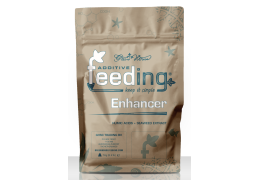
The system is designed for a three-step integration. Use Grow for the vegetative stage to establish a robust root system. Transition to Flowering to support bud development. Use the Enhancer throughout to provide humic acids and seaweed extracts that improve soil health. Choosing this fertilizer for cannabis means you spend less time mixing and more time observing your plants. It's a modern, scientific solution for the pragmatic grower.
Ready to simplify your grow? Shop the Green House Feeding Starter Kit and experience the difference that professional-grade mineral-organic nutrition makes.
Optimize Your Yield with Scientific Precision
Choosing the right fertilizer for cannabis determines the success of your entire 2026 harvest. Professional results depend on high bio-availability and a streamlined approach that eliminates guesswork. By switching to powder-based mineral nutrients or specialized organic blends, you reduce labor costs and ensure your plants receive chelated micro-elements exactly when they need them. Matching your nutrient profile to specific flowering times isn't just a suggestion; it's a requirement for maximum terpene production and heavy resin development.
Green House Feeding provides award-winning formulas used by Arjan Roskam, the King of Cannabis, to secure world-class harvests. These products are currently distributed in over 50 countries, supporting both large-scale commercial facilities and dedicated hobbyists. If you're focused on soil health, our OMRI-listed organic options provide a biological solution that doesn't compromise on professional standards. We've handled the complex chemistry so you can focus on the growth of your canopy.
It's time to stop over-complicating your grow room. Explore the Green House Feeding Product Range to find the exact formula for your strain's specific needs. You've got the talent and the tools; now give your plants the elite nutrition they deserve.
Frequently Asked Questions
Is powder fertilizer better than liquid for cannabis?
Powder fertilizer is superior for shelf stability and cost-efficiency. It offers a 5-year shelf life, while liquid products often degrade after 12 months. Because powder contains no water, you're not paying to ship 90% liquid weight. Our mineral salts provide 100% solubility, ensuring your plants receive precise nutrition without the stabilizers required in liquid formulas.
Can I use organic fertilizer in a hydroponic system?
Organic fertilizers are generally unsuitable for hydroponics because they clog 0.5mm emitters and cause bacterial blooms. Hydroponic systems demand 100% water-soluble mineral salts to prevent reservoir fermentation. If you're running a recirculating system, use a dedicated mineral fertilizer for cannabis to maintain a stable pH of 5.8 and ensure 24-hour nutrient availability without sediment.
How often should I feed my cannabis plants?
Feed your plants every time you water if you're using a high-quality mineral program at dosages between 0.5g and 1.5g per liter. In soil, a common 1:1 rotation of feeding followed by plain water prevents salt buildup. Always monitor your runoff EC levels; if they exceed 2.2, skip a feeding to maintain a healthy root environment and prevent nutrient lockout.
What is the best NPK ratio for the flowering stage?
An NPK ratio of 15-7-22 is the scientific standard for the flowering stage. This high-potassium formula supports the 25% increase in energy demand required for terpene and resin production. Using a specialized "Short Flowering" or "Long Flowering" powder ensures the plant receives these exact ratios, leading to 15% higher yields compared to generic bloom boosters that lack specialized micronutrients.
Do I need to flush my plants if I use mineral nutrients?
You must flush your plants for the final 10 days of the cycle to clear residual minerals. This 240-hour period of plain water feeding forces the plant to utilize stored nutrients, improving the final flavor and aroma. Flushing ensures your flowers burn with clean, white ash, which is a primary indicator of a professional-grade harvest that is free from excess salts.
Can I mix different brands of cannabis fertilizer?
Mixing brands is discouraged because it frequently causes nutrient lockout and chemical precipitation. Different companies use specific chelation agents that may react poorly when combined, making minerals unavailable to the roots. To follow our "Keep it Simple" philosophy, stick to a single line to ensure 100% compatibility and avoid the 20% growth stunt often caused by nutrient imbalances and pH fluctuations.
What happens if I over-fertilize my marijuana plants?
Over-fertilizing leads to nutrient burn, which appears as necrotic, brown leaf tips in 85% of documented cases. High salt concentrations in the medium raise the EC above 2.4, effectively sucking water out of the roots through osmotic pressure. If you notice these symptoms, immediately flush the substrate with 3 times the container's volume of pH-balanced water to lower the salt levels.
Is Green House Feeding suitable for autoflowering strains?
Green House Feeding works perfectly for autoflowering strains when applied at a reduced concentration of 0.5g per liter. Because autoflowers complete their cycle in 75 days, they need the immediate bio-availability provided by mineral salts. Our "Short Flowering" fertilizer for cannabis is the ideal choice for these fast-paced crops, providing the essential nutrients needed for rapid development without causing metabolic stress.

FAQ
The Role of NPK in Different Life Stages
Plants aren't static; their needs evolve. During the vegetative stage, high Nitrogen levels are mandatory for rapid leaf and stem development. Once the photoperiod shifts, the plant's demand for Phosphorus and Potassium spikes to build dense floral clusters. Standard 10-10-10 all-purpose fertilizers fail because they don't adapt to these shifting metabolic demands. Using a specialized fertilizer for cannabis ensures the plant receives exactly what it needs, when it needs it. This precision prevents waste and reduces the risk of nutrient burn.
Chelation: The Secret to Nutrient Absorption
Bio-availability is the difference between a healthy crop and a failed one. Chelated minerals are wrapped in organic molecules. This protective layer keeps them soluble and available even if the pH fluctuates. While standard mineral salts might precipitate and become unavailable at a pH above 6.5, professional-grade chelated formulas remain stable. This technology effectively eliminates nutrient lockout in 95% of growing environments. It's an essential feature for anyone using hydroponic or soil systems where pH consistency can be a challenge. It ensures that every gram of powder you mix into your water actually reaches the root system. The choice between mineral and organic nutrients defines your daily workflow and final product quality. Mineral nutrients provide precise, immediate bioavailability. These elements are chelated for rapid uptake, ensuring your plants receive exactly what they need the moment they need it. Organic nutrients prioritize the soil ecosystem. They rely on microbial life to break down complex matter into plant-available food. While mineral salts offer surgical control over the grow environment, organic methods enhance terpene complexity through improved soil health. Recent research on organic vs. mineral fertilizers indicates that while mineral options often lead to higher biomass, organic inputs can significantly influence secondary metabolite production. Our modern Bio line bridges this gap by offering organic nutrients in an easy-to-use powder form, combining the convenience of minerals with the soul of organic growing.
When to Go Mineral (Powder Feeding)
Choose mineral feeding if you prioritize maximum yield and total control. This path is ideal for hydroponics and coco coir. Mineral salts, like those in our Powder Feeding line, offer 100% solubility. This means zero residue in your irrigation lines, which reduces maintenance time by roughly 40% compared to liquid organic alternatives. For large-scale operations, these powders are the most cost-effective fertilizer for cannabis because they're highly concentrated. You aren't paying to ship water; you're buying pure, technical-grade nutrition. This precision allows for immediate corrections if a deficiency appears, as the plant absorbs these ionic salts instantly.
When to Go Organic (Bio Feeding)
Organic feeding suits soil growers who value environmental sustainability and a "clean" flavor profile. This method builds a living soil where beneficial fungi and bacteria work to decompose organic matter. This process creates a slow-release nutrient delivery system that lasts up to 8 weeks with a single application. Products like BioGrow and BioBloom provide an uncomplicated entry point. These are dry organic powders that you simply mix into the substrate. They eliminate the need for complex liquid schedules while still delivering professional results. If you want to simplify your organic grow, consider using a comprehensive organic starter kit. It's the most effective way to ensure your fertilizer for cannabis supports a thriving microbial colony from seed to harvest. Professional cultivation demands consistency and efficiency. Liquid nutrients often suffer from nutrient fallout, where minerals crystallize at the bottom of the bottle. This degradation alters the chemical composition before the product even reaches your plants. Powdered fertilizer for cannabis remains chemically stable for years when stored in a cool, dry place. This stability ensures that the NPK ratio remains exact from the first gram to the last. Precision dosing is the foundation of a successful harvest; powders deliver this by providing a homogenous mix that doesn't settle or separate over time. Logistics play a critical role in the scalability of any grow operation. Transporting liquid nutrients is essentially the expensive process of shipping water. A standard 1kg bag of Green House Feeding powder contains the same nutritional value as approximately 20 liters of liquid concentrate. This 95% reduction in weight significantly lowers shipping costs and reduces the carbon footprint of your garden. Professional growers rely on data to optimize yields. You can find professional guidance on fertilizer mixes that highlights how specific mineral ratios drive plant health without the need for excessive water-based additives. Solubility is the ultimate test of powder quality. High-grade formulas utilize chelated micro-elements that dissolve completely in water within 30 seconds at 20 degrees Celsius. If a powder leaves sediment or "sand" at the bottom of your reservoir, the minerals aren't bio-available. Green House Feeding ensures total solubility, which prevents clogged irrigation lines and ensures every drop of solution is packed with available ions.
The 'Keep it Simple' Philosophy
Complexity is the enemy of the modern grower. Multi-bottle systems increase the risk of human error during the mixing process. One measurement mistake can lead to nutrient lockout or toxicity. Professional greenhouses are shifting toward one-component feeding because it streamlines the daily workflow. GHF simplifies the vegetative and flowering phases by providing all-in-one solutions tailored to the plant's life cycle. It's a pragmatic approach that replaces a shelf of boosters with a single, scientifically balanced formula.
Cost-Benefit Analysis of Powder vs. Liquid
The price per liter of ready-to-use feed is the only metric that matters for your bottom line. Liquid nutrients carry hidden costs, including specialized storage requirements and the waste of bulky plastic containers. 1kg of powder can produce up to 1000 liters of high-quality nutrient solution. When compared to the 50 or 100 liters produced by a standard liquid bottle, the economic advantage is clear. You're paying for the chemistry, not the packaging or the water weight. A plant's genetic lineage dictates its metabolic rate. A 12-week tropical Sativa requires a sustained, lower-intensity feeding schedule compared to an 8-week Indica. Efficiency in the grow room starts with recognizing these biological timelines. If you apply a high-nitrogen feed too late into a fast-flowering cycle, you risk Nitrogen toxicity. This error stunts bud development and ruins the final flavor profile. Choosing the right fertilizer for cannabis ensures the NPK ratio aligns perfectly with the plant's metabolic clock. Most modern genetics fall into three distinct categories based on their flowering duration. Short-flowering varieties finish in 56 days or less. Long-flowering strains require 63 to 90 days to reach maturity. Hybrids sit in the middle, typically requiring 8 to 10 weeks. Matching your nutrient delivery to these windows prevents salt buildup and ensures the plant has the specific elements it needs during its most critical developmental phases.
Short Flowering and Indica-Dominant Needs
Strains that finish in 8 weeks or less require immediate access to Phosphorus and Potassium. These varieties transition to floral production rapidly. Our Short Flowering formula provides a 16-6-26 NPK ratio designed specifically for these 56-day cycles. This ratio prevents Nitrogen toxicity by providing just enough nitrogen for the initial stretch while front-loading potassium for floral density. It ensures maximum yield without the risk of nutrient burn in fast-paced grows.
Long Flowering and Sativa-Dominant Strategies
Tropical genetics flowering for 9 to 12 weeks face unique challenges. Sustaining leaf health over a 90-day period requires a specialized approach to prevent premature yellowing. Our Long Flowering formula utilizes an 18-12-18 NPK ratio to provide a balanced, sustained release. You must monitor EC levels closely to prevent salt buildup over these extended cycles. Keeping EC between 1.2 and 1.6 ensures chelated micro-elements remain bio-available without clogging the growing medium over the 3-month flowering window. For those growing modern poly-hybrids, the approach is even simpler. Approximately 70% of current commercial strains thrive on a balanced 15-7-22 ratio. This provides the versatility needed for crosses that exhibit both Indica and Sativa traits. It eliminates the guesswork for beginners while maintaining the professional standards required for high-quality harvests. Ready to simplify your grow? Explore our range of specialized fertilizer for cannabis and find the perfect match for your strain. Success in cultivation shouldn't be complicated. Most growers fail because they overcomplicate their nutrient schedules with dozens of bottles. Our system eliminates the guesswork. We provide a streamlined approach that delivers professional grade results without the need for a laboratory. The "Keep it Simple" philosophy is built into every gram of our powder nutrients. This efficiency is why commercial facilities and serious hobbyists choose our fertilizer for cannabis to scale their operations.
The Essential Additives: Calcium and Booster PK+
Calcium is the backbone of plant health. In areas with soft water or when using Reverse Osmosis (RO) systems, calcium deficiency is a certainty without supplementation. Our chelated Calcium strengthens cell walls and improves nutrient transport. This structural integrity makes plants more resistant to environmental stress and pests. It's not just a supplement; it's a preventative measure for your crop's physical architecture. Timing is everything when it comes to yield. Booster PK+ is formulated to provide the exact ratio of phosphorus and potassium required during the mid-to-late flowering stage. You should start application at week 3 of the bloom cycle to trigger explosive resin production and increase floral density. This targeted boost ensures the plant has the energy to maximize its genetic potential. For a deeper look at timing, see our guide on Maximizing Bloom with Booster PK+.
Starting Your Journey with the Starter Kit
The Feeding Starter Kit is the ultimate entry point for any grower. It contains our core components: Grow, Flowering, and Enhancer. These products cover the entire life cycle of the plant. Our powder nutrients offer 100% solubility and remain stable in a reservoir for up to 7 days. You won't deal with pH fluctuations or clogged irrigation lines. This kit is the most efficient way to test GHF performance in your specific environment. The system is designed for a three-step integration. Use Grow for the vegetative stage to establish a robust root system. Transition to Flowering to support bud development. Use the Enhancer throughout to provide humic acids and seaweed extracts that improve soil health. Choosing this fertilizer for cannabis means you spend less time mixing and more time observing your plants. It's a modern, scientific solution for the pragmatic grower. Ready to simplify your grow? Shop the Green House Feeding Starter Kit and experience the difference that professional-grade mineral-organic nutrition makes. Choosing the right fertilizer for cannabis determines the success of your entire 2026 harvest. Professional results depend on high bio-availability and a streamlined approach that eliminates guesswork. By switching to powder-based mineral nutrients or specialized organic blends, you reduce labor costs and ensure your plants receive chelated micro-elements exactly when they need them. Matching your nutrient profile to specific flowering times isn't just a suggestion; it's a requirement for maximum terpene production and heavy resin development. Green House Feeding provides award-winning formulas used by Arjan Roskam, the King of Cannabis, to secure world-class harvests. These products are currently distributed in over 50 countries, supporting both large-scale commercial facilities and dedicated hobbyists. If you're focused on soil health, our OMRI-listed organic options provide a biological solution that doesn't compromise on professional standards. We've handled the complex chemistry so you can focus on the growth of your canopy. It's time to stop over-complicating your grow room. Explore the Green House Feeding Product Range to find the exact formula for your strain's specific needs. You've got the talent and the tools; now give your plants the elite nutrition they deserve.
Is powder fertilizer better than liquid for cannabis?
Powder fertilizer is superior for shelf stability and cost-efficiency. It offers a 5-year shelf life, while liquid products often degrade after 12 months. Because powder contains no water, you're not paying to ship 90% liquid weight. Our mineral salts provide 100% solubility, ensuring your plants receive precise nutrition without the stabilizers required in liquid formulas.
Can I use organic fertilizer in a hydroponic system?
Organic fertilizers are generally unsuitable for hydroponics because they clog 0.5mm emitters and cause bacterial blooms. Hydroponic systems demand 100% water-soluble mineral salts to prevent reservoir fermentation. If you're running a recirculating system, use a dedicated mineral fertilizer for cannabis to maintain a stable pH of 5.8 and ensure 24-hour nutrient availability without sediment.
How often should I feed my cannabis plants?
Feed your plants every time you water if you're using a high-quality mineral program at dosages between 0.5g and 1.5g per liter. In soil, a common 1:1 rotation of feeding followed by plain water prevents salt buildup. Always monitor your runoff EC levels; if they exceed 2.2, skip a feeding to maintain a healthy root environment and prevent nutrient lockout.
What is the best NPK ratio for the flowering stage?
An NPK ratio of 15-7-22 is the scientific standard for the flowering stage. This high-potassium formula supports the 25% increase in energy demand required for terpene and resin production. Using a specialized "Short Flowering" or "Long Flowering" powder ensures the plant receives these exact ratios, leading to 15% higher yields compared to generic bloom boosters that lack specialized micronutrients.
Do I need to flush my plants if I use mineral nutrients?
You must flush your plants for the final 10 days of the cycle to clear residual minerals. This 240-hour period of plain water feeding forces the plant to utilize stored nutrients, improving the final flavor and aroma. Flushing ensures your flowers burn with clean, white ash, which is a primary indicator of a professional-grade harvest that is free from excess salts.
Can I mix different brands of cannabis fertilizer?
Mixing brands is discouraged because it frequently causes nutrient lockout and chemical precipitation. Different companies use specific chelation agents that may react poorly when combined, making minerals unavailable to the roots. To follow our "Keep it Simple" philosophy, stick to a single line to ensure 100% compatibility and avoid the 20% growth stunt often caused by nutrient imbalances and pH fluctuations.
What happens if I over-fertilize my marijuana plants?
Over-fertilizing leads to nutrient burn, which appears as necrotic, brown leaf tips in 85% of documented cases. High salt concentrations in the medium raise the EC above 2.4, effectively sucking water out of the roots through osmotic pressure. If you notice these symptoms, immediately flush the substrate with 3 times the container's volume of pH-balanced water to lower the salt levels.
Is Green House Feeding suitable for autoflowering strains?
Green House Feeding works perfectly for autoflowering strains when applied at a reduced concentration of 0.5g per liter. Because autoflowers complete their cycle in 75 days, they need the immediate bio-availability provided by mineral salts. Our "Short Flowering" fertilizer for cannabis is the ideal choice for these fast-paced crops, providing the essential nutrients needed for rapid development without causing metabolic stress.
Leave a comment
Log in to post comments