

 Deutsch
 Español
Your premium nutrients are essentially worthless if the underlying chemistry is compromised. You can invest in the...
Search in blog
Blog categories
Latest posts
Understanding Soil pH: The Master Key to Nutrient Bioavailability
Read more
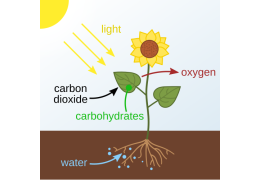
What Is Photosynthesis? And why is the most important thing on earth?
Read more
What Is Photosynthesis? And why is the most important thing on earth?

Irrigation method with lightmix (peat based substrate) + GHF Bioline (peat based substrate)
Read more
How to optimize your irrigation when using peat based substrate and organic dry amendment like our Bioline ?

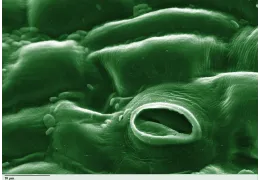
What is VPD ?
Read more
VPD controls how much water the plant loses, which controls cooling, nutrient uptake, stomatal behaviour, and...
Popular posts
What is VPD ?
VPD controls how much water the plant loses, which controls cooling, nutrient uptake, stomatal behaviour, and...
Read more
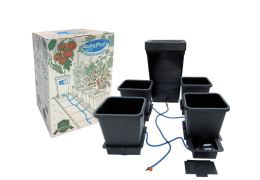
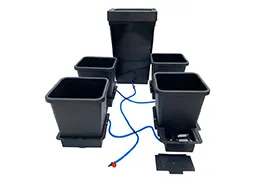
How to use autopot with Greenhouse Feeding mineral line
How to use autopot with Greenhouse Feeding mineral line
Read more
Featured posts
What Is Photosynthesis? And why is the most important thing on earth?
What Is Photosynthesis? And why is the most important thing on earth?
Read more
Irrigation method with lightmix (peat based substrate) + GHF Bioline (peat based substrate)
How to optimize your irrigation when using peat based substrate and organic dry amendment like our Bioline ?
Read more
What is VPD ?
VPD controls how much water the plant loses, which controls cooling, nutrient uptake, stomatal behaviour, and...
Read more
Extra mineral aerated compost tea
Extra mineral aerated compost tea (calcium and trace element)
Read more
Understanding Soil pH: The Master Key to Nutrient Bioavailability
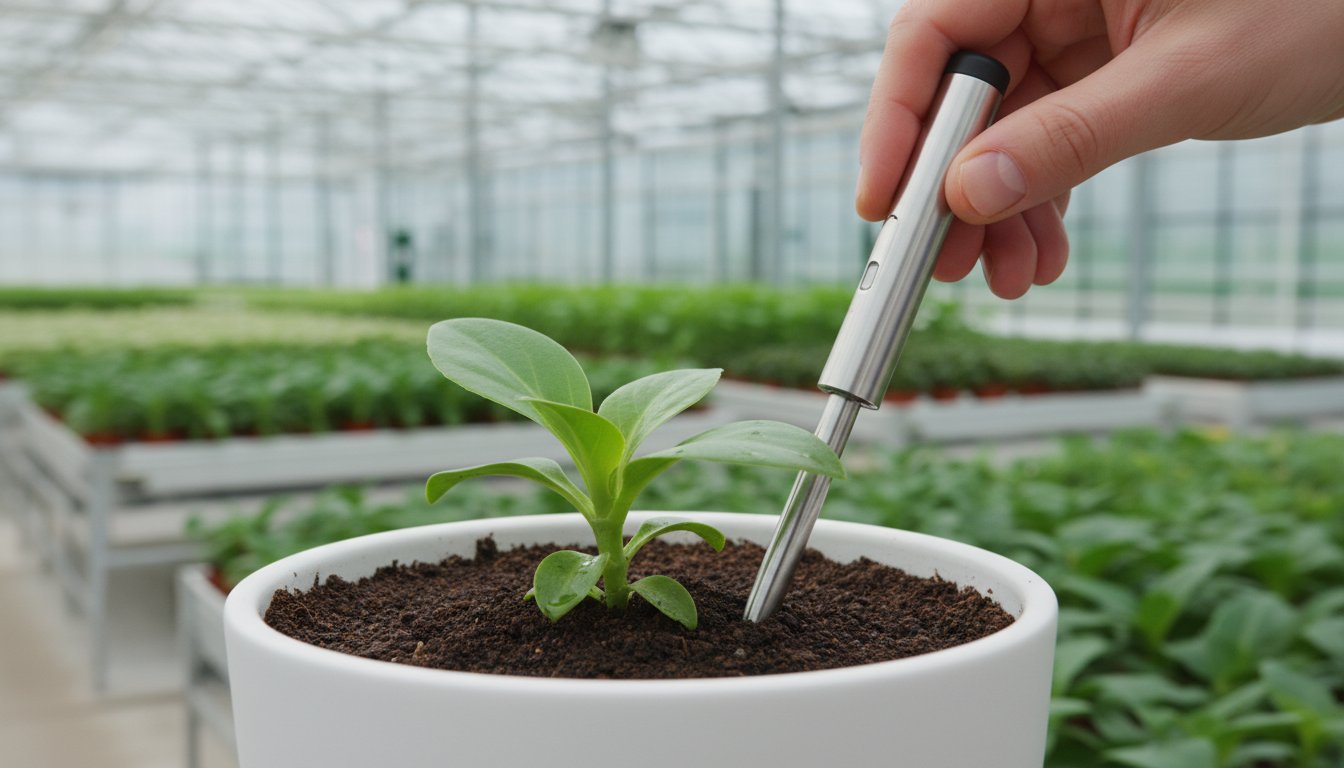
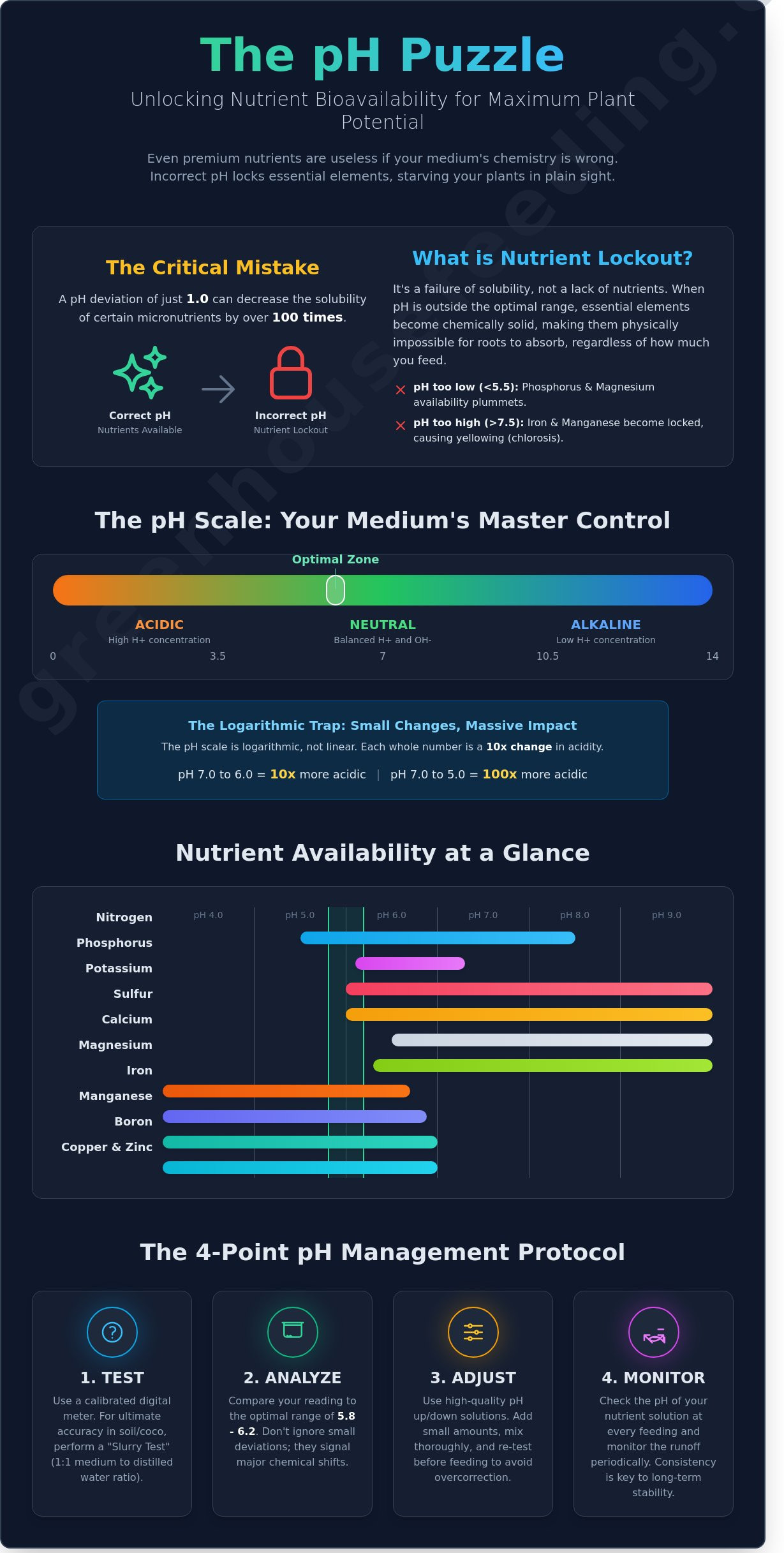
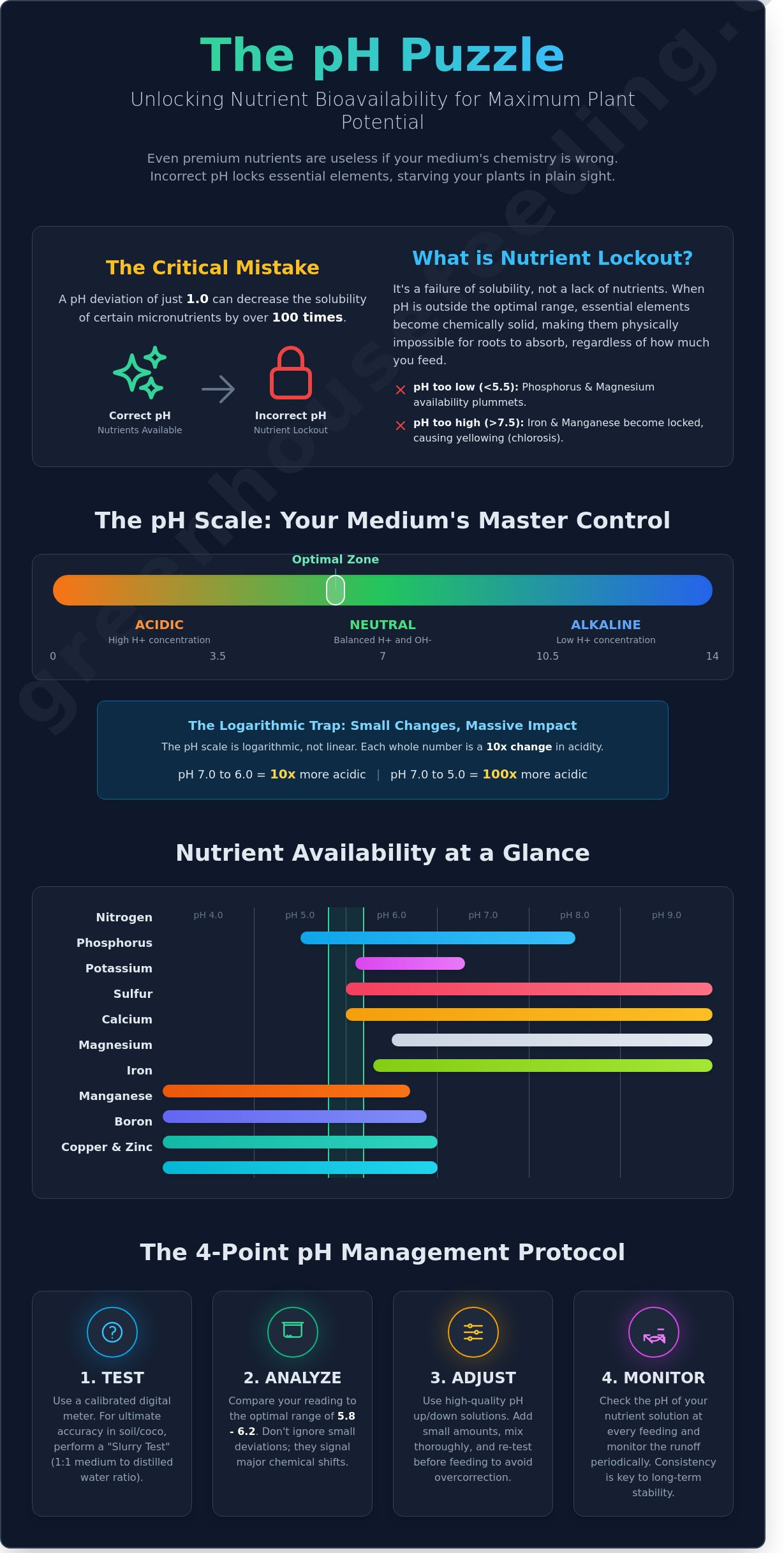
Your premium nutrients are essentially worthless if the underlying chemistry is compromised. You can invest in the highest quality mineral-organic inputs, yet still watch your plants starve in plain sight because of incorrect ph soil ph levels. Research indicates that a deviation of just 1.0 on the pH scale can decrease the solubility of certain micronutrients by over 100 times. When your medium drifts outside the optimal 5.8 to 6.2 window, essential elements like phosphorus and iron become chemically locked; this makes them physically impossible for roots to absorb regardless of how much you feed.
It's frustrating to follow a precise feeding schedule only to be met with unexplained deficiencies and stalled growth. We believe high-performance cultivation should be uncomplicated. This expert-led guide breaks down the science of nutrient bioavailability to help you prevent lockout and ensure your plants reach their full genetic potential. You'll learn to master the pH scale, implement a 4 point diagnostic protocol, and stabilize your root zone for maximum yields and total efficiency.
Key Takeaways
- Understand why hydrogen ion activity acts as the ultimate gatekeeper for plant nutrition and how to master ph soil ph levels to unlock full genetic potential.
- Identify the mechanics of nutrient lockout to ensure essential elements remain bioavailable to the root system at all times.
- Master professional monitoring techniques, including the "Slurry Test," to achieve the highest level of accuracy in your growing medium.
- Discover the most effective minerals and methods for adjusting acidity and alkalinity to maintain long-term substrate stability.
- Learn how chelated micronutrients and specialized feeding formulas simplify pH management while preventing common cultivation errors.
The Science of Soil pH: Why It Is the Gatekeeper of Plant Nutrition
Successful cultivation starts with a fundamental understanding of chemistry. Soil pH measures the activity of hydrogen ions within the soil solution, essentially determining the chemical environment where roots operate. Think of it as the master gatekeeper. Even if you provide the highest quality mineral nutrients, they remain useless if the pH level prevents their absorption. The Science of Soil pH dictates that nutrients must exist in a specific chemical form to pass through root membranes. When the pH shifts, these elements can precipitate into solid forms, becoming physically unavailable to the plant. This chemical lock-out is the primary cause of deficiencies in otherwise well-fed gardens.
The scale ranges from 0 to 14. A value of 7.0 is neutral. Values below this are considered acidic or "sour," while those above are alkaline or "sweet." For the majority of terrestrial plants, the target is the 6.0 to 7.0 range. This "Goldilocks Zone" ensures that essential macro and micronutrients remain soluble. If the ph soil ph levels drop below 5.5, phosphorus and magnesium availability plummets. Conversely, if it rises above 7.5, iron and manganese become locked away, leading to rapid chlorosis and stunted growth. Maintaining this balance isn't just a recommendation; it's a requirement for metabolic efficiency.
- Acidic (0-6.9): High concentration of hydrogen ions. Can lead to aluminum toxicity in values below 5.0.
- Neutral (7.0): The balance point where hydrogen and hydroxyl ions are equal.
- Alkaline (7.1-14): Low hydrogen ion activity. Often results in the "locking" of trace minerals like zinc and copper.
The Logarithmic Nature of the pH Scale
Precision is mandatory because the pH scale is logarithmic, not linear. This means each whole number represents a tenfold change in the concentration of hydrogen ions. A move from pH 6.0 to 5.0 represents a 1000% increase in acidity. If your meter shows a drop from 7.0 to 5.0, your soil is 100 times more acidic than neutral. Technically, pH is defined as the negative logarithm of hydronium ion activity. Small fluctuations on your digital display reflect massive chemical shifts in the substrate. Ignoring a 0.5 deviation can lead to a 40% reduction in nutrient uptake efficiency within 48 hours. Professional growers don't guess; they calibrate their equipment weekly to ensure these shifts are caught early.
The Rhizosphere and Localized pH
Root zones are dynamic environments. The rhizosphere, the area immediately surrounding the roots, often has a different chemical profile than the bulk soil. Roots actively modify their surroundings by releasing exudates, including organic acids and sugars, to solubilize specific minerals. They exchange hydrogen ions (H+) for cations or hydroxyl ions (OH-) for anions to maintain internal electrical balance. This localized activity means your runoff ph soil ph might read 6.5 while the actual interface at the root tip is closer to 5.8. This 0.7 difference is enough to change the solubility of iron by a factor of 10. Monitoring these differences allows for the surgical precision required in high-performance feeding schedules. Understanding that the plant is an active participant in its own chemistry helps you interpret why bulk soil tests don't always tell the full story of plant health.
Nutrient Bioavailability: How pH Levels Dictate Growth
Plants don't consume soil; they absorb mineral ions dissolved in the soil solution. You might provide the most expensive fertilizers, but they're useless if the plant can't access them. Bioavailability refers to the portion of nutrients in the soil that's actually in a form the roots can intake. The ph soil ph balance is the primary factor that determines this accessibility. When the pH shifts, it triggers chemical reactions that turn liquid nutrients into solid minerals that are effectively locked away from the plant.
Nutrient lockout occurs when the medium's chemistry shuts the gate on specific elements. This isn't a deficiency of the nutrient itself; it's a failure of solubility. If your substrate hits a pH of 8.0, you can add all the Iron you want, but the plant will still show signs of starvation. Research shows that how the substrate affects nutrient availability is directly tied to the electrical charge of the soil particles and the nutrients themselves. When the balance is off, the chemical bond becomes too strong for the roots to break.
The Macronutrient Sweet Spot (N-P-K)
Nitrogen, the engine of vegetative growth, remains relatively accessible across a broad range from 5.5 to 7.5. Phosphorus is far more sensitive. Once pH drops below 6.0, Phosphorus binds with Iron and Aluminum, becoming an insoluble solid. In some cases, Phosphorus availability can plummet by over 60% in acidic environments. Potassium is the most resilient of the trio, maintaining high solubility even as the medium fluctuates. To maximize efficiency, you should aim for a steady 6.2 to 6.8 range in soil to keep these primary elements fully mobile.
- Nitrogen: Optimal availability between 6.0 and 8.0.
- Phosphorus: Becomes fixed and unavailable below 6.0 and above 7.5.
- Potassium: Generally available above 6.0, showing high resilience in alkaline conditions.
Micronutrients and Toxicity Risks
While macronutrients prefer neutral zones, micronutrients often thrive in slightly acidic conditions. However, the margin for error is slim. At a pH below 5.0, Manganese and Aluminum become so soluble they reach toxic levels. This leads to damaged root tips and necrotic spots on foliage. This toxicity is a common cause of crop failure in unbuffered peat-based mixes where the pH has been allowed to slide too low.
On the opposite end, high pH levels create the "Iron Gap." When the ph soil ph rises above 7.0, Iron, Zinc, and Manganese precipitate out of the solution. The result is interveinal chlorosis, where the tops of your plants turn a sickly yellow while the veins stay green. This isn't a sign to add more nutrients; it's a signal to correct your chemistry. Calcium and Magnesium play a dual role here. They're essential nutrients and also serve as vital buffers that help the soil resist rapid pH changes. Maintaining a consistent feeding schedule with chelated micro-elements ensures these minerals stay available even during minor pH drifts. This pragmatic approach prevents the common "yo-yo" effect seen in amateur gardens.
How to Test and Monitor Soil pH Like a Professional
Precision is the foundation of successful cultivation. You cannot manage what you do not measure. For professional results, skip the analog color-match kits. They are too subjective for high-performance feeding. A calibrated digital pen offers ±0.1 accuracy; this is the industry standard for serious hobbyists and commercial operators. Direct soil probes provide instant readings in the field, but they often struggle with contact consistency in loose substrates like coco coir or peat. For the most reliable data, professionals rely on laboratory-style extraction methods to verify their ph soil ph levels.
Monitoring frequency depends on your system's stability. You must test your input solution every single time you feed. Substrate health requires a different schedule. A weekly deep-dive into your root zone chemistry prevents minor drifts from becoming crop-ending lockouts. If you notice a 10% decrease in water uptake, test immediately. Otherwise, stay disciplined and avoid over-testing, which often leads to unnecessary chemical swings.
The 1:2 Soil-to-Water Slurry Method
The slurry test is the gold standard for measuring the actual root zone environment. It bypasses the variables of drainage and provides a clear snapshot of the chemical state within the media. This method is superior because it accounts for the accumulated salts that runoff might miss. Follow these specific steps for a professional reading:
- Collect 50ml of soil from 5cm to 10cm below the surface. Avoid the top layer where minerals often crust.
- Mix the soil with 100ml of distilled water in a clean glass container.
- Agitate the mixture for 60 seconds and let it settle for 15 minutes before inserting your calibrated probe.
Using distilled water is mandatory. Tap water contains carbonates and minerals that skew your reading by up to 1.5 points. This Purdue Extension guide to soil pH confirms that distilled water ensures the reading reflects only the substrate's chemistry. If your slurry reads 0.5 points higher or lower than your target, adjust your next feeding cycle. It is a simple, scientific way to stay in control.
Understanding Runoff Data
Runoff testing is your early warning system. It measures the liquid that exits the bottom of the pot after a heavy feeding. This data reveals the "electrical" state of your root zone without disturbing the plant. If you pour in a solution at pH 6.2 and the runoff returns at pH 5.2, you have a major issue. This 1.0 point drop usually indicates a 20% to 30% increase in salt concentration within the media.
Salt buildup causes the ph soil ph to crash; this locks out essential elements like Calcium and Magnesium. High-performance feeding requires a tight balance. If your runoff pH is significantly lower than your input, flush with a 50% strength nutrient solution to reset the rhizosphere. Professional growers aim for a runoff variance of no more than 0.3 points from the input. This level of control ensures maximum bioavailability. It prevents the metabolic stalls that reduce final yield weights by 15% or more. Keep it simple: monitor the exit water to understand the internal health of your medium.
Adjusting Soil pH: From Quick Fixes to Long-Term Stability
Successful cultivation requires a precise environment. Adjusting your ph soil ph levels is not a one-time task; it is a continuous management of chemical equilibrium. The speed and efficacy of these adjustments depend on your soil's buffer capacity. This term refers to the soil's ability to resist changes in pH. Soils high in clay or organic matter possess a high cation exchange capacity (CEC), meaning they require significantly more amendments to shift the pH compared to sandy soils. For instance, moving a clay soil from pH 5.5 to 6.5 may require 4,500 kg of lime per hectare, while a sandy soil might only need 1,200 kg to achieve the same result.
Growers must choose between mineral and organic adjustments based on their specific timeline. Mineral amendments offer rapid solubility and immediate corrective action. Organic adjustments, such as humic acids or compost, work slower but improve the long-term biological health of the substrate. Achieving stability is the ultimate goal. Rapid fluctuations stress the root system and interrupt the steady uptake of chelated micro-elements. We focus on calculated applications that ensure nutrient bio-availability remains constant throughout the plant life cycle.
Correcting Acidic Soil (Low pH)
Acidic soils contain an excess of hydrogen ions that limit phosphorus and magnesium uptake. We neutralize these ions using agricultural lime (calcium carbonate). When lime reacts with soil moisture, it releases bicarbonate ions that bind with hydrogen to form water and CO2. For growers facing magnesium deficiencies, dolomite lime is the superior choice; it typically contains 12% magnesium and 22% calcium. Apply these materials at least 60 days before planting to allow for full chemical integration. In sandy substrates, use smaller, more frequent applications to avoid "over-liming" which can cause trace element lockout.
Correcting Alkaline Soil (High pH)
Lowering pH is technically more demanding than raising it. High pH often stems from native limestone or alkaline irrigation water. Elemental sulfur is the standard for long-term reduction, though it relies on Thiobacillus bacteria to convert the sulfur into sulfuric acid; a process that can take 6 months. For immediate results in container grows, aluminum sulfate provides a rapid reaction but must be used sparingly to avoid aluminum toxicity. Incorporating sphagnum peat moss or high-quality humic acids provides a gentle, organic buffer that gradually lowers pH while improving soil structure and moisture retention.
- Agricultural Lime: Best for rapid calcium boost and pH increase in large-scale plots.
- Dolomite Lime: Essential for balancing magnesium-hungry crops in acidic conditions.
- Elemental Sulfur: The most cost-effective method for large-scale acidification over a full season.
- Aluminum Sulfate: A precision tool for immediate pH drops in specialized horticultural applications.
- Organic Matter: Increases buffer capacity to prevent future pH "drifting."
Precision is the hallmark of a professional grower. Whether you are managing a commercial greenhouse or a specialized hobby garden, the chemistry of your substrate dictates your final yield. Don't leave your nutrient solubility to chance. Maintain total control over your cultivation environment by using mineral-organic feeding solutions designed for maximum solubility and ease of use. Keeping your system simple and your chemistry stable is the fastest route to professional-grade results.
The Green House Feeding Approach: Simplifying pH Management
Managing ph soil ph levels often feels like a constant battle against chemistry. Green House Feeding eliminates this complexity through a philosophy of expert minimalism. Our Powder Feeding line uses high-purity minerals designed for maximum stability. When dissolved, these nutrients maintain a consistent pH for up to 7 days in a reservoir without significant drift. This reliability stems from a precise balance of mineral salts that resist rapid acidification or alkalization. You don't need to constantly recalibrate your solution; the formula does the heavy lifting for you.
The "Keep it Simple" mantra isn't just a slogan. It's a functional requirement for high-performance cultivation. By reducing the number of bottles and additives, we minimize the chemical reactions that typically cause pH instability. Our products provide a direct problem-solution flow. You mix the powder, verify the initial concentration, and the chemistry remains locked in. This efficiency allows both commercial professionals and serious hobbyists to focus on plant health rather than constant water correction.
- High-purity mineral salts ensure 99.9 percent solubility.
- Stable nutrient solutions reduce the risk of root zone fluctuations.
- One-part formulas minimize complex chemical interactions.
Chelation: The Secret to High-Performance Feeding
Plants often struggle to absorb micronutrients when the ph soil ph environment fluctuates. We solve this by using EDTA chelated micro-elements in our mineral lines. A chelate is a specialized molecule that wraps around metal ions like iron, zinc, and manganese. This protection prevents these elements from reacting with phosphorus or "falling out" of the solution when pH levels rise. While standard fertilizers often fail once the pH exceeds 7.0, our chelated elements remain bio-available across a broader range from 5.5 to 9.0.
Our powder nutrients are engineered for surgical precision. They dissolve completely in water at 20 degrees Celsius within 30 seconds, creating a clear, stable solution. This rapid solubility ensures that every drop of water contains the exact ratio of nutrients required for the specific life cycle, whether you're using our Short Flowering or Long Flowering varieties. This technical mastery provides a safety net that protects your crop from nutrient lockout during unexpected pH spikes.
Organic Buffering with Bio Feeding
Our organic line, featuring BioGrow and BioBloom, utilizes a mineral-organic approach that leverages the power of biology. In this system, microbes do the work of pH regulation. When you integrate these products into a healthy soil environment, beneficial fungi and bacteria establish a symbiotic relationship with the roots. These organisms produce organic acids that naturally buffer the rhizosphere. This biological activity means precise pH monitoring becomes less critical because the soil life maintains the ideal environment for nutrient exchange.
The Bio Enhancer is a vital tool in this simplified ecosystem. It contains humic acids, fulvic acids, and seaweed extract that increase the cation exchange capacity (CEC) of your medium. By adding Bio Enhancer every 14 days, you improve nutrient uptake efficiency by approximately 15 percent. This product acts as a bridge between the plant and the soil, stabilizing the environment and ensuring the "Feeding" process remains uncomplicated. If you're ready to move away from complex charts and constant measuring, Explore the Feeding Starter Kit for a simplified growing experience. Our goal is to provide the fundamental chemistry of plant life in its most efficient form.
Mastering the Foundation of Your Harvest
Managing the chemical balance of your substrate is the difference between a struggling crop and a record-breaking yield. Bioavailability depends entirely on maintaining a precise range. Without this balance, even the most expensive minerals remain locked away from the root system. Professional growers monitor their levels daily to ensure every gram of input translates into healthy biomass. Mastering the relationship between nutrients and ph soil ph levels allows you to prevent deficiencies before they ever manifest in the leaves.
Green House Feeding has refined the science of plant nutrition since 1985. Our specialized mineral and organic lines are engineered for maximum solubility and total ease of use. Arjan Roskam, known as the King of Cannabis, utilizes these exact formulas to maintain peak performance across global operations. You don't need a laboratory to achieve elite results; you simply need a system that prioritizes efficiency and biological accuracy. By focusing on the fundamentals of chemistry, you remove the barriers to your plants' full genetic potential.
Simplify your grow with Green House Feeding's award-winning nutrients and experience the power of professional-grade simplicity. Your garden is ready for its best season yet.
Frequently Asked Questions
What is the best pH for growing cannabis in soil?
The optimal range for growing cannabis in soil is between 6.0 and 7.0. Within this window, the bio-availability of essential minerals like nitrogen and phosphorus reaches its peak. If the ph soil ph levels drift below 5.8, you risk manganese toxicity or calcium deficiency. Maintaining a steady 6.5 ensures that the plant can access the full spectrum of our mineral-organic feeding solutions without metabolic stress or nutrient interference.
Can I use vinegar to lower the pH of my soil?
You can use vinegar to lower pH, but it's an inefficient solution for professional cultivation. Acetic acid breaks down within 24 hours, causing the pH to swing back up and stress the root system. We recommend using phosphoric acid or citric acid based pH reducers instead. These provide a stable environment for 48 to 72 hours, ensuring consistent nutrient uptake and preventing the root zone fluctuations that hinder maximum yield.
Does the pH of my water matter if I am growing in organic soil?
Water pH matters even in organic systems because extreme levels can overwhelm the natural buffering capacity of the substrate. While microbial life in organic soil can adjust small deviations, water with a pH above 8.0 will eventually lock out iron and zinc. Aim for an input pH of 6.2 to 6.8. This range supports the microbes that facilitate the feeding process, ensuring they don't have to work 30% harder to stabilize the environment.
How do I know if my plant has nutrient lockout or just a deficiency?
Distinguish between lockout and deficiency by measuring the runoff pH and Electrical Conductivity (EC). If your ph soil ph value is outside the 6.0 to 7.0 range but you're providing adequate nutrients, it's lockout. In 85% of cases, lockout presents as multiple simultaneous symptoms, whereas a deficiency usually starts with a single element. Correcting the pH often resolves the issue within 4 to 7 days without adding more fertilizer.
How often should I calibrate my digital pH meter?
Calibrate your digital pH meter once every 7 days or after every 10 measurements to ensure scientific accuracy. Sensors drift by 0.1 to 0.2 points over a week of regular use. Use a two-point calibration method with 4.0 and 7.0 reference solutions. Keeping your equipment precise is the simplest way to avoid the 15% yield loss often caused by undetected pH imbalances in the feeding solution. Don't skip this maintenance step.
Will adding eggshells to my soil raise the pH?
Eggshells will raise soil pH, but the process takes 6 to 12 months because calcium carbonate requires significant time to decompose. They aren't a functional solution for an active growing cycle. If you need to raise pH immediately, use 1 to 2 grams of potassium bicarbonate per liter of water. This provides a fast-acting correction that aligns with our pragmatic approach to plant management and ensures immediate mineral solubility.
What is the difference between soil pH and water pH?
Water pH measures the acidity of your feeding solution, while soil pH represents the chemical environment of the root zone. Your soil acts as a buffer that can alter the pH of the water you apply. For example, if you add water at 7.0 to soil with a pH of 5.5, the resulting root zone pH might settle at 6.0. Monitoring the runoff is the only way to confirm the actual environment your plants inhabit.
Can humic acid help stabilize my soil pH?
Humic acid acts as a powerful organic buffer that stabilizes pH by increasing the Cation Exchange Capacity (CEC) of the soil. It can reduce pH fluctuations by up to 20% by chelating minerals and preventing them from reacting with the soil chemistry. Including humic substances in your feeding routine simplifies maintenance. It creates a more resilient system that resists the rapid acidification often seen in high-performance, mineral-heavy growing environments.
FAQ
The Logarithmic Nature of the pH Scale
It's vital to recognize that the pH scale isn't linear. It's a logarithmic scale, meaning each whole number represents a tenfold change in hydrogen ion concentration. A move from pH 6.0 to 5.0 represents a 10x increase in acidity. A move from 7.0 to 5.0 is a 100-fold increase. pH is the negative logarithm of hydronium ion activity. Because of this mathematical reality, small fluctuations on your digital meter represent massive chemical shifts for the roots. A drift of just 0.5 points can significantly alter the electrical charge of nutrient ions, potentially stalling growth for several days while the plant attempts to adjust.
The Rhizosphere and Localized pH
The rhizosphere is the thin layer of soil, usually measuring only 1 to 2 millimeters, that directly surrounds the roots. This area often has a different chemical profile than the bulk soil in the rest of the pot. Roots aren't passive straws; they're active biological engines. They release root exudates, including organic acids and sugars, to intentionally modify the local pH. This process helps solubilize specific minerals that might be locked in the surrounding medium. Plants often pump out protons (H+) to balance the intake of positively charged nutrients like potassium. This localized acidification is why your runoff pH might differ from your input pH. While bulk soil tests provide a general overview, the conditions at the root-zone interface determine the actual feeding efficiency. Professional growers monitor these trends to ensure the rhizosphere remains within the optimal range for the specific life cycle of the crop, whether in the vegetative or flowering stage. Bioavailability is the difference between a fed plant and a starving one. You can saturate your medium with high-quality minerals, but they're useless if the plant can't absorb them. Nutrients must be dissolved in the soil solution to pass through root membranes. If the ph soil ph isn't calibrated, these minerals precipitate into solids. This chemical transformation makes them physically too large for the roots to intake. Understanding how the ph soil ph level dictates this process is the first step toward professional-grade yields. Nutrient lockout occurs when the chemical environment shuts the gate on specific elements. It's a common failure in unmonitored growing operations. High pH environments specifically trigger micronutrient shortages. Iron, Zinc, and Manganese are the first to drop out of solution when the environment becomes too alkaline. Purdue Extension explains soil pH as the primary driver of these chemical reactions, noting that even a small drift can reduce nutrient efficiency by 20% or more. Phosphorus is particularly sensitive to these shifts. In acidic conditions, it's often the first macronutrient to disappear. It bonds with iron and aluminum in the soil to form insoluble phosphates. This reaction effectively removes the energy-carrying element from the plant's reach. To avoid these complications, many professionals switch to specialized feeding programs that maintain stability throughout the growth cycle.
The Macronutrient Sweet Spot (N-P-K)
Nitrogen is the most flexible of the primary nutrients. It remains available across a wide range, typically from 5.5 to 7.5. However, Phosphorus is the bottleneck. It becomes insoluble almost immediately when pH drops below 6.0. This creates a hidden deficiency that stalls root development and flower production. Potassium shows more resilience than its counterparts. It stays available in most conditions, though extreme acidity still hinders its transport within the plant's vascular system. A consistent 6.2 to 6.5 range is the standard for balanced N-P-K uptake in soil.
Micronutrients and Toxicity Risks
Low pH levels don't just cause deficiencies; they create toxic environments. When the pH falls below 5.0, Manganese and Aluminum become hyper-soluble. This leads to metallic toxicity that stunts root tips and prevents water uptake. On the opposite side of the scale, high pH creates the "Iron Gap." Iron becomes unavailable when pH exceeds 7.2, leading to interveinal chlorosis where new leaves turn yellow while veins stay green. Calcium and Magnesium play a dual role here. They're essential nutrients, but they also act as buffers. They help stabilize the environment by resisting rapid changes in acidity, provided they're present in the correct ratios. Professional growers don't guess; they measure. To achieve a 20% increase in nutrient efficiency, you must move beyond basic observation. Your choice of equipment dictates your success. Digital pH pens are the industry standard for a reason. They offer a precision of ±0.1 pH, which is necessary when working with sensitive cultivars. Soil probes provide immediate readings but often fluctuate by 0.5 points based on moisture levels. Liquid reagent kits are reliable for a quick check, but they lack the granular data required for high-performance cultivation. Keep it simple: choose a high-quality digital meter and calibrate it every 30 days using pH 4.0 and 7.0 buffer solutions. This ensures your data remains actionable and accurate.
The 1:2 Soil-to-Water Slurry Method
The slurry test provides the most accurate snapshot of the root zone environment. It bypasses the variables of drainage and evaporation. This precise measurement helps you maintain the ideal ph soil ph environment for mineral uptake. Follow these steps for a professional-grade analysis: If the result deviates more than 0.4 points from your target, adjust your next feeding. This method gives you the raw data needed to make surgical adjustments to your nutrient program without guesswork.
Understanding Runoff Data
Runoff testing is your daily diagnostic tool. It measures the water that exits the bottom of the pot after feeding. Ideally, you want 10% to 20% runoff to prevent mineral stagnation. Comparing input pH to output pH tells a clear story about the rhizosphere. If you pour in a solution at pH 6.2 and the runoff returns at 5.5, your medium is becoming acidic. This usually indicates a salt buildup from over-fertilization. High salt concentrations drop the pH and lead to nutrient lockout. Understanding how soil pH affects nutrient availability is vital here; even a small drop can make phosphorus or magnesium chemically unavailable to the roots. Consistent monitoring of your ph soil ph levels prevents the silent onset of nutrient lockout. Monitor your runoff every third watering. Don't over-test. Constant intervention causes more stress than it solves. If your plants look healthy and your runoff is within 0.3 points of your input, stay the course. If the gap widens to 0.8 points or more, it's time to flush with a low-EC solution to reset the medium balance. This proactive approach prevents 90% of common growth stalls before they manifest as leaf discoloration. We've done the research so you can focus on the results. Efficiency is the bridge between a hobbyist and a master grower. Achieving the perfect ph soil ph balance is a matter of chemical precision. Your substrate acts as a reservoir for nutrients. If the pH is off, those nutrients remain locked away regardless of how much you feed. Growers must understand that soil isn't a static medium; it reacts to every feeding and environmental shift. Managing this requires a balance between immediate mineral intervention and long-term organic stability. Cation Exchange Capacity (CEC) determines how hard you must work to change the pH. This is known as buffer capacity. Sandy soils with low CEC, typically between 5 and 15 meq/100g, shift quickly with minimal amendments. Heavy clay soils or those high in organic matter often exceed 30 meq/100g. These substrates resist change stubbornly. You'll need more material to move the needle in clay than in sand. Precision is vital; over-correcting in low-buffer soils leads to nutrient lockout and plant stress. Mineral adjustments offer speed, while organic methods provide lasting health. Mineral salts like aluminum sulfate react almost instantly. Organic amendments like peat moss or elemental sulfur require biological activity to become effective. A hybrid mineral-organic approach often yields the most reliable results for professional cultivation. This ensures your plants access chelated micro-elements even during minor fluctuations.
Correcting Acidic Soil (Low pH)
Low pH levels increase the solubility of aluminum and manganese to toxic levels. Calcium carbonate is the standard tool for neutralizing hydrogen ions. It works by reacting with soil acidity to release CO2 and water. Dolomite lime is the superior choice for most growers because it contains approximately 12% magnesium. This provides a secondary benefit by buffering against future deficiencies. In sandy soil, 2.5 kg of lime per 10 square meters typically raises the pH by one point. Clay soils require double that amount, roughly 5 kg, to achieve the same result. Apply these materials 60 days before planting for maximum bio-availability.
Correcting Alkaline Soil (High pH)
Lowering pH is technically more demanding than raising it. High pH levels often lead to iron and zinc deficiencies. Aluminum sulfate provides an immediate drop because it creates acidity as soon as it dissolves in water. For a more sustainable, long-term strategy, use elemental sulfur. Soil bacteria like Thiobacillus oxidize the sulfur into sulfuric acid over 3 to 6 months. Incorporating humic acids and high-quality organic matter also helps. These substances naturally lower pH over time by releasing organic acids during decomposition. Using acidifying fertilizers, such as ammonium-based nitrogen sources, helps maintain a lower pH during the active growing season. Consistent monitoring prevents small deviations from becoming crop-ending disasters. Use a high-quality probe to check your ph soil ph levels weekly. If you want to simplify your nutrient management and ensure optimal bio-availability, explore our professional feeding range designed for maximum solubility and ease of use. Nutrient management often feels like a complex chemistry experiment. Green House Feeding (GHF) removes this friction by focusing on mineral stability and biological synergy. Our powder nutrients are engineered to deliver professional results without the need for a laboratory degree. We follow a "Keep it Simple" philosophy. This means the products do the heavy lifting so you don't have to. Our mineral lines are highly concentrated and 100% soluble, ensuring that your reservoir stays clear and your delivery lines remain free of salt buildup. The stability of GHF products starts with the raw materials. We select high-grade minerals that maintain a consistent ionic balance once dissolved. While liquid nutrients often degrade or shift in pH over time, our powder formulations remain stable for up to 7 days in a reservoir. This reliability is vital for commercial operations where consistency determines the final harvest weight. You won't find yourself constantly chasing pH fluctuations; instead, you'll see a steady, predictable environment that allows plants to thrive.
Chelation: The Secret to High-Performance Feeding
Chelation is the technical backbone of our mineral line. We use EDTA and other high-quality chelating agents to wrap around micronutrients like iron, zinc, and manganese. This protective "claw" prevents these essential elements from reacting with other minerals or "falling out" of the solution when pH levels drift. Standard fertilizers often lose effectiveness if the pH moves outside a narrow 0.2 point window. GHF mineral products remain bio-available across a much broader range, typically from pH 5.5 to 7.5. This provides a massive safety margin for the grower. Powder nutrients are also more efficient for maintaining a stable solution. They don't contain the added water or preservatives found in liquid bottles, which can often cause pH swings. When you mix GHF powder, you're creating a fresh, chemically stable feeding solution every single time.
Organic Buffering with Bio Feeding
If you prefer a more natural approach, our BioGrow and BioBloom products shift the responsibility of pH regulation to the soil's biology. In a healthy organic system, the relationship between beneficial fungi and the root zone creates a natural buffer. While maintaining the correct ph soil ph balance is still a factor for health, the microbes act as a bridge. They break down organic matter and deliver nutrients to the roots regardless of slight acidity or alkalinity in the irrigation water. This makes precise pH monitoring less critical than in hydroponic systems. The Bio Enhancer is our secret weapon for substrate health. It contains humic acids and seaweed extracts that increase the cation exchange capacity (CEC) of your medium by up to 20%. This increased CEC allows the soil to "hold" nutrients more effectively and prevents rapid pH shifts. It also includes Bacillus subtilis, a beneficial bacterium that strengthens the root system and improves nutrient uptake efficiency. By using the Bio Enhancer every two weeks, you create a resilient environment that naturally resists the stresses of pH imbalance. Growing shouldn't be a constant battle with a pH pen. Whether you choose our high-performance mineral powders or our simplified organic line, the goal is the same: maximum yield with minimum effort. Explore the Feeding Starter Kit for a simplified growing experience and see how our science-first approach can transform your garden. Mastering the chemistry of your medium is the fastest way to unlock maximum plant potential. When you optimize the ph soil ph, you ensure that chelated micro-elements remain available for immediate uptake. This prevents nutrient lockout and stabilizes growth throughout the entire life cycle. Since 1985, Green House Feeding has refined this process by removing the guesswork from botanical science. Our approach focuses on high solubility and professional-grade purity to deliver consistent results in every cultivation environment. Precision isn't just about measurement; it's about creating a stable foundation for your genetics to express their full profile. Whether you choose our specialized Mineral or Organic lines, you're utilizing the same award-winning formulas trusted by Arjan Roskam, the King of Cannabis. We've spent 39 years engineering solutions that prioritize efficiency over complexity. You don't need to struggle with complicated feeding schedules to achieve professional yields. Our goal is to provide the mastery of a seasoned grower in a user-friendly format. Simplify your grow with Green House Feeding's award-winning nutrients and watch your garden reach its peak performance. Your most successful harvest is well within reach.
What is the best pH for growing cannabis in soil?
The optimal ph soil ph range for cannabis cultivation is between 6.0 and 7.0. This specific window ensures maximum bio-availability of essential macro and micro-elements required for healthy development. Maintaining a 6.5 target provides a safety buffer that prevents common toxicities associated with lower levels. Consistent monitoring prevents the 15% yield loss often associated with nutrient fluctuations.
Can I use vinegar to lower the pH of my soil?
You can use white vinegar to lower pH, but it's an inefficient long-term solution for professional growers. Vinegar contains acetic acid which typically breaks down within 24 hours, causing the pH level to swing back to its original state. For a stable 5.8 to 6.5 environment, professional phosphoric acid or citric acid buffers are more reliable. These horticultural-grade acids maintain solution stability for 7 days or more in a reservoir.
Does the pH of my water matter if I am growing in organic soil?
Water pH remains critical in organic systems because extreme levels can damage the microbial life responsible for nutrient cycling. While organic matter provides a 20% buffering capacity, consistently applying water above 8.0 will eventually overwhelm the soil chemistry. Aim for a water input between 6.2 and 7.0 to support the 1 billion microbes typically found in a single teaspoon of healthy soil. It's about protecting the biology that feeds your plants.
How do I know if my plant has nutrient lockout or just a deficiency?
Distinguish between the two by measuring the EC and pH of your run-off water. If your input is correct but the run-off pH is below 5.5 or above 7.5, you're experiencing nutrient lockout. Deficiencies usually appear when the ph soil ph is within the correct range but the plant lacks specific elements. Lockout often affects 30% more of the foliage simultaneously compared to the gradual progression of a simple deficiency.
How often should I calibrate my digital pH meter?
Calibrate your digital pH meter every 30 days to ensure scientific accuracy in your garden. High-quality sensors can drift by 0.2 points within 4 weeks of regular use, leading to false readings. Using a 2-point calibration method with 4.0 and 7.0 buffer solutions ensures your measurements remain within a 99% accuracy range. This simple maintenance routine prevents the accidental over-acidification that ruins entire crop cycles.
Will adding eggshells to my soil raise the pH?
Eggshells will raise pH levels, but they require 6 to 12 months to decompose enough to impact soil chemistry. They consist of 95% calcium carbonate, which is effective but not water-soluble in its raw form. For immediate correction of acidic conditions, use finely ground dolomitic lime instead. This mineral adjusts the substrate within 14 days, providing a more predictable outcome for short flowering cycles.
What is the difference between soil pH and water pH?
Water pH measures the hydrogen ion concentration of your feeding solution, while soil pH measures the environment surrounding the roots. The soil acts as a chemical filter, often shifting the water's pH by 0.5 to 1.0 points upon contact. Successful growers monitor both values to ensure the rhizosphere remains within the 6.0 to 7.0 range required for 100% nutrient uptake. Don't assume the water's value reflects the root zone's reality.
Can humic acid help stabilize my soil pH?
Humic acid stabilizes pH by increasing the cation exchange capacity of the substrate by up to 30%. It acts as a natural chelator, keeping nutrients like iron and magnesium available even if the pH drifts slightly outside the ideal range. Adding 5ml of humic acid per gallon creates a chemical safety net for your plants. This simplifies the feeding process and protects the crop from rapid environmental shifts.
Leave a comment
Log in to post comments