

 English
 Español
Over 70% of cultivation failures stem from a fundamental misunderstanding of substrate moisture levels. Most growers...
Suche im Blog
Blog-Kategorien
Neueste Beiträge
How Much Water Do Plants Need? The Expert Guide to Precision Irrigation
Read more
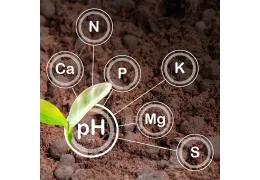
What is PPM? A Precision Guide to Nutrient Concentration for Growers
Read more
What if the line between a thriving crop and a burnt-out failure was a single, measurable number? You've followed the...
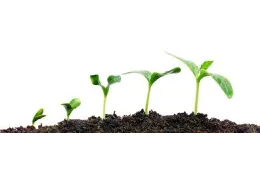
What Does a Plant Need to Survive and Grow? The 5 Pillars of Cultivation
Read more
Your plants don't need a complex cocktail of additives to thrive. In fact, over 60% of common cultivation issues like...
Fertilizer for Cannabis Plants: The Expert Guide to Optimal Feeding
Read more
Complex, multi-bottle nutrient lines are the single biggest point of failure for professional and hobbyist growers...
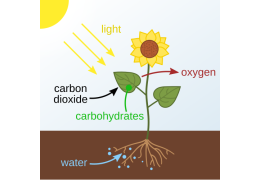
What Is Photosynthesis? And why is the most important thing on earth?
Read more
What Is Photosynthesis? And why is the most important thing on earth?
Beliebte Beiträge
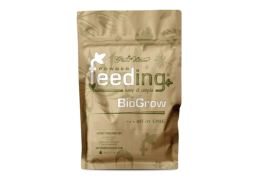
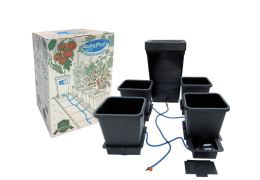
Wie verwendet man AutoPot mit der Green House Feeding BioLine!
AutoPot-System mit Green House Feeding BioLine
Read more
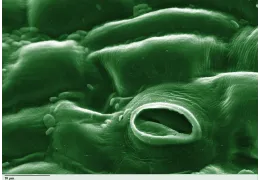
Was bedeutet das VPD ?
VPD steuert, wie viel Wasser die Pflanze verliert – und damit Kühlung, Nährstoffaufnahme, das Verhalten der Stomata...
Read more
Gekennzeichnet Beiträge
What Is Photosynthesis? And why is the most important thing on earth?
What Is Photosynthesis? And why is the most important thing on earth?
Read more
Irrigation method with lightmix (peat based substrate) + GHF Bioline (peat based substrate)
How to optimize your irrigation when using peat based substrate and organic dry amendment like our Bioline ?
Read more
Was bedeutet das VPD ?
VPD steuert, wie viel Wasser die Pflanze verliert – und damit Kühlung, Nährstoffaufnahme, das Verhalten der Stomata...
Read more
Belüfteter Komposttee mit zusätzlichen Mineralien
Belüfteter Komposttee – Extra Mineralien: Calcium & Spurenelemente
Read more
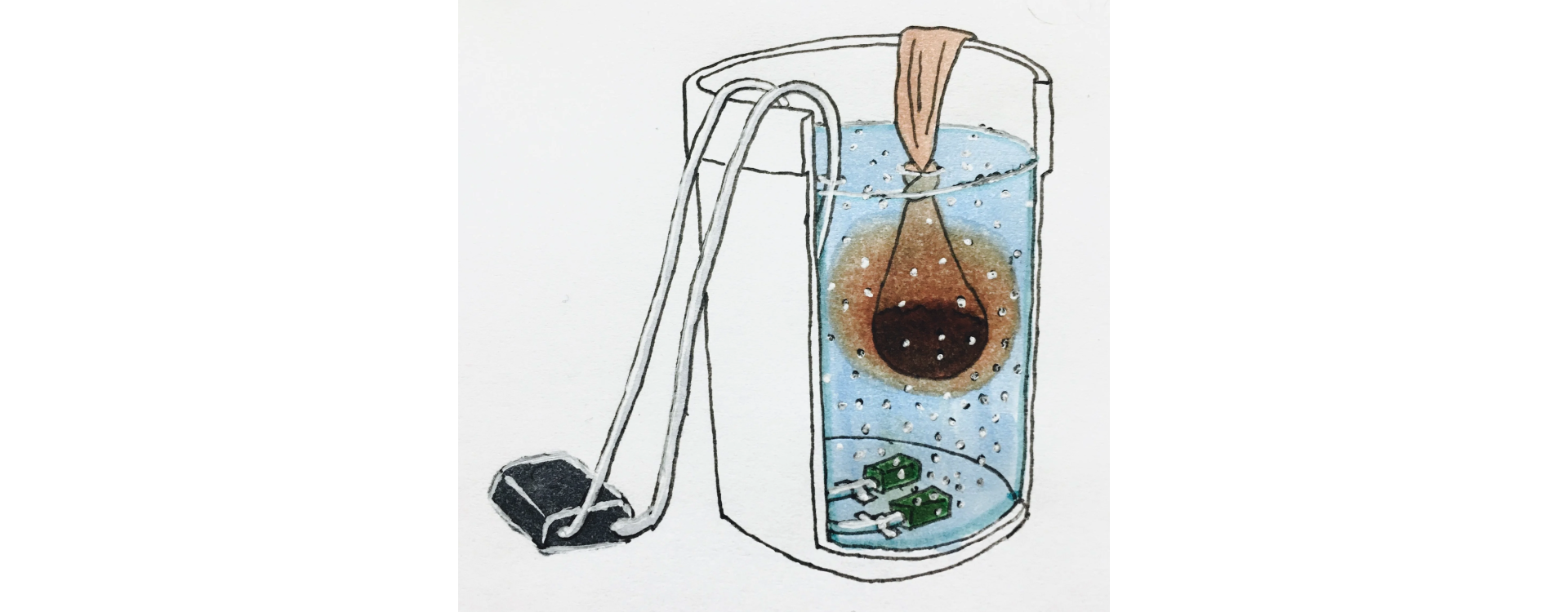
Wie man Komposttee herstellt
Translate to German, and keep html in tact.
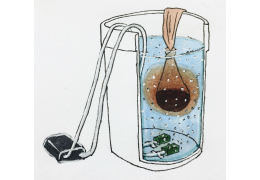
A simple compost tea setup is easy to make at home:
use a 10L bucket, an aquarium pump with airstones, and a tissue bag filled with wormcast as a base for the compost tea (compost from your garden can be used as well).
The airstones oxygenate the water so microbes present in the wormcast can multiply. Adding a source of sugar boosts this growth—simple sugars like molasses, favor bacteria and fungi together.
If you use tap water, it contains chlorine, which kills microbes. Let the water rest for 24 hours to remove the chlorine gas, or aerate it for a few hours to speed up the process.
Classic Aerated Compost Tea:
Dosage for 1 Liter
-
Compost or worm castings: 10–15 g/L
-
Unsulfured molasses: 3 g/L
-
seaweed extract: 2–3 g/L
-
insectfrass: 2–3 g/L
Oxygenating Time
24 hours aerated. Use it within 2-3 hours
Can be used as foliar application.
Compost tea science:
https://www.sciencedirect.com/science/article/pii/S2352186425001233
Veröffentlicht in:
Komposttee
Ähnliche Beiträge
Belüfteter Komposttee mit zusätzlichen Mineralien
Belüfteter Komposttee – Extra Mineralien: Calcium & Spurenelemente
Read more
Hinterlassen Sie einen Kommentar
Melden Sie sich an, um Kommentare zu posten
Kommentare
great information.
Von:Marcel Dijkman An 28.11.2025Thanks ben, I will making the tea very soon.
let you know how things work out.
Beantwortet von: Ben GHSC An 28.11.2025