

 English
 Español
Over 70% of cultivation failures stem from a fundamental misunderstanding of substrate moisture levels. Most growers...
Suche im Blog
Blog-Kategorien
Neueste Beiträge
How Much Water Do Plants Need? The Expert Guide to Precision Irrigation
Read more
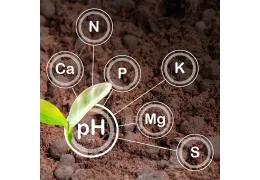
What is PPM? A Precision Guide to Nutrient Concentration for Growers
Read more
What if the line between a thriving crop and a burnt-out failure was a single, measurable number? You've followed the...
What Does a Plant Need to Survive and Grow? The 5 Pillars of Cultivation
Read more
Your plants don't need a complex cocktail of additives to thrive. In fact, over 60% of common cultivation issues like...
Fertilizer for Cannabis Plants: The Expert Guide to Optimal Feeding
Read more
Complex, multi-bottle nutrient lines are the single biggest point of failure for professional and hobbyist growers...
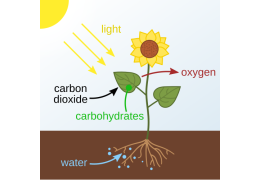
What Is Photosynthesis? And why is the most important thing on earth?
Read more
What Is Photosynthesis? And why is the most important thing on earth?
Beliebte Beiträge

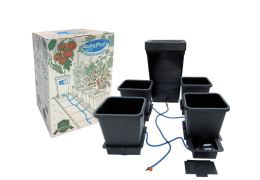
Wie verwendet man AutoPot mit der Green House Feeding BioLine!
AutoPot-System mit Green House Feeding BioLine
Read more
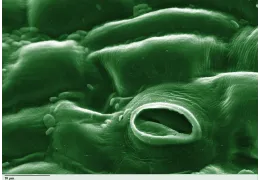
Was bedeutet das VPD ?
VPD steuert, wie viel Wasser die Pflanze verliert – und damit Kühlung, Nährstoffaufnahme, das Verhalten der Stomata...
Read more


Gekennzeichnet Beiträge
What Is Photosynthesis? And why is the most important thing on earth?
What Is Photosynthesis? And why is the most important thing on earth?
Read more
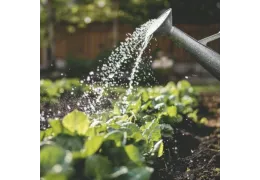
Irrigation method with lightmix (peat based substrate) + GHF Bioline (peat based substrate)
How to optimize your irrigation when using peat based substrate and organic dry amendment like our Bioline ?
Read more

Was bedeutet das VPD ?
VPD steuert, wie viel Wasser die Pflanze verliert – und damit Kühlung, Nährstoffaufnahme, das Verhalten der Stomata...
Read more
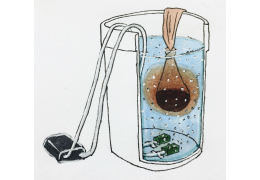
Belüfteter Komposttee mit zusätzlichen Mineralien
Belüfteter Komposttee – Extra Mineralien: Calcium & Spurenelemente
Read more
How Much Water Do Plants Need? The Expert Guide to Precision Irrigation
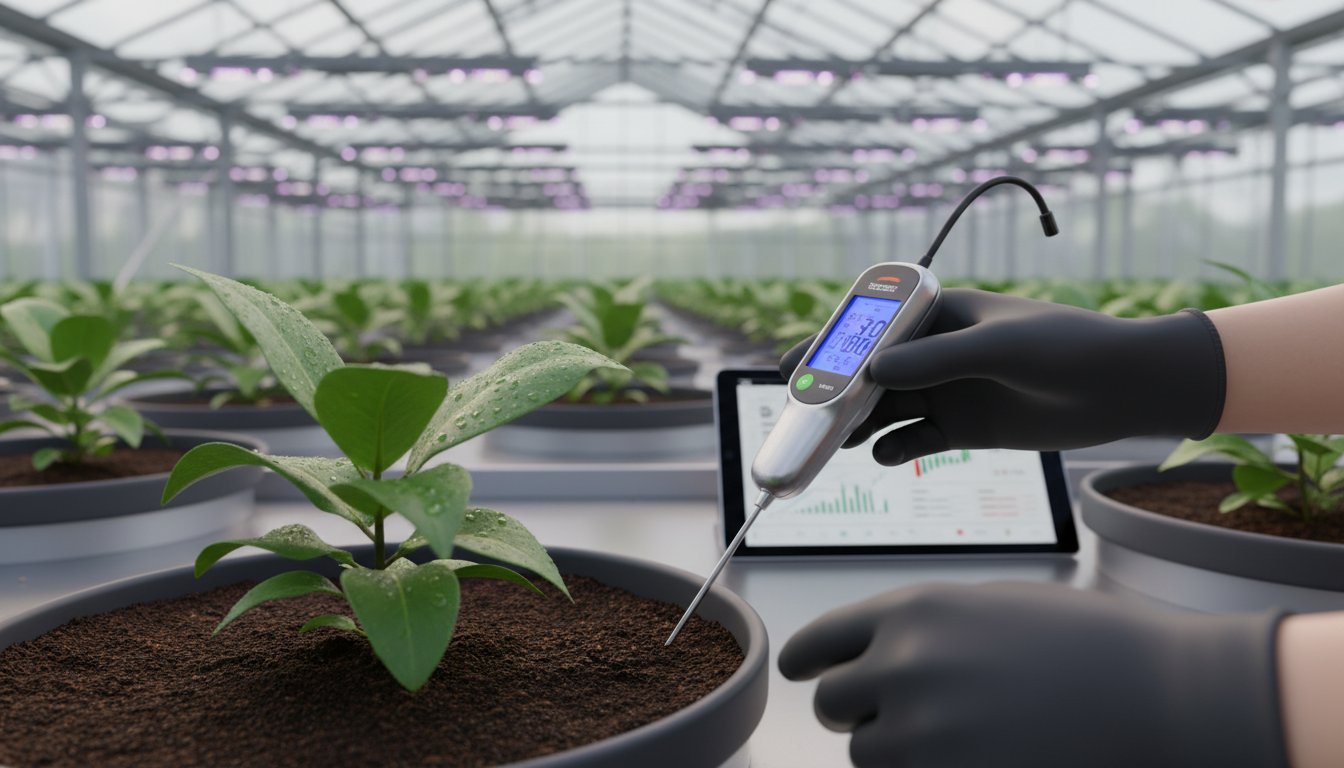
Over 70% of cultivation failures stem from a fundamental misunderstanding of substrate moisture levels. Most growers struggle to determine exactly how much water do plants need, leading to inconsistent growth rates and compromised root health. It's frustrating to watch expensive, chelated micro-elements wash away through excessive runoff because of a flawed irrigation schedule. We understand that the fear of root rot is a constant pressure in any professional greenhouse operation.
At Green House Feeding, we believe in the power of simplicity backed by botanical science. This guide will help you master the mechanics of precision irrigation to ensure optimal bio-availability and prevent common cultivation errors. You'll learn a clear, pragmatic protocol that transforms guesswork into a repeatable system for healthier plants and higher efficiency. We're going to examine the relationship between transpiration rates and substrate capacity so you can achieve maximum yield with surgical precision. It's time to replace anxiety with a calculated approach to feeding.
Key Takeaways
- Understand why hydration is a critical vehicle for nutrient transport and how transpiration regulates plant temperature for maximum efficiency.
- Learn how environmental variables and life cycle stages dictate exactly how much water do plants need for optimal development.
- Master practical measurement techniques like the "Lift Test" to accurately identify moisture levels and prevent common irrigation errors.
- Implement a streamlined watering protocol based on substrate volume and target runoff percentages to ensure a healthy root zone.
- Discover how to simplify your feeding schedule and improve water retention using high-solubility powder nutrients and bio-enhancers.
The Science of Plant Thirst: Why Water Volume Matters
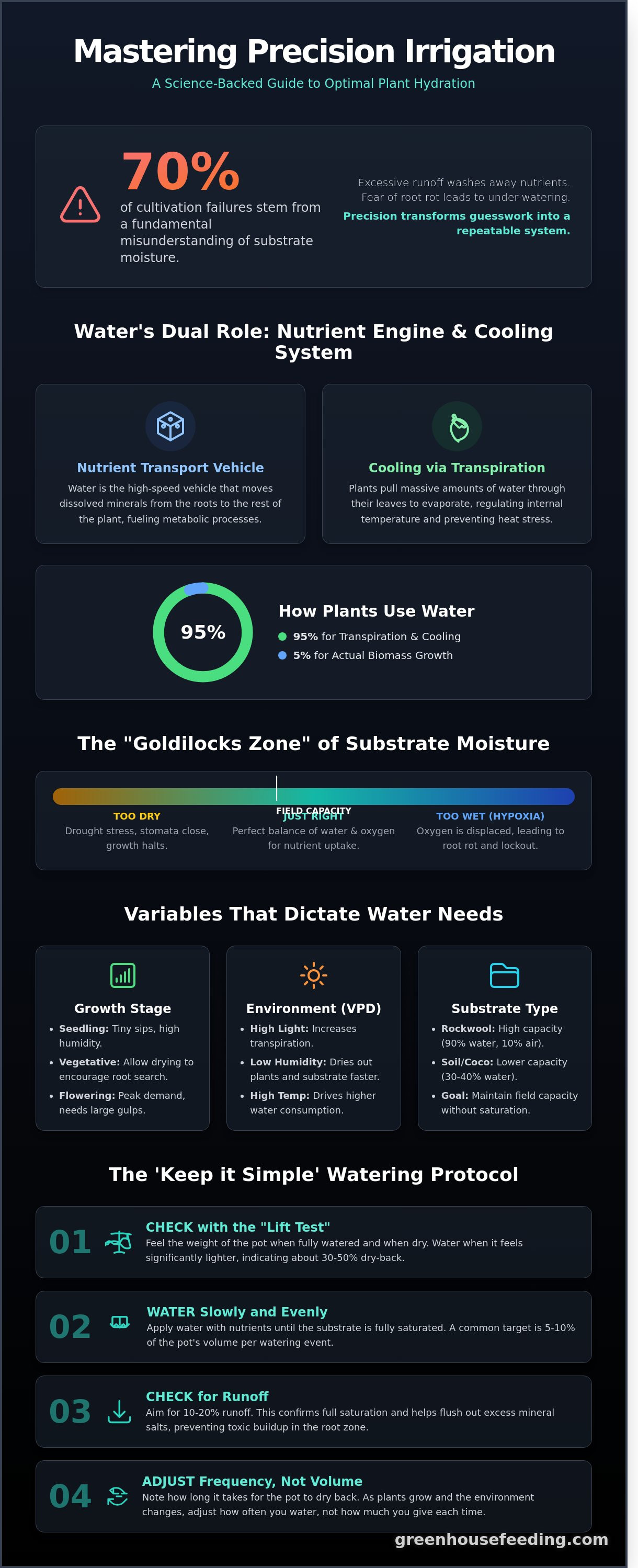
Determining exactly how much water do plants need requires a shift in perspective. You shouldn't view water as a simple thirst quencher. It's a high-speed vehicle for nutrient transport. Without sufficient water volume, the metabolic machinery of the plant grinds to a halt. Water maintains turgor pressure, keeping the structure upright; however, its primary scientific role is facilitating the movement of minerals through the xylem.
Plants function as sophisticated cooling systems. They move massive amounts of water through their leaves to regulate internal temperature. This process, detailed in The Science of Evapotranspiration, accounts for nearly 95% of all water a plant absorbs. Only a small fraction is used for actual biomass. The rest is evaporated to pull nutrients from the roots to the canopy. If the volume is insufficient, the plant closes its stomata to save moisture, which effectively stops all feeding and growth.
The goal is to maintain the "Goldilocks Zone" of soil moisture. This is the precise balance where the plant avoids drought stress without falling into hypoxia. Hypoxia occurs when water displaces all oxygen in the root zone for more than 24 to 48 hours, leading to root rot and nutrient lockout. Precision irrigation ensures that mineral nutrients remain in a soluble state, ready for immediate uptake.
The Role of Water in Nutrient Bio-availability
Water acts as the primary solvent for chelated micro-elements. These minerals must be dissolved into an ionic form before the root hairs can capture them. When the watering volume is too low, the remaining moisture becomes overly concentrated with minerals. This leads to toxic salt buildup. High salt levels increase the osmotic pressure, making it harder for the plant to drink. We advocate for a "Keep it Simple" approach: match your watering volume to the plant's metabolic rate and adjust volume to prevent salt accumulation.
Understanding Field Capacity and Substrate Saturation
Field capacity is the maximum amount of water a substrate can hold after the excess has drained away. Different mediums have vastly different capacities. Rockwool can hold up to 90% water while still maintaining 10% air space. Soil typically reaches field capacity at 30% to 40% moisture. Determining how much water do plants need depends entirely on these specific physical properties. If you exceed field capacity in soil, you risk drowning the roots. Oxygen is just as vital as water in the root zone. Effective feeding relies on the steady replacement of water to ensure fresh oxygen and nutrients are always available.
Variables That Dictate How Much Water Plants Need
Irrigation isn't a set and forget task. It's a dynamic response to the Vapor Pressure Deficit (VPD). When temperatures rise or humidity drops, plants transpire faster to cool their tissues. This physiological response increases water uptake significantly. High-intensity lighting, such as 1000W DE HPS or high-output LED arrays exceeding 800 µmol/m²/s, accelerates photosynthesis. This metabolic speed requires more water to transport essential minerals through the xylem. Genetics also dictate consumption patterns. A Short Flowering strain typically has a more compact structure and different metabolic rate than a Long Flowering variety. Understanding these variables in plant water needs ensures you don't over-saturate the medium or starve the root zone. Determining exactly how much water do plants need requires monitoring the substrate's dry-back profile daily to match the plant's metabolic speed.
Growth Stage Adjustments
Of course, successful growth at any stage begins with high-quality genetics. A reputable online shop like Helza Hobbyzaden is the crucial first step for any hobby gardener looking to start their cultivation journey.
Your feeding strategy must evolve with the plant's architecture. Seedlings require frequent but tiny sips to maintain humidity without drowning developing taproots. During the vegetative stage, the goal is root expansion. Allowing the medium to dry by 30% between waterings encourages roots to search for moisture. Once you hit the flowering stage, demand peaks. Plants need gulps of water to support floral development and terpene production. During the transition period, specifically the first 14 days of the bloom cycle, water volume should increase by roughly 25% to account for the stretch and rapid biomass accumulation. This precision prevents nutrient leaching while meeting peak demand.
For cultivators focused on ornamental crops, the quality of these blooms is paramount, serving as the foundation for the exquisite arrangements seen from luxury designers like Bon-Vivant Florists.
Environmental Influence on Irrigation
Environment dictates the wicking effect of your grow space. In a room with 40% humidity, plants lose moisture through their stomata much faster than at 60% humidity. This drives higher water consumption regardless of plant size. For growers in seasonal climates, winter often brings drier air into the intake. You'll likely need to increase irrigation frequency by 15% to 20% compared to humid summer months. Use these practical adjustments to maintain stability:
- High-PPFD Lighting: Increase volume to support higher transpiration rates.
- Low Humidity: Shorten intervals between watering to prevent substrate acidification.
- Airflow: High-velocity fans increase evaporation; monitor the top 2cm of soil closely.
Keeping your feeding schedule uncomplicated and adaptable is the key to consistent yields. By focusing on these environmental triggers, you ensure that how much water do plants need is a question answered by data rather than guesswork.
Measuring 'Enough': Physical Signs of Proper Hydration
Precision irrigation relies on data, but physical observation provides immediate feedback. The Lift Test is your most efficient tool for daily monitoring. A fully saturated 12-liter pot feels heavy and dense. When the substrate dries, the weight drops by nearly 50%. This weight differential tells you when to irrigate without guessing. Determining exactly how much water do plants need requires observing these physical shifts daily.
Visual cues also signal hydration levels. Underwatering causes leaves to become thin, papery, and limp. Overwatering creates a heavy droop where the leaf remains firm but hangs downward. Both indicate stress, but the remedy differs. Use the Finger Test to confirm. Insert your finger 2.5 to 5 centimeters into the substrate. If it feels dry at the second knuckle, it's time to feed. These expert watering tips help growers identify these subtle shifts before they impact yield.
Visual and Tactile Indicators
Turgor pressure is the force of water against plant cell walls. High pressure keeps stems upright and leaves expanded for maximum light absorption. Low pressure leads to cellular collapse. Watch for dry spots in peat or coco coir. If the substrate pulls away from the pot edge, water will channel down the sides instead of soaking the roots. This leads to nutrient lockout because 15% to 20% of the root zone never receives the bio-available minerals it requires.
The Importance of Runoff Management
Target a 10% to 20% runoff rate during every feeding. This volume flushes out accumulated mineral salts and ensures the root zone remains balanced. If you apply 2 liters of solution, you should collect 200 to 400 milliliters in the tray. Measuring runoff EC is vital for success. If the runoff EC is 0.4 mS/cm higher than your input, increase your volume to prevent salt toxicity. Understanding how much water do plants need ensures your mineral-organic nutrients remain effective throughout the flowering cycle.
Effective runoff management also means removing waste. Don't let pots sit in stagnant water. Standing water becomes an anaerobic environment within 24 hours, inviting root rot and fungus gnats. For a deeper look at optimizing your solution, see our guide on Mastering Water Quality: pH, EC & PPM Explained. Keep your drainage clear to maintain optimal oxygen levels in the rhizosphere.
The 'Keep it Simple' Watering Protocol: A Step-by-Step Guide
Precision irrigation transforms guesswork into a repeatable science. To answer exactly how much water do plants need, you must follow a structured protocol. It's not about intuition; it's about substrate capacity and drainage requirements. This five-step method ensures your crop receives optimal hydration without the risk of root hypoxia. The question of how much water do plants need depends on the growth stage, but the process remains the same.
- Step 1: Calculate your total substrate volume. A standard 19-liter pot requires a different approach than a 40-liter commercial container.
- Step 2: Target a runoff percentage of 10-15%. This ensures that accumulated mineral salts are flushed out, preventing nutrient lockout.
- Step 3: Prepare your nutrient solution. Use specialized powder formulas for their high solubility and stable pH levels.
- Step 4: Apply water slowly. Pouring too fast causes "channeling," where water bypasses the root zone and exits through the sides.
- Step 5: Verify drainage. If the pot remains heavy after 48 hours, reduce the volume for the next session.
Calculating Your Irrigation Volume
A reliable rule of thumb is starting with a volume equal to 5-10% of your pot size. For a grower using 20-liter pots, this means applying 1.5 to 2 liters of solution per plant. High-porosity mediums containing 30% or more perlite require more frequent applications because they drain faster. Consistency is vital. Avoid erratic "soak and dry" cycles that stress the plant's vascular system. Maintaining a stable moisture level supports the rhizosphere's biology and ensures chelated micro-elements remain bio-available. If you don't maintain a steady volume, you risk salt buildup in the lower third of the container.
Optimizing the Feeding Process
Efficiency starts with the mix. When using Green House Feeding powders, add the required dose to water and stir for 3 minutes. These formulas are designed for maximum solubility, leaving zero residue in your irrigation lines. Integrating mineral-organic additives like BioEnhancer during the watering cycle improves soil structure and nutrient uptake. Understanding the NPK Meaning in Fertilizer: A Simple Breakdown helps you choose the right feeding schedule for your plant's specific life cycle. This scientific approach removes the complexity from your daily routine.
Ready to simplify your cultivation? Explore our all-in-one Feeding solutions for professional results.
Maximizing Efficiency: Green House Feeding and Water Synergy
Precision irrigation is only half of the equation for a successful harvest. To truly answer how much water do plants need, you must consider the quality and composition of the solution you deliver. Green House Feeding integrates nutrition directly into your water management strategy to ensure every drop is optimized for immediate bio-availability. When nutrients are perfectly balanced, plants transpire more efficiently, making the most of every milliliter provided.
The Bio Enhancer plays a vital role in this synergy. By incorporating humic acids and seaweed extracts, it increases the water holding capacity of your substrate by approximately 15%. This creates a vital buffer. It ensures the soil remains a stable environment for beneficial microbes even if irrigation cycles fluctuate. Our specialized feeding lines, such as Short Flowering and Hybrids, further reduce water-related stress. These formulas match the specific metabolic rates of different cultivars, preventing the salt accumulation that often leads to over-watering. Precision feeding allows your crop to reach its full genetic potential by ensuring that nutrient uptake never becomes a bottleneck for growth.
The Power of Powder Feeding
Powdered nutrients represent the most pragmatic choice for the professional cultivator. Our formulas are engineered for 100% solubility, meaning they won't "fall out" of the water or create sediment in your tanks. This stability is critical; it ensures the final EC of your irrigation water remains consistent from the first liter to the last. Consider the logistical advantages of this format:
- Efficiency: Transporting a 1kg bag of powder is 90% more efficient than moving heavy liquid plastic jugs.
- Stability: Our powders have a shelf life of several years and are not affected by frost or high temperatures during storage.
- Simplicity: You achieve maximum yield with minimum complication because the chelated micro-elements are pre-calibrated for immediate uptake.
Next Steps for the Serious Cultivator
Transitioning from manual hand-watering to automated systems is a standard progression for any serious operation. Our products are specifically designed for this shift. They do not clog drippers or require constant agitation once mixed. Determining how much water do plants need becomes a simpler task when your delivery system is reliable and your nutrient solution is clean. To start your journey with a streamlined protocol, Explore the Feeding Starter Kit for an uncomplicated grow. This kit provides everything required to see the "Keep it Simple" philosophy in action.
Final expert tip: Always water until you see a slight trickle from the bottom of the container. This ensures that the entire root ball is saturated and helps flush out any residual minerals that the plant hasn't consumed.
Achieve Peak Performance Through Precision Irrigation
Mastering the balance of hydration and nutrition is the foundation of any successful harvest. You've learned that determining exactly how much water do plants need requires analyzing specific environmental variables, including room temperature and substrate drainage rates. Professional cultivators often target a 10% to 20% runoff rate to ensure optimal salt management and nutrient bio-availability. By following a structured protocol, you eliminate the guesswork that leads to stunted growth or root rot.
Efficiency is the hallmark of a master grower. Green House Feeding provides award-winning feeding solutions used by professional cultivators in over 100 countries. These products are specifically formulated for all life cycle stages, from seedling to harvest, ensuring mineral-organic synergy in every drop. Our philosophy is to remove complexity so you can focus on the results. Simplify your grow with the Feeding Starter Kit and experience the precision of horticultural science. Your plants have the potential for massive yields; it's time to provide the perfect foundation for them to thrive.
Frequently Asked Questions
How do I know if I am overwatering or underwatering my plants?
Overwatered plants typically exhibit yellowing lower leaves and soft, mushy stems, while underwatered plants show drooping foliage and dry, brittle leaf edges. You can confirm moisture levels by inserting a finger 3 cm into the substrate; if it feels bone-dry, the plant needs immediate hydration. Monitoring the weight of your pots provides a 90% accuracy rate in determining water requirements without disturbing the root zone.
Can I use tap water for my plants, or does it need to be filtered?
You can use tap water if its initial Electrical Conductivity (EC) is below 0.5 mS/cm. If your local water supply exceeds 0.8 mS/cm or contains high levels of calcium carbonate, use a reverse osmosis system to ensure the bio-availability of added minerals. Filtering removes chlorine and heavy metals that can inhibit the solubility of high-performance feeding programs.
What is the 10% runoff rule in plant watering?
The 10% runoff rule dictates that 10% of the total liquid volume applied should drain out from the bottom of the container. This technique prevents the accumulation of mineral salts that cause pH fluctuations and nutrient lockout. If you deliver 2 liters of solution to a plant, ensure 200 ml exits the drainage holes to maintain a clean and stable root environment.
How does pot size affect how much water a plant needs?
Larger containers hold more substrate and retain moisture for longer periods, whereas small 5-liter pots dry out rapidly due to limited volume. A plant in a 30-liter pot might only require feeding every 72 hours, but the same plant in a smaller vessel could need daily attention. Matching your container size to the plant's developmental stage ensures the root system receives the correct balance of water and oxygen.
Should I water my plants every day or wait for the soil to dry?
You shouldn't water on a fixed daily schedule but rather wait until the top 3 cm of soil feels dry. Determining how much water do plants need depends on environmental factors like temperature and humidity. Lifting the pot is the most efficient diagnostic tool; if the container feels significantly light, it's time to apply your nutrient solution.
How much water do plants need in the flowering stage vs. the vegetative stage?
Plants in the flowering stage generally require 25% more water than those in the vegetative phase due to increased metabolic activity. As the plant develops dense structures, its transpiration rate climbs to support nutrient transport. During the "Long Flowering" period, consistent moisture levels are vital to prevent stress that can reduce final yields by up to 15%.
What happens if I give my plants too much water at once?
Giving too much water at once causes immediate oxygen deprivation in the root zone, leading to a temporary growth stall that can last 48 hours. This saturation flushes out necessary oxygen pockets, creating an anaerobic environment where pathogens like Pythium thrive. If the substrate stays waterlogged for more than 24 hours, the risk of root rot increases by 50%.
How do nutrients affect the amount of water a plant needs?
High nutrient concentrations increase the osmotic pressure in the substrate, which directly impacts how much water do plants need to stay hydrated. If your feeding solution has a high EC, the plant must work harder to pull moisture into its roots. Using chelated micro-elements improves absorption efficiency, allowing the plant to manage its water reserves more effectively even during peak growth phases.
FAQ
The Role of Water in Nutrient Bio-availability
Water acts as the primary solvent for chelated micro-elements. These minerals must be dissolved into an ionic form before the root hairs can capture them. When the watering volume is too low, the remaining moisture becomes overly concentrated with minerals. This leads to toxic salt buildup. High salt levels increase the osmotic pressure, making it harder for the plant to drink. We advocate for a "Keep it Simple" approach: match your watering volume to the plant's metabolic rate and adjust volume to prevent salt accumulation.
Understanding Field Capacity and Substrate Saturation
Field capacity is the maximum amount of water a substrate can hold after the excess has drained away. Different mediums have vastly different capacities. Rockwool can hold up to 90% water while still maintaining 10% air space. Soil typically reaches field capacity at 30% to 40% moisture. Determining how much water do plants need depends entirely on these specific physical properties. If you exceed field capacity in soil, you risk drowning the roots. Oxygen is just as vital as water in the root zone. Effective feeding relies on the steady replacement of water to ensure fresh oxygen and nutrients are always available. Irrigation isn't a set and forget task. It's a dynamic response to the Vapor Pressure Deficit (VPD). When temperatures rise or humidity drops, plants transpire faster to cool their tissues. This physiological response increases water uptake significantly. High-intensity lighting, such as 1000W DE HPS or high-output LED arrays exceeding 800 µmol/m²/s, accelerates photosynthesis. This metabolic speed requires more water to transport essential minerals through the xylem. Genetics also dictate consumption patterns. A Short Flowering strain typically has a more compact structure and different metabolic rate than a Long Flowering variety. Understanding these variables in plant water needs ensures you don't over-saturate the medium or starve the root zone. Determining exactly how much water do plants need requires monitoring the substrate's dry-back profile daily to match the plant's metabolic speed.
Growth Stage Adjustments
Your feeding strategy must evolve with the plant's architecture. Seedlings require frequent but tiny sips to maintain humidity without drowning developing taproots. During the vegetative stage, the goal is root expansion. Allowing the medium to dry by 30% between waterings encourages roots to search for moisture. Once you hit the flowering stage, demand peaks. Plants need gulps of water to support floral development and terpene production. During the transition period, specifically the first 14 days of the bloom cycle, water volume should increase by roughly 25% to account for the stretch and rapid biomass accumulation. This precision prevents nutrient leaching while meeting peak demand.
Environmental Influence on Irrigation
Environment dictates the wicking effect of your grow space. In a room with 40% humidity, plants lose moisture through their stomata much faster than at 60% humidity. This drives higher water consumption regardless of plant size. For growers in seasonal climates, winter often brings drier air into the intake. You'll likely need to increase irrigation frequency by 15% to 20% compared to humid summer months. Use these practical adjustments to maintain stability: Keeping your feeding schedule uncomplicated and adaptable is the key to consistent yields. By focusing on these environmental triggers, you ensure that how much water do plants need is a question answered by data rather than guesswork. Precision irrigation relies on data, but physical observation provides immediate feedback. The Lift Test is your most efficient tool for daily monitoring. A fully saturated 12-liter pot feels heavy and dense. When the substrate dries, the weight drops by nearly 50%. This weight differential tells you when to irrigate without guessing. Determining exactly how much water do plants need requires observing these physical shifts daily. Visual cues also signal hydration levels. Underwatering causes leaves to become thin, papery, and limp. Overwatering creates a heavy droop where the leaf remains firm but hangs downward. Both indicate stress, but the remedy differs. Use the Finger Test to confirm. Insert your finger 2.5 to 5 centimeters into the substrate. If it feels dry at the second knuckle, it's time to feed. These expert watering tips help growers identify these subtle shifts before they impact yield.
Visual and Tactile Indicators
Turgor pressure is the force of water against plant cell walls. High pressure keeps stems upright and leaves expanded for maximum light absorption. Low pressure leads to cellular collapse. Watch for dry spots in peat or coco coir. If the substrate pulls away from the pot edge, water will channel down the sides instead of soaking the roots. This leads to nutrient lockout because 15% to 20% of the root zone never receives the bio-available minerals it requires.
The Importance of Runoff Management
Target a 10% to 20% runoff rate during every feeding. This volume flushes out accumulated mineral salts and ensures the root zone remains balanced. If you apply 2 liters of solution, you should collect 200 to 400 milliliters in the tray. Measuring runoff EC is vital for success. If the runoff EC is 0.4 mS/cm higher than your input, increase your volume to prevent salt toxicity. Understanding how much water do plants need ensures your mineral-organic nutrients remain effective throughout the flowering cycle. Effective runoff management also means removing waste. Don't let pots sit in stagnant water. Standing water becomes an anaerobic environment within 24 hours, inviting root rot and fungus gnats. For a deeper look at optimizing your solution, see our guide on Mastering Water Quality: pH, EC & PPM Explained. Keep your drainage clear to maintain optimal oxygen levels in the rhizosphere. Precision irrigation transforms guesswork into a repeatable science. To answer exactly how much water do plants need, you must follow a structured protocol. It's not about intuition; it's about substrate capacity and drainage requirements. This five-step method ensures your crop receives optimal hydration without the risk of root hypoxia. The question of how much water do plants need depends on the growth stage, but the process remains the same.
Calculating Your Irrigation Volume
A reliable rule of thumb is starting with a volume equal to 5-10% of your pot size. For a grower using 20-liter pots, this means applying 1.5 to 2 liters of solution per plant. High-porosity mediums containing 30% or more perlite require more frequent applications because they drain faster. Consistency is vital. Avoid erratic "soak and dry" cycles that stress the plant's vascular system. Maintaining a stable moisture level supports the rhizosphere's biology and ensures chelated micro-elements remain bio-available. If you don't maintain a steady volume, you risk salt buildup in the lower third of the container.
Optimizing the Feeding Process
Efficiency starts with the mix. When using Green House Feeding powders, add the required dose to water and stir for 3 minutes. These formulas are designed for maximum solubility, leaving zero residue in your irrigation lines. Integrating mineral-organic additives like BioEnhancer during the watering cycle improves soil structure and nutrient uptake. Understanding the NPK Meaning in Fertilizer: A Simple Breakdown helps you choose the right feeding schedule for your plant's specific life cycle. This scientific approach removes the complexity from your daily routine.
Hinterlassen Sie einen Kommentar
Melden Sie sich an, um Kommentare zu posten