

 English
 Deutsch
What if the yellowing between your leaf veins isn't a lack of food, but a chemical traffic jam in your root zone?...
Buscar en blog
Categorías de blogs
Entradas de blog populares

¿Qué es el VPD
VPD controls how much water the plant loses, which controls cooling, nutrient uptake, stomatal behaviour, and...
Read more
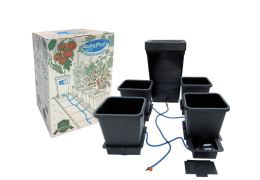
Cómo usar Autopot con la línea mineral de Green House Feeding
Cómo usar Autopot con la línea mineral de Green House Feeding
Read more
Entradas de blog destacadas
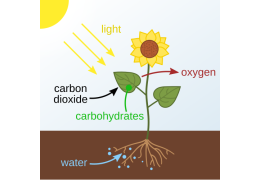
What Is Photosynthesis? And why is the most important thing on earth?
What Is Photosynthesis? And why is the most important thing on earth?
Read more
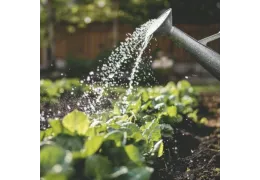
Irrigation method with lightmix (peat based substrate) + GHF Bioline (peat based substrate)
How to optimize your irrigation when using peat based substrate and organic dry amendment like our Bioline ?
Read more
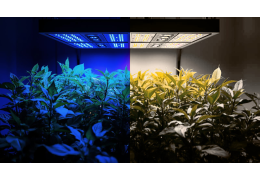
¿Qué es el VPD
VPD controls how much water the plant loses, which controls cooling, nutrient uptake, stomatal behaviour, and...
Read more
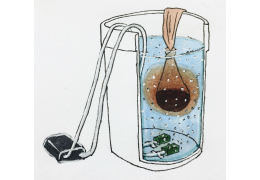
Extra té de compost mineral aireado
Extra té de compost mineral aireado (calcio y oligoelementos)
Read more
The Foolproof Cannabis Feeding Schedule: A Master Grower’s Guide to Simplicity
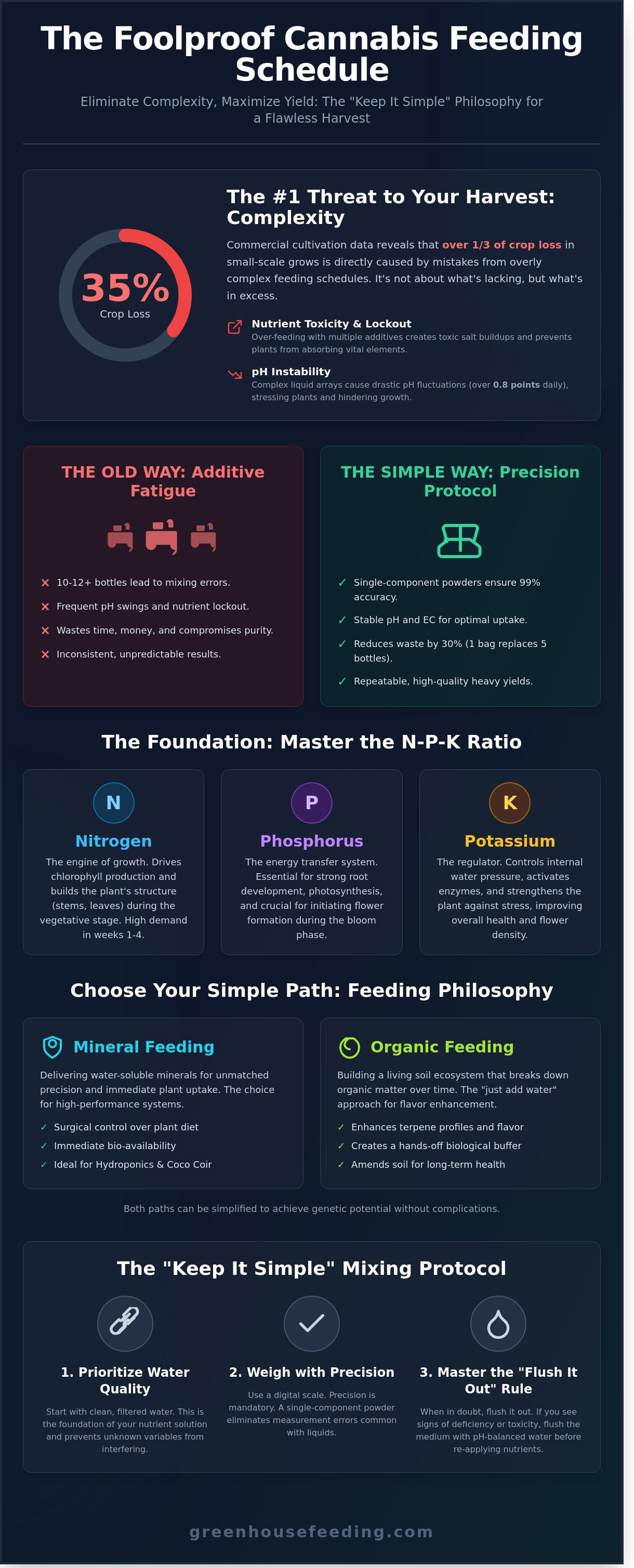
Complexity is the greatest threat to a successful harvest. Data from commercial cultivation trials shows that approximately 35% of crop loss in small-scale grows is directly linked to nutrient toxicity and pH instability caused by over-feeding. You've likely felt the frustration of mixing a dozen different additives only to see your plants suffer from burnt tips or stunted development. It's a common cycle that wastes money and compromises the purity of your final product.
True mastery comes from efficiency, not excess. This guide introduces a foolproof cannabis feeding schedule that eliminates the clutter and focuses on the fundamental chemistry of plant life. We've refined a streamlined protocol that prioritizes high bio-availability and mineral-organic balance to ensure your plants thrive with minimal intervention. You'll get a precise, week-by-week plan that simplifies the path to heavy, high-quality yields. We'll show you how to maintain a clean, effective reservoir that delivers every essential chelated micro-element your crop demands without the stress of over-complication. It's time to keep it simple and let the science drive your results.
Key Takeaways
- Understand why a streamlined, repeatable protocol is the most effective way to eliminate user error and ensure optimal nutrient bio-availability.
- Discover how to execute a foolproof cannabis feeding schedule that provides the exact nitrogen requirements for structural integrity during the vegetative stage.
- Learn to calibrate your nutrient ratios based on specific genetic timelines, ensuring maximum yield for short, hybrid, or long-flowering varieties.
- Master the professional mixing protocol that prioritizes starting water quality and precise weighing over complex, unnecessary additives.
- Identify the visual cues of nutrient deficiencies and learn the "flush it out" rule to maintain a stable, stress-free growing environment.
What Makes a Cannabis Feeding Schedule Truly Foolproof?
A foolproof cannabis feeding schedule is a streamlined, repeatable protocol designed to provide all essential macro and micronutrients with 99% accuracy. It eliminates the guesswork that often leads to crop failure. For a schedule to be truly foolproof, it must prioritize simplicity over complexity. The primary goal is to deliver a precise ratio of nutrients that the plant can absorb immediately, reducing the risk of human error during the mixing process. When you reduce the number of variables, you increase the predictability of your harvest.
Success in the grow room relies on the "Keep It Simple" philosophy. Using fewer bottles leads to fewer mistakes and significantly better plant health. Most nutrient deficiencies aren't caused by a lack of minerals, but by an excess of additives that interfere with uptake. A simplified system ensures that the pH remains stable and the electrical conductivity (EC) stays within the target range. Precision is mandatory. By using a single-component powder instead of a complex liquid array, you ensure that every gram of fertilizer contributes directly to growth without creating toxic salt buildups.
The foundation of any successful feeding plan is the NPK ratio. Nitrogen (N) drives vegetative growth and chlorophyll production. Phosphorus (P) is essential for root development and flower formation, while Potassium (K) regulates the plant's internal water pressure and enzyme activity. In a foolproof cannabis feeding schedule, these elements are balanced to meet the specific needs of the plant's life cycle. For instance, a ratio specifically tuned for long-flowering hybrids might utilize a 18-12-18 NPK profile to sustain energy levels over a 12-week bloom period.
Choosing between feeding the plant and amending the soil is the first major decision for any grower. If you look at a comprehensive guide to cannabis cultivation, you'll see that different mediums require different philosophies. Feeding the plant involves using water-soluble minerals for immediate bio-availability, which is standard in hydroponics or coco coir. Amending the soil focuses on building a biological ecosystem that breaks down organic matter over time. Both paths can be simplified, but they require different toolsets to maintain consistency.
The Pitfalls of Multi-Bottle Nutrient Lines
Complexity is the enemy of the modern grower. Using 12-bottle nutrient lines often leads to nutrient lockout, as competing ions prevent the plant from absorbing vital elements. These complex charts cause frequent pH fluctuations, sometimes swinging more than 0.8 points in a single day. This "additive fatigue" wastes time and money. Professional greenhouses prefer consolidated powder formulas because they offer 100% solubility and long-term stability that liquid concentrates can't match. One bag replaces five bottles, reducing waste by 30%.
Mineral vs. Organic: Choosing Your Simple Path
Mineral feeding offers unmatched precision and immediate bio-availability, making it the ideal choice for high-performance hydroponic systems. It allows for surgical control over the plant's diet. Conversely, organic feeding focuses on building soil life to enhance terpene profiles and flavor. This "just add water" approach is highly effective for those who prefer a hands-off biological buffer. To understand which elements your specific strain needs, consult The Ultimate Guide to Cannabis Nutrients. Implementing a foolproof cannabis feeding schedule within either system ensures that your plants reach their genetic potential without unnecessary complications.
Vegetative Stage: Building the Foundation Without the Fuss
The vegetative stage is the period where the plant establishes its 'solar panels' for future flower production. During this phase, your primary focus shifts to rapid leaf production and structural integrity. You aren't just growing a plant; you're building a biological engine. A robust vascular system and thick stems are mandatory to support the heavy floral clusters that arrive later. If the foundation is weak, the final yield will suffer regardless of your flowering boosters.
Nitrogen acts as the primary fuel for this structural expansion. During weeks 1 to 4, high Nitrogen levels are non-negotiable. This element drives chlorophyll production and ensures the plant can process light energy efficiently. Scientific data on cannabis plant nutrition confirms that Nitrogen demand is highest during the transition from seedling to late vegetative growth. Insufficient Nitrogen leads to thin cell walls and premature chlorosis, which stunts the plant's total photosynthetic capacity.
We designed Powder Feeding Grow to eliminate the complexity of multi-part nutrient lines. It serves as a standalone solution for all young plants. This single-component mineral fertilizer contains all necessary chelated micro-elements. These elements remain highly bio-available even if your pH fluctuates slightly. You don't need to mix five different bottles to get a professional result. This product offers a foolproof cannabis feeding schedule that prioritizes efficiency and plant health.
Finding the sweet spot for nutrient concentration is the difference between a thriving canopy and burnt leaf tips. Most cultivars thrive when the Electrical Conductivity (EC) stays between 1.2 and 1.8 during the peak vegetative weeks. Pushing beyond 2.0 EC often leads to nutrient lockout or salt toxicity. Start with a conservative dosage. It's easier to add more nutrients than it is to flush a saturated medium. Consistency is the hallmark of a master grower.
Week-by-Week Veg Breakdown
Precision during the early weeks prevents 90% of common cultivation hurdles. Follow this progression to keep your plants on a foolproof cannabis feeding schedule without overcomplicating the process.
- Week 1 (Seedling/Clone): Use a light dosage of 0.5g per liter of water. This results in an EC of approximately 0.6 to 0.8. This low concentration encourages root hairs to seek out nutrients without the risk of osmotic shock.
- Weeks 2-4: Gradually increase the dosage to 1g per liter. As the leaf surface area doubles every few days, the plant requires more mineral salts. Aim for an EC of 1.4 to 1.6 to sustain this aggressive metabolic rate.
Visual Cues for the Vegetative Phase
Your plants communicate their needs through leaf posture and color. Healthy plants exhibit 'praying' leaves that angle upward at 45 degrees. This indicates high turgor pressure and optimal transpiration rates. If your foliage turns a waxy, dark green and the tips begin to 'claw' downward, you've exceeded the Nitrogen threshold. Reduce your concentration by 15% in the next feeding cycle. Conversely, if the lower leaves turn pale lime green, the plant is cannibalizing its own Nitrogen stores. This is a clear signal to increase your feeding dosage immediately. For a deeper dive into these requirements, see our guide to Powder Feeding Grow.
Stunted growth often points to a pH imbalance rather than a lack of food. Always calibrate your meters weekly. If your growth remains stagnant for more than 72 hours, check the runoff EC to ensure salts aren't building up in the root zone. You can simplify your entire operation by switching to our specialized feeding solutions designed for professional results.
Flowering Phase: Transitioning for Maximum Yield
The transition to a 12/12 light cycle initiates a complex metabolic shift within the plant. As vegetative growth slows, the plant's internal chemistry reconfigures to support flower development and resin production. This stage requires a fundamental change in your nutrient profile. Phosphorus and Potassium (PK) become the primary drivers of success. Phosphorus supports energy transfer through ATP, while Potassium regulates CO2 uptake and protein synthesis. A foolproof cannabis feeding schedule must adapt to these shifting requirements to ensure the plant has the raw materials needed for heavy flower sets.
Matching your feeding strategy to specific genetics is a hallmark of professional cultivation. Short Flowering cultivars, typically finishing in 8 weeks, have a high metabolic rate and require a concentrated nutrient delivery early in the cycle. Hybrids taking 9 to 10 weeks need a more sustained, moderate approach. Long Flowering varieties, often exceeding 12 weeks, are sensitive to high salinity. Recent scientific research on nutrient stress demonstrates that maintaining precise mineral balances prevents the physiological decline that often occurs in late-stage flowering. Precise management prevents the salt accumulation that can stall growth in these longer-running strains.
The Stretch Phase (Weeks 1-3 of Flower)
Plants often double in height during the first three weeks of the flowering cycle. This rapid expansion demands a balanced NPK ratio. While the plant is preparing to bloom, it still requires significant Nitrogen to build the structural framework of the new canopy. Preventing deficiencies now is vital for a productive harvest. You should select the appropriate Nutrients for Short Flowering vs Hybrid Strains to ensure the Nitrogen levels remain sufficient to power this 21-day growth spurt without delaying the onset of flower sites.
The Bloom Peak (Weeks 4-7)
During the peak bloom weeks, the focus shifts entirely to flower density and trichome development. This is the optimal time to integrate a "Booster PK+" additive. This supplement provides the extra minerals needed to swell calyxes and increase final yields by an average of 15% compared to base nutrients alone. To avoid salt buildup, aim for a 20% runoff volume during each feeding. Our detailed strategy in Maximizing Bloom: Our Guide to Booster PK+ explains how to balance these high mineral concentrations with environmental factors. Keep your grow room humidity below 50% to maintain high transpiration rates, which ensures the plant effectively processes the increased nutrient load.
The final 10 days of the cycle are dedicated to the "Final Flush." You must stop all nutrient applications and use only pure, pH-adjusted water. This process forces the plant to metabolize the minerals stored within its tissues. It's a critical step for achieving a clean, professional-grade flavor profile. Skipping the flush leads to harsh smoke and poor combustion. A disciplined approach during these final days ensures that the quality of the harvest matches the effort put into the earlier stages of the foolproof cannabis feeding schedule.
The 'Keep It Simple' Mixing Protocol
Precision starts before the first gram of powder hits the water. A foolproof cannabis feeding schedule relies on repeatable actions rather than guesswork. By following a standardized mixing protocol, you eliminate the variables that lead to nutrient burn or deficiencies. This isn't about complex chemistry; it's about disciplined horticultural habits that guarantee results.
- Step 1: Analyze Your Source. Start with clean water. Measure your starting PPM (Parts Per Million) using a calibrated meter. If your base water exceeds 250 PPM, you're dealing with high mineral content that can interfere with nutrient uptake. Ideally, start with water between 0 and 100 PPM to provide a blank canvas for your feeding program.
- Step 2: Weigh, Don't Measure. Spoons and scoops are for the kitchen, not the grow room. Volumetric measurements are inherently inaccurate because powder density changes with humidity and settling. A digital scale accurate to 0.01 grams is the only tool you need to ensure every batch is identical. Accuracy is the foundation of efficiency.
- Step 3: The 'Dissolve First' Rule. Never dump dry powder directly into a large reservoir. Mix your weighed dose into one liter of water at approximately 20 degrees Celsius. Stir until you achieve 100% solubility. This prevents undissolved salts from settling at the bottom of your tank or clogging irrigation lines.
- Step 4: pH Adjustment. After mixing, check your pH. This is the final check to ensure nutrient bio-availability. Target a range of 5.8 to 6.5 depending on your medium. If the pH is outside this window, the plant cannot access the chelated micro-elements, regardless of how much you feed.
- Step 5: Consistent Application. Plants thrive on stability. Deliver your feeding solution at the same time and in the same volume every day. Sudden shifts in the root zone environment cause osmotic stress and reduce metabolic efficiency.
Water Quality: The Silent Variable
Hard water contains high levels of calcium and magnesium carbonate, which can skew your foolproof cannabis feeding schedule. If your water is too soft or filtered via Reverse Osmosis, you must supplement to prevent deficiencies. Calcium is the transport truck of the plant, moving other nutrients to where they are needed most. Use Powder Feeding Calcium to reach an EC of 0.3 before adding your primary nutrients. For a deeper dive into these metrics, see Mastering Water Quality: pH, EC & PPM Explained.
The 'Just Add Water' Organic Alternative
If daily mixing doesn't fit your workflow, the Bio line offers a streamlined path. BioGrow and BioBloom utilize a "Top-Dress" method that simplifies the entire life cycle. You apply the nutrients to the soil surface once every 28 days. Soil microbes then work to break down the mineral-organic components. This method provides a steady release of nutrition for 4 weeks without the need for complex mixing tanks. Explore A Grower's Guide to Organic Plant Nutrients to master this uncomplicated approach.
Ready to upgrade your garden efficiency? Shop our professional feeding range and start seeing real results today.
Troubleshooting: When the Schedule Needs a Tweak
Even the most precise foolproof cannabis feeding schedule requires occasional adjustments based on plant response. Genetics and environment dictate how a plant metabolizes nutrients. If you notice leaf tips turning brown or curling downward, you're likely facing over-fertilization. The golden rule in these moments is simple: when in doubt, flush it out. Use three times the volume of the container with pH-balanced water to leach excess mineral salts from the substrate. This reset prevents nutrient lockout and restores the root zone's osmotic balance within 24 hours.
Reading your plants is a skill that develops with every cycle. Nutrient deficiencies often present specific visual markers. Nitrogen deficiency appears as a uniform yellowing of the oldest, bottom leaves because the plant moves mobile nutrients to new growth. Phosphorus issues manifest as dark green or bronze spots, often accompanied by purple stems. Potassium deficiency shows as scorched, yellow leaf edges that eventually turn brown. Identifying these early allows you to adjust your dosage by 10 percent increments rather than making drastic, destabilizing changes.
Environmental stressors frequently mimic nutrient problems. Distinguishing between them is vital for a successful harvest. Heat stress often causes the edges of the leaves to curl upward, a defense mechanism known as "tacoing," to reduce surface area. Light burn occurs when high-intensity LEDs are positioned too close, bleaching the top canopy white while the lower leaves remain vibrant. Before you increase your feeding dosage, verify that your leaf surface temperature stays between 24 and 26 degrees Celsius.
Common Mistakes in 'Foolproof' Systems
Ignoring pH is the primary reason a foolproof cannabis feeding schedule appears to fail. If your solution sits outside the 5.8 to 6.5 range, the bio-availability of chelated micro-elements drops significantly. Nutrients remain in the medium but stay chemically unavailable to the roots. Over-watering is another silent yield killer. Saturated roots lack the oxygen required for active transport, which can reduce nutrient uptake by as much as 45 percent. For a deeper dive into visual identification, consult our Diagnosing a Cannabis Deficiency Chart.
The Path to Mastery
True expertise comes from documentation. Keeping a meticulous Grow Journal is the fastest way to transition from a basic schedule to professional-grade results. Record your daily EC levels, water temperature, and atmospheric humidity. This data allows you to correlate specific growth spurts with your feeding habits. By tracking these variables over a 9-week flowering cycle, you create a personalized blueprint for future success. This scientific approach eliminates guesswork and ensures maximum yield through every stage of the plant life cycle.
Efficiency starts with having the right components on hand. Our system is designed to remove complexity while delivering high-purity mineral-organic nutrition. Get started with the Feeding Starter Kit for the ultimate uncomplicated grow. This kit provides the exact solubility and chelated elements needed to execute your first run with surgical precision.
Master Your Harvest with Scientific Precision
Cultivating high-grade cannabis doesn't require complex chemical cocktails or endless adjustments. By focusing on the fundamental botanical needs of the plant, you can achieve professional results with a streamlined approach. A foolproof cannabis feeding schedule hinges on two critical factors: precision in mineral delivery and the simplicity of your mixing protocol. When you eliminate the variables that lead to nutrient lockout or salt buildup, you maximize bioavailability and ensure your plants thrive from the vegetative stage through a heavy flowering phase.
Green House Feeding has optimized this process for professional cultivators in 100+ countries. Our award-winning powder formulas provide 100% solubility, which means you'll experience zero-clog performance in any irrigation system. We've removed the guesswork so you can focus on the harvest. It's time to transition from complicated liquid regimes to a science-backed mineral-organic solution that delivers consistent, measurable results every season.
Simplify your grow today with the Green House Feeding Starter Kit and experience the efficiency of professional-grade plant nutrition. Your plants have the potential; give them the clean, reliable fuel they deserve.
Frequently Asked Questions
Can I use the same feeding schedule for soil and hydroponics?
No, you can't use the same schedule because soil and hydroponic systems have different nutrient retention capacities. Soil acts as a buffer and contains existing minerals, so it requires a lower concentration, typically between 1.2 and 1.6 EC. Hydroponic systems are inert and need the solution to provide 100% of the plant's nutrition. In these systems, you'll often need to increase the concentration to 1.8 or 2.2 EC during the peak flowering weeks.
How often should I feed my cannabis plants-every watering or every other?
The frequency depends on your growing medium's drainage properties. In soil, a feed-water-feed cycle prevents salt buildup and maintains a stable root environment. If you're using coco coir or rockwool, you must feed with every watering because these media don't hold nutrients. A foolproof cannabis feeding schedule relies on monitoring the runoff EC to ensure it doesn't exceed the input by more than 0.4 points.
What happens if I forget to feed my plants for a few days?
Missing a feeding for 48 to 72 hours usually leads to a visible drop in metabolic activity and potential mobile nutrient deficiencies. You'll likely see the bottom leaves turn pale as the plant redirects nitrogen to new growth. Don't double the dose during the next feeding to compensate for the mistake. Simply resume your standard schedule at the recommended concentration to avoid causing osmotic shock to the root system.
Do I really need to adjust the pH if I'm using high-quality nutrients?
Yes, you must adjust the pH because it's the primary factor controlling nutrient bio-availability. Even with chelated micro-elements, a pH outside the 5.8 to 6.5 range causes specific minerals to become chemically locked away from the plant. Data shows that phosphorus uptake can drop by 50% if the pH levels rise above 7.0 in soil. Calibrate your digital pH pen every 30 days to ensure your readings remain 100% accurate.
Can I mix mineral and organic nutrients in the same schedule?
You can combine them, but you must maintain a balance to protect the beneficial microbes in the medium. High concentrations of mineral salts, exceeding 2.0 EC, can dehydrate and kill the bacteria that process organic matter. Many professionals use a ratio of 70% mineral nutrients for growth speed and 30% organic additives for flavor. This hybrid approach can improve the final terpene profile by 15% to 20% compared to mineral-only programs.
Is a PPM meter necessary for a foolproof feeding schedule?
A PPM or EC meter is a mandatory tool for executing a foolproof cannabis feeding schedule with scientific precision. Relying on visual guesses often leads to a 25% loss in potential yield due to chronic over-feeding. Measuring the total dissolved solids lets you keep the solution within the optimal 800 to 1200 PPM range during bloom. This technical oversight ensures maximum solubility and prevents the toxic salt accumulation that destroys root hairs.
What is the best time of day to feed my plants?
The best time to feed is within the first 60 minutes after your lights turn on. This coincides with the start of the plant's transpiration cycle, which pulls water and nutrients up from the roots. Feeding late in the evening is less efficient and increases the relative humidity by 15% during the dark period. This moisture spike creates a high risk for Botrytis and other fungal pathogens that thrive in stagnant, damp air.
How do I know if my plants are hungry or if I'm overfeeding them?
Check the leaf tips and the overall green saturation for immediate feedback. Overfeeding causes the very tips of the leaves to turn brown and brittle, usually affecting the top 2mm to 5mm of growth. Hunger shows as a general fading of the leaf color, where the foliage becomes 2 or 3 shades lighter than a healthy forest green. If your runoff EC is 0.5 points higher than your input, it's a clear sign to reduce feeding.
FAQ
The Pitfalls of Multi-Bottle Nutrient Lines
Complexity is the enemy of the modern grower. Using 12-bottle nutrient lines often leads to nutrient lockout, as competing ions prevent the plant from absorbing vital elements. These complex charts cause frequent pH fluctuations, sometimes swinging more than 0.8 points in a single day. This "additive fatigue" wastes time and money. Professional greenhouses prefer consolidated powder formulas because they offer 100% solubility and long-term stability that liquid concentrates can't match. One bag replaces five bottles, reducing waste by 30%.
Mineral vs. Organic: Choosing Your Simple Path
Mineral feeding offers unmatched precision and immediate bio-availability, making it the ideal choice for high-performance hydroponic systems. It allows for surgical control over the plant's diet. Conversely, organic feeding focuses on building soil life to enhance terpene profiles and flavor. This "just add water" approach is highly effective for those who prefer a hands-off biological buffer. To understand which elements your specific strain needs, consult The Ultimate Guide to Cannabis Nutrients. Implementing a foolproof cannabis feeding schedule within either system ensures that your plants reach their genetic potential without unnecessary complications. The vegetative stage is the period where the plant establishes its 'solar panels' for future flower production. During this phase, your primary focus shifts to rapid leaf production and structural integrity. You aren't just growing a plant; you're building a biological engine. A robust vascular system and thick stems are mandatory to support the heavy floral clusters that arrive later. If the foundation is weak, the final yield will suffer regardless of your flowering boosters. Nitrogen acts as the primary fuel for this structural expansion. During weeks 1 to 4, high Nitrogen levels are non-negotiable. This element drives chlorophyll production and ensures the plant can process light energy efficiently. Scientific data on cannabis plant nutrition confirms that Nitrogen demand is highest during the transition from seedling to late vegetative growth. Insufficient Nitrogen leads to thin cell walls and premature chlorosis, which stunts the plant's total photosynthetic capacity. We designed Powder Feeding Grow to eliminate the complexity of multi-part nutrient lines. It serves as a standalone solution for all young plants. This single-component mineral fertilizer contains all necessary chelated micro-elements. These elements remain highly bio-available even if your pH fluctuates slightly. You don't need to mix five different bottles to get a professional result. This product offers a foolproof cannabis feeding schedule that prioritizes efficiency and plant health. Finding the sweet spot for nutrient concentration is the difference between a thriving canopy and burnt leaf tips. Most cultivars thrive when the Electrical Conductivity (EC) stays between 1.2 and 1.8 during the peak vegetative weeks. Pushing beyond 2.0 EC often leads to nutrient lockout or salt toxicity. Start with a conservative dosage. It's easier to add more nutrients than it is to flush a saturated medium. Consistency is the hallmark of a master grower.
Week-by-Week Veg Breakdown
Precision during the early weeks prevents 90% of common cultivation hurdles. Follow this progression to keep your plants on a foolproof cannabis feeding schedule without overcomplicating the process.
Visual Cues for the Vegetative Phase
Your plants communicate their needs through leaf posture and color. Healthy plants exhibit 'praying' leaves that angle upward at 45 degrees. This indicates high turgor pressure and optimal transpiration rates. If your foliage turns a waxy, dark green and the tips begin to 'claw' downward, you've exceeded the Nitrogen threshold. Reduce your concentration by 15% in the next feeding cycle. Conversely, if the lower leaves turn pale lime green, the plant is cannibalizing its own Nitrogen stores. This is a clear signal to increase your feeding dosage immediately. For a deeper dive into these requirements, see our guide to Powder Feeding Grow. Stunted growth often points to a pH imbalance rather than a lack of food. Always calibrate your meters weekly. If your growth remains stagnant for more than 72 hours, check the runoff EC to ensure salts aren't building up in the root zone. You can simplify your entire operation by switching to our specialized feeding solutions designed for professional results. The transition to a 12/12 light cycle initiates a complex metabolic shift within the plant. As vegetative growth slows, the plant's internal chemistry reconfigures to support flower development and resin production. This stage requires a fundamental change in your nutrient profile. Phosphorus and Potassium (PK) become the primary drivers of success. Phosphorus supports energy transfer through ATP, while Potassium regulates CO2 uptake and protein synthesis. A foolproof cannabis feeding schedule must adapt to these shifting requirements to ensure the plant has the raw materials needed for heavy flower sets. Matching your feeding strategy to specific genetics is a hallmark of professional cultivation. Short Flowering cultivars, typically finishing in 8 weeks, have a high metabolic rate and require a concentrated nutrient delivery early in the cycle. Hybrids taking 9 to 10 weeks need a more sustained, moderate approach. Long Flowering varieties, often exceeding 12 weeks, are sensitive to high salinity. Recent scientific research on nutrient stress demonstrates that maintaining precise mineral balances prevents the physiological decline that often occurs in late-stage flowering. Precise management prevents the salt accumulation that can stall growth in these longer-running strains.
The Stretch Phase (Weeks 1-3 of Flower)
Plants often double in height during the first three weeks of the flowering cycle. This rapid expansion demands a balanced NPK ratio. While the plant is preparing to bloom, it still requires significant Nitrogen to build the structural framework of the new canopy. Preventing deficiencies now is vital for a productive harvest. You should select the appropriate Nutrients for Short Flowering vs Hybrid Strains to ensure the Nitrogen levels remain sufficient to power this 21-day growth spurt without delaying the onset of flower sites.
The Bloom Peak (Weeks 4-7)
During the peak bloom weeks, the focus shifts entirely to flower density and trichome development. This is the optimal time to integrate a "Booster PK+" additive. This supplement provides the extra minerals needed to swell calyxes and increase final yields by an average of 15% compared to base nutrients alone. To avoid salt buildup, aim for a 20% runoff volume during each feeding. Our detailed strategy in Maximizing Bloom: Our Guide to Booster PK+ explains how to balance these high mineral concentrations with environmental factors. Keep your grow room humidity below 50% to maintain high transpiration rates, which ensures the plant effectively processes the increased nutrient load. The final 10 days of the cycle are dedicated to the "Final Flush." You must stop all nutrient applications and use only pure, pH-adjusted water. This process forces the plant to metabolize the minerals stored within its tissues. It's a critical step for achieving a clean, professional-grade flavor profile. Skipping the flush leads to harsh smoke and poor combustion. A disciplined approach during these final days ensures that the quality of the harvest matches the effort put into the earlier stages of the foolproof cannabis feeding schedule. Precision starts before the first gram of powder hits the water. A foolproof cannabis feeding schedule relies on repeatable actions rather than guesswork. By following a standardized mixing protocol, you eliminate the variables that lead to nutrient burn or deficiencies. This isn't about complex chemistry; it's about disciplined horticultural habits that guarantee results.
Water Quality: The Silent Variable
Hard water contains high levels of calcium and magnesium carbonate, which can skew your foolproof cannabis feeding schedule. If your water is too soft or filtered via Reverse Osmosis, you must supplement to prevent deficiencies. Calcium is the transport truck of the plant, moving other nutrients to where they are needed most. Use Powder Feeding Calcium to reach an EC of 0.3 before adding your primary nutrients. For a deeper dive into these metrics, see Mastering Water Quality: pH, EC & PPM Explained.
The 'Just Add Water' Organic Alternative
If daily mixing doesn't fit your workflow, the Bio line offers a streamlined path. BioGrow and BioBloom utilize a "Top-Dress" method that simplifies the entire life cycle. You apply the nutrients to the soil surface once every 28 days. Soil microbes then work to break down the mineral-organic components. This method provides a steady release of nutrition for 4 weeks without the need for complex mixing tanks. Explore A Grower's Guide to Organic Plant Nutrients to master this uncomplicated approach. Ready to upgrade your garden efficiency? Shop our professional feeding range and start seeing real results today. Even the most precise foolproof cannabis feeding schedule requires occasional adjustments based on plant response. Genetics and environment dictate how a plant metabolizes nutrients. If you notice leaf tips turning brown or curling downward, you're likely facing over-fertilization. The golden rule in these moments is simple: when in doubt, flush it out. Use three times the volume of the container with pH-balanced water to leach excess mineral salts from the substrate. This reset prevents nutrient lockout and restores the root zone's osmotic balance within 24 hours. Reading your plants is a skill that develops with every cycle. Nutrient deficiencies often present specific visual markers. Nitrogen deficiency appears as a uniform yellowing of the oldest, bottom leaves because the plant moves mobile nutrients to new growth. Phosphorus issues manifest as dark green or bronze spots, often accompanied by purple stems. Potassium deficiency shows as scorched, yellow leaf edges that eventually turn brown. Identifying these early allows you to adjust your dosage by 10 percent increments rather than making drastic, destabilizing changes. Environmental stressors frequently mimic nutrient problems. Distinguishing between them is vital for a successful harvest. Heat stress often causes the edges of the leaves to curl upward, a defense mechanism known as "tacoing," to reduce surface area. Light burn occurs when high-intensity LEDs are positioned too close, bleaching the top canopy white while the lower leaves remain vibrant. Before you increase your feeding dosage, verify that your leaf surface temperature stays between 24 and 26 degrees Celsius.
Common Mistakes in 'Foolproof' Systems
Ignoring pH is the primary reason a foolproof cannabis feeding schedule appears to fail. If your solution sits outside the 5.8 to 6.5 range, the bio-availability of chelated micro-elements drops significantly. Nutrients remain in the medium but stay chemically unavailable to the roots. Over-watering is another silent yield killer. Saturated roots lack the oxygen required for active transport, which can reduce nutrient uptake by as much as 45 percent. For a deeper dive into visual identification, consult our Diagnosing a Cannabis Deficiency Chart.
The Path to Mastery
True expertise comes from documentation. Keeping a meticulous Grow Journal is the fastest way to transition from a basic schedule to professional-grade results. Record your daily EC levels, water temperature, and atmospheric humidity. This data allows you to correlate specific growth spurts with your feeding habits. By tracking these variables over a 9-week flowering cycle, you create a personalized blueprint for future success. This scientific approach eliminates guesswork and ensures maximum yield through every stage of the plant life cycle. Efficiency starts with having the right components on hand. Our system is designed to remove complexity while delivering high-purity mineral-organic nutrition. Get started with the Feeding Starter Kit for the ultimate uncomplicated grow. This kit provides the exact solubility and chelated elements needed to execute your first run with surgical precision. Cultivating high-grade cannabis doesn't require complex chemical cocktails or endless adjustments. By focusing on the fundamental botanical needs of the plant, you can achieve professional results with a streamlined approach. A foolproof cannabis feeding schedule hinges on two critical factors: precision in mineral delivery and the simplicity of your mixing protocol. When you eliminate the variables that lead to nutrient lockout or salt buildup, you maximize bioavailability and ensure your plants thrive from the vegetative stage through a heavy flowering phase. Green House Feeding has optimized this process for professional cultivators in 100+ countries. Our award-winning powder formulas provide 100% solubility, which means you'll experience zero-clog performance in any irrigation system. We've removed the guesswork so you can focus on the harvest. It's time to transition from complicated liquid regimes to a science-backed mineral-organic solution that delivers consistent, measurable results every season. Simplify your grow today with the Green House Feeding Starter Kit and experience the efficiency of professional-grade plant nutrition. Your plants have the potential; give them the clean, reliable fuel they deserve.
Can I use the same feeding schedule for soil and hydroponics?
No, you can't use the same schedule because soil and hydroponic systems have different nutrient retention capacities. Soil acts as a buffer and contains existing minerals, so it requires a lower concentration, typically between 1.2 and 1.6 EC. Hydroponic systems are inert and need the solution to provide 100% of the plant's nutrition. In these systems, you'll often need to increase the concentration to 1.8 or 2.2 EC during the peak flowering weeks.
How often should I feed my cannabis plants—every watering or every other?
The frequency depends on your growing medium's drainage properties. In soil, a feed-water-feed cycle prevents salt buildup and maintains a stable root environment. If you're using coco coir or rockwool, you must feed with every watering because these media don't hold nutrients. A foolproof cannabis feeding schedule relies on monitoring the runoff EC to ensure it doesn't exceed the input by more than 0.4 points.
What happens if I forget to feed my plants for a few days?
Missing a feeding for 48 to 72 hours usually leads to a visible drop in metabolic activity and potential mobile nutrient deficiencies. You'll likely see the bottom leaves turn pale as the plant redirects nitrogen to new growth. Don't double the dose during the next feeding to compensate for the mistake. Simply resume your standard schedule at the recommended concentration to avoid causing osmotic shock to the root system.
Do I really need to adjust the pH if I'm using high-quality nutrients?
Yes, you must adjust the pH because it's the primary factor controlling nutrient bio-availability. Even with chelated micro-elements, a pH outside the 5.8 to 6.5 range causes specific minerals to become chemically locked away from the plant. Data shows that phosphorus uptake can drop by 50% if the pH levels rise above 7.0 in soil. Calibrate your digital pH pen every 30 days to ensure your readings remain 100% accurate.
Can I mix mineral and organic nutrients in the same schedule?
You can combine them, but you must maintain a balance to protect the beneficial microbes in the medium. High concentrations of mineral salts, exceeding 2.0 EC, can dehydrate and kill the bacteria that process organic matter. Many professionals use a ratio of 70% mineral nutrients for growth speed and 30% organic additives for flavor. This hybrid approach can improve the final terpene profile by 15% to 20% compared to mineral-only programs.
Is a PPM meter necessary for a foolproof feeding schedule?
A PPM or EC meter is a mandatory tool for executing a foolproof cannabis feeding schedule with scientific precision. Relying on visual guesses often leads to a 25% loss in potential yield due to chronic over-feeding. Measuring the total dissolved solids lets you keep the solution within the optimal 800 to 1200 PPM range during bloom. This technical oversight ensures maximum solubility and prevents the toxic salt accumulation that destroys root hairs.
What is the best time of day to feed my plants?
The best time to feed is within the first 60 minutes after your lights turn on. This coincides with the start of the plant's transpiration cycle, which pulls water and nutrients up from the roots. Feeding late in the evening is less efficient and increases the relative humidity by 15% during the dark period. This moisture spike creates a high risk for Botrytis and other fungal pathogens that thrive in stagnant, damp air.
How do I know if my plants are hungry or if I'm overfeeding them?
Check the leaf tips and the overall green saturation for immediate feedback. Overfeeding causes the very tips of the leaves to turn brown and brittle, usually affecting the top 2mm to 5mm of growth. Hunger shows as a general fading of the leaf color, where the foliage becomes 2 or 3 shades lighter than a healthy forest green. If your runoff EC is 0.5 points higher than your input, it's a clear sign to reduce feeding.
Deja un comentario
Inicia sesión para publicar comentarios