

 English
 Deutsch
What if the yellowing between your leaf veins isn't a lack of food, but a chemical traffic jam in your root zone?...
Buscar en blog
Categorías de blogs
Entradas de blog populares
¿Qué es el VPD
VPD controls how much water the plant loses, which controls cooling, nutrient uptake, stomatal behaviour, and...
Read more
Cómo usar Autopot con la línea mineral de Green House Feeding
Cómo usar Autopot con la línea mineral de Green House Feeding
Read more
Entradas de blog destacadas
What Is Photosynthesis? And why is the most important thing on earth?
What Is Photosynthesis? And why is the most important thing on earth?
Read more
Irrigation method with lightmix (peat based substrate) + GHF Bioline (peat based substrate)
How to optimize your irrigation when using peat based substrate and organic dry amendment like our Bioline ?
Read more
¿Qué es el VPD
VPD controls how much water the plant loses, which controls cooling, nutrient uptake, stomatal behaviour, and...
Read more
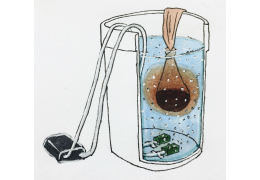
Extra té de compost mineral aireado
Extra té de compost mineral aireado (calcio y oligoelementos)
Read more
The Benefits of Powdered Plant Food: Why Professional Growers Are Switching
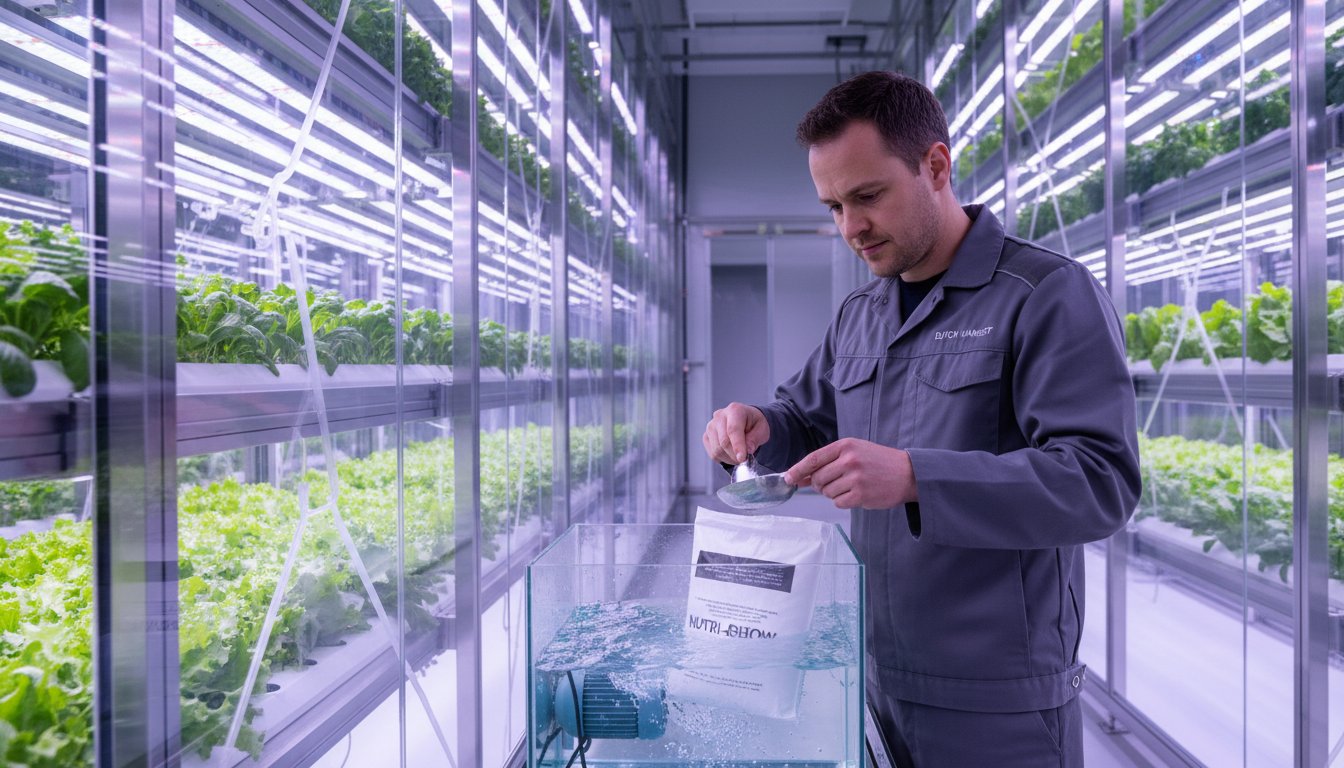
Shipping water is the most expensive mistake in modern commercial horticulture. For years, professional growers have tolerated heavy liquid bottles and the 30% surge in freight costs seen since 2022. You've likely faced the frustration of nutrient fallout or the logistical nightmare of managing a ten-bottle schedule. Understanding the benefits of powdered plant food is the first step toward reclaiming your time and your profit margins. It's an inefficient way to grow that eats into your bottom line and complicates your daily operations.
We believe in a "Keep it Simple" philosophy that prioritizes results and reliability. Dry minerals offer a scientific solution to the instability of liquid concentrates, allowing you to reduce operational overhead by approximately 40% while ensuring your crops receive 100% bio-available nutrition. This guide explains why the industry's top facilities are moving toward expert minimalism to achieve consistent, high-yield results with surgical precision. You'll learn how to stabilize your Feeding program and eliminate the waste inherent in traditional liquid systems.
Key Takeaways
- Understand why dry mineral salts offer superior bio-availability and chemical stability compared to pre-diluted liquid alternatives.
- Explore the logistical benefits of powdered plant food, including reduced storage requirements and lower shipping costs for commercial operations.
- Master the "Golden Rule" of mixing and learn how to monitor EC for precise, pharmaceutical-grade nutrient delivery.
- Discover how the "Keep it Simple" philosophy streamlines your workflow by replacing complex multi-bottle regimens with a highly efficient one-part system.
- Learn to select specialized formulations tailored to your specific plant life cycle to maximize yields and crop quality.
What is Powdered Plant Food and Why Does it Matter?
Powdered plant food consists of high-purity mineral or organic salts that contain the essential NPK and chelated micronutrients required for vigorous growth. It represents a departure from the traditional liquid nutrient model. To truly master plant nutrition, you must understand what are fertilizers and how their physical state affects their efficacy. These dry formulations are engineered for maximum solubility and immediate bio-availability.
The industry is undergoing a massive transformation. By 2026, data suggests that 72% of commercial greenhouses will move toward dry-form nutrients to lower carbon footprints and operational costs. It's a shift toward the "Keep it Simple" philosophy. Shipping water across the globe isn't sustainable or cost-effective. Professional growers are realizing that high-purity powders offer a superior alternative to the cluttered shelves of liquid bottles.
Raw agricultural fertilizers are not the same as professional horticultural powders. Agricultural grade salts often contain impurities or heavy metals that can clog irrigation lines and damage sensitive root systems. Specialized horticultural powders, like those developed by Green House Feeding, use technical-grade minerals. These are designed for 100% solubility, ensuring that your irrigation system stays clean. One of the primary benefits of powdered plant food is this level of pharmaceutical-grade purity that raw salts simply can't match.
The Composition of Professional Powders
Professional powders combine essential minerals with organic additives to ensure a balanced diet. Products like BioGrow and BioBloom incorporate mineral-organic components that simplify the feeding process significantly. Traditional liquid programs often require a 10-bottle system to achieve a complete profile. Green House Feeding consolidates these into a single-component solution based on the plant's life cycle, such as Short Flowering or Long Flowering. This approach reduces the margin for human error by 40% in large-scale operations.
Purity and Concentration
Liquid nutrients are often deceptive. Most bottles contain between 80% and 90% water. This means you're paying to ship a resource you already have at your tap. Because liquids are prone to bacterial growth, they require synthetic preservatives and stabilizers to stay shelf-stable. Powders eliminate these unnecessary chemicals entirely.
Powdered plant food is a 100% active ingredient solution for precise cultivation.
When you remove the water, you gain total control over the concentration. This is one of the most significant benefits of powdered plant food for growers who demand accuracy. You get exactly what's on the label without the fluff. It's a pragmatic choice for those who value results over marketing gimmicks. By switching to dry nutrients, you're investing in the chemistry of growth rather than the logistics of water transport.
The Science of Stability: Bio-availability and Chelation
Chemical stability is the foundation of a successful crop. In the world of plant nutrition, the physical state of your fertilizer dictates how those elements interact before they ever reach the root zone. Liquid nutrients are active solutions. Because they're already dissolved in water, the concentrated minerals are constantly prone to chemical reactions. When calcium and phosphates are squeezed into the same liquid environment, they often react to form insoluble calcium phosphate. This is exactly why many liquid brands require three or four separate bottles to keep incompatible elements apart. One of the primary benefits of powdered plant food is that it bypasses this volatility entirely.
In a dry, powdered state, mineral salts remain inert. They don't react, they don't degrade, and they don't form unwanted compounds. This allows for a complete, all-in-one nutritional profile to exist in a single bag. A comparative analysis of granular vs. liquid fertilizers from Michigan State University Extension points out that while liquids offer convenience for small-scale applications, dry forms provide superior stability and long-term storage benefits. For the professional grower, this means the NPK ratio you buy is the exact NPK ratio your plants receive, even months after the bag is opened.
Chelated Micro-elements Explained
Chelation is a sophisticated chemical process where a mineral ion is "wrapped" in a larger organic molecule. Think of it as a protective claw that prevents the nutrient from reacting with other elements in the water or soil. This is vital because unprotected micro-elements like Iron, Zinc, and Manganese often become "locked out" when the pH of your solution rises above 6.5. GHF uses high-grade chelates that maintain stable bonds across a wide pH range, typically from 3.0 to 9.0. This ensures that every micro-element is immediately bio-available the moment you mix your solution. You don't have to worry about nutrient lockout or complex water chemistry; the science is already built into the powder.
Nutrient Fallout and Shelf Life
Liquid fertilizers are notoriously sensitive to temperature. If a bottle is stored in a warehouse or delivery truck where temperatures drop below 5°C, it can suffer from "salting out." This is when the water can no longer hold the high concentration of minerals in suspension, causing them to crystallize and sink to the bottom. Once these crystals form, they're nearly impossible to re-dissolve, which completely ruins the balance of the fertilizer. Dry powders are immune to this crystallization. You can store them in unheated environments without any risk of product failure.
This physical resilience leads to a much longer shelf life. While many liquid nutrients begin to degrade or "gas off" after 12 to 24 months, high-quality powdered nutrients maintain 100% integrity for over 5 years. This stability allows commercial facilities to buy in bulk, reducing costs without the fear of product degradation. When you simplify your feeding system with dry minerals, you're investing in a product that stays as potent on day 1,000 as it was on day one. There's no sludge, no separation, and no wasted money.
- NPK Integrity: Powders maintain exact ratios for 60+ months.
- Solubility: Modern fine-milled powders dissolve in under 30 seconds.
- Thermal Resistance: Dry minerals aren't affected by freezing or high heat during transport.
The myth that powders are difficult to dissolve is a remnant of old agricultural technology. Modern horticultural powders are engineered for 100% solubility. They don't clog irrigation lines or leave residue in reservoirs. You get the precision of a liquid with the indestructible nature of a solid. This is the expert's approach to mineral nutrition: maximum efficiency with zero unnecessary complications.
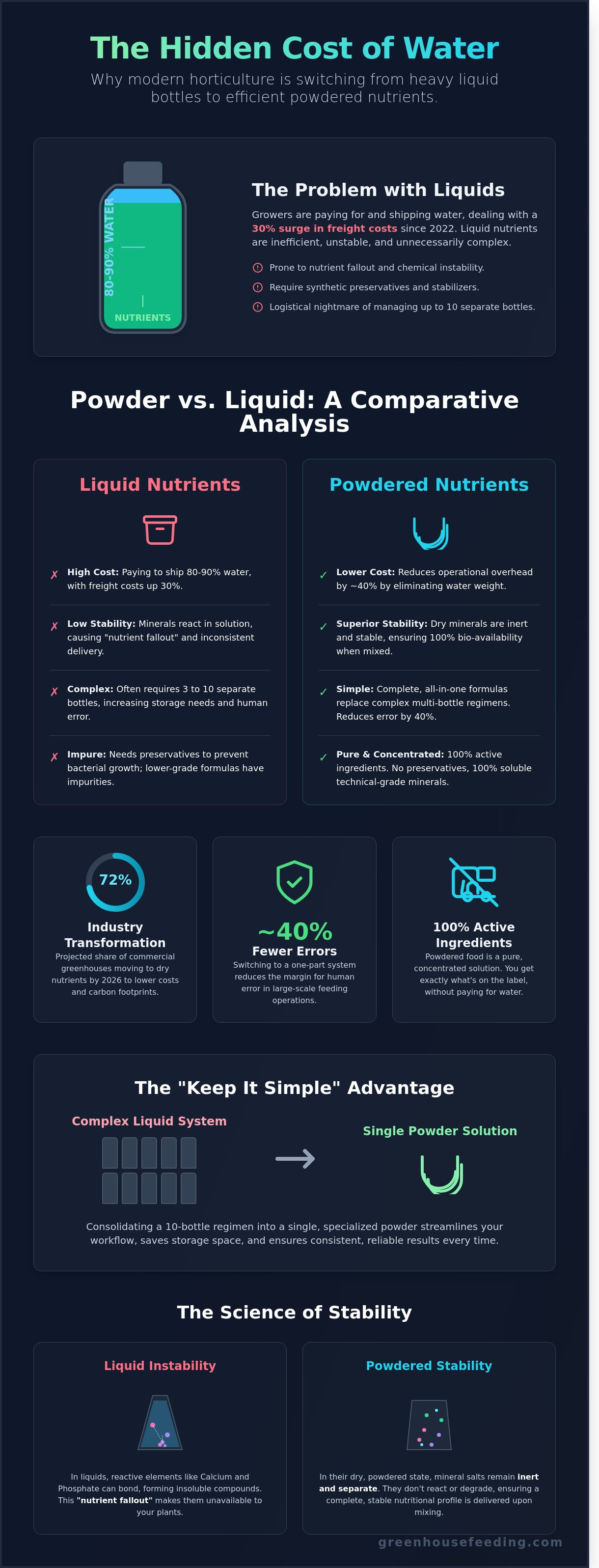
Powder vs. Liquid Nutrients: A Comparative Analysis
Liquid nutrients are often 90% water. When you purchase liquid fertilizers, you pay a premium to ship a resource you already have at your tap. This inefficiency creates unnecessary costs and logistical hurdles for both hobbyists and commercial professionals. One of the primary benefits of powdered plant food is the elimination of this dead weight. By focusing on the raw mineral components, growers regain control over their storage space and their budget.
The Logistics of Large-Scale Growing
Commercial facilities manage thousands of liters of nutrient solution daily. Efficiency is the difference between profit and loss. A single pallet of powdered nutrients can provide the same feeding capacity as five pallets of liquid product. For instance, 1kg of concentrated powder typically replaces 10 liters of liquid fertilizer. This 90% reduction in volume allows a 5,000-square-meter facility to reduce its required storage footprint by 80%. Remote cultivation sites or international operations save thousands in freight costs by avoiding the transport of heavy, water-based solutions. It's a pragmatic approach that aligns with the "Keep it Simple" philosophy.
Environmental and Sustainability Benefits
The horticultural industry faces increasing pressure to reduce its reliance on single-use plastics. Liquid nutrients require heavy-duty HDPE bottles that often end up in landfills. Switching to dry formats drastically cuts plastic waste. Shipping 1kg of Powder Feeding generates approximately 90% less CO2 emissions than transporting its liquid equivalent over the same distance. This reduction in the carbon footprint is a direct result of lighter loads and fewer delivery trucks on the road. Growers can achieve maximum yields while maintaining a sophisticated, eco-conscious operation.
Precision and User Experience
Liquid nutrients often lead to the "glug-glug" method of pouring, which is imprecise and wasteful. Over-pouring by just 5ml per gallon can lead to nutrient burn or wasted capital over a full growth cycle. Powdered nutrients require a gram-accurate scale, ensuring surgical precision in every batch. This accuracy is enhanced by the inclusion of chelated fertilizers within the dry mix. These chelated elements ensure that micro-nutrients remain bio-available to the plant even if the water pH fluctuates. The powder dissolves quickly, creating a stable, sediment-free solution that won't clog irrigation lines or drippers.
The Real Math: Cost-per-Liter
The true value of a nutrient line is found in the cost-per-liter of the final feeding solution. A standard 1-liter bottle of liquid nutrient may cost $25 and treat roughly 200 liters of water. A 1kg bag of high-quality powder often costs around $60 but can treat 1,000 liters or more. This brings the cost down from $0.125 per liter to $0.06 per liter. For a serious hobbyist, these savings add up over a year; for a commercial grower, this represents a 52% reduction in direct input costs. These economic benefits of powdered plant food make it the only logical choice for those focused on long-term performance and efficiency. You stop paying for the water and start paying for the chemistry that actually drives plant growth.
Practical Guidance: How to Optimize Your Feeding Strategy
To maximize the benefits of powdered plant food, you must master the mixing sequence. The golden rule is simple: always add powder to water. Adding water to a concentrated pile of powder creates a thick paste that resists dissolution. This simple step ensures 100% solubility within minutes. Efficiency is the priority here; a well-dissolved solution prevents clogged irrigation lines and ensures even nutrient distribution across your entire crop.
Precision is vital for professional results. Use a digital EC meter to monitor Electrical Conductivity and PPM. A target of 1.4 mS/cm for vegetative growth ensures your plants receive the exact nutrient density they require without the risk of salt buildup. Maintain water temperatures between 18°C and 22°C. Scientific trials show that water below 15°C can double the time required for mineral salts to dissolve completely. If the water is too cold, the chelated micro-elements may not become fully bio-available as quickly as needed.
Store your stock in a cool, dry environment. Relative humidity should stay below 50% to prevent the powder from absorbing moisture and caking. A tightly sealed container keeps the mineral salts stable for years, maintaining the high quality of your investment.
The Mixing Process Step-by-Step
Measure your nutrients by weight, not volume. A digital scale provides 100% consistency, whereas a measuring spoon can vary by 15% depending on how tightly the powder is packed. After adding the powder, use an air stone or a circulation pump for 2 to 5 minutes. Total agitation ensures every mineral is suspended. Adjust your pH only after the powder has dissolved. Green House Feeding products are formulated to stabilize pH, but final adjustments ensure a range of 5.8 to 6.5 for optimal uptake.
Managing Water Quality
Reverse Osmosis (RO) water is a blank canvas with 0.0 EC. If your starting water is soft or RO-filtered with an EC below 0.4, you must supplement with Powder Feeding Calcium. This provides essential Calcium without the nitrogen spikes found in liquid Cal-Mag products. It's a cleaner way to hit your targets. For growers managing specific genetic profiles, using a Feeding Starter Kit allows you to dial in the exact ratios required for your specific strain. These kits help you realize the full benefits of powdered plant food by providing a tailored approach to plant nutrition.
The Green House Feeding Solution: Excellence in Simplicity
Green House Feeding (GHF) eliminates the logistical burden of multi-bottle nutrient regimens. Conventional liquid programs often require growers to manage up to ten different bottles to achieve a complete nutritional profile. This complexity introduces human error and chemical instability. GHF's "One Part" system delivers every essential macro and micro-element in a single, highly concentrated powder. This streamlined approach is one of the core benefits of powdered plant food; it ensures that the N-P-K ratios and chelated micro-elements remain perfectly balanced from the first liter to the last.
The product line is engineered for specific plant metabolisms rather than generic growth stages. The Mineral Line includes specialized formulations:
- Grow (24-6-12): Designed for the vegetative stage, providing high nitrogen for robust structural development.
- Short Flowering (16-6-26): Optimized for plants with an 8-week flowering cycle.
- Hybrids (15-7-22): Balanced for 8 to 10-week cycles, catering to the most common modern genetics.
- Long Flowering (18-12-18): Tailored for varieties requiring 10 weeks or more to mature.
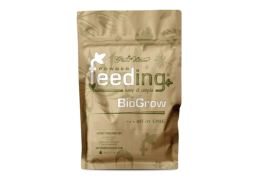
For those prioritizing ecological purity, the Bio Line brings the benefits of powdered plant food to organic cultivation. These mineral-organic products, such as BioGrow and BioBloom, utilize natural ingredients that enhance soil biology while providing a slow-release nutrient source. To maximize results in the late flowering stage, growers integrate Booster PK+ (0-30-27). This additive contains high levels of phosphorus and potassium alongside extra magnesium and micro-elements to drive terpene production and increase final flower density.
Tailored Nutrition for Every Life Cycle
GHF categorizes products by flowering time because metabolic needs are dictated by a plant's genetic timeline, not just a calendar. By matching the nutrient profile to the specific maturation rate, growers avoid nutrient burn or late-stage deficiencies. Professional facilities using this system report reaching "Maximum Genetic Potential" by providing precise bio-availability. This synergy between the core powder and mineral-organic additives ensures that the plant's vascular system isn't clogged by the fillers found in many liquid brands.
Getting Started with the Feeding Starter Kit
The Feeding Starter Kit is the entry point for growers who value efficiency. It contains everything needed for a successful cycle, including Grow, a Flowering powder tailored to your specific variety, and the Booster PK+. This kit puts the "Keep it Simple" mantra into practice by reducing the feeding schedule to just three primary products. You don't need to be a chemist to achieve professional results; you just need the right ratios. The high solubility of these powders means they dissolve completely in water at 20 degrees Celsius, making them compatible with all irrigation systems.
Master the Science of Simple Nutrition
Transitioning to a professional feeding regimen requires a focus on nutrient stability and bio-availability. Powdered nutrients eliminate the unnecessary water weight of liquid alternatives, which significantly reduces shipping costs and storage footprints for commercial operations. You gain total control over chelated micro-elements, ensuring your crops receive optimal nutrition without the logistical headache of multi-part liquid sets. These core benefits of powdered plant food translate directly into higher yields and lower operational overhead.
The Green House Group has refined these mineral-organic formulas since 1985 to meet the exact demands of global champions. Today, professional growers in over 100 countries rely on our specialized approach to plant life cycles to maintain peak performance. It's time to streamline your workflow and focus on what matters most: the health of your plants.
Shop our range of award-winning Powder Feeding solutions today.
We look forward to seeing your garden thrive.
Frequently Asked Questions
Is powdered plant food as effective as liquid fertilizer?
Powdered plant food is just as effective as liquid alternatives because it provides 100% bio-availability of essential minerals once dissolved. Our formulas use high-grade chelated micro-elements that ensure plants absorb nutrients immediately. You don't lose potency during storage like some liquid products do; you get a stable, professional-grade solution every time you mix a batch.
How long does powdered plant food last once it is mixed with water?
A mixed solution remains stable for up to 7 days when stored in a dark reservoir with a circulation pump. You should monitor the pH levels daily, as they can fluctuate by 0.1 to 0.2 points depending on your initial water quality. If the solution is exposed to direct sunlight or temperatures above 24 degrees Celsius, use it within 24 hours to prevent algae growth.
Does powdered nutrient salt cause more buildup in hydroponic systems?
High-purity powdered nutrients don't cause extra buildup; in fact, they often leave less residue than organic liquids. Green House Feeding products are 100% water-soluble and leave 0% sediment in irrigation lines or drippers. This prevents clogs in 1.2mm emitters and ensures your hydroponic system runs efficiently without the need for frequent chemical flushes.
Can I use powdered plant food in soil, coco, and hydroponics?
You can use these powders across all growing mediums, including soil, coco coir, and aeroponics. The mineral salts are immediately available for uptake, which is one of the primary benefits of powdered plant food for fast-growing crops. For soil applications, apply the solution every second watering to maintain a balanced EC level between 1.2 and 2.0.
Why is powdered plant food usually cheaper than liquid versions?
Powdered nutrients are more cost-effective because you aren't paying to ship 90% water, which is the primary component of liquid fertilizers. A 1kg bag of powder can produce up to 1,000 liters of high-strength nutrient solution. This reduction in volume lowers transport costs by 85% and significantly reduces the carbon footprint of your cultivation facility compared to heavy liquid jugs.
Do I need to use a pH-up or pH-down with Green House Feeding powders?
Our powders are formulated to stabilize the pH of your water within the 5.8 to 6.5 range automatically. Most growers find they don't need additional pH-up or pH-down products when using standard tap water with a starting pH of 7.0 to 7.5. Always check your runoff with a calibrated meter to ensure your specific local water chemistry stays within these optimal parameters.
What is the best way to store opened bags of powder nutrients?
Store your opened bags in a cool, dark environment with humidity levels below 45% to prevent clumping. Use the original resealable bag or move the powder to an airtight 5-liter plastic container to keep moisture out. Properly stored powder maintains its chemical integrity for at least 24 months, ensuring that the chelated elements don't degrade or react with humidity in the air.
Can I mix different Green House Feeding powders together?
You can mix different products like our Booster with the Flowering powders to customize your nutrient profile. It's essential to follow the specific mixing ratios provided in our 12-week feeding schedule to avoid nutrient lockout. Start by dissolving the primary powder completely before adding the Booster to ensure total solubility and a balanced 1.5 to 2.2 EC range in your reservoir.
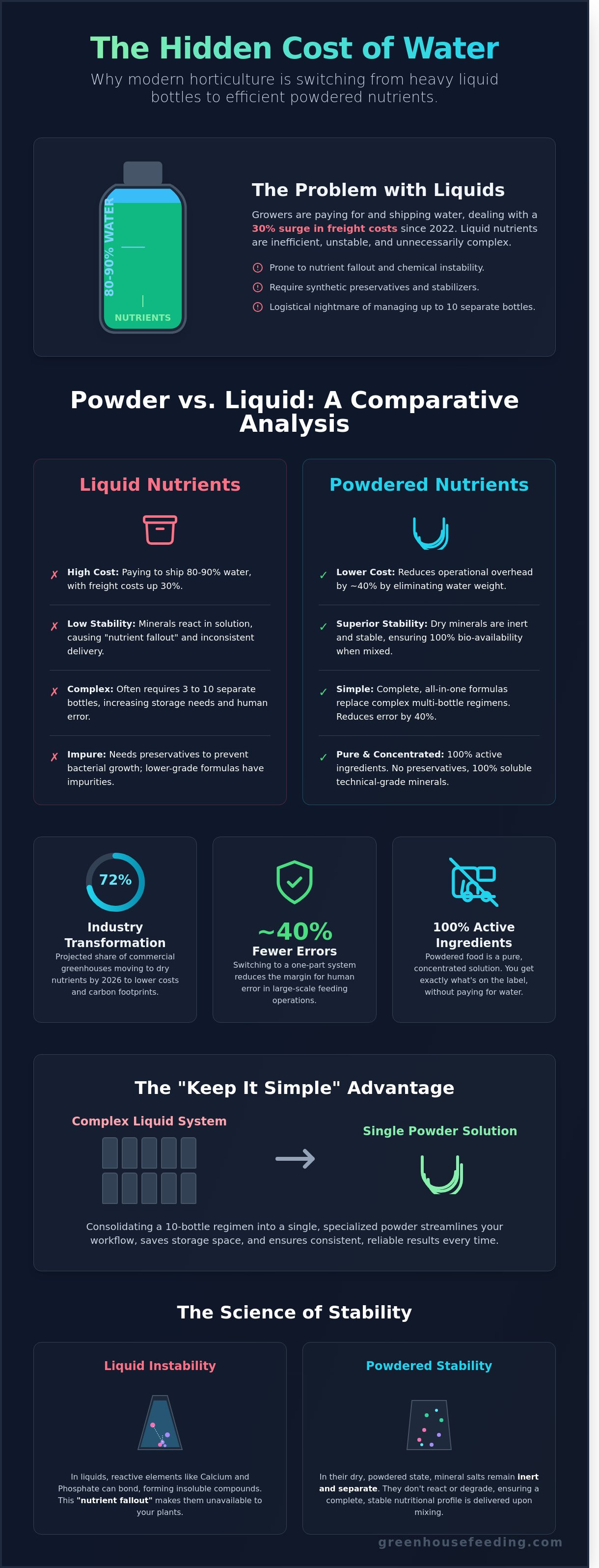
FAQ
The Composition of Professional Powders
Professional powders combine essential minerals with organic additives to ensure a balanced diet. Products like BioGrow and BioBloom incorporate mineral-organic components that simplify the feeding process significantly. Traditional liquid programs often require a 10-bottle system to achieve a complete profile. Green House Feeding consolidates these into a single-component solution based on the plant's life cycle, such as Short Flowering or Long Flowering. This approach reduces the margin for human error by 40% in large-scale operations.
Purity and Concentration
Liquid nutrients are often deceptive. Most bottles contain between 80% and 90% water. This means you're paying to ship a resource you already have at your tap. Because liquids are prone to bacterial growth, they require synthetic preservatives and stabilizers to stay shelf-stable. Powders eliminate these unnecessary chemicals entirely. Powdered plant food is a 100% active ingredient solution for precise cultivation. When you remove the water, you gain total control over the concentration. This is one of the most significant benefits of powdered plant food for growers who demand accuracy. You get exactly what's on the label without the fluff. It's a pragmatic choice for those who value results over marketing gimmicks. By switching to dry nutrients, you're investing in the chemistry of growth rather than the logistics of water transport. Chemical stability is the foundation of a successful crop. In the world of plant nutrition, the physical state of your fertilizer dictates how those elements interact before they ever reach the root zone. Liquid nutrients are active solutions. Because they're already dissolved in water, the concentrated minerals are constantly prone to chemical reactions. When calcium and phosphates are squeezed into the same liquid environment, they often react to form insoluble calcium phosphate. This is exactly why many liquid brands require three or four separate bottles to keep incompatible elements apart. One of the primary benefits of powdered plant food is that it bypasses this volatility entirely. In a dry, powdered state, mineral salts remain inert. They don't react, they don't degrade, and they don't form unwanted compounds. This allows for a complete, all-in-one nutritional profile to exist in a single bag. A comparative analysis of granular vs. liquid fertilizers from Michigan State University Extension points out that while liquids offer convenience for small-scale applications, dry forms provide superior stability and long-term storage benefits. For the professional grower, this means the NPK ratio you buy is the exact NPK ratio your plants receive, even months after the bag is opened.
Chelated Micro-elements Explained
Chelation is a sophisticated chemical process where a mineral ion is "wrapped" in a larger organic molecule. Think of it as a protective claw that prevents the nutrient from reacting with other elements in the water or soil. This is vital because unprotected micro-elements like Iron, Zinc, and Manganese often become "locked out" when the pH of your solution rises above 6.5. GHF uses high-grade chelates that maintain stable bonds across a wide pH range, typically from 3.0 to 9.0. This ensures that every micro-element is immediately bio-available the moment you mix your solution. You don't have to worry about nutrient lockout or complex water chemistry; the science is already built into the powder.
Nutrient Fallout and Shelf Life
Liquid fertilizers are notoriously sensitive to temperature. If a bottle is stored in a warehouse or delivery truck where temperatures drop below 5°C, it can suffer from "salting out." This is when the water can no longer hold the high concentration of minerals in suspension, causing them to crystallize and sink to the bottom. Once these crystals form, they're nearly impossible to re-dissolve, which completely ruins the balance of the fertilizer. Dry powders are immune to this crystallization. You can store them in unheated environments without any risk of product failure. This physical resilience leads to a much longer shelf life. While many liquid nutrients begin to degrade or "gas off" after 12 to 24 months, high-quality powdered nutrients maintain 100% integrity for over 5 years. This stability allows commercial facilities to buy in bulk, reducing costs without the fear of product degradation. When you simplify your feeding system with dry minerals, you're investing in a product that stays as potent on day 1,000 as it was on day one. There's no sludge, no separation, and no wasted money. The myth that powders are difficult to dissolve is a remnant of old agricultural technology. Modern horticultural powders are engineered for 100% solubility. They don't clog irrigation lines or leave residue in reservoirs. You get the precision of a liquid with the indestructible nature of a solid. This is the expert's approach to mineral nutrition: maximum efficiency with zero unnecessary complications. Liquid nutrients are often 90% water. When you purchase liquid fertilizers, you pay a premium to ship a resource you already have at your tap. This inefficiency creates unnecessary costs and logistical hurdles for both hobbyists and commercial professionals. One of the primary benefits of powdered plant food is the elimination of this dead weight. By focusing on the raw mineral components, growers regain control over their storage space and their budget.
The Logistics of Large-Scale Growing
Commercial facilities manage thousands of liters of nutrient solution daily. Efficiency is the difference between profit and loss. A single pallet of powdered nutrients can provide the same feeding capacity as five pallets of liquid product. For instance, 1kg of concentrated powder typically replaces 10 liters of liquid fertilizer. This 90% reduction in volume allows a 5,000-square-meter facility to reduce its required storage footprint by 80%. Remote cultivation sites or international operations save thousands in freight costs by avoiding the transport of heavy, water-based solutions. It's a pragmatic approach that aligns with the "Keep it Simple" philosophy.
Environmental and Sustainability Benefits
The horticultural industry faces increasing pressure to reduce its reliance on single-use plastics. Liquid nutrients require heavy-duty HDPE bottles that often end up in landfills. Switching to dry formats drastically cuts plastic waste. Shipping 1kg of Powder Feeding generates approximately 90% less CO2 emissions than transporting its liquid equivalent over the same distance. This reduction in the carbon footprint is a direct result of lighter loads and fewer delivery trucks on the road. Growers can achieve maximum yields while maintaining a sophisticated, eco-conscious operation.
Precision and User Experience
Liquid nutrients often lead to the "glug-glug" method of pouring, which is imprecise and wasteful. Over-pouring by just 5ml per gallon can lead to nutrient burn or wasted capital over a full growth cycle. Powdered nutrients require a gram-accurate scale, ensuring surgical precision in every batch. This accuracy is enhanced by the inclusion of chelated fertilizers within the dry mix. These chelated elements ensure that micro-nutrients remain bio-available to the plant even if the water pH fluctuates. The powder dissolves quickly, creating a stable, sediment-free solution that won't clog irrigation lines or drippers.
The Real Math: Cost-per-Liter
The true value of a nutrient line is found in the cost-per-liter of the final feeding solution. A standard 1-liter bottle of liquid nutrient may cost $25 and treat roughly 200 liters of water. A 1kg bag of high-quality powder often costs around $60 but can treat 1,000 liters or more. This brings the cost down from $0.125 per liter to $0.06 per liter. For a serious hobbyist, these savings add up over a year; for a commercial grower, this represents a 52% reduction in direct input costs. These economic benefits of powdered plant food make it the only logical choice for those focused on long-term performance and efficiency. You stop paying for the water and start paying for the chemistry that actually drives plant growth. To maximize the benefits of powdered plant food, you must master the mixing sequence. The golden rule is simple: always add powder to water. Adding water to a concentrated pile of powder creates a thick paste that resists dissolution. This simple step ensures 100% solubility within minutes. Efficiency is the priority here; a well-dissolved solution prevents clogged irrigation lines and ensures even nutrient distribution across your entire crop. Precision is vital for professional results. Use a digital EC meter to monitor Electrical Conductivity and PPM. A target of 1.4 mS/cm for vegetative growth ensures your plants receive the exact nutrient density they require without the risk of salt buildup. Maintain water temperatures between 18°C and 22°C. Scientific trials show that water below 15°C can double the time required for mineral salts to dissolve completely. If the water is too cold, the chelated micro-elements may not become fully bio-available as quickly as needed. Store your stock in a cool, dry environment. Relative humidity should stay below 50% to prevent the powder from absorbing moisture and caking. A tightly sealed container keeps the mineral salts stable for years, maintaining the high quality of your investment.
The Mixing Process Step-by-Step
Measure your nutrients by weight, not volume. A digital scale provides 100% consistency, whereas a measuring spoon can vary by 15% depending on how tightly the powder is packed. After adding the powder, use an air stone or a circulation pump for 2 to 5 minutes. Total agitation ensures every mineral is suspended. Adjust your pH only after the powder has dissolved. Green House Feeding products are formulated to stabilize pH, but final adjustments ensure a range of 5.8 to 6.5 for optimal uptake.
Managing Water Quality
Reverse Osmosis (RO) water is a blank canvas with 0.0 EC. If your starting water is soft or RO-filtered with an EC below 0.4, you must supplement with Powder Feeding Calcium. This provides essential Calcium without the nitrogen spikes found in liquid Cal-Mag products. It's a cleaner way to hit your targets. For growers managing specific genetic profiles, using a Feeding Starter Kit allows you to dial in the exact ratios required for your specific strain. These kits help you realize the full benefits of powdered plant food by providing a tailored approach to plant nutrition. Green House Feeding (GHF) eliminates the logistical burden of multi-bottle nutrient regimens. Conventional liquid programs often require growers to manage up to ten different bottles to achieve a complete nutritional profile. This complexity introduces human error and chemical instability. GHF's "One Part" system delivers every essential macro and micro-element in a single, highly concentrated powder. This streamlined approach is one of the core benefits of powdered plant food; it ensures that the N-P-K ratios and chelated micro-elements remain perfectly balanced from the first liter to the last. The product line is engineered for specific plant metabolisms rather than generic growth stages. The Mineral Line includes specialized formulations: For those prioritizing ecological purity, the Bio Line brings the benefits of powdered plant food to organic cultivation. These mineral-organic products, such as BioGrow and BioBloom, utilize natural ingredients that enhance soil biology while providing a slow-release nutrient source. To maximize results in the late flowering stage, growers integrate Booster PK+ (0-30-27). This additive contains high levels of phosphorus and potassium alongside extra magnesium and micro-elements to drive terpene production and increase final flower density.
Tailored Nutrition for Every Life Cycle
GHF categorizes products by flowering time because metabolic needs are dictated by a plant's genetic timeline, not just a calendar. By matching the nutrient profile to the specific maturation rate, growers avoid nutrient burn or late-stage deficiencies. Professional facilities using this system report reaching "Maximum Genetic Potential" by providing precise bio-availability. This synergy between the core powder and mineral-organic additives ensures that the plant's vascular system isn't clogged by the fillers found in many liquid brands.
Getting Started with the Feeding Starter Kit
The Feeding Starter Kit is the entry point for growers who value efficiency. It contains everything needed for a successful cycle, including Grow, a Flowering powder tailored to your specific variety, and the Booster PK+. This kit puts the "Keep it Simple" mantra into practice by reducing the feeding schedule to just three primary products. You don't need to be a chemist to achieve professional results; you just need the right ratios. The high solubility of these powders means they dissolve completely in water at 20 degrees Celsius, making them compatible with all irrigation systems. Explore the Green House Feeding product line and find your perfect match. Transitioning to a professional feeding regimen requires a focus on nutrient stability and bio-availability. Powdered nutrients eliminate the unnecessary water weight of liquid alternatives, which significantly reduces shipping costs and storage footprints for commercial operations. You gain total control over chelated micro-elements, ensuring your crops receive optimal nutrition without the logistical headache of multi-part liquid sets. These core benefits of powdered plant food translate directly into higher yields and lower operational overhead. The Green House Group has refined these mineral-organic formulas since 1985 to meet the exact demands of global champions. Today, professional growers in over 100 countries rely on our specialized approach to plant life cycles to maintain peak performance. It's time to streamline your workflow and focus on what matters most: the health of your plants. Shop our range of award-winning Powder Feeding solutions today. We look forward to seeing your garden thrive.
Is powdered plant food as effective as liquid fertilizer?
Powdered plant food is just as effective as liquid alternatives because it provides 100% bio-availability of essential minerals once dissolved. Our formulas use high-grade chelated micro-elements that ensure plants absorb nutrients immediately. You don't lose potency during storage like some liquid products do; you get a stable, professional-grade solution every time you mix a batch.
How long does powdered plant food last once it is mixed with water?
A mixed solution remains stable for up to 7 days when stored in a dark reservoir with a circulation pump. You should monitor the pH levels daily, as they can fluctuate by 0.1 to 0.2 points depending on your initial water quality. If the solution is exposed to direct sunlight or temperatures above 24 degrees Celsius, use it within 24 hours to prevent algae growth.
Does powdered nutrient salt cause more buildup in hydroponic systems?
High-purity powdered nutrients don't cause extra buildup; in fact, they often leave less residue than organic liquids. Green House Feeding products are 100% water-soluble and leave 0% sediment in irrigation lines or drippers. This prevents clogs in 1.2mm emitters and ensures your hydroponic system runs efficiently without the need for frequent chemical flushes.
Can I use powdered plant food in soil, coco, and hydroponics?
You can use these powders across all growing mediums, including soil, coco coir, and aeroponics. The mineral salts are immediately available for uptake, which is one of the primary benefits of powdered plant food for fast-growing crops. For soil applications, apply the solution every second watering to maintain a balanced EC level between 1.2 and 2.0.
Why is powdered plant food usually cheaper than liquid versions?
Powdered nutrients are more cost-effective because you aren't paying to ship 90% water, which is the primary component of liquid fertilizers. A 1kg bag of powder can produce up to 1,000 liters of high-strength nutrient solution. This reduction in volume lowers transport costs by 85% and significantly reduces the carbon footprint of your cultivation facility compared to heavy liquid jugs.
Do I need to use a pH-up or pH-down with Green House Feeding powders?
Our powders are formulated to stabilize the pH of your water within the 5.8 to 6.5 range automatically. Most growers find they don't need additional pH-up or pH-down products when using standard tap water with a starting pH of 7.0 to 7.5. Always check your runoff with a calibrated meter to ensure your specific local water chemistry stays within these optimal parameters.
What is the best way to store opened bags of powder nutrients?
Store your opened bags in a cool, dark environment with humidity levels below 45% to prevent clumping. Use the original resealable bag or move the powder to an airtight 5-liter plastic container to keep moisture out. Properly stored powder maintains its chemical integrity for at least 24 months, ensuring that the chelated elements don't degrade or react with humidity in the air.
Can I mix different Green House Feeding powders together?
You can mix different products like our Booster with the Flowering powders to customize your nutrient profile. It's essential to follow the specific mixing ratios provided in our 12-week feeding schedule to avoid nutrient lockout. Start by dissolving the primary powder completely before adding the Booster to ensure total solubility and a balanced 1.5 to 2.2 EC range in your reservoir.
Deja un comentario
Inicia sesión para publicar comentarios