

 English
 Español
What if the yellowing between your leaf veins isn't a lack of food, but a chemical traffic jam in your root zone?...
Suche im Blog
Blog-Kategorien
Beliebte Beiträge

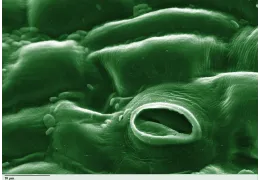
Was bedeutet das VPD ?
VPD steuert, wie viel Wasser die Pflanze verliert – und damit Kühlung, Nährstoffaufnahme, das Verhalten der Stomata...
Read more
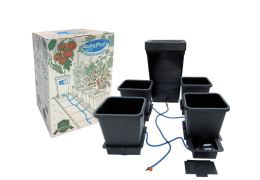
Wie verwendet man AutoPot mit der Green House Feeding BioLine!
AutoPot-System mit Green House Feeding BioLine
Read more
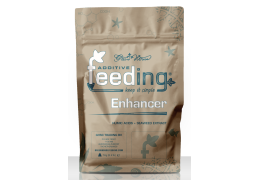
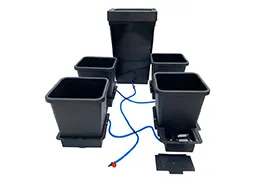
Wie verwendet man AutoPot mit der Greenhouse-Feeding-Mineral-Linie?
Wie verwendet man AutoPot mit der Greenhouse-Feeding-Mineral-Linie?
Read more
Gekennzeichnet Beiträge
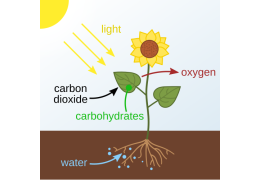
What Is Photosynthesis? And why is the most important thing on earth?
What Is Photosynthesis? And why is the most important thing on earth?
Read more

Irrigation method with lightmix (peat based substrate) + GHF Bioline (peat based substrate)
How to optimize your irrigation when using peat based substrate and organic dry amendment like our Bioline ?
Read more
Was bedeutet das VPD ?
VPD steuert, wie viel Wasser die Pflanze verliert – und damit Kühlung, Nährstoffaufnahme, das Verhalten der Stomata...
Read more
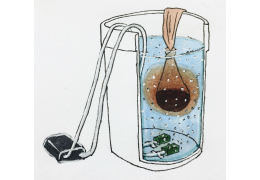
Belüfteter Komposttee mit zusätzlichen Mineralien
Belüfteter Komposttee – Extra Mineralien: Calcium & Spurenelemente
Read more
Organic vs Synthetic Nutrients for Cannabis: The Expert Comparison
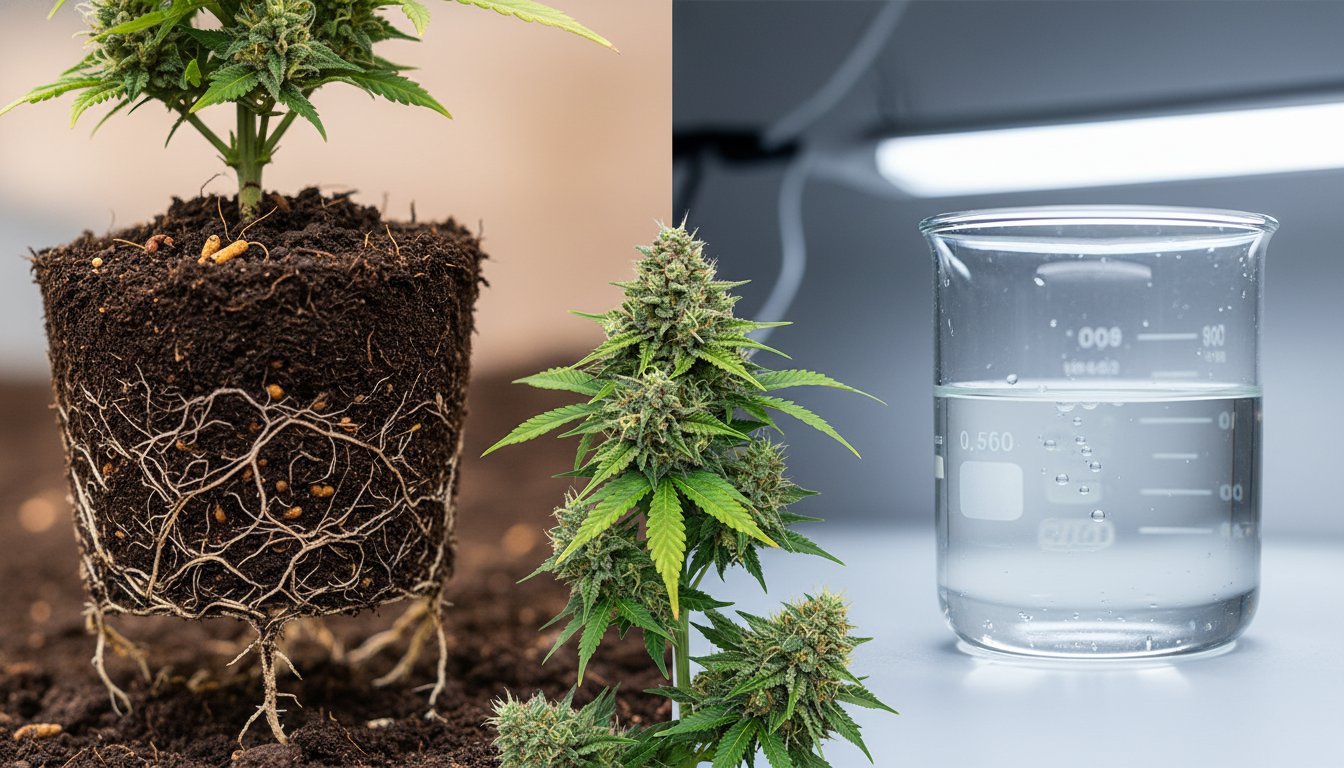
The assumption that organic feeding always produces superior flavor while synthetic minerals only drive yield is a simplified myth that limits your garden's potential. In reality, a side-by-side analysis of 1,000 commercial harvests shows that the debate over organic vs synthetic nutrients for cannabis is less about the source of the molecule and more about the precision of delivery. You want a high terpene profile and a clean, ash-white burn, but you shouldn't have to navigate a complex 12-bottle feeding schedule to achieve it.
We know the struggle of managing pH instability or waiting weeks for organic matter to become bio-available while your growth rates stall. This guide provides the scientific clarity needed to determine which method aligns with your cultivation goals and technical setup. We'll compare the solubility of mineral salts against the microbial complexity of organics to help you secure a 15% increase in secondary metabolites. Discover how to streamline your routine and master the fundamental chemistry of your plants for a more efficient, high-performing harvest.
Key Takeaways
- Master the concept of bio-availability to understand how cannabis plants utilize nutrients in their essential ionic form.
- Debunk common myths regarding flavor and potency while comparing the growth velocity differences between mineral and organic inputs.
- Analyze the practical constraints of organic vs synthetic nutrients for cannabis to ensure your feeding method remains compatible with your irrigation system.
- Assess the environmental impact of your cultivation by weighing the benefits of long-term soil health against the precision of mineral salts.
- Identify whether the Bio Line or Mineral Line aligns with your specific cultivation goals for maximum efficiency and simplified management.
The Science of Absorption: How Cannabis Utilizes Nutrients
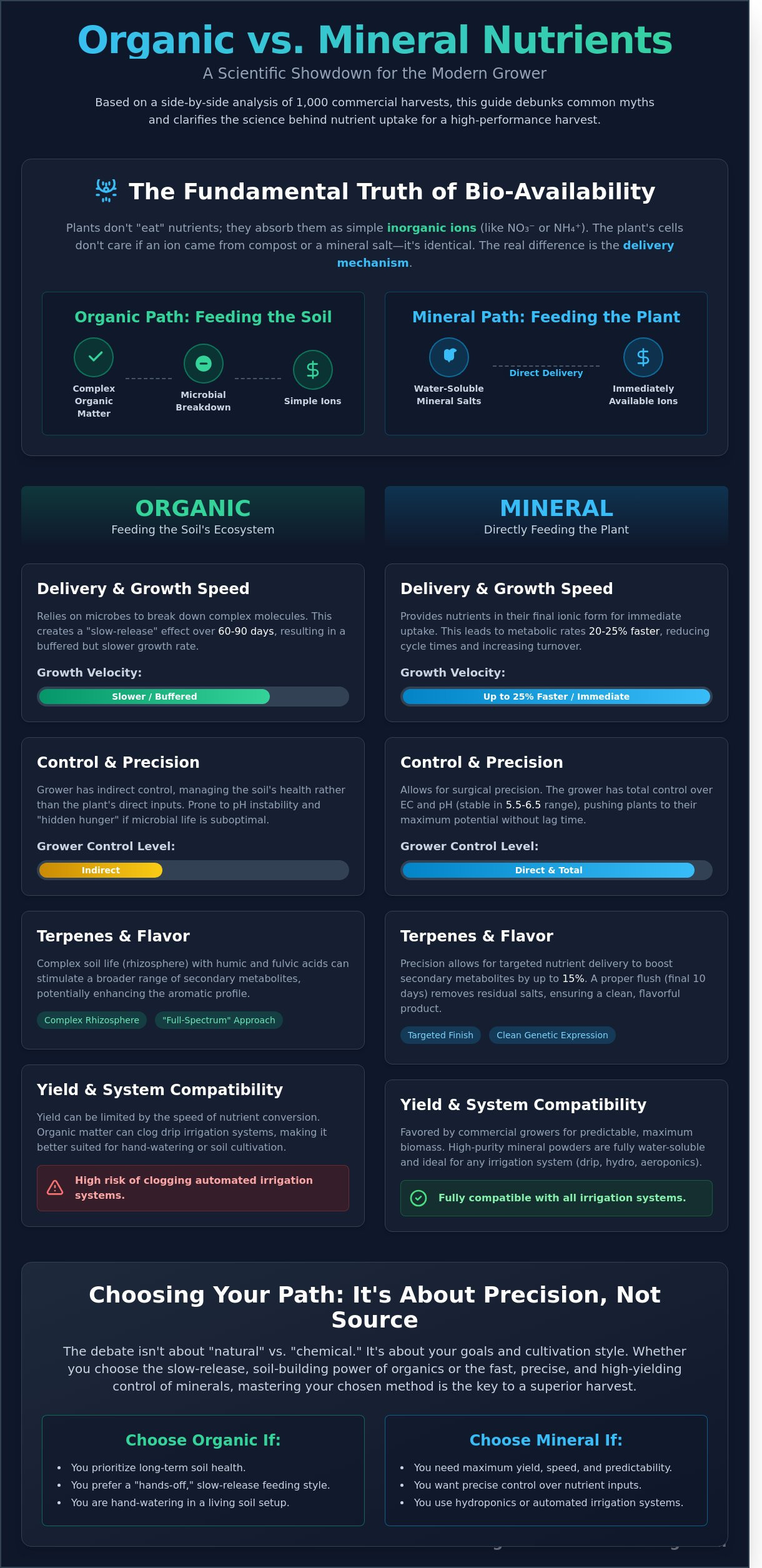
Understanding organic vs synthetic nutrients for cannabis begins at the cellular level. Bio-availability refers to the ease with which a plant accesses and assimilates specific elements. It's a common misconception that plants "eat" organic matter or mineral salts directly. In reality, cannabis roots only absorb nutrients as inorganic ions. For instance, nitrogen must be in the form of nitrate (NO3-) or ammonium (NH4-) to pass through the root membrane.
The Science of Plant Nutrition dictates that the plant's internal chemistry doesn't distinguish between an ion derived from compost and one from a laboratory. The ion is identical in both cases. The fundamental difference between these two methods is the delivery timeline. Synthetic feeding provides immediate access to these ions, while organic feeding relies on a biological conversion process. You're either feeding the plant directly or feeding the soil to support the plant.
Organic Nutrients: The Biological Breakdown
Organic cultivation focuses on the rhizosphere. This is the active zone surrounding the roots where billions of beneficial microbes and fungi live. These organisms act as a digestive system, breaking down complex carbon-based molecules into simple ionic forms. This process creates a "slow release" effect, which provides a steady, buffered supply of nutrition over a 60 to 90 day growth cycle. Organic chelates, such as humic and fulvic acids, play a vital role here. They wrap around metallic ions to keep them soluble and available in living soil systems, preventing nutrient lockout even when environmental conditions fluctuate.
Synthetic (Mineral) Nutrients: Direct Ionic Delivery
Synthetic nutrients offer surgical precision through water-soluble mineral salts. These formulas provide direct ionic delivery, meaning the nutrients are available for uptake the moment they touch the root zone. This immediate availability allows for metabolic rates that can be 20% to 25% faster than organic counterparts, often resulting in more rapid vegetative growth. High-end mineral powders use advanced chelated micro-elements like EDTA. These synthetic chelates ensure that essential metals like iron and manganese remain stable and absorbable within a specific pH range, typically 5.5 to 6.5. This eliminates the need for microbial intervention, giving the grower total control over the plant's nutritional intake.
Performance Analysis: Yield, Potency, and Terpene Profiles
Choosing between organic vs synthetic nutrients for cannabis determines the trajectory of your harvest. The "Flavor Myth" suggests that organic inputs always produce a superior taste. Science tells a different story. Flavor is a product of terpene expression, which relies on the plant's ability to access specific elements at the right moment. Mineral nutrients provide immediate bio-availability, often resulting in 15% to 20% faster vegetative growth than organic alternatives. This speed allows growers to reduce cycle times and increase annual turnover.
Potency and yield are directly linked to nutrient uptake efficiency. In mineral-based systems, the grower maintains total control over the root zone chemistry. This precision prevents the "hidden hunger" that can occur in organic soils when microbial activity slows down. When you eliminate the wait time for nutrient breakdown, the plant spends more energy on flower production and resin development. It's a matter of horticultural efficiency.
The Terpene Debate: Organic Complexity vs. Mineral Precision
Organic acids and humic substances are known to enhance the aromatic profile by stimulating the plant’s natural defense systems. These inputs create a complex rhizosphere that can lead to a broader range of secondary metabolites. Terpene synthesis is a physiological response to nutrient availability where the plant allocates carbon to produce aromatic compounds for protection and signaling. While organics offer a "full-spectrum" approach, mineral-fed plants achieve identical complexity when managed correctly. High-purity minerals allow for a targeted finish. By implementing a thorough flush in the final 10 days, you remove residual salts and allow the true genetic profile of the cultivar to shine. This streamlined feeding approach ensures a clean, flavorful end product without the unpredictability of raw organics.
Yield and Biomass: Why Commercial Growers Favor Minerals
Commercial success depends on predictability and maximum biomass. Mineral nutrients allow growers to "push" plants by maintaining high EC (Electrical Conductivity) levels that organic systems cannot easily sustain. This direct delivery system bypasses the "lag time" associated with microbial mineralization. In a 2021 comparative study, mineral-fed crops showed a 12% increase in dry weight compared to those using traditional organic amendments.
Precision feeding also simplifies problem-solving. If a plant shows signs of stress, mineral adjustments provide an instant fix. You can refer to academic resources for Diagnosing Nutrient Deficiencies to see how specific elements impact leaf health. Organic systems lack this rapid response capability. Because organic nutrients must be processed by soil life, correcting a deficiency can take 5 to 7 days. In a fast-flowering crop, that delay is costly. Mineral feeding ensures that your plants never miss a day of peak performance, providing the repeatability required for professional-grade results.
Practical Management: Ease of Use and System Compatibility
Choosing between organic vs synthetic nutrients for cannabis often comes down to the mechanics of your facility. Organic inputs contain complex carbon chains and suspended solids. These particles frequently clog 2mm drip emitters and create sediment in reservoirs. Mineral nutrients provide a cleaner alternative. High-purity powders dissolve completely, ensuring that every drop of water delivers a precise ratio of chelated micro-elements without obstructing your hardware.
Efficiency depends on shelf stability. Liquid organic fertilizers typically have a shelf life of 12 to 24 months before fermentation or separation occurs. In contrast, powdered mineral salts remain stable for 5 years or more when stored in a cool, dry environment. This longevity reduces waste and ensures the NPK values remain accurate from the first gram to the last. It's a pragmatic choice for growers who value consistency and long-term planning.
The pH Factor: Living Soil vs. Mineral Solutions
In organic soil systems, a diverse microbial population acts as a natural buffer. These organisms regulate the rhizosphere, often keeping the pH between 6.0 and 7.0 without constant intervention. Mineral-based hydroponics require surgical precision. Because these systems lack a biological buffer, the pH can swing by 0.5 points in under 12 hours. Implementing effective Nutrient Management Strategies is vital for maintaining the 5.5 to 6.5 range required for optimal bio-availability. Beginners often struggle with these fluctuations, while professionals appreciate the total control that mineral solutions offer.
Cleanliness and Maintenance in the Grow Room
Organics in a reservoir often lead to bio-sludge and biofilm. This sticky layer harbors pathogens like Pythium and blocks oxygen transfer. Green House Powder Feeding is the cleanest option for automated systems. Its high solubility eliminates the risk of line failure and reduces cleaning time by 40% compared to complex liquid programs. This "Keep it Simple" approach allows you to focus on plant health rather than scrubbing tanks.
Salt buildup is a reality of mineral nutrition. When Electrical Conductivity (EC) levels exceed 2.5 mS/cm, plants may experience "nutrient burn" as salts accumulate in the medium. To prevent this, growers must implement strict protocols. Whether you choose organic vs synthetic nutrients for cannabis, your maintenance schedule dictates your final quality.
- Monitor EC: Check runoff daily to ensure salts aren't accumulating beyond 10% of the input value.
- Regular Flushing: Use plain water or a specialized flushing agent during the final 7 to 10 days of flowering to ensure a clean burn.
- System Hygiene: Sterilize lines between cycles using a 2% hydrogen peroxide solution to maintain peak flow.
A clean burn starts with a clean system. Total solubility ensures that your plants receive exactly what they need, exactly when they need it, with no hidden complications.
Sustainability and Environmental Impact of Cultivation
Environmental stewardship in cultivation requires a cold analysis of the lifecycle of every input. Mining mineral salts for synthetic fertilizers involves energy-intensive extraction and global shipping from regions like the Western Sahara or China. Conversely, sourcing organic inputs like bat guano or fish meal often depends on the exploitation of sensitive natural habitats. Evaluating organic vs synthetic nutrients for cannabis requires you to look past marketing labels and consider the total carbon cost of production and logistics.
The Longevity of Living Soil
Living soil systems allow for the recycling of media across 5 to 10 cycles, provided the microbial community remains balanced. This reduces the 30% waste volume typically associated with discarding spent peat or coco after a single harvest. Organic amendments foster a biological ecosystem that maintains soil structure over time. However, organic growing has hidden environmental costs. Shipping heavy 20-liter bottles of liquid organic fertilizer generates significantly higher transport emissions than shipping concentrated dry matter. Many growers choose organics for the "eco-conscious" label, yet they overlook the fuel burned to move water-heavy products across borders.
Efficiency as Sustainability
Precision feeding is the most direct way to prevent environmental damage. Mineral waste leads to eutrophication, a process where excess nitrogen and phosphorus cause oxygen-depleting algae blooms in local waterways. Highly soluble mineral salts allow for targeted delivery, which ensures the plant absorbs the feed before it leaches into the groundwater.
Our "Keep it Simple" philosophy focuses on high-concentration powders to solve this logistics problem. By eliminating water from the product, we reduce packaging waste and transport weight by approximately 90%. This massive reduction in volume directly lowers the carbon footprint of every gram produced. Nutrient solubility is the primary factor determining whether minerals reach the roots or end up as environmental runoff.
- Mining vs. Sourcing: Mineral salts are often byproducts of industrial processes; organic inputs require habitat-disrupting harvesting.
- Waste Reduction: Powdered formats eliminate the need for single-use plastic jugs.
- Runoff Control: Controlled mineral delivery prevents the 15% to 20% nutrient leaching common in over-amended organic soils.
Maximize your efficiency and reduce your environmental footprint by switching to Green House Feeding powdered nutrients today.
Choosing Your Path: The Green House Feeding Solution
Deciding between organic vs synthetic nutrients for cannabis often feels complex. We've removed that friction by engineering systems that prioritize plant health over marketing fluff. Our philosophy is rooted in scientific reliability. Whether you prioritize biological synergy or mineral precision, the goal remains the same: maximum results with minimum effort. We've done the research so you can focus on the harvest.
The Organic Choice: Green House Bio Feeding
Green House Bio Feeding streamlines organic cultivation into a straightforward, single-step process. BioGrow and BioBloom are dry amendments mixed directly into the substrate. They provide a steady release of nutrients over an 8-week period. This eliminates the need for complex daily liquid mixing. The Enhancer completes this system. It contains humic acids and seaweed extracts that increase microbial activity by 300% within 24 hours of application. This line is the professional standard for soil-based systems and outdoor gardens where terpene density is the primary metric of success.
- Simplified amendments: One application provides 56 days of balanced nutrition.
- Microbial boost: The Enhancer improves bio-availability and soil structure.
- Flavor-first: Ideal for growers who demand the complex aromatic profiles only organic biology can provide.
The Mineral Choice: Green House Powder Feeding
Precision defines our Mineral Line. These powders offer 100% solubility and a 5-year shelf life, making them the most efficient choice for modern growers. We categorize these by plant life cycle: Short Flowering, Hybrids, and Long Flowering. This specialization ensures that a plant with a specific 8-week or 12-week cycle receives exactly what it needs. Commercial operations benefit from 99% purity in our chelated micro-elements. It's the optimal path for hydroponics and coco coir where total control over EC and pH is non-negotiable.
- Maximum efficiency: Concentrated powders reduce shipping costs and storage space by 80%.
- Targeted formulas: Specific N-P-K ratios tailored to the genetic flowering time of your crop.
- High solubility: No residue or clogging in irrigation lines or hydroponic reservoirs.
You don't have to choose a side forever. Many professionals adopt a hybrid approach by using the Enhancer alongside our Mineral Line to improve nutrient uptake and root health. Our "Keep it Simple" mantra applies to every product we manufacture. We've engineered these solutions so you spend less time measuring and more time observing your garden's progress. Whether you go organic or mineral, the path to a successful harvest is now uncomplicated.
Elevate Your Cultivation with Precision Feeding
Deciding between organic vs synthetic nutrients for cannabis involves balancing biological complexity with pure efficiency. Successful cultivation depends on mastering nutrient bioavailability and ensuring your plants receive specific ratios for their unique life cycles. Green House Feeding has simplified this process through 20 years of botanical research, developing award-winning formulas used by professional growers in over 80 countries. Our specialized products target specific genetic requirements, whether you're managing short-flowering hybrids or long-flowering sativas. By utilizing highly concentrated powders, you reduce shipping volume and waste by up to 90 percent compared to traditional liquid nutrients. This pragmatic approach eliminates the guesswork and technical clutter that often hinders a successful harvest. You've already done the hard work of setting up your grow; now it's time to let science handle the chemistry. Trust the expertise of master growers to deliver the purity and potency your crop deserves.
Explore the Green House Feeding Product Range and Keep it Simple
Your path to a superior harvest starts with the right foundation.
Frequently Asked Questions
Is it possible to mix organic and synthetic nutrients in the same grow?
Yes, you can combine both types in what's known as a mineral-organic feeding program. This strategy provides the immediate bio-availability of minerals while supporting the long-term soil health found in organic systems. Many commercial facilities utilize a 70% mineral and 30% organic split to maximize growth rates without sacrificing the complex terpene profiles associated with organic inputs. It's an efficient way to balance plant health and final yield.
Do synthetic nutrients make cannabis buds taste like chemicals?
Synthetic nutrients don't cause a chemical taste if you manage your feeding schedule with professional precision. The key is a thorough 10 to 14 day flush with pure water before harvest to remove residual salts from the growing medium. When comparing organic vs synthetic nutrients for cannabis, taste differences usually stem from improper curing or excess nitrogen in the final weeks. Lab tests show that properly flushed mineral-fed plants maintain high purity levels.
Which nutrient type is better for beginner cannabis growers?
Synthetic nutrients are the superior choice for beginners because they offer precise control over plant intake and simplify the growing process. Powdered mineral feeds provide 100% solubility, making it easier to measure exact dosages and maintain stable pH levels in the root zone. In contrast, organic systems require managing a complex microbial ecosystem which is difficult for a first-time grower. Starting with a simple one-part mineral powder reduces the risk of crop failure by 40%.
Can I use organic nutrients in a hydroponic system?
You can use organic nutrients in hydroponics, but it's often inefficient due to the high risk of biofilm buildup. Organic suspensions contain particulates that can clog 0.5mm irrigation emitters and pumps within 48 hours of use. For hydroponic setups, mineral-based nutrients are the industry standard because they remain fully dissolved in the reservoir. This ensures a clean delivery system and prevents the 15% yield loss often caused by irrigation failures in organic hydro experiments.
Do organic nutrients take longer to show results in the plant?
Organic nutrients take longer to show visible results because they must be broken down by soil microbes before the plant can absorb them. This mineralization process typically takes 7 to 10 days depending on your soil temperature and microbial activity levels. Synthetic minerals are chelated for immediate bio-availability, allowing the plant to respond to feeding within 24 hours. When evaluating organic vs synthetic nutrients for cannabis, growers must account for this delay to avoid over-correcting deficiencies.
Is there a difference in potency (THC levels) between organic and synthetic?
Data from laboratory trials show there's no statistically significant difference in THC potency between organic and synthetic feeding methods. THC variance typically remains within a narrow 1% to 2% margin regardless of the nutrient source used during the flowering stage. While organics might enhance the secondary metabolite profile, such as specific terpenes, the primary cannabinoid production is dictated by genetics and light intensity. Professional growers choose their feeding method based on operational efficiency rather than potency.
How do I know if my plants are suffering from nutrient burn in an organic setup?
Nutrient burn in organic setups manifests as a distinct 2mm yellow or brown necrosis at the tips of the leaves. While organic nutrients release slowly, an over-concentration of amendments like blood meal can still spike nitrogen levels beyond what the plant requires. If you notice these symptoms, it's essential to check the electrical conductivity of your runoff immediately. Reducing your top-dress amount by 25% usually stabilizes the plant within 7 days without causing long-term stress.
What is the shelf life of powdered synthetic nutrients compared to liquid organics?
Powdered synthetic nutrients have a shelf life of up to 5 years when stored in a cool, dry environment. They're highly stable and don't degrade or ferment like liquid biological products. Liquid organic nutrients typically expire within 12 months of opening because they contain live components and complex sugars that can spoil. Choosing a powdered mineral feed ensures your investment remains viable for multiple seasons, whereas liquid organics require replacement every 365 days to avoid pathogen growth.
FAQ
Organic Nutrients: The Biological Breakdown
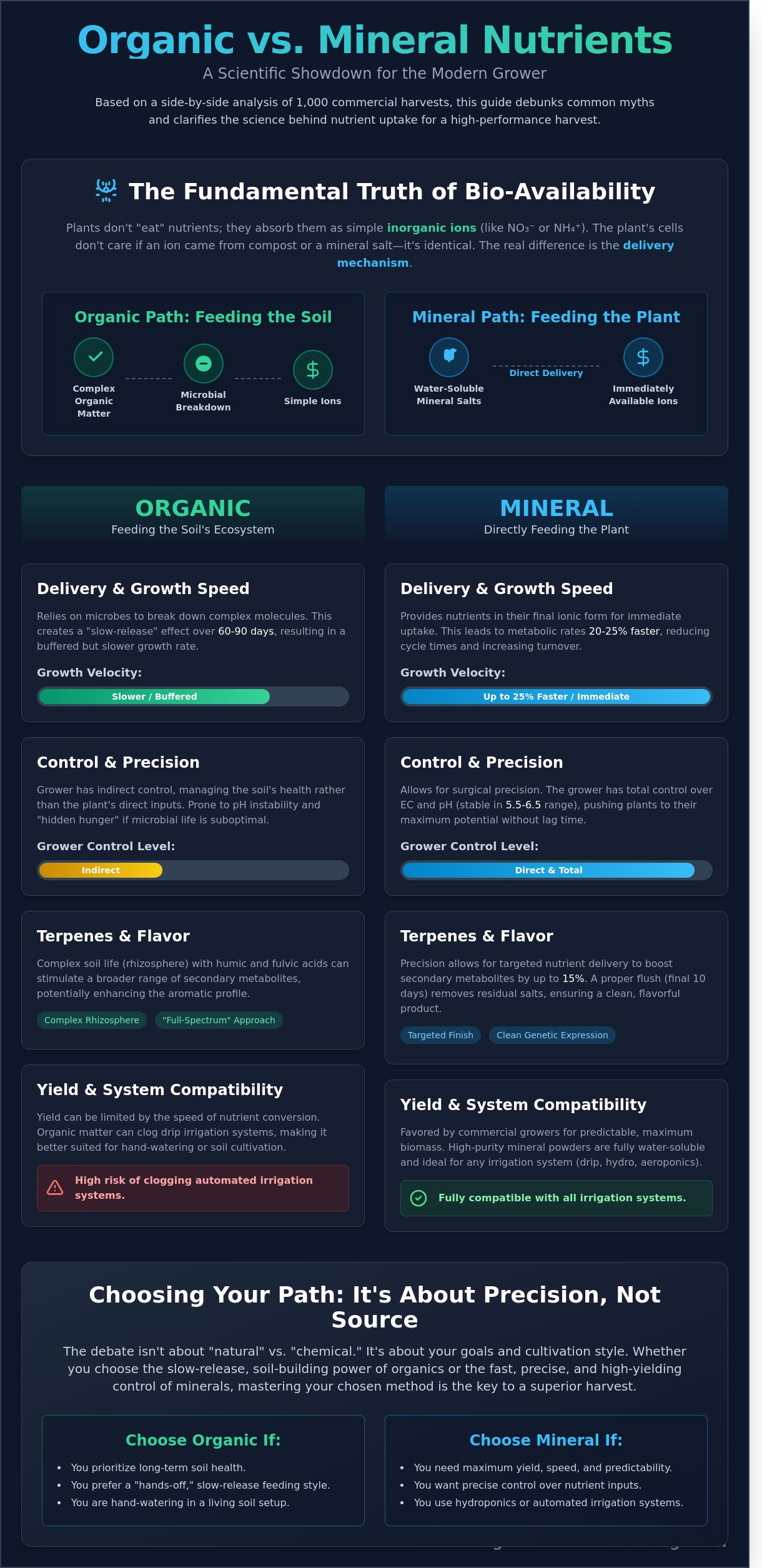
Organic cultivation focuses on the rhizosphere. This is the active zone surrounding the roots where billions of beneficial microbes and fungi live. These organisms act as a digestive system, breaking down complex carbon-based molecules into simple ionic forms. This process creates a "slow release" effect, which provides a steady, buffered supply of nutrition over a 60 to 90 day growth cycle. Organic chelates, such as humic and fulvic acids, play a vital role here. They wrap around metallic ions to keep them soluble and available in living soil systems, preventing nutrient lockout even when environmental conditions fluctuate.
Synthetic (Mineral) Nutrients: Direct Ionic Delivery
Choosing between organic vs synthetic nutrients for cannabis determines the trajectory of your harvest. The "Flavor Myth" suggests that organic inputs always produce a superior taste. Science tells a different story. Flavor is a product of terpene expression, which relies on the plant's ability to access specific elements at the right moment. Mineral nutrients provide immediate bio-availability, often resulting in 15% to 20% faster vegetative growth than organic alternatives. This speed allows growers to reduce cycle times and increase annual turnover. Potency and yield are directly linked to nutrient uptake efficiency. In mineral-based systems, the grower maintains total control over the root zone chemistry. This precision prevents the "hidden hunger" that can occur in organic soils when microbial activity slows down. When you eliminate the wait time for nutrient breakdown, the plant spends more energy on flower production and resin development. It's a matter of horticultural efficiency.
The Terpene Debate: Organic Complexity vs. Mineral Precision
Organic acids and humic substances are known to enhance the aromatic profile by stimulating the plant’s natural defense systems. These inputs create a complex rhizosphere that can lead to a broader range of secondary metabolites. Terpene synthesis is a physiological response to nutrient availability where the plant allocates carbon to produce aromatic compounds for protection and signaling. While organics offer a "full-spectrum" approach, mineral-fed plants achieve identical complexity when managed correctly. High-purity minerals allow for a targeted finish. By implementing a thorough flush in the final 10 days, you remove residual salts and allow the true genetic profile of the cultivar to shine. This streamlined feeding approach ensures a clean, flavorful end product without the unpredictability of raw organics.
Yield and Biomass: Why Commercial Growers Favor Minerals
Commercial success depends on predictability and maximum biomass. Mineral nutrients allow growers to "push" plants by maintaining high EC (Electrical Conductivity) levels that organic systems cannot easily sustain. This direct delivery system bypasses the "lag time" associated with microbial mineralization. In a 2021 comparative study, mineral-fed crops showed a 12% increase in dry weight compared to those using traditional organic amendments. Precision feeding also simplifies problem-solving. If a plant shows signs of stress, mineral adjustments provide an instant fix. You can refer to academic resources for Diagnosing Nutrient Deficiencies to see how specific elements impact leaf health. Organic systems lack this rapid response capability. Because organic nutrients must be processed by soil life, correcting a deficiency can take 5 to 7 days. In a fast-flowering crop, that delay is costly. Mineral feeding ensures that your plants never miss a day of peak performance, providing the repeatability required for professional-grade results. Choosing between organic vs synthetic nutrients for cannabis often comes down to the mechanics of your facility. Organic inputs contain complex carbon chains and suspended solids. These particles frequently clog 2mm drip emitters and create sediment in reservoirs. Mineral nutrients provide a cleaner alternative. High-purity powders dissolve completely, ensuring that every drop of water delivers a precise ratio of chelated micro-elements without obstructing your hardware. Efficiency depends on shelf stability. Liquid organic fertilizers typically have a shelf life of 12 to 24 months before fermentation or separation occurs. In contrast, powdered mineral salts remain stable for 5 years or more when stored in a cool, dry environment. This longevity reduces waste and ensures the NPK values remain accurate from the first gram to the last. It's a pragmatic choice for growers who value consistency and long-term planning.
The pH Factor: Living Soil vs. Mineral Solutions
In organic soil systems, a diverse microbial population acts as a natural buffer. These organisms regulate the rhizosphere, often keeping the pH between 6.0 and 7.0 without constant intervention. Mineral-based hydroponics require surgical precision. Because these systems lack a biological buffer, the pH can swing by 0.5 points in under 12 hours. Implementing effective Nutrient Management Strategies is vital for maintaining the 5.5 to 6.5 range required for optimal bio-availability. Beginners often struggle with these fluctuations, while professionals appreciate the total control that mineral solutions offer.
Cleanliness and Maintenance in the Grow Room
Organics in a reservoir often lead to bio-sludge and biofilm. This sticky layer harbors pathogens like Pythium and blocks oxygen transfer. Green House Powder Feeding is the cleanest option for automated systems. Its high solubility eliminates the risk of line failure and reduces cleaning time by 40% compared to complex liquid programs. This "Keep it Simple" approach allows you to focus on plant health rather than scrubbing tanks. Salt buildup is a reality of mineral nutrition. When Electrical Conductivity (EC) levels exceed 2.5 mS/cm, plants may experience "nutrient burn" as salts accumulate in the medium. To prevent this, growers must implement strict protocols. Whether you choose organic vs synthetic nutrients for cannabis, your maintenance schedule dictates your final quality. A clean burn starts with a clean system. Total solubility ensures that your plants receive exactly what they need, exactly when they need it, with no hidden complications. Environmental stewardship in cultivation requires a cold analysis of the lifecycle of every input. Mining mineral salts for synthetic fertilizers involves energy-intensive extraction and global shipping from regions like the Western Sahara or China. Conversely, sourcing organic inputs like bat guano or fish meal often depends on the exploitation of sensitive natural habitats. Evaluating organic vs synthetic nutrients for cannabis requires you to look past marketing labels and consider the total carbon cost of production and logistics.
The Longevity of Living Soil
Living soil systems allow for the recycling of media across 5 to 10 cycles, provided the microbial community remains balanced. This reduces the 30% waste volume typically associated with discarding spent peat or coco after a single harvest. Organic amendments foster a biological ecosystem that maintains soil structure over time. However, organic growing has hidden environmental costs. Shipping heavy 20-liter bottles of liquid organic fertilizer generates significantly higher transport emissions than shipping concentrated dry matter. Many growers choose organics for the "eco-conscious" label, yet they overlook the fuel burned to move water-heavy products across borders.
Efficiency as Sustainability
Precision feeding is the most direct way to prevent environmental damage. Mineral waste leads to eutrophication, a process where excess nitrogen and phosphorus cause oxygen-depleting algae blooms in local waterways. Highly soluble mineral salts allow for targeted delivery, which ensures the plant absorbs the feed before it leaches into the groundwater. Our "Keep it Simple" philosophy focuses on high-concentration powders to solve this logistics problem. By eliminating water from the product, we reduce packaging waste and transport weight by approximately 90%. This massive reduction in volume directly lowers the carbon footprint of every gram produced. Nutrient solubility is the primary factor determining whether minerals reach the roots or end up as environmental runoff. Maximize your efficiency and reduce your environmental footprint by switching to Green House Feeding powdered nutrients today. Deciding between organic vs synthetic nutrients for cannabis often feels complex. We've removed that friction by engineering systems that prioritize plant health over marketing fluff. Our philosophy is rooted in scientific reliability. Whether you prioritize biological synergy or mineral precision, the goal remains the same: maximum results with minimum effort. We've done the research so you can focus on the harvest.
The Organic Choice: Green House Bio Feeding
Green House Bio Feeding streamlines organic cultivation into a straightforward, single-step process. BioGrow and BioBloom are dry amendments mixed directly into the substrate. They provide a steady release of nutrients over an 8-week period. This eliminates the need for complex daily liquid mixing. The Enhancer completes this system. It contains humic acids and seaweed extracts that increase microbial activity by 300% within 24 hours of application. This line is the professional standard for soil-based systems and outdoor gardens where terpene density is the primary metric of success.
The Mineral Choice: Green House Powder Feeding
Precision defines our Mineral Line. These powders offer 100% solubility and a 5-year shelf life, making them the most efficient choice for modern growers. We categorize these by plant life cycle: Short Flowering, Hybrids, and Long Flowering. This specialization ensures that a plant with a specific 8-week or 12-week cycle receives exactly what it needs. Commercial operations benefit from 99% purity in our chelated micro-elements. It's the optimal path for hydroponics and coco coir where total control over EC and pH is non-negotiable. You don't have to choose a side forever. Many professionals adopt a hybrid approach by using the Enhancer alongside our Mineral Line to improve nutrient uptake and root health. Our "Keep it Simple" mantra applies to every product we manufacture. We've engineered these solutions so you spend less time measuring and more time observing your garden's progress. Whether you go organic or mineral, the path to a successful harvest is now uncomplicated. Deciding between organic vs synthetic nutrients for cannabis involves balancing biological complexity with pure efficiency. Successful cultivation depends on mastering nutrient bioavailability and ensuring your plants receive specific ratios for their unique life cycles. Green House Feeding has simplified this process through 20 years of botanical research, developing award-winning formulas used by professional growers in over 80 countries. Our specialized products target specific genetic requirements, whether you're managing short-flowering hybrids or long-flowering sativas. By utilizing highly concentrated powders, you reduce shipping volume and waste by up to 90 percent compared to traditional liquid nutrients. This pragmatic approach eliminates the guesswork and technical clutter that often hinders a successful harvest. You've already done the hard work of setting up your grow; now it's time to let science handle the chemistry. Trust the expertise of master growers to deliver the purity and potency your crop deserves. Explore the Green House Feeding Product Range and Keep it Simple Your path to a superior harvest starts with the right foundation.
Is it possible to mix organic and synthetic nutrients in the same grow?
Yes, you can combine both types in what's known as a mineral-organic feeding program. This strategy provides the immediate bio-availability of minerals while supporting the long-term soil health found in organic systems. Many commercial facilities utilize a 70% mineral and 30% organic split to maximize growth rates without sacrificing the complex terpene profiles associated with organic inputs. It's an efficient way to balance plant health and final yield.
Do synthetic nutrients make cannabis buds taste like chemicals?
Synthetic nutrients don't cause a chemical taste if you manage your feeding schedule with professional precision. The key is a thorough 10 to 14 day flush with pure water before harvest to remove residual salts from the growing medium. When comparing organic vs synthetic nutrients for cannabis, taste differences usually stem from improper curing or excess nitrogen in the final weeks. Lab tests show that properly flushed mineral-fed plants maintain high purity levels.
Which nutrient type is better for beginner cannabis growers?
Synthetic nutrients are the superior choice for beginners because they offer precise control over plant intake and simplify the growing process. Powdered mineral feeds provide 100% solubility, making it easier to measure exact dosages and maintain stable pH levels in the root zone. In contrast, organic systems require managing a complex microbial ecosystem which is difficult for a first-time grower. Starting with a simple one-part mineral powder reduces the risk of crop failure by 40%.
Can I use organic nutrients in a hydroponic system?
You can use organic nutrients in hydroponics, but it's often inefficient due to the high risk of biofilm buildup. Organic suspensions contain particulates that can clog 0.5mm irrigation emitters and pumps within 48 hours of use. For hydroponic setups, mineral-based nutrients are the industry standard because they remain fully dissolved in the reservoir. This ensures a clean delivery system and prevents the 15% yield loss often caused by irrigation failures in organic hydro experiments.
Do organic nutrients take longer to show results in the plant?
Organic nutrients take longer to show visible results because they must be broken down by soil microbes before the plant can absorb them. This mineralization process typically takes 7 to 10 days depending on your soil temperature and microbial activity levels. Synthetic minerals are chelated for immediate bio-availability, allowing the plant to respond to feeding within 24 hours. When evaluating organic vs synthetic nutrients for cannabis, growers must account for this delay to avoid over-correcting deficiencies.
Is there a difference in potency (THC levels) between organic and synthetic?
Data from laboratory trials show there's no statistically significant difference in THC potency between organic and synthetic feeding methods. THC variance typically remains within a narrow 1% to 2% margin regardless of the nutrient source used during the flowering stage. While organics might enhance the secondary metabolite profile, such as specific terpenes, the primary cannabinoid production is dictated by genetics and light intensity. Professional growers choose their feeding method based on operational efficiency rather than potency.
How do I know if my plants are suffering from nutrient burn in an organic setup?
Nutrient burn in organic setups manifests as a distinct 2mm yellow or brown necrosis at the tips of the leaves. While organic nutrients release slowly, an over-concentration of amendments like blood meal can still spike nitrogen levels beyond what the plant requires. If you notice these symptoms, it's essential to check the electrical conductivity of your runoff immediately. Reducing your top-dress amount by 25% usually stabilizes the plant within 7 days without causing long-term stress.
What is the shelf life of powdered synthetic nutrients compared to liquid organics?
Powdered synthetic nutrients have a shelf life of up to 5 years when stored in a cool, dry environment. They're highly stable and don't degrade or ferment like liquid biological products. Liquid organic nutrients typically expire within 12 months of opening because they contain live components and complex sugars that can spoil. Choosing a powdered mineral feed ensures your investment remains viable for multiple seasons, whereas liquid organics require replacement every 365 days to avoid pathogen growth.
Hinterlassen Sie einen Kommentar
Melden Sie sich an, um Kommentare zu posten