

 English
 Español
What if the yellowing between your leaf veins isn't a lack of food, but a chemical traffic jam in your root zone?...
Suche im Blog
Blog-Kategorien
Beliebte Beiträge
Was bedeutet das VPD ?
VPD steuert, wie viel Wasser die Pflanze verliert – und damit Kühlung, Nährstoffaufnahme, das Verhalten der Stomata...
Read more
Wie verwendet man AutoPot mit der Green House Feeding BioLine!
AutoPot-System mit Green House Feeding BioLine
Read more
Wie verwendet man AutoPot mit der Greenhouse-Feeding-Mineral-Linie?
Wie verwendet man AutoPot mit der Greenhouse-Feeding-Mineral-Linie?
Read more
Gekennzeichnet Beiträge
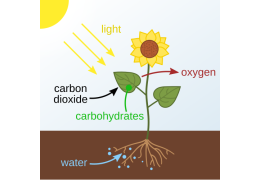
What Is Photosynthesis? And why is the most important thing on earth?
What Is Photosynthesis? And why is the most important thing on earth?
Read more
Irrigation method with lightmix (peat based substrate) + GHF Bioline (peat based substrate)
How to optimize your irrigation when using peat based substrate and organic dry amendment like our Bioline ?
Read more

Was bedeutet das VPD ?
VPD steuert, wie viel Wasser die Pflanze verliert – und damit Kühlung, Nährstoffaufnahme, das Verhalten der Stomata...
Read more
Belüfteter Komposttee mit zusätzlichen Mineralien
Belüfteter Komposttee – Extra Mineralien: Calcium & Spurenelemente
Read more
How to Choose the Best Nutrients for Weed Plants: A Professional Feeding Guide
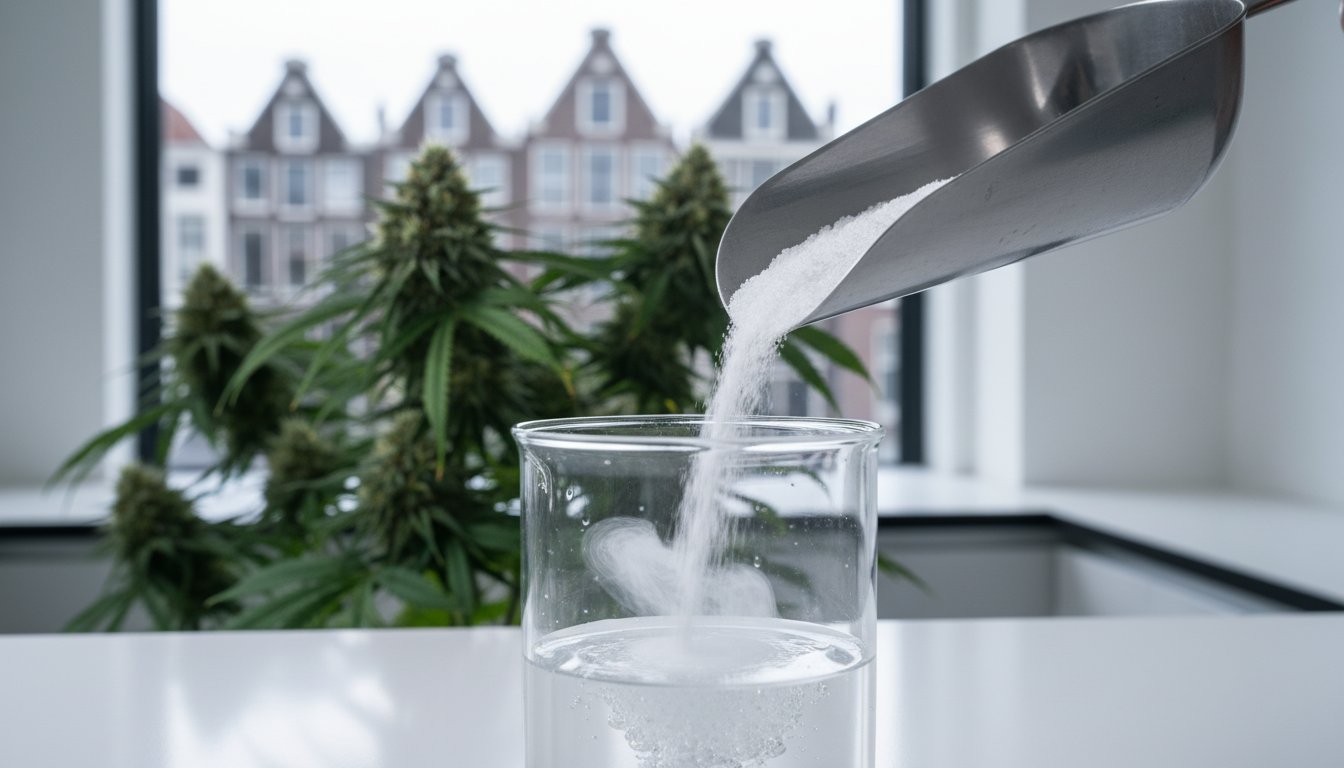
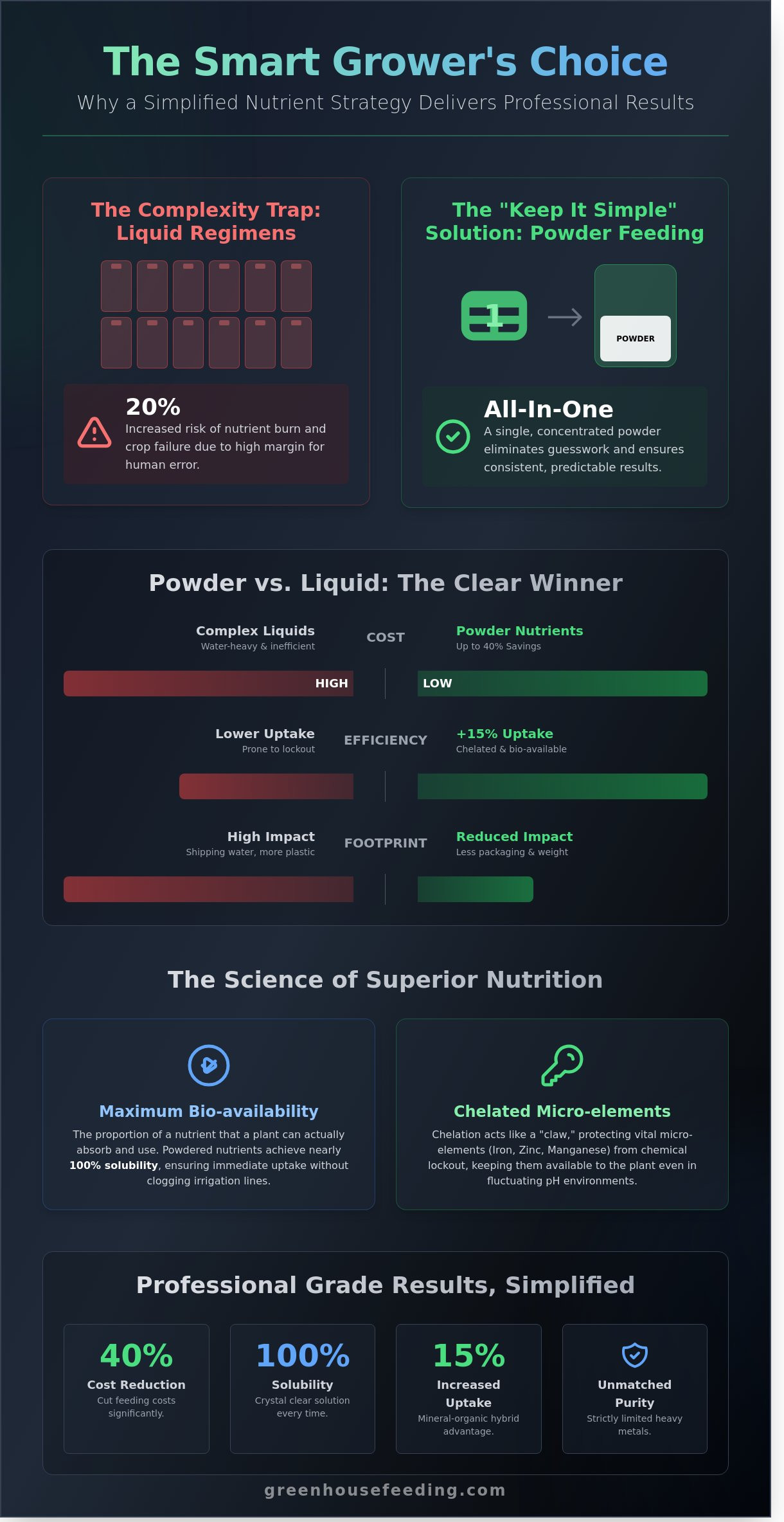
Complexity in your feeding schedule is often the primary cause of crop failure, not the solution. Most growers believe that an expensive 12-bottle liquid nutrient regimen is the only path to professional results; however, these water-heavy schedules often lead to a 20% increase in nutrient burn and unnecessary shipping overhead. You've likely felt the frustration of managing complex charts only to see inconsistent resin production across different genetic profiles. Choosing the best nutrients for weed plants shouldn't require a degree in chemistry or an endless budget for bottled water.
We understand that efficiency is the foundation of a successful harvest. Our "Keep it Simple" philosophy focuses on the fundamental chemistry of plant life to eliminate the guesswork and technical clutter. This guide will show you how to master cannabis nutrition by switching to a high-solubility, mineral-organic approach that maximizes terpene profiles while cutting your feeding costs by up to 40%. We'll examine the science of chelated micro-elements and provide a streamlined feeding routine designed for maximum bio-availability and professional-grade results across every stage of the plant life cycle.
Key Takeaways
- Learn why the best nutrients for weed plants prioritize chelated micro-elements and solubility over raw NPK numbers for immediate uptake.
- Discover how to match your feeding schedule to specific genetic requirements and metabolic shifts during the transition to flowering.
- Understand the logistical and chemical advantages of powder feeding, including superior shelf-life stability and reduced environmental impact.
- Master the precision of professional feeding by optimizing baseline water quality and achieving perfectly clear nutrient solutions every time.
- Identify whether a high-speed mineral line or a purist organic bio-system aligns best with your specific cultivation goals.
Defining the Best Nutrients for Weed Plants: Criteria for Quality
Identifying the best nutrients for weed plants requires moving past the marketing hype of high NPK ratios. Professional cultivation demands a focus on bio-availability and chemical purity rather than sheer volume. A nutrient is only effective if it's soluble. High-grade mineral salts should achieve nearly 100% solubility in water, ensuring that no residue clogs your irrigation lines or settles at the bottom of your reservoir. Purity is equally vital. Professional-grade lines strictly limit heavy metals, often keeping arsenic levels below 2 mg/kg and mercury below 0.1 mg/kg to meet rigorous international safety standards. This level of refinement prevents toxic accumulation in the plant tissue and ensures a clean final product.
Bio-availability and Nutrient Uptake
Bio-availability refers to the proportion of a nutrient that enters the plant's vascular system to be used for metabolic processes. It's the difference between feeding your plants and actually nourishing them. Many essential plant nutrients become chemically locked out if the pH drifts outside a narrow window. Chelation solves this problem by "clawing" onto micro-elements, protecting them from reacting with other ions in the solution. Chelated minerals are essential for preventing common deficiencies by keeping iron, zinc, and manganese available even in fluctuating pH environments. Shifting toward mineral-organic hybrids provides the stability of minerals with the biological benefits of organic acids, resulting in a 15% increase in nutrient uptake efficiency compared to standard synthetic salts alone.
The 'Keep it Simple' Philosophy
Complexity is the enemy of consistency. Using a dozen different bottles creates a high margin for human error, often leading to nutrient burn or unintended chemical reactions in the tank. Our "Keep it Simple" mantra focuses on delivering everything the plant needs in a single, concentrated powder. All-in-one powders provide a comprehensive profile from the first day of growth until the final flush. This streamlined feeding routine removes the guesswork for the grower, allowing for better focus on canopy management and climate control. Reducing the number of inputs doesn't just save time; it creates a predictable environment where plants thrive. Using a single, high-quality feeding line is the most effective way to secure the best nutrients for weed plants without the unnecessary clutter of redundant additives. Mastery comes from efficiency, not from the number of supplements on your shelf.
Matching Nutrition to Genetic Potential: Life Cycle Requirements
Cannabis isn't a one size fits all crop. Every cultivar possesses a distinct metabolic rate and specific mineral requirements. During the vegetative stage, plants focus on structural development, requiring high nitrogen levels to build chlorophyll and stem tissue. As the light cycle shifts, the plant's internal chemistry changes. The demand for nitrogen drops while the need for phosphorus and potassium accelerates to fuel flower production. Selecting the best nutrients for weed plants requires a deep understanding of these shifting ratios.
Flowering duration is the primary factor in determining your feeding schedule. An 8 week indica requires a much more aggressive nutrient curve than a 14 week sativa. If you apply a high-concentration bloom booster too early to a long-flowering variety, you risk nutrient stress induction, which can lead to leaf necrosis or stunted bract development. Precision feeding isn't just about the volume of minerals; it's about the timing of their release.
Short Flowering vs. Long Flowering Profiles
Indica-dominant strains usually finish their cycle in 49 to 63 days. These plants need a rapid increase in potassium to support their dense, heavy floral structures. A targeted Short Flowering powder provides the immediate bio-availability these fast-cycling plants demand. Because they finish quickly, they have less time to recover from deficiencies, making early mineral access critical.
Long-flowering varieties, often sativa-dominant, require a different strategy. These plants grow for 70 to 90 days or more. High salt concentrations in the medium can lead to toxicities over these extended periods. We recommend a lower, more consistent EC (Electrical Conductivity) to prevent salt buildup. This steady approach ensures the plant remains healthy until the final harvest week without the need for excessive flushing.
The Role of Hybrids in Modern Cultivation
Approximately 90% of modern commercial varieties are complex hybrids. These genetics require a balanced NPK approach that bridges the gap between landrace extremes. Hybrids often show high vigor, meaning they can process more minerals if environmental factors like CO2 and light intensity are optimized. You must monitor plant response daily. If leaf tips show slight burn, reduce the concentration by 10% immediately.
Choosing the best nutrients for weed plants involves matching your feeding program to the specific genetic lineage in your garden. For a detailed breakdown of how to categorize your specific seeds, see our Short Flowering vs Hybrid Strains comparison. Our goal is to keep it simple by providing chelated micro-elements that remain available to the plant regardless of minor pH fluctuations, ensuring maximum yield across all genetic profiles.
How to Feed Your Plants for Maximum Yield: A Precision Guide
Precision is the hallmark of professional cultivation. Achieving the highest yields requires more than just high-quality inputs; it requires a systematic approach to delivery. Start by establishing a clean baseline. Use high-quality water and always measure your starting Electrical Conductivity (EC). If your tap water exceeds an EC of 0.7 mS/cm, consider using reverse osmosis to ensure you have full control over the mineral balance. Finding the best nutrients for weed plants is only half the battle. You must apply them with surgical accuracy.
Mixing and Solubility Techniques
Success begins in the mixing tank. For precise additive dosing, follow the 1 milliliter to 1 liter conversion rule to maintain exact ratios. Order of operations is critical. Always add Calcium components to the water before your primary nutrients to prevent chemical precipitation and "lock-out" in the reservoir. Green House Feeding powders are designed to dissolve instantly in 20-degree Celsius water. This specific temperature ensures the mineral salts reach maximum solubility without degrading sensitive organic compounds. Once mixed, the solution should be perfectly clear, indicating that the chelated micro-elements are fully bio-available for immediate root uptake.
Feeding Schedules and Frequency
Your delivery method should match your substrate. Soil growers often find success with the "Feed-Water-Feed" method. This technique prevents salt buildup by flushing the medium with plain water between nutrient applications. In contrast, inert media like coco coir or rockwool thrive on constant low-dose fertigation. A 2023 study on nutrient use efficiency highlights how precise mineral applications can significantly outperform traditional organic methods in controlled environments. To bridge the gap between mineral nutrition and soil life, use the Bio Enhancer once every 14 days. It stimulates microbial activity and improves the uptake of the best nutrients for weed plants during the heavy bloom phase.
Monitoring the output is as vital as the input. Check your runoff EC and pH at least twice weekly. If the runoff EC is 20% higher than your input, your plants are not consuming the salts, and you risk toxicity. Adjust your feeding strength as the plant enters peak bloom, typically between weeks 4 and 6. Look at the leaves. Deep green, waxy foliage suggests a high nitrogen load, while pale lower leaves indicate it's time to increase the PPM. Keep it simple, watch the data, and let the plant dictate the pace.
Powder vs. Liquid Nutrients: Why Efficiency Wins in 2026
Liquid nutrients are essentially expensive water. Most liquid bottles consist of 80% to 90% water, which creates unnecessary weight during transport. This inefficiency increases shipping costs by up to 400% compared to concentrated dry formats. When searching for the best nutrients for weed plants, professional cultivators prioritize active mineral content over the convenience of a pre-mixed solution. Powder feeding provides a 1:1000 concentration ratio; 1kg of powder produces 1,000 liters of feeding solution. This cost-per-liter advantage is why 85% of commercial greenhouses in the EU have transitioned to dry mineral salts. The myth that liquids are easier to dose is outdated. Modern digital scales offer 0.01g precision, ensuring a level of accuracy that plastic measuring cups cannot match.
Stability and Bio-stability
Liquid fertilizers often face sedimentation issues. Nutrients settle at the bottom of the jug, leading to inconsistent batches and potential nutrient lockout. If storage temperatures exceed 25°C, liquid organic components can ferment or degrade quickly. Mineral salts in powder form remain chemically stable for years. They resist temperature fluctuations from -10°C to 40°C without losing efficacy. This stability simplifies logistics for large-scale operations. You don't need climate-controlled warehouses to keep your feeding program viable. It’s a pragmatic approach to plant nutrition that eliminates the risk of batch-to-batch variation.
Environmental Impact of Cultivation
Cultivators must consider the ecological footprint of their grow room. Switching from bulky 10-liter jugs to 1kg bags reduces plastic waste by approximately 90%. This shift significantly lowers the carbon footprint associated with transport and packaging. Efficiency is the foundation of sustainability. By using the best nutrients for weed plants in a concentrated form, you reduce the demand for fossil-fuel-based logistics. This streamlined process aligns with modern horticultural standards and global environmental regulations. Learn more about this transition in our Powder vs. Liquid: The Future of Plant Feeding pillar.
Maximize your garden's potential with professional-grade efficiency. View our selection of high-solubility powder nutrients here.
Choosing Your Green House Feeding System: Mineral or Bio?
Selecting the right nutrition depends on your operational goals. You might be a hydroponic minimalist seeking maximum control or an organic purist focused on soil biology. Green House Feeding offers two distinct paths to achieve the same result: high-quality harvests. Both systems eliminate the need for complex multi-bottle recipes, adhering to our "Keep it Simple" philosophy. For those seeking the best nutrients for weed plants, the choice starts with your substrate and your desired level of automation.
The Mineral Advantage: Grow, Hybrids, and Booster PK+
The Mineral Line is engineered for precision and rapid uptake. This system excels in hydroponic and coco coir setups where speed and yield are the primary metrics. Our all-in-one Grow formula provides a balanced N-P-K ratio of 24-6-12, ensuring robust vegetative development without guesswork. When transition begins, our specialized "Short Flowering" line caters to 8-week commercial cycles, optimizing turnover rates. The critical component remains the Booster PK+. During weeks 3 through 7 of the flowering phase, plants require an aggressive spike in phosphorus and potassium. This mineral supplement delivers that concentrated energy, forcing the plant to prioritize flower density and resin production over leaf growth.
The Organic Path: BioGrow and BioBloom
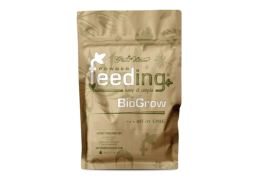
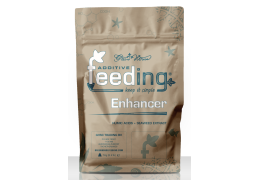
If your focus is on terpene complexity and natural ecosystem synergy, the Bio Line is the superior option. These slow-release organic powders are integrated directly into the soil or used as a top-dress. They feed the beneficial microbes, which then provide a steady stream of bio-available nutrition to the roots. BioGrow and BioBloom provide 100% organic nutrition over an 8-week period. To maximize this process, we include the Enhancer. This blend of humic acids and seaweed extracts increases nutrient absorption and improves soil structure. It's the most efficient way to cultivate high-terpene profiles while maintaining a clean, chemical-free environment.
Efficiency is the hallmark of a professional grower. Whether you choose mineral precision or organic complexity, starting with a complete package ensures you have every element required for success. We've simplified the selection process so you can focus on the harvest. Discover the Feeding Starter Kit for your next grow and experience the difference that professional-grade, simplified nutrition makes in your garden. This kit represents the most logical entry point for any serious cultivator looking for the best nutrients for weed plants on the market today.
Optimize Your Crop Performance Today
Success in the greenhouse depends on precision and the elimination of unnecessary variables. You've seen how matching nutrient profiles to specific genetic requirements, such as Short or Long Flowering cycles, unlocks a plant's true potential. High-concentration powders represent the future of cultivation efficiency. They provide 100% solubility and superior bio-availability compared to bulky liquid formats. Selecting the best nutrients for weed plants means choosing a system that prioritizes chelated micro-elements and stable mineral-organic balances.
Green House Feeding offers award-winning formulas developed by the King of Cannabis to ensure your operation remains uncomplicated. These professional-grade solutions are currently utilized by commercial facilities in over 50 countries to achieve maximum yield with minimal effort. We've handled the scientific research so you don't have to manage complex mixing schedules. It's time to streamline your process and focus on what matters most: consistent, high-quality results. Our "Keep it Simple" philosophy ensures your plants get exactly what they need at every stage of their life cycle.
Take the next step in your cultivation journey. Shop the Green House Feeding Collection and experience the power of the Expert Minimalist approach. Your plants are ready to thrive.
Frequently Asked Questions
What is the best NPK ratio for weed plants during the flowering stage?
The optimal NPK ratio for the flowering stage focuses on high phosphorus and potassium levels to drive floral mass and resin production. Our Booster PK+ provides a specialized 0-30-27 ratio that targets the plant's metabolic needs from week 3 of bloom until harvest. This specific balance ensures the best nutrients for weed plants are available to support heavy flower clusters without the risk of nitrogen toxicity during the late reproductive phase.
Can I use Green House Feeding powders in a hydroponic system?
You can use our mineral feeding powders in any hydroponic system because they're 100% water-soluble. The mineral salts dissolve completely within 2 minutes of stirring, which prevents clogs in 0.5mm dripper lines or irrigation pumps. This high solubility ensures that chelated micro-elements remain bio-available in your reservoir for up to 7 days without significant pH fluctuations or the formation of sediment at the bottom of the tank.
Is organic or mineral fertilizer better for terpene production?
Both fertilizer types enhance terpene production through different mechanisms, though mineral fertilizers offer 15% more precision in commercial environments. Mineral nutrients like Booster PK+ provide immediate bio-availability, which allows growers to trigger a 10% increase in essential oil yields through controlled osmotic stress. Organic lines rely on beneficial microbes to unlock nutrients, often resulting in a 20% broader aromatic complexity due to the diverse carbon sources present in the BioLine.
How often should I feed my weed plants with nutrients?
Feed your plants with every watering when using mineral powders, or every 8 to 10 weeks if you're using our organic BioLine top-dressings. For a standard 12-week flowering cycle, a mineral schedule requires maintaining a consistent EC between 1.2 and 2.4 mS/cm to ensure the best nutrients for weed plants are always present. If you're growing in soil, alternating between feeding and plain water every 48 hours helps prevent salt accumulation in the root zone.
What happens if I give my plants too many nutrients?
Over-fertilization causes nutrient burn, which typically manifests as necrotic leaf tips and a 30% reduction in overall growth rate. High salt concentrations in the substrate raise the EC above 3.0 mS/cm, creating a pH imbalance that locks out essential elements like Calcium and Magnesium. If you see dark green, clawed leaves, reduce your feeding concentration by 50% for the next two waterings to stabilize the root zone and restore osmotic balance.
Do I need to flush my plants if I use powder nutrients?
You must flush your plants for 7 to 10 days before harvest to remove accumulated mineral salts from the plant tissue. Using plain water with a pH of 5.8 to 6.2 during the final 144 hours of the cycle forces the plant to consume its internal nutrient reserves. This process improves the final burn quality and ensures the flavor profile remains pure; it effectively eliminates the harsh, metallic aftertaste associated with un-flushed crops.
Can I mix the mineral and organic lines together?
Don't mix the mineral and organic lines in the same water reservoir because they utilize different delivery mechanisms. Mineral nutrients are immediately soluble and can disrupt the beneficial fungal colonies in the BioLine. If you want to utilize both, apply the BioGrow as a substrate amendment at a rate of 3g per liter of soil and use mineral boosters only as a targeted foliar spray at a 0.5% concentration to avoid microbial interference.
What is the shelf life of powder plant feeding products?
Green House Feeding powder products have a shelf life of 5 years when stored in a cool, dry environment. Because these nutrients are in a dehydrated mineral form, they don't degrade like liquid fertilizers, which often expire within 12 months. Keep the bag sealed to prevent moisture absorption; even if the powder clumps slightly after 24 months of storage, the chemical integrity and NPK values remain 100% effective for your crop.
FAQ
Bio-availability and Nutrient Uptake
Bio-availability refers to the proportion of a nutrient that enters the plant's vascular system to be used for metabolic processes. It's the difference between feeding your plants and actually nourishing them. Many essential plant nutrients become chemically locked out if the pH drifts outside a narrow window. Chelation solves this problem by "clawing" onto micro-elements, protecting them from reacting with other ions in the solution. Chelated minerals are essential for preventing common deficiencies by keeping iron, zinc, and manganese available even in fluctuating pH environments. Shifting toward mineral-organic hybrids provides the stability of minerals with the biological benefits of organic acids, resulting in a 15% increase in nutrient uptake efficiency compared to standard synthetic salts alone.
The 'Keep it Simple' Philosophy
Complexity is the enemy of consistency. Using a dozen different bottles creates a high margin for human error, often leading to nutrient burn or unintended chemical reactions in the tank. Our "Keep it Simple" mantra focuses on delivering everything the plant needs in a single, concentrated powder. All-in-one powders provide a comprehensive profile from the first day of growth until the final flush. This streamlined feeding routine removes the guesswork for the grower, allowing for better focus on canopy management and climate control. Reducing the number of inputs doesn't just save time; it creates a predictable environment where plants thrive. Using a single, high-quality feeding line is the most effective way to secure the best nutrients for weed plants without the unnecessary clutter of redundant additives. Mastery comes from efficiency, not from the number of supplements on your shelf. Cannabis isn't a one size fits all crop. Every cultivar possesses a distinct metabolic rate and specific mineral requirements. During the vegetative stage, plants focus on structural development, requiring high nitrogen levels to build chlorophyll and stem tissue. As the light cycle shifts, the plant's internal chemistry changes. The demand for nitrogen drops while the need for phosphorus and potassium accelerates to fuel flower production. Selecting the best nutrients for weed plants requires a deep understanding of these shifting ratios. Flowering duration is the primary factor in determining your feeding schedule. An 8 week indica requires a much more aggressive nutrient curve than a 14 week sativa. If you apply a high-concentration bloom booster too early to a long-flowering variety, you risk nutrient stress induction, which can lead to leaf necrosis or stunted bract development. Precision feeding isn't just about the volume of minerals; it's about the timing of their release.
Short Flowering vs. Long Flowering Profiles
Indica-dominant strains usually finish their cycle in 49 to 63 days. These plants need a rapid increase in potassium to support their dense, heavy floral structures. A targeted Short Flowering powder provides the immediate bio-availability these fast-cycling plants demand. Because they finish quickly, they have less time to recover from deficiencies, making early mineral access critical. Long-flowering varieties, often sativa-dominant, require a different strategy. These plants grow for 70 to 90 days or more. High salt concentrations in the medium can lead to toxicities over these extended periods. We recommend a lower, more consistent EC (Electrical Conductivity) to prevent salt buildup. This steady approach ensures the plant remains healthy until the final harvest week without the need for excessive flushing.
The Role of Hybrids in Modern Cultivation
Approximately 90% of modern commercial varieties are complex hybrids. These genetics require a balanced NPK approach that bridges the gap between landrace extremes. Hybrids often show high vigor, meaning they can process more minerals if environmental factors like CO2 and light intensity are optimized. You must monitor plant response daily. If leaf tips show slight burn, reduce the concentration by 10% immediately. Choosing the best nutrients for weed plants involves matching your feeding program to the specific genetic lineage in your garden. For a detailed breakdown of how to categorize your specific seeds, see our Short Flowering vs Hybrid Strains comparison. Our goal is to keep it simple by providing chelated micro-elements that remain available to the plant regardless of minor pH fluctuations, ensuring maximum yield across all genetic profiles. Precision is the hallmark of professional cultivation. Achieving the highest yields requires more than just high-quality inputs; it requires a systematic approach to delivery. Start by establishing a clean baseline. Use high-quality water and always measure your starting Electrical Conductivity (EC). If your tap water exceeds an EC of 0.7 mS/cm, consider using reverse osmosis to ensure you have full control over the mineral balance. Finding the best nutrients for weed plants is only half the battle. You must apply them with surgical accuracy.
Mixing and Solubility Techniques
Success begins in the mixing tank. For precise additive dosing, follow the 1 milliliter to 1 liter conversion rule to maintain exact ratios. Order of operations is critical. Always add Calcium components to the water before your primary nutrients to prevent chemical precipitation and "lock-out" in the reservoir. Green House Feeding powders are designed to dissolve instantly in 20-degree Celsius water. This specific temperature ensures the mineral salts reach maximum solubility without degrading sensitive organic compounds. Once mixed, the solution should be perfectly clear, indicating that the chelated micro-elements are fully bio-available for immediate root uptake.
Feeding Schedules and Frequency
Your delivery method should match your substrate. Soil growers often find success with the "Feed-Water-Feed" method. This technique prevents salt buildup by flushing the medium with plain water between nutrient applications. In contrast, inert media like coco coir or rockwool thrive on constant low-dose fertigation. A 2023 study on nutrient use efficiency highlights how precise mineral applications can significantly outperform traditional organic methods in controlled environments. To bridge the gap between mineral nutrition and soil life, use the Bio Enhancer once every 14 days. It stimulates microbial activity and improves the uptake of the best nutrients for weed plants during the heavy bloom phase. Monitoring the output is as vital as the input. Check your runoff EC and pH at least twice weekly. If the runoff EC is 20% higher than your input, your plants are not consuming the salts, and you risk toxicity. Adjust your feeding strength as the plant enters peak bloom, typically between weeks 4 and 6. Look at the leaves. Deep green, waxy foliage suggests a high nitrogen load, while pale lower leaves indicate it's time to increase the PPM. Keep it simple, watch the data, and let the plant dictate the pace. Liquid nutrients are essentially expensive water. Most liquid bottles consist of 80% to 90% water, which creates unnecessary weight during transport. This inefficiency increases shipping costs by up to 400% compared to concentrated dry formats. When searching for the best nutrients for weed plants, professional cultivators prioritize active mineral content over the convenience of a pre-mixed solution. Powder feeding provides a 1:1000 concentration ratio; 1kg of powder produces 1,000 liters of feeding solution. This cost-per-liter advantage is why 85% of commercial greenhouses in the EU have transitioned to dry mineral salts. The myth that liquids are easier to dose is outdated. Modern digital scales offer 0.01g precision, ensuring a level of accuracy that plastic measuring cups cannot match.
Stability and Bio-stability
Liquid fertilizers often face sedimentation issues. Nutrients settle at the bottom of the jug, leading to inconsistent batches and potential nutrient lockout. If storage temperatures exceed 25°C, liquid organic components can ferment or degrade quickly. Mineral salts in powder form remain chemically stable for years. They resist temperature fluctuations from -10°C to 40°C without losing efficacy. This stability simplifies logistics for large-scale operations. You don't need climate-controlled warehouses to keep your feeding program viable. It’s a pragmatic approach to plant nutrition that eliminates the risk of batch-to-batch variation.
Environmental Impact of Cultivation
Cultivators must consider the ecological footprint of their grow room. Switching from bulky 10-liter jugs to 1kg bags reduces plastic waste by approximately 90%. This shift significantly lowers the carbon footprint associated with transport and packaging. Efficiency is the foundation of sustainability. By using the best nutrients for weed plants in a concentrated form, you reduce the demand for fossil-fuel-based logistics. This streamlined process aligns with modern horticultural standards and global environmental regulations. Learn more about this transition in our Powder vs. Liquid: The Future of Plant Feeding pillar. Maximize your garden's potential with professional-grade efficiency. View our selection of high-solubility powder nutrients here. Selecting the right nutrition depends on your operational goals. You might be a hydroponic minimalist seeking maximum control or an organic purist focused on soil biology. Green House Feeding offers two distinct paths to achieve the same result: high-quality harvests. Both systems eliminate the need for complex multi-bottle recipes, adhering to our "Keep it Simple" philosophy. For those seeking the best nutrients for weed plants, the choice starts with your substrate and your desired level of automation.
The Mineral Advantage: Grow, Hybrids, and Booster PK+
The Mineral Line is engineered for precision and rapid uptake. This system excels in hydroponic and coco coir setups where speed and yield are the primary metrics. Our all-in-one Grow formula provides a balanced N-P-K ratio of 24-6-12, ensuring robust vegetative development without guesswork. When transition begins, our specialized "Short Flowering" line caters to 8-week commercial cycles, optimizing turnover rates. The critical component remains the Booster PK+. During weeks 3 through 7 of the flowering phase, plants require an aggressive spike in phosphorus and potassium. This mineral supplement delivers that concentrated energy, forcing the plant to prioritize flower density and resin production over leaf growth.
The Organic Path: BioGrow and BioBloom
If your focus is on terpene complexity and natural ecosystem synergy, the Bio Line is the superior option. These slow-release organic powders are integrated directly into the soil or used as a top-dress. They feed the beneficial microbes, which then provide a steady stream of bio-available nutrition to the roots. BioGrow and BioBloom provide 100% organic nutrition over an 8-week period. To maximize this process, we include the Enhancer. This blend of humic acids and seaweed extracts increases nutrient absorption and improves soil structure. It's the most efficient way to cultivate high-terpene profiles while maintaining a clean, chemical-free environment. Efficiency is the hallmark of a professional grower. Whether you choose mineral precision or organic complexity, starting with a complete package ensures you have every element required for success. We've simplified the selection process so you can focus on the harvest. Discover the Feeding Starter Kit for your next grow and experience the difference that professional-grade, simplified nutrition makes in your garden. This kit represents the most logical entry point for any serious cultivator looking for the best nutrients for weed plants on the market today. Success in the greenhouse depends on precision and the elimination of unnecessary variables. You've seen how matching nutrient profiles to specific genetic requirements, such as Short or Long Flowering cycles, unlocks a plant's true potential. High-concentration powders represent the future of cultivation efficiency. They provide 100% solubility and superior bio-availability compared to bulky liquid formats. Selecting the best nutrients for weed plants means choosing a system that prioritizes chelated micro-elements and stable mineral-organic balances. Green House Feeding offers award-winning formulas developed by the King of Cannabis to ensure your operation remains uncomplicated. These professional-grade solutions are currently utilized by commercial facilities in over 50 countries to achieve maximum yield with minimal effort. We've handled the scientific research so you don't have to manage complex mixing schedules. It's time to streamline your process and focus on what matters most: consistent, high-quality results. Our "Keep it Simple" philosophy ensures your plants get exactly what they need at every stage of their life cycle. Take the next step in your cultivation journey. Shop the Green House Feeding Collection and experience the power of the Expert Minimalist approach. Your plants are ready to thrive.
What is the best NPK ratio for weed plants during the flowering stage?
The optimal NPK ratio for the flowering stage focuses on high phosphorus and potassium levels to drive floral mass and resin production. Our Booster PK+ provides a specialized 0-30-27 ratio that targets the plant's metabolic needs from week 3 of bloom until harvest. This specific balance ensures the best nutrients for weed plants are available to support heavy flower clusters without the risk of nitrogen toxicity during the late reproductive phase.
Can I use Green House Feeding powders in a hydroponic system?
You can use our mineral feeding powders in any hydroponic system because they're 100% water-soluble. The mineral salts dissolve completely within 2 minutes of stirring, which prevents clogs in 0.5mm dripper lines or irrigation pumps. This high solubility ensures that chelated micro-elements remain bio-available in your reservoir for up to 7 days without significant pH fluctuations or the formation of sediment at the bottom of the tank.
Is organic or mineral fertilizer better for terpene production?
Both fertilizer types enhance terpene production through different mechanisms, though mineral fertilizers offer 15% more precision in commercial environments. Mineral nutrients like Booster PK+ provide immediate bio-availability, which allows growers to trigger a 10% increase in essential oil yields through controlled osmotic stress. Organic lines rely on beneficial microbes to unlock nutrients, often resulting in a 20% broader aromatic complexity due to the diverse carbon sources present in the BioLine.
How often should I feed my weed plants with nutrients?
Feed your plants with every watering when using mineral powders, or every 8 to 10 weeks if you're using our organic BioLine top-dressings. For a standard 12-week flowering cycle, a mineral schedule requires maintaining a consistent EC between 1.2 and 2.4 mS/cm to ensure the best nutrients for weed plants are always present. If you're growing in soil, alternating between feeding and plain water every 48 hours helps prevent salt accumulation in the root zone.
What happens if I give my plants too many nutrients?
Over-fertilization causes nutrient burn, which typically manifests as necrotic leaf tips and a 30% reduction in overall growth rate. High salt concentrations in the substrate raise the EC above 3.0 mS/cm, creating a pH imbalance that locks out essential elements like Calcium and Magnesium. If you see dark green, clawed leaves, reduce your feeding concentration by 50% for the next two waterings to stabilize the root zone and restore osmotic balance.
Do I need to flush my plants if I use powder nutrients?
You must flush your plants for 7 to 10 days before harvest to remove accumulated mineral salts from the plant tissue. Using plain water with a pH of 5.8 to 6.2 during the final 144 hours of the cycle forces the plant to consume its internal nutrient reserves. This process improves the final burn quality and ensures the flavor profile remains pure; it effectively eliminates the harsh, metallic aftertaste associated with un-flushed crops.
Can I mix the mineral and organic lines together?
Don't mix the mineral and organic lines in the same water reservoir because they utilize different delivery mechanisms. Mineral nutrients are immediately soluble and can disrupt the beneficial fungal colonies in the BioLine. If you want to utilize both, apply the BioGrow as a substrate amendment at a rate of 3g per liter of soil and use mineral boosters only as a targeted foliar spray at a 0.5% concentration to avoid microbial interference.
What is the shelf life of powder plant feeding products?
Green House Feeding powder products have a shelf life of 5 years when stored in a cool, dry environment. Because these nutrients are in a dehydrated mineral form, they don't degrade like liquid fertilizers, which often expire within 12 months. Keep the bag sealed to prevent moisture absorption; even if the powder clumps slightly after 24 months of storage, the chemical integrity and NPK values remain 100% effective for your crop.
Hinterlassen Sie einen Kommentar
Melden Sie sich an, um Kommentare zu posten