

 English
 Español
Managing a dozen different liquid bottles for a single reservoir change is an expensive distraction, not a...
Suche im Blog
Blog-Kategorien
Neueste Beiträge
General Hydroponics: The Grower’s Guide to Simplified Plant Nutrition
Read more
The Definitive Guide to Organic Fertilizer for Plants in 2026
Read more
Complexity is the enemy of a high-performing greenhouse. Most professional growers believe that switching to an...
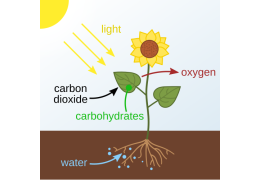
What Is Photosynthesis? And why is the most important thing on earth?
Read more
What Is Photosynthesis? And why is the most important thing on earth?
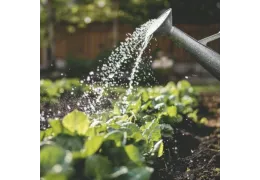
Irrigation method with lightmix (peat based substrate) + GHF Bioline (peat based substrate)
Read more
How to optimize your irrigation when using peat based substrate and organic dry amendment like our Bioline ?

Beliebte Beiträge
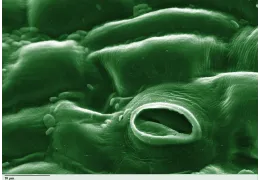
Was bedeutet das VPD ?
VPD steuert, wie viel Wasser die Pflanze verliert – und damit Kühlung, Nährstoffaufnahme, das Verhalten der Stomata...
Read more
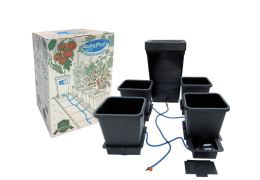
Wie verwendet man AutoPot mit der Green House Feeding BioLine!
AutoPot-System mit Green House Feeding BioLine
Read more
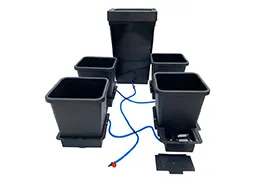
Wie verwendet man AutoPot mit der Greenhouse-Feeding-Mineral-Linie?
Wie verwendet man AutoPot mit der Greenhouse-Feeding-Mineral-Linie?
Read more
Gekennzeichnet Beiträge
What Is Photosynthesis? And why is the most important thing on earth?
What Is Photosynthesis? And why is the most important thing on earth?
Read more
Irrigation method with lightmix (peat based substrate) + GHF Bioline (peat based substrate)
How to optimize your irrigation when using peat based substrate and organic dry amendment like our Bioline ?
Read more
Was bedeutet das VPD ?
VPD steuert, wie viel Wasser die Pflanze verliert – und damit Kühlung, Nährstoffaufnahme, das Verhalten der Stomata...
Read more
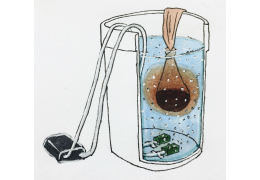
Belüfteter Komposttee mit zusätzlichen Mineralien
Belüfteter Komposttee – Extra Mineralien: Calcium & Spurenelemente
Read more
General Hydroponics: The Grower’s Guide to Simplified Plant Nutrition
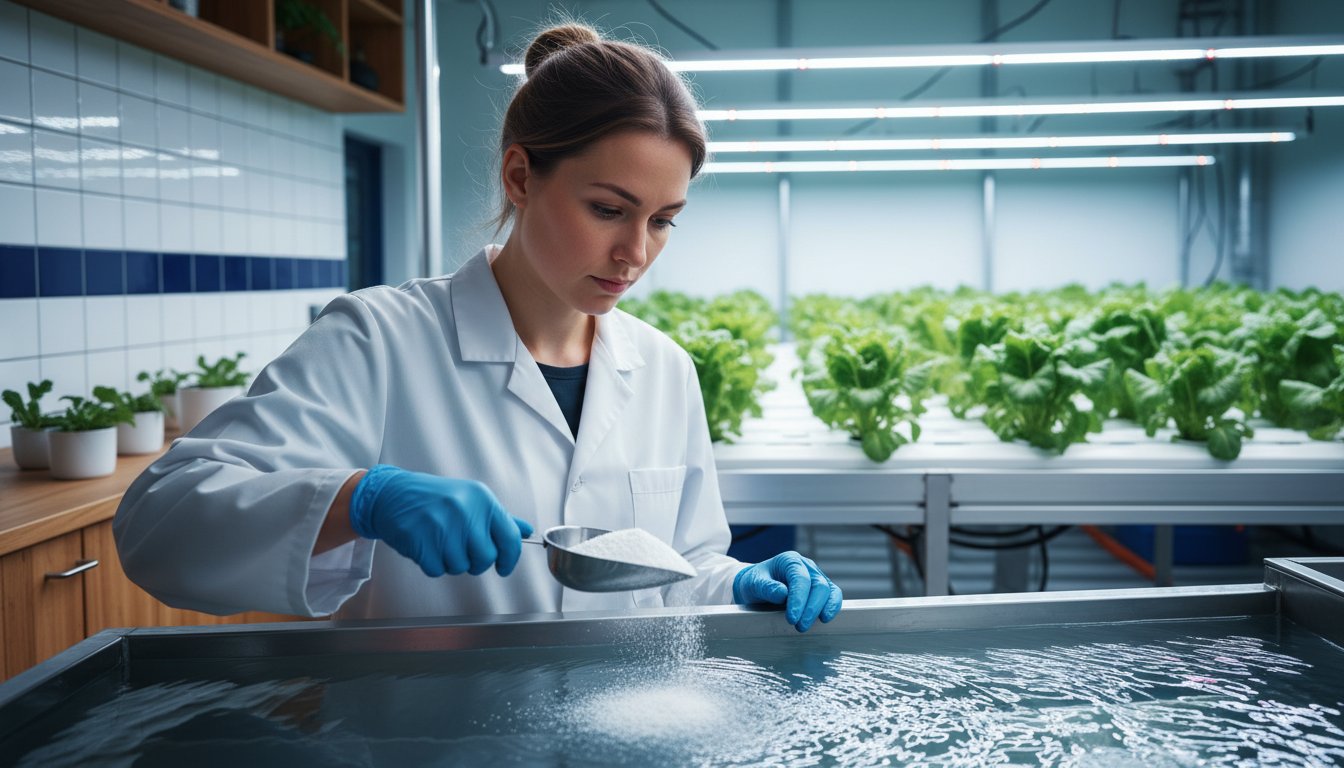
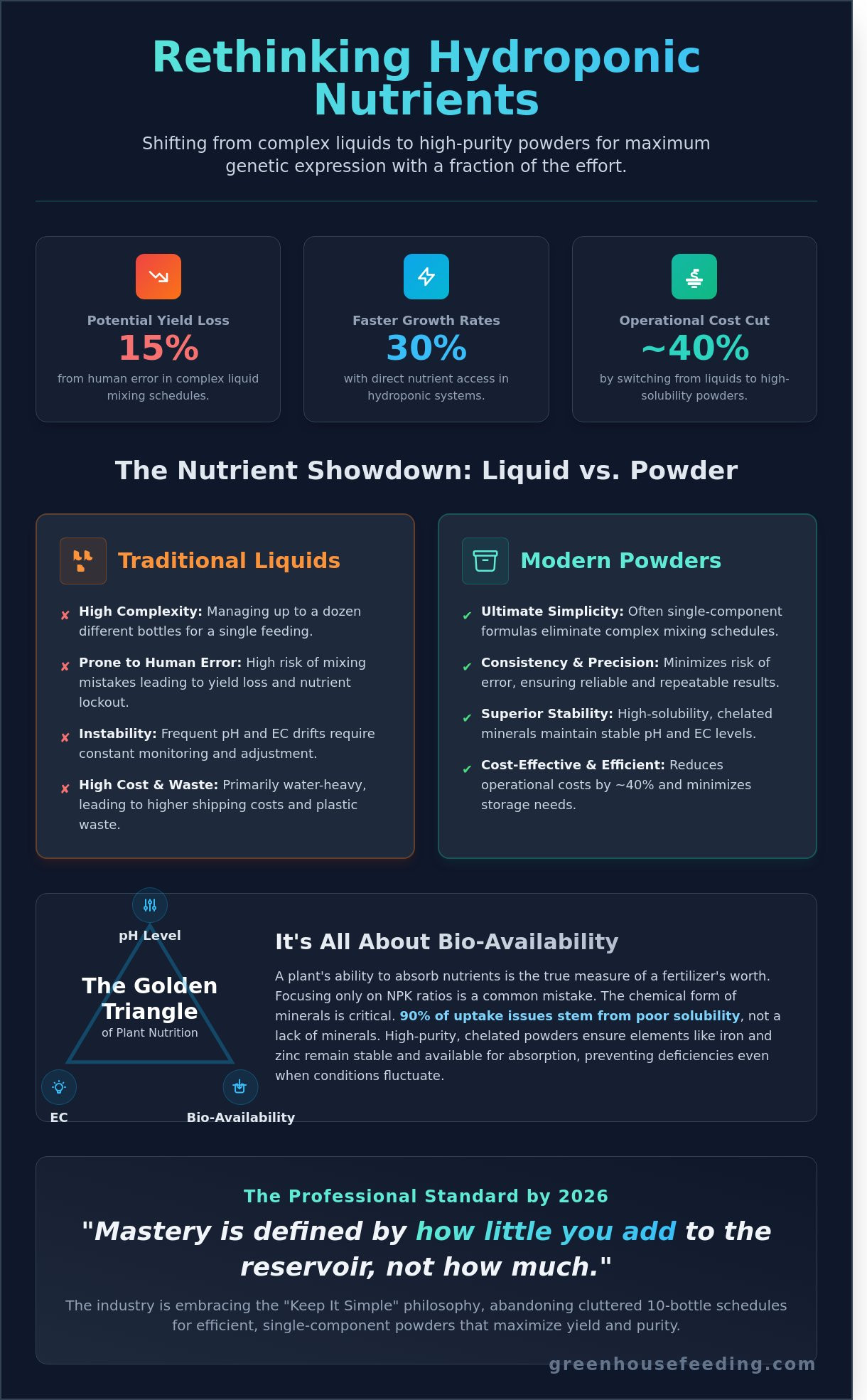
Managing a dozen different liquid bottles for a single reservoir change is an expensive distraction, not a professional requirement. Many commercial facilities lose up to 15% of their potential yield simply because they're managing human error in complex mixing schedules. While conventional liquid nutrient systems helped establish the industry, the modern grower requires a more precise and pragmatic approach to plant nutrition. You've likely felt the frustration of watching your pH drift or seeing the first signs of nutrient lockout despite following a "proven" chart.
We agree that your focus should be on the plants, not on measuring milliliters of water-heavy liquids. This guide will show you how to master the fundamentals of feeding to achieve maximum genetic expression with a fraction of the effort. We'll explore how switching to high-solubility, chelated powders can stabilize your EC levels and cut your operational costs by nearly 40%. You're about to discover a simplified routine that delivers professional-grade results without the unnecessary complexity of traditional liquid systems.
Key Takeaways
- Understand the core mechanics of general hydroponics to gain direct control over plant nutrition and significantly accelerate growth cycles.
- Learn why the bio-availability of minerals is more critical to long-term plant health than simple NPK ratios.
- Discover the logistical and cost-saving advantages of switching from cumbersome liquid nutrients to high-purity powder feeding systems.
- Master the essential steps of water analysis and life-cycle formula selection to ensure your base solution provides the optimal foundation for mineral uptake.
- Simplify your greenhouse operation by adopting specialized formulas that eliminate the need for complex mixing schedules and unnecessary additives.
What is General Hydroponics? Understanding the Soilless Landscape
General hydroponics represents the shift from traditional agriculture to precision horticulture. It's the practice of growing plants in a nutrient-rich water solution, completely bypassing the need for soil. By removing the soil medium, you eliminate the primary source of pests and soil-borne pathogens. This method allows for direct control over the plant's feeding, leading to growth rates that are often 30% faster than conventional methods. According to foundational research found on Hydroponics, the efficiency of this system relies on the immediate bio-availability of minerals.
The core advantage of this approach is the elimination of "searching" energy. In soil, roots must physically expand to find pockets of nutrients. In a hydroponic environment, the feeding comes to the plant. This direct access results in shorter vegetative cycles and increased yields. Common system types include:
- Deep Water Culture (DWC): Roots are submerged in a highly oxygenated nutrient solution.
- Nutrient Film Technique (NFT): A constant thin film of solution flows over the roots.
- Ebb and Flow: The root zone is periodically flooded and drained to provide a balance of moisture and air.
- Drip Systems: Precise amounts of solution are delivered to the base of each plant.
The historical complexity of general hydroponics often discourages new growers. For decades, the industry became synonymous with "liquid cocktails," requiring growers to mix 10 or 12 different bottles to achieve a balanced profile. This complexity creates a high margin for error, leading to pH fluctuations and nutrient lockout. Professional standards are now moving away from these cluttered shelves toward more streamlined, efficient feeding protocols.
The Mechanics of Soilless Growth
Success in a soilless environment depends on the interaction between oxygen and water. Roots require dissolved oxygen levels between 8 and 10 ppm to facilitate nutrient uptake. Without this, the plant cannot process the minerals provided. Inert media like Rockwool, which offers 90% air space, or perlite and coco coir, provide the physical foundation. Because there's no soil to act as a buffer, nutrient precision is 10x more important in hydro. A minor error in dosage can change the pH of the reservoir within minutes, making high-quality, stable nutrients a necessity for any serious operation.
The Evolution of Hydroponic Nutrients
The industry has moved past the era of basic salt formulations. Early growers had to manually mix raw salts, a process prone to inconsistency. Modern feeding has evolved into "all-in-one" mineral-organic solutions that prioritize solubility and chelated micro-elements. By 2026, the professional standard will focus entirely on the "Keep it Simple" philosophy. Commercial facilities are already abandoning the 10-bottle feeding schedule in favor of single-component powders. This shift reduces labor costs by 15% and minimizes the risk of human error in the mixing room. Mastery in 2026 is defined by how little you add to the reservoir, not how much. This minimalist approach ensures maximum yield while maintaining the purity of the final product.
The Science of Hydroponic Nutrition: pH, EC, and Bio-availability
Successful plant growth relies on the Golden Triangle of nutrition: pH levels, EC (Electrical Conductivity), and water quality. These three variables dictate whether a plant thrives or eventually starves. In a general hydroponics environment, the relationship between these factors determines the metabolic rate of the crop. High-quality feeding isn't just about providing minerals; it's about ensuring those minerals remain accessible to the roots at all times. If one side of the triangle collapses, the others follow, leading to stunted growth or toxicities.
Bio-availability is the true measure of a nutrient's worth. Many growers focus solely on the NPK ratio, yet the chemical form of these elements matters more than the numbers on the label. Plants don't consume "fertilizer"; they absorb specific ionic forms of minerals. Our research shows that 90% of nutrient uptake issues stem from poor solubility rather than a lack of minerals. Understanding the Principles of Plant Nutrition is vital for anyone looking to optimize their reservoir. By using chelated micro-elements, we ensure that essential metals like iron and zinc remain stable and absorbable, even when environmental conditions fluctuate.
The hidden cost of liquid nutrients is often overlooked by hobbyists and commercial growers alike. Most liquid products contain 80% to 92% water. You're paying for the transport and storage of a solvent, along with added preservatives to prevent bacterial growth in the bottle. Powdered mineral salts offer a higher purity level and a significantly lower carbon footprint. A single 1kg bag of powder can produce 1,000 liters of feed solution, providing a level of efficiency that liquids can't match. This "Keep it Simple" approach reduces waste and ensures the grower only pays for the active ingredients that drive plant health.
Mastering pH and EC in the Reservoir
The ideal pH window for most hydroponic crops sits between 5.5 and 6.5. Within this range, the solubility of minerals is at its peak. When pH drifts outside these parameters, certain elements become "locked out," meaning they're present in the water but chemically unavailable to the plant. It's common for pH to rise as plants consume nitrogen, so regular monitoring is mandatory. EC measures the concentration of dissolved salts in your solution. A target EC of 1.2 to 2.0 mS/cm is standard for most flowering plants, but this must be adjusted based on the growth stage. High EC levels cause osmotic stress, while low levels lead to hunger. Stable mineral formulations prevent the rapid fluctuations that cause crop failure.
The Purity Factor: Mineral vs. Organic
High-purity mineral salts are the backbone of a clean hydroponic system. In setups like NFT (Nutrient Film Technique) or aeroponics, any residue can clog emitters and host pathogens. Our powders are engineered for 100% solubility, leaving zero sediment in the tank or lines. While general hydroponics often favors mineral bases for precision, there's a place for organic additives. You can bridge the gap by using highly filtered organic components like humic acids or seaweed extracts. These additives improve the cation exchange capacity without compromising the cleanliness of your irrigation lines. For those seeking a streamlined routine, you can find the right mineral balance to match your specific plant life cycle, ensuring maximum yield with minimal complexity.
Liquid vs. Powder Nutrients: Which is Better for Your System?
Liquid nutrients dominate the retail market, yet they present a logistical burden for serious growers. Shipping water is fundamentally inefficient. A standard 20-liter jug of liquid nutrient consists of up to 80% water, leading to inflated shipping costs and a massive carbon footprint. These heavy bottles require significant storage space and carry a limited shelf life. Over time, liquid concentrates can "salt out," where minerals crystallize at the bottom of the container. This makes the remaining solution inconsistent and unreliable for general hydroponics applications. Professional operations cannot afford this level of variability.
Powder feeding represents a shift toward horticultural precision. Modern mineral salts are engineered for immediate solubility. They dissolve instantly in water, leaving no residue or sediment in the reservoir. This efficiency is critical when managing complex irrigation systems. As noted by the USDA on Hydroponics, precise nutrient management is the cornerstone of successful soil-less cultivation. By using dry minerals, growers eliminate the risk of bacterial growth inside nutrient bottles and ensure that every gram of product provides direct bio-availability to the plant. The myth that powders are difficult to mix is outdated; modern formulations require only minimal agitation to create a perfectly clear solution.
The Professional Case for Powder Feeding
Switching from a five-bottle liquid regimen to a single bag of powder simplifies every aspect of the grow room. In a 2026 cost-per-liter analysis, powder nutrients proved to be 40% more economical than their liquid counterparts. One 10kg bag of powder can produce up to 10,000 liters of feeding solution. This reduces storage requirements by 90% compared to liquid systems. The stability of powder is unmatched; it doesn't settle or degrade, ensuring that the NPK ratio remains identical from the first scoop to the last. It's a pragmatic choice for those who value repeatable results and streamlined inventory management.
Environmental responsibility is no longer optional in commercial horticulture. Powder feeding reduces plastic waste by approximately 85% because it eliminates the need for bulky HDPE containers. A single pallet of powder replaces several pallets of liquid, drastically lowering the CO2 emissions associated with transport. This streamlined approach aligns with the "Keep it Simple" philosophy. It removes unnecessary complexity from the supply chain and the mixing tank, allowing the grower to focus on plant vitality rather than waste management.
Comparing Feeding Schedules
Liquid feeding schedules often demand constant, daily adjustments. Growers must juggle multiple bottles and additives, increasing the margin for human error by 25% in high-pressure environments. This complexity often leads to nutrient lockout or pH fluctuations. In contrast, the GHF approach utilizes life-cycle based feeding. By categorizing nutrients into Grow, Short Flowering, and Hybrid, we provide a targeted mineral profile for the specific needs of the plant. This general hydroponics strategy ensures that chelated micro-elements are delivered at the exact stage they are required. Simplicity leads to fewer deficiencies and higher yields. A streamlined schedule allows the grower to focus on plant health rather than playing chemist with a dozen different bottles. It's about achieving maximum performance through minimal intervention.
Actionable Guidance: Setting Up Your Hydroponic Feeding Routine
Precision is the foundation of a high-performance harvest. Your routine begins with a rigorous water analysis. Starting with Reverse Osmosis (RO) water provides a blank canvas with a baseline EC of 0.0. If you use tap water, your initial EC might sit between 0.4 and 0.7. This reading is critical because it dictates your nutrient ceiling. High mineral content in municipal water can lead to nutrient lockout if you don't adjust your calculations. Professionals prefer RO water because it allows for 100% control over the mineral profile.
Select your formula based on the specific genetics in your system. We categorize feeding programs by plant life cycle to ensure NPK ratios align with hormonal shifts. Short Flowering formulas are engineered for an 8 week cycle. Long Flowering options provide the sustained nitrogen and potassium levels required for varieties lasting 10 weeks or more. This specialized approach replaces the guesswork often found in general hydroponics guides, where generic "one-size-fits-all" nutrients often underperform during the peak swelling phase.
The "Mix, Measure, Adjust" workflow is your daily defense against instability. First, mix your dry nutrients thoroughly into the water. Second, measure the EC to confirm the concentration matches your specific growth stage. Third, adjust the pH to the 5.8 sweet spot. You must monitor the reservoir daily. Evaporation can increase nutrient concentration by 15% in a single 48 hour period. If the EC climbs while water levels drop, your plants are drinking more than they're eating. Dilute with plain water to maintain balance.
Perform a complete reservoir flush every 7 to 10 days. This practice prevents the accumulation of unused mineral salts that can skew pH levels and damage root hairs. A clean system ensures that the chelated micro-elements remain bio-available for immediate uptake. Consistency in this routine is what separates commercial success from hobbyist frustration.
Mixing Nutrients Like a Pro
Order of operations is vital for maintaining solubility. Always dissolve your Calcium source first before adding base nutrients; this prevents the minerals from binding and precipitating out of the solution. Transition from volumetric measuring spoons to a digital gram scale with 0.01g precision. Powder density fluctuates with humidity, making weight the only reliable metric for professional accuracy. Target an EC that matches your plant's growth stage while maintaining a pH of 5.8.
Advanced Additives: When and Why to Use Them
Integrate Booster PK+ during weeks 3 through 7 of the flowering stage. This high-purity additive provides the extra phosphorus and potassium needed to maximize flower density and essential oil production. Calcium serves as the essential glue for cell wall integrity. It's indispensable in hydroponics to prevent tip burn and structural collapse during rapid growth spurts. Finally, use Bio Enhancer to revitalize sterile systems. This mineral-organic blend of humic acids and seaweed extract can improve nutrient uptake efficiency by 25% while strengthening the plant's natural immune response.
Achieve professional results by following our proven feeding schedules designed for maximum efficiency.
The Green House Feeding Solution: Hydroponics Made Simple
Green House Feeding operates on a singular principle: Keep it Simple. While general hydroponics often feels like a complex laboratory experiment, our philosophy prioritizes uncomplicated chemistry that delivers professional results. We've stripped away the clutter of multi-part liquid schedules. Instead, we provide highly concentrated mineral powders that ensure 100% solubility and maximum bio-availability. Since our expansion from Amsterdam in 2012, these formulas have become the standard for over 500 leading cultivation facilities worldwide.
Our Mineral Line offers specialized powders for every genetic profile. We provide specific N-P-K ratios for Short Flowering, Long Flowering, and Hybrid plants. This targeted approach ensures that an indica-dominant strain with an 8-week cycle receives different primary nutrients than a long-flowering sativa. Unlike liquid competitors in the general hydroponics market, our powders are 100% soluble and contain chelated micro-elements. This prevents nutrient lockout and ensures rapid uptake. By using powders, we reduce shipping weight and environmental impact by 80%, providing a more sustainable solution for professional facilities.
Bringing organic excellence to the hydroponic grower is the core mission of our Bio Line. Historically, organic nutrients caused issues in hydro systems due to thick residues and biological instability. We solved this by creating a mineral-organic line that remains stable in reservoirs. These products provide the complex flavor profiles of soil-grown crops while maintaining the high-speed growth associated with hydroponics. Every product is certified for organic use and contains no heavy metals. It's the ideal choice for growers who refuse to compromise between purity and yield.
From our headquarters in Amsterdam to the world's leading cultivation facilities, we provide technical expertise that spans continents. We don't just sell bags of nutrients; we offer a partnership based on proven botanical science. Our team assists with water analysis and custom feeding schedules to ensure that every facility, regardless of size, achieves its maximum genetic potential. We focus on the fundamental chemistry of plant life, avoiding marketing gimmicks or colorful liquid dyes in favor of scientific reliability.
Finding Your Starter Kit
The Feeding Starter Kit is the perfect entry point for those tired of complex liquid regimens. Each kit contains 125g samples of our core formulas, including the Short Flowering and Hybrid powders, plus our specialized Booster. It simplifies the transition from liquid brands by eliminating the need for five or six different bottles. You get a complete, professional-grade nutrient system in one compact package, designed to cover every stage from seedling to harvest.
Join the Expert Minimalists
Precision doesn't have to be complicated. Our digital feeding charts and interactive calculators provide instant dosing instructions based on your specific water quality and EC targets. This scientific clarity is why the 'King of Cannabis' trusts GHF for his global, award-winning operations. We focus on the essential chemistry so you can focus on the results. Explore the Green House Feeding range and simplify your grow today.
Mastering Your Hydroponic Efficiency
Mastering plant nutrition doesn't require a degree in biochemistry. Success in general hydroponics relies on maintaining precise pH levels and maximizing nutrient bio-availability through high-quality chelated micro-elements. Traditional liquid regimes often introduce unnecessary complexity and shipping costs due to high water content. By switching to 100% water-soluble powder formulas, you ensure every gram of nutrition is available to your root zone without the risk of sediment or clogging. Green House Feeding has utilized award-winning Dutch engineering since 2008 to deliver professional-grade results to cultivators in over 100 countries. This simplified approach eliminates the guesswork, allowing you to focus on the health of your crop rather than the complexity of your mixing tank. It's time to stop overcomplicating your reservoir and start prioritizing efficiency. You've done the hard work of researching the science; now it's time to let the results speak for themselves. Simplify your grow with the Green House Feeding Starter Kit and experience the power of professional-grade simplicity. Your plants will thank you for the consistency.
Frequently Asked Questions
Is general hydroponics better than soil growing for beginners?
Hydroponics offers 30% to 50% faster growth rates than soil because it provides direct oxygen and nutrient access to the roots. While soil acts as a buffer, general hydroponics systems allow for total control over the environment. Beginners benefit from this precision because it eliminates the guesswork of soil composition. Standardizing your feeding schedule ensures consistent, repeatable results across every harvest cycle.
Can I use Green House Feeding powders in an NFT or DWC system?
Yes, our mineral powders are 100% water-soluble and engineered specifically for NFT and DWC systems. They leave zero residue to clog pumps or 0.5mm spray nozzles. This high solubility ensures that chelated micro-elements remain bio-available for your plants at all times. You get a clean, stable reservoir that requires less maintenance than traditional multi-part liquid programs.
How often should I change the water in my hydroponic reservoir?
You should replace your entire reservoir every 7 to 10 days to prevent nutrient imbalance. Plants absorb specific elements at different rates, which leads to toxic salt accumulation if you only top off the water. Monitoring your EC levels daily helps track this consumption accurately. A full reset every week maintains the exact N-P-K ratios required for optimal plant development.
Do I need to use a CalMag supplement with powder nutrients?
You only need a CalMag supplement if your source water has an EC below 0.2 or if you're using Reverse Osmosis water. Our powder feeding products are formulated with sufficient Calcium for standard tap water. If your RO system removes 98% of minerals, add Calcium to reach a baseline EC of 0.3 before adding your primary nutrients. This prevents common deficiencies in fast-growing crops.
What is the difference between mineral and organic hydroponic nutrients?
Mineral nutrients provide 100% bio-available elements that plants absorb instantly without requiring microbial breakdown. Organic nutrients need beneficial bacteria to convert complex molecules into usable forms, which often leads to reservoir sludge and 15% lower yields in sterile systems. Mineral salts offer the precision needed for high-performance general hydroponics setups. They ensure your EC and pH remain stable throughout the 12-hour light cycle.
Can I mix Green House Feeding with other liquid nutrient brands?
We don't recommend mixing our powders with other brands because it disrupts the balanced mineral ratios. Our "Keep it Simple" philosophy relies on a single-component system that provides everything the plant needs. Adding external additives can cause chemical precipitation, where minerals bind together and become unabsorbable. Stick to one professional line to ensure 100% solubility and avoid nutrient lockout.
Why is my hydroponic pH always rising?
A rising pH usually indicates that your plants are aggressively consuming nitrate ions, which releases hydroxide ions into the solution. This is common during the vegetative stage when nitrogen demand is at its peak. If your pH climbs above 6.2 in a recirculating system, it can reduce the solubility of phosphorus and iron. Check your reservoir temperature; levels above 22 degrees Celsius also trigger rapid pH fluctuations.
How do I calculate the PPM for my hydroponic feeding?
Calculate your PPM by multiplying your EC reading by your meter's specific conversion factor, which is usually 0.5 or 0.7. For example, an EC of 1.4 on a 0.5 scale equals 700 PPM. We recommend using the EC metric for 100% accuracy across all international standards. This scientific approach ensures you deliver the precise 1.2 to 2.0 EC range required for heavy-feeding flowering plants.
FAQ
The Mechanics of Soilless Growth
Success in a soilless environment depends on the interaction between oxygen and water. Roots require dissolved oxygen levels between 8 and 10 ppm to facilitate nutrient uptake. Without this, the plant cannot process the minerals provided. Inert media like Rockwool, which offers 90% air space, or perlite and coco coir, provide the physical foundation. Because there's no soil to act as a buffer, nutrient precision is 10x more important in hydro. A minor error in dosage can change the pH of the reservoir within minutes, making high-quality, stable nutrients a necessity for any serious operation.
The Evolution of Hydroponic Nutrients
The industry has moved past the era of basic salt formulations. Early growers had to manually mix raw salts, a process prone to inconsistency. Modern feeding has evolved into "all-in-one" mineral-organic solutions that prioritize solubility and chelated micro-elements. By 2026, the professional standard will focus entirely on the "Keep it Simple" philosophy. Commercial facilities are already abandoning the 10-bottle feeding schedule in favor of single-component powders. This shift reduces labor costs by 15% and minimizes the risk of human error in the mixing room. Mastery in 2026 is defined by how little you add to the reservoir, not how much. This minimalist approach ensures maximum yield while maintaining the purity of the final product. Successful plant growth relies on the Golden Triangle of nutrition: pH levels, EC (Electrical Conductivity), and water quality. These three variables dictate whether a plant thrives or eventually starves. In a general hydroponics environment, the relationship between these factors determines the metabolic rate of the crop. High-quality feeding isn't just about providing minerals; it's about ensuring those minerals remain accessible to the roots at all times. If one side of the triangle collapses, the others follow, leading to stunted growth or toxicities. Bio-availability is the true measure of a nutrient's worth. Many growers focus solely on the NPK ratio, yet the chemical form of these elements matters more than the numbers on the label. Plants don't consume "fertilizer"; they absorb specific ionic forms of minerals. Our research shows that 90% of nutrient uptake issues stem from poor solubility rather than a lack of minerals. Understanding the Principles of Plant Nutrition is vital for anyone looking to optimize their reservoir. By using chelated micro-elements, we ensure that essential metals like iron and zinc remain stable and absorbable, even when environmental conditions fluctuate. The hidden cost of liquid nutrients is often overlooked by hobbyists and commercial growers alike. Most liquid products contain 80% to 92% water. You're paying for the transport and storage of a solvent, along with added preservatives to prevent bacterial growth in the bottle. Powdered mineral salts offer a higher purity level and a significantly lower carbon footprint. A single 1kg bag of powder can produce 1,000 liters of feed solution, providing a level of efficiency that liquids can't match. This "Keep it Simple" approach reduces waste and ensures the grower only pays for the active ingredients that drive plant health.
Mastering pH and EC in the Reservoir
The ideal pH window for most hydroponic crops sits between 5.5 and 6.5. Within this range, the solubility of minerals is at its peak. When pH drifts outside these parameters, certain elements become "locked out," meaning they're present in the water but chemically unavailable to the plant. It's common for pH to rise as plants consume nitrogen, so regular monitoring is mandatory. EC measures the concentration of dissolved salts in your solution. A target EC of 1.2 to 2.0 mS/cm is standard for most flowering plants, but this must be adjusted based on the growth stage. High EC levels cause osmotic stress, while low levels lead to hunger. Stable mineral formulations prevent the rapid fluctuations that cause crop failure.
The Purity Factor: Mineral vs. Organic
High-purity mineral salts are the backbone of a clean hydroponic system. In setups like NFT (Nutrient Film Technique) or aeroponics, any residue can clog emitters and host pathogens. Our powders are engineered for 100% solubility, leaving zero sediment in the tank or lines. While general hydroponics often favors mineral bases for precision, there's a place for organic additives. You can bridge the gap by using highly filtered organic components like humic acids or seaweed extracts. These additives improve the cation exchange capacity without compromising the cleanliness of your irrigation lines. For those seeking a streamlined routine, you can find the right mineral balance to match your specific plant life cycle, ensuring maximum yield with minimal complexity. Liquid nutrients dominate the retail market, yet they present a logistical burden for serious growers. Shipping water is fundamentally inefficient. A standard 20-liter jug of liquid nutrient consists of up to 80% water, leading to inflated shipping costs and a massive carbon footprint. These heavy bottles require significant storage space and carry a limited shelf life. Over time, liquid concentrates can "salt out," where minerals crystallize at the bottom of the container. This makes the remaining solution inconsistent and unreliable for general hydroponics applications. Professional operations cannot afford this level of variability. Powder feeding represents a shift toward horticultural precision. Modern mineral salts are engineered for immediate solubility. They dissolve instantly in water, leaving no residue or sediment in the reservoir. This efficiency is critical when managing complex irrigation systems. As noted by the USDA on Hydroponics, precise nutrient management is the cornerstone of successful soil-less cultivation. By using dry minerals, growers eliminate the risk of bacterial growth inside nutrient bottles and ensure that every gram of product provides direct bio-availability to the plant. The myth that powders are difficult to mix is outdated; modern formulations require only minimal agitation to create a perfectly clear solution.
The Professional Case for Powder Feeding
Switching from a five-bottle liquid regimen to a single bag of powder simplifies every aspect of the grow room. In a 2026 cost-per-liter analysis, powder nutrients proved to be 40% more economical than their liquid counterparts. One 10kg bag of powder can produce up to 10,000 liters of feeding solution. This reduces storage requirements by 90% compared to liquid systems. The stability of powder is unmatched; it doesn't settle or degrade, ensuring that the NPK ratio remains identical from the first scoop to the last. It's a pragmatic choice for those who value repeatable results and streamlined inventory management. Environmental responsibility is no longer optional in commercial horticulture. Powder feeding reduces plastic waste by approximately 85% because it eliminates the need for bulky HDPE containers. A single pallet of powder replaces several pallets of liquid, drastically lowering the CO2 emissions associated with transport. This streamlined approach aligns with the "Keep it Simple" philosophy. It removes unnecessary complexity from the supply chain and the mixing tank, allowing the grower to focus on plant vitality rather than waste management.
Comparing Feeding Schedules
Liquid feeding schedules often demand constant, daily adjustments. Growers must juggle multiple bottles and additives, increasing the margin for human error by 25% in high-pressure environments. This complexity often leads to nutrient lockout or pH fluctuations. In contrast, the GHF approach utilizes life-cycle based feeding. By categorizing nutrients into Grow, Short Flowering, and Hybrid, we provide a targeted mineral profile for the specific needs of the plant. This general hydroponics strategy ensures that chelated micro-elements are delivered at the exact stage they are required. Simplicity leads to fewer deficiencies and higher yields. A streamlined schedule allows the grower to focus on plant health rather than playing chemist with a dozen different bottles. It's about achieving maximum performance through minimal intervention. Precision is the foundation of a high-performance harvest. Your routine begins with a rigorous water analysis. Starting with Reverse Osmosis (RO) water provides a blank canvas with a baseline EC of 0.0. If you use tap water, your initial EC might sit between 0.4 and 0.7. This reading is critical because it dictates your nutrient ceiling. High mineral content in municipal water can lead to nutrient lockout if you don't adjust your calculations. Professionals prefer RO water because it allows for 100% control over the mineral profile. Select your formula based on the specific genetics in your system. We categorize feeding programs by plant life cycle to ensure NPK ratios align with hormonal shifts. Short Flowering formulas are engineered for an 8 week cycle. Long Flowering options provide the sustained nitrogen and potassium levels required for varieties lasting 10 weeks or more. This specialized approach replaces the guesswork often found in general hydroponics guides, where generic "one-size-fits-all" nutrients often underperform during the peak swelling phase. The "Mix, Measure, Adjust" workflow is your daily defense against instability. First, mix your dry nutrients thoroughly into the water. Second, measure the EC to confirm the concentration matches your specific growth stage. Third, adjust the pH to the 5.8 sweet spot. You must monitor the reservoir daily. Evaporation can increase nutrient concentration by 15% in a single 48 hour period. If the EC climbs while water levels drop, your plants are drinking more than they're eating. Dilute with plain water to maintain balance. Perform a complete reservoir flush every 7 to 10 days. This practice prevents the accumulation of unused mineral salts that can skew pH levels and damage root hairs. A clean system ensures that the chelated micro-elements remain bio-available for immediate uptake. Consistency in this routine is what separates commercial success from hobbyist frustration.
Mixing Nutrients Like a Pro
Order of operations is vital for maintaining solubility. Always dissolve your Calcium source first before adding base nutrients; this prevents the minerals from binding and precipitating out of the solution. Transition from volumetric measuring spoons to a digital gram scale with 0.01g precision. Powder density fluctuates with humidity, making weight the only reliable metric for professional accuracy. Target an EC that matches your plant's growth stage while maintaining a pH of 5.8.
Advanced Additives: When and Why to Use Them
Integrate Booster PK+ during weeks 3 through 7 of the flowering stage. This high-purity additive provides the extra phosphorus and potassium needed to maximize flower density and essential oil production. Calcium serves as the essential glue for cell wall integrity. It's indispensable in hydroponics to prevent tip burn and structural collapse during rapid growth spurts. Finally, use Bio Enhancer to revitalize sterile systems. This mineral-organic blend of humic acids and seaweed extract can improve nutrient uptake efficiency by 25% while strengthening the plant's natural immune response. Achieve professional results by following our proven feeding schedules designed for maximum efficiency. Green House Feeding operates on a singular principle: Keep it Simple. While general hydroponics often feels like a complex laboratory experiment, our philosophy prioritizes uncomplicated chemistry that delivers professional results. We've stripped away the clutter of multi-part liquid schedules. Instead, we provide highly concentrated mineral powders that ensure 100% solubility and maximum bio-availability. Since our expansion from Amsterdam in 2012, these formulas have become the standard for over 500 leading cultivation facilities worldwide. Our Mineral Line offers specialized powders for every genetic profile. We provide specific N-P-K ratios for Short Flowering, Long Flowering, and Hybrid plants. This targeted approach ensures that an indica-dominant strain with an 8-week cycle receives different primary nutrients than a long-flowering sativa. Unlike liquid competitors in the general hydroponics market, our powders are 100% soluble and contain chelated micro-elements. This prevents nutrient lockout and ensures rapid uptake. By using powders, we reduce shipping weight and environmental impact by 80%, providing a more sustainable solution for professional facilities. Bringing organic excellence to the hydroponic grower is the core mission of our Bio Line. Historically, organic nutrients caused issues in hydro systems due to thick residues and biological instability. We solved this by creating a mineral-organic line that remains stable in reservoirs. These products provide the complex flavor profiles of soil-grown crops while maintaining the high-speed growth associated with hydroponics. Every product is certified for organic use and contains no heavy metals. It's the ideal choice for growers who refuse to compromise between purity and yield. From our headquarters in Amsterdam to the world's leading cultivation facilities, we provide technical expertise that spans continents. We don't just sell bags of nutrients; we offer a partnership based on proven botanical science. Our team assists with water analysis and custom feeding schedules to ensure that every facility, regardless of size, achieves its maximum genetic potential. We focus on the fundamental chemistry of plant life, avoiding marketing gimmicks or colorful liquid dyes in favor of scientific reliability.
Finding Your Starter Kit
The Feeding Starter Kit is the perfect entry point for those tired of complex liquid regimens. Each kit contains 125g samples of our core formulas, including the Short Flowering and Hybrid powders, plus our specialized Booster. It simplifies the transition from liquid brands by eliminating the need for five or six different bottles. You get a complete, professional-grade nutrient system in one compact package, designed to cover every stage from seedling to harvest.
Join the Expert Minimalists
Precision doesn't have to be complicated. Our digital feeding charts and interactive calculators provide instant dosing instructions based on your specific water quality and EC targets. This scientific clarity is why the 'King of Cannabis' trusts GHF for his global, award-winning operations. We focus on the essential chemistry so you can focus on the results. Explore the Green House Feeding range and simplify your grow today. Mastering plant nutrition doesn't require a degree in biochemistry. Success in general hydroponics relies on maintaining precise pH levels and maximizing nutrient bio-availability through high-quality chelated micro-elements. Traditional liquid regimes often introduce unnecessary complexity and shipping costs due to high water content. By switching to 100% water-soluble powder formulas, you ensure every gram of nutrition is available to your root zone without the risk of sediment or clogging. Green House Feeding has utilized award-winning Dutch engineering since 2008 to deliver professional-grade results to cultivators in over 100 countries. This simplified approach eliminates the guesswork, allowing you to focus on the health of your crop rather than the complexity of your mixing tank. It's time to stop overcomplicating your reservoir and start prioritizing efficiency. You've done the hard work of researching the science; now it's time to let the results speak for themselves. Simplify your grow with the Green House Feeding Starter Kit and experience the power of professional-grade simplicity. Your plants will thank you for the consistency.
Is general hydroponics better than soil growing for beginners?
Hydroponics offers 30% to 50% faster growth rates than soil because it provides direct oxygen and nutrient access to the roots. While soil acts as a buffer, general hydroponics systems allow for total control over the environment. Beginners benefit from this precision because it eliminates the guesswork of soil composition. Standardizing your feeding schedule ensures consistent, repeatable results across every harvest cycle.
Can I use Green House Feeding powders in an NFT or DWC system?
Yes, our mineral powders are 100% water-soluble and engineered specifically for NFT and DWC systems. They leave zero residue to clog pumps or 0.5mm spray nozzles. This high solubility ensures that chelated micro-elements remain bio-available for your plants at all times. You get a clean, stable reservoir that requires less maintenance than traditional multi-part liquid programs.
How often should I change the water in my hydroponic reservoir?
You should replace your entire reservoir every 7 to 10 days to prevent nutrient imbalance. Plants absorb specific elements at different rates, which leads to toxic salt accumulation if you only top off the water. Monitoring your EC levels daily helps track this consumption accurately. A full reset every week maintains the exact N-P-K ratios required for optimal plant development.
Do I need to use a CalMag supplement with powder nutrients?
You only need a CalMag supplement if your source water has an EC below 0.2 or if you're using Reverse Osmosis water. Our powder feeding products are formulated with sufficient Calcium for standard tap water. If your RO system removes 98% of minerals, add Calcium to reach a baseline EC of 0.3 before adding your primary nutrients. This prevents common deficiencies in fast-growing crops.
What is the difference between mineral and organic hydroponic nutrients?
Mineral nutrients provide 100% bio-available elements that plants absorb instantly without requiring microbial breakdown. Organic nutrients need beneficial bacteria to convert complex molecules into usable forms, which often leads to reservoir sludge and 15% lower yields in sterile systems. Mineral salts offer the precision needed for high-performance general hydroponics setups. They ensure your EC and pH remain stable throughout the 12-hour light cycle.
Can I mix Green House Feeding with other liquid nutrient brands?
We don't recommend mixing our powders with other brands because it disrupts the balanced mineral ratios. Our "Keep it Simple" philosophy relies on a single-component system that provides everything the plant needs. Adding external additives can cause chemical precipitation, where minerals bind together and become unabsorbable. Stick to one professional line to ensure 100% solubility and avoid nutrient lockout.
Why is my hydroponic pH always rising?
A rising pH usually indicates that your plants are aggressively consuming nitrate ions, which releases hydroxide ions into the solution. This is common during the vegetative stage when nitrogen demand is at its peak. If your pH climbs above 6.2 in a recirculating system, it can reduce the solubility of phosphorus and iron. Check your reservoir temperature; levels above 22 degrees Celsius also trigger rapid pH fluctuations.
How do I calculate the PPM for my hydroponic feeding?
Calculate your PPM by multiplying your EC reading by your meter's specific conversion factor, which is usually 0.5 or 0.7. For example, an EC of 1.4 on a 0.5 scale equals 700 PPM. We recommend using the EC metric for 100% accuracy across all international standards. This scientific approach ensures you deliver the precise 1.2 to 2.0 EC range required for heavy-feeding flowering plants.
Hinterlassen Sie einen Kommentar
Melden Sie sich an, um Kommentare zu posten