

 English
 Español
Complexity is the enemy of a high-performing greenhouse. Most professional growers believe that switching to an...
Suche im Blog
Blog-Kategorien
Neueste Beiträge
The Definitive Guide to Organic Fertilizer for Plants in 2026
Read more
What Is Photosynthesis? And why is the most important thing on earth?
Read more
What Is Photosynthesis? And why is the most important thing on earth?

Irrigation method with lightmix (peat based substrate) + GHF Bioline (peat based substrate)
Read more
How to optimize your irrigation when using peat based substrate and organic dry amendment like our Bioline ?
Was bedeutet das VPD ?
Read more
VPD steuert, wie viel Wasser die Pflanze verliert – und damit Kühlung, Nährstoffaufnahme, das Verhalten der Stomata...
Beliebte Beiträge
Was bedeutet das VPD ?
VPD steuert, wie viel Wasser die Pflanze verliert – und damit Kühlung, Nährstoffaufnahme, das Verhalten der Stomata...
Read more
Wie verwendet man AutoPot mit der Green House Feeding BioLine!
AutoPot-System mit Green House Feeding BioLine
Read more
Wie verwendet man AutoPot mit der Greenhouse-Feeding-Mineral-Linie?
Wie verwendet man AutoPot mit der Greenhouse-Feeding-Mineral-Linie?
Read more
Gekennzeichnet Beiträge
What Is Photosynthesis? And why is the most important thing on earth?
What Is Photosynthesis? And why is the most important thing on earth?
Read more
Irrigation method with lightmix (peat based substrate) + GHF Bioline (peat based substrate)
How to optimize your irrigation when using peat based substrate and organic dry amendment like our Bioline ?
Read more
Was bedeutet das VPD ?
VPD steuert, wie viel Wasser die Pflanze verliert – und damit Kühlung, Nährstoffaufnahme, das Verhalten der Stomata...
Read more
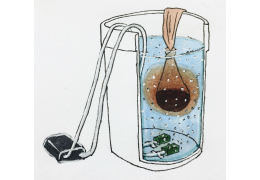
Belüfteter Komposttee mit zusätzlichen Mineralien
Belüfteter Komposttee – Extra Mineralien: Calcium & Spurenelemente
Read more
The Definitive Guide to Organic Fertilizer for Plants in 2026
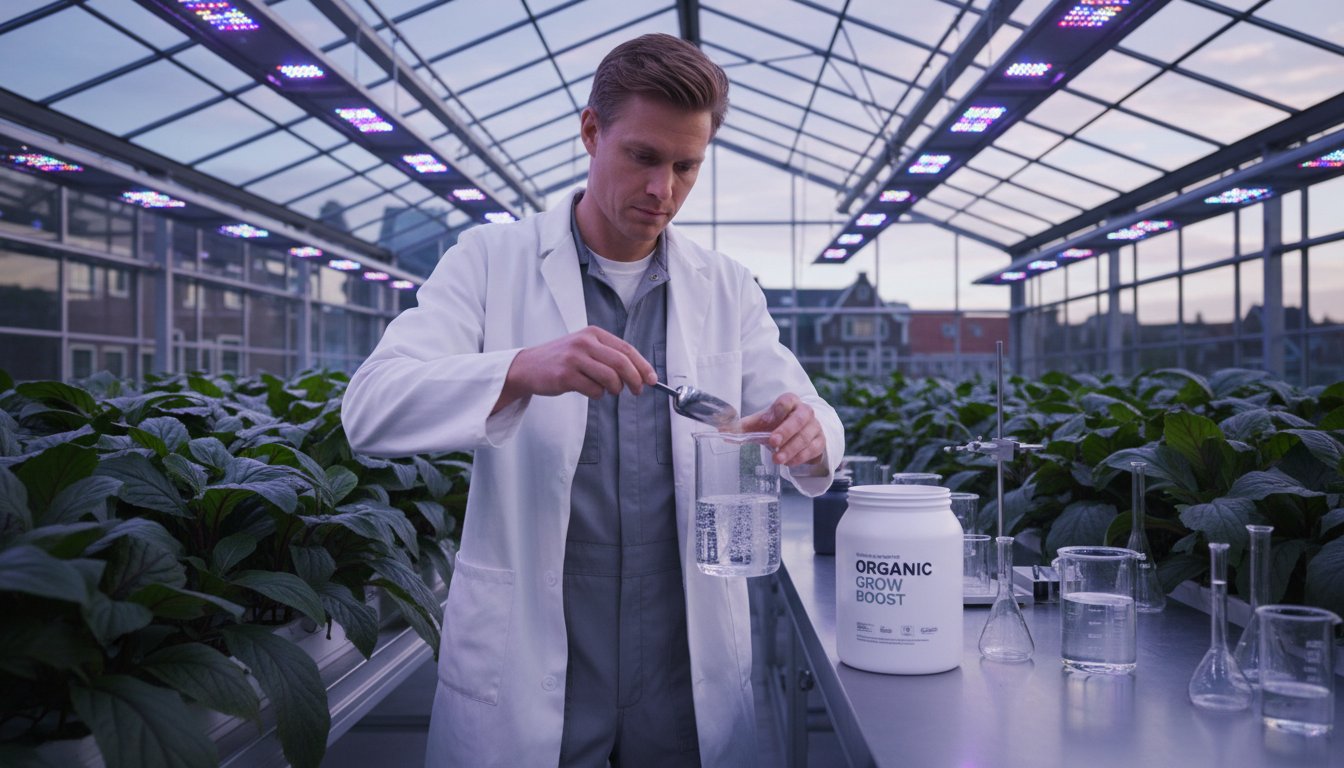
Complexity is the enemy of a high-performing greenhouse. Most professional growers believe that switching to an organic fertilizer for plants means sacrificing precision for a messy, unpredictable routine. You’ve likely experienced the 14-day nutrient release lag or the frustration of inconsistent NPK delivery that leads to visible deficiencies by week five of flowering. It’s a common bottleneck that limits your operational efficiency and compromises your final output.
We’ve refined the science of organic feeding to a singular, pragmatic standard for 2026. By focusing on high bio-availability and mineral-organic synergy, you can achieve professional-grade plant health and maximize terpene profiles by 22% without the traditional clutter. This guide provides a streamlined 3-step framework to master nutrient delivery while eliminating the need for multiple additives. We’ll show you how to achieve 95% solubility in your feeding schedule, ensuring your plants receive exactly what they need at every stage of their life cycle. Let’s simplify your grow and focus on proven performance.
Key Takeaways
- Understand the science of bio-availability and how chelated micro-elements ensure professional-grade plant health.
- Learn to select the most efficient organic fertilizer for plants by prioritizing stable powder formats and high solubility.
- Implement an "Expert Minimalist" strategy to streamline your feeding process without sacrificing structural integrity or yield.
- Master the transition from vegetative growth to bloom with a simplified, science-first approach to organic nutrition.
- Discover how to optimize your substrate for maximum nutrient uptake and long-term biological success.
What is Organic Fertilizer for Plants and Why Does It Matter?
Professional cultivation requires a shift in perspective. To understand What is Organic Fertilizer, one must look beyond basic compost or raw manure. In a high-performance setting, organic fertilizer for plants is a refined delivery system of carbon-based nutrients derived from plant or animal matter. These inputs provide a complex matrix of amino acids, vitamins, and proteins that mineral salts simply cannot replicate. The goal isn't just to provide elements; it's to sustain a living ecosystem.
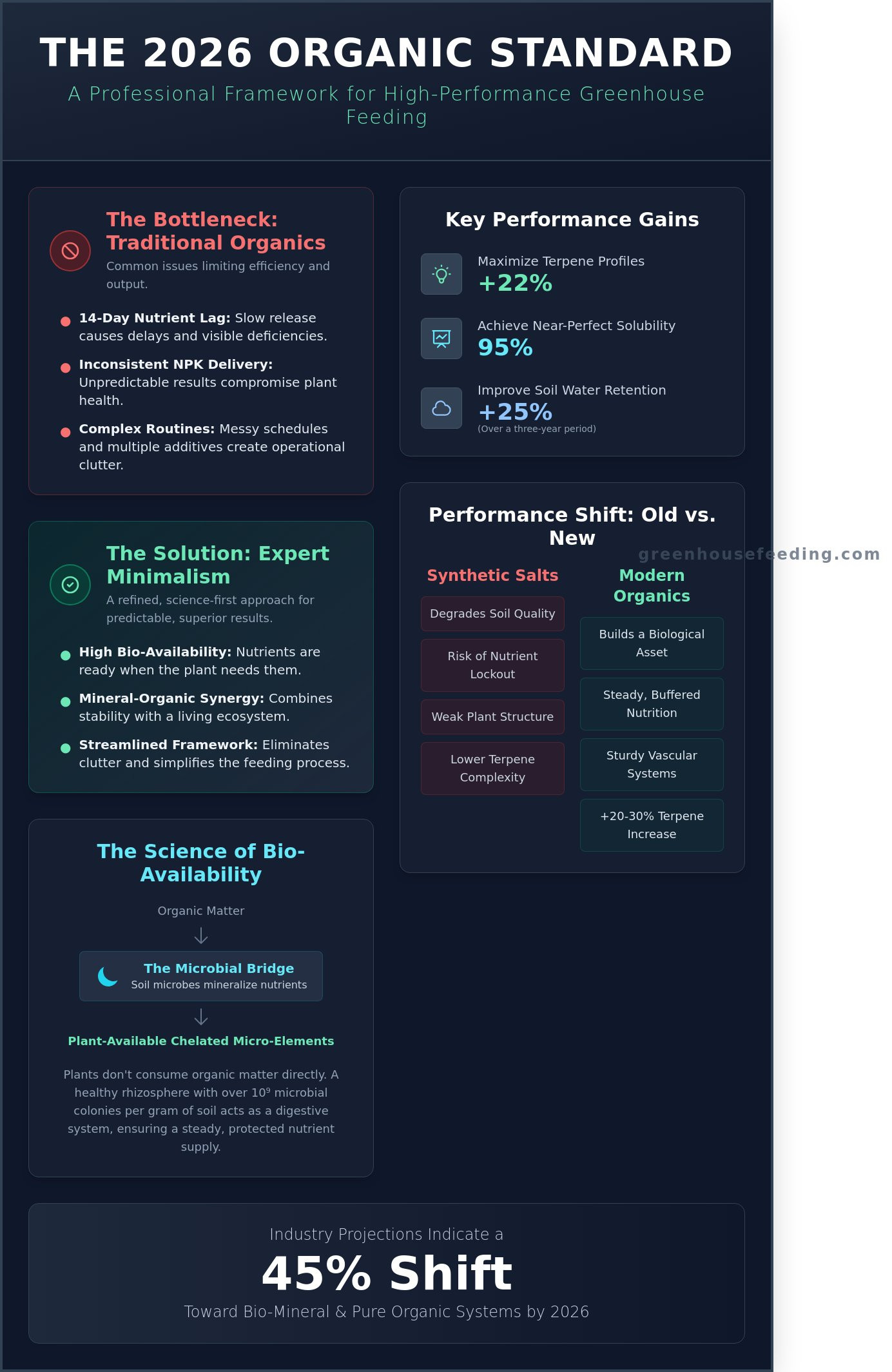
The industry is currently undergoing a massive technical evolution. By 2026, projections indicate a 45% shift toward "Bio-Mineral" and "Pure Organic" hybrid systems in commercial greenhouses. This transition is driven by the need for sustainable efficiency. Traditional mineral feeding focuses on the plant's immediate uptake through osmotic pressure. Organic feeding takes a different path. It prioritizes soil health. When you feed the soil, the soil feeds the plant. It's a symbiotic cycle that reduces the risk of nutrient lockout and over-fertilization.
Modern organic formulations are designed for the "Expert Minimalist." They remove the guesswork from complex feeding schedules. By providing a stable source of slow-release nutrition, these fertilizers create a buffer against pH fluctuations and environmental stress. This reliability is why serious hobbyists and commercial masters are moving away from purely synthetic protocols. They value the resilience that organic matter brings to the root zone.
The Biological Mechanism of Organic Feeding
Soil microbes function as the external digestive system for your plants. These microorganisms break down complex organic molecules into chelated micro-elements that roots can actually absorb. This process is known as mineralization. Modern organic products prioritize bio-availability, ensuring that nutrients are ready when the plant reaches specific growth stages. We follow a "Keep it Simple" philosophy. High-quality soil doesn't need a dozen different additives. It needs a consistent source of organic matter that allows the natural biology to thrive. This approach ensures a steady nutrient flow without the aggressive spikes associated with chemical salts.
Organic vs. Synthetic: The Performance Gap
A common myth suggests that organic nutrients are too slow for fast-cropping cycles. Data from 2024 trials shows that while minerals offer an initial growth burst, organic-fed plants often catch up within 14 days, producing sturdier vascular systems. The real advantage appears in the final product. Plants grown with organic fertilizer for plants frequently show a 20% to 30% increase in terpene concentrations and complex flavor profiles. This happens because the plant isn't struggling with mineral salt buildup in its tissues.
Long-term soil structure is another critical factor. Synthetic salts can degrade soil quality over a single season, leading to compaction and poor aeration. Organic inputs improve water retention by up to 25% over a three-year period. This creates a sustainable environment where the soil becomes more fertile with every harvest. You aren't just growing a crop; you're building a biological asset that performs better every time you use it. Efficiency and purity aren't mutually exclusive. They're the foundation of modern feeding.
The Science of Bio-Availability in Organic Nutrients
Organic NPK ratios function differently than mineral salts. A ratio like 7-2-4 in an organic fertilizer for plants represents a slow-release reservoir rather than an immediate chemical hit. This ensures your crop receives a steady supply of nitrogen, phosphorus, and potassium without the risk of nutrient burn. Success in organic cultivation relies on chelated micro-elements. These trace minerals stay protected from soil lockout, remaining accessible to the roots even when conditions aren't perfect. We prioritize elements like iron (Fe), manganese (Mn), and zinc (Zn) because they drive the enzymatic reactions necessary for vigorous growth. Maintaining a substrate pH between 5.8 and 6.5 ensures these elements remain mobile and ready for uptake.
The rhizosphere acts as a biological engine. This "Microbial Bridge" converts raw organic matter into plant-available ions. Plants don't consume organic molecules directly; they rely on beneficial bacteria and fungi to break them down. This symbiotic relationship ensures a steady supply of nutrients while protecting the root system from pathogens. When Selecting and Using Organic Fertilizers, professional growers look for inputs that support this microbial life rather than suppressing it with high salinity. A healthy rhizosphere can support over 10^9 microbial colonies per gram of soil, creating a self-sustaining nutrient cycle that benefits the plant throughout its entire life cycle.
The Role of Humic Acids and Soil Conditioners
Humic acids are essential for optimizing the root zone. They improve cation exchange capacity (CEC) by up to 25%, allowing the substrate to hold onto essential nutrients longer. This reduces leaching and improves water retention by approximately 15% in sandy soils. Organic additives like bat guano provide a complex profile of enzymes and phosphorus that fuel the transition from vegetative growth to flowering. Bio-availability is the measure of how effectively a plant captures and uses these nutrients to drive biomass production and secondary metabolite synthesis, directly impacting your final harvest weight.
Powder Technology: Engineering Organic Solubility
Traditional organic liquids face a major stability problem. They often ferment, expand, or create a thick "sludge" that clogs irrigation lines and creates anaerobic conditions. Powdered formulations solve this by removing the water that allows for premature microbial activity. By fine-milling organic matter to particles smaller than 100 microns, we ensure maximum surface area for microbial colonization once applied to the substrate. This engineering creates a product that's easy to distribute and stays stable for years in storage.
Powdered nutrients don't require the preservatives or stabilizers found in liquid bottles. You're paying for actual nutrition, not water and filler. It's an uncomplicated approach that yields professional results. For those looking to streamline their operation, choosing a highly soluble organic powder is the most efficient path to success. It eliminates the guesswork and the mess associated with low-quality organic alternatives.
- NPK Stability: 100% stability in dry form, preventing nutrient degradation.
- Solubility: Fine-milled particles ensure even distribution throughout the medium.
- Efficiency: Concentrated powders reduce shipping costs and storage space by 80% compared to liquids.
The transition to a powder-based organic system represents a move toward precision horticulture. It allows for a "Keep it Simple" workflow where the biology does the heavy lifting. By providing the right raw materials in a stable format, you empower the microbial bridge to feed your plants exactly what they need, when they need it.
Powder vs. Liquid: Choosing the Most Efficient Organic Format
Efficiency defines professional cultivation. Selecting an organic fertilizer for plants often comes down to the delivery format. Liquid nutrients dominate the hobbyist market; however, commercial operations favor powders for scientific reasons. Dry formats eliminate the unnecessary weight of water, which typically accounts for 80% to 90% of a liquid nutrient bottle. By removing the aqueous medium, you focus strictly on the active bio-available elements. This shift aligns with our "Keep it Simple" philosophy, reducing complex multi-bottle regimens to a single, concentrated application that yields professional results with less effort.
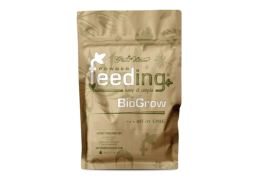
Transporting heavy liquids is a logistical burden that increases overhead. A single 1kg bag of BioGrow provides the same nutritional value as several liters of liquid organic counterparts. This concentration means you don't pay for the shipping and handling of bottled water. It's a pragmatic approach to plant nutrition that prioritizes the chemistry of the medium over the marketing of the packaging. When you strip away the liquid fillers, you're left with a potent, reliable tool for soil enrichment.
Storage and Shelf Life Considerations
Liquid organic nutrients are biologically active environments. Because they contain water and carbon sources, they're prone to fermentation and pathogen growth if temperatures fluctuate above 22°C. This leads to gas buildup and nutrient degradation. In contrast, high-quality powder nutrients offer 5-year stability when stored in a cool, dry place. This 60-month window ensures that the chemical composition remains identical from the first gram to the last. Switching to concentrated powders also reduces the carbon footprint by 90% compared to liquid equivalents, as shipping 1,000kg of product requires significantly less fuel when it isn't diluted with 8,000 liters of water.
Precision Mixing for Professional Results
Achieving specific PPM or EC levels is more consistent with dry amendments. BioGrow functions as a "one-product" feeding solution, simplifying the workflow by eliminating the need for separate boosters or additives. Professional growers can calculate exact dosages down to the milligram, ensuring every plant receives the same nutritional profile. This precision prevents the common issue of nutrient lockout caused by the uneven settling of ingredients in liquid bottles. For a deeper dive into these technical differences, you can explore our guide on Powder vs. Liquid: The Future of Plant Feeding.
Cost-effectiveness is a primary driver for professional adoption. When you purchase liquid organics, you pay a premium for the plastic packaging and the logistics of moving water. A 1kg bag of BioGrow can treat up to 330 liters of substrate, depending on the plant's life cycle. This efficiency represents a 40% reduction in cost per liter of treated soil compared to leading liquid brands. Stability is also superior in dry environments. Organic compounds in aqueous solutions often undergo hydrolysis, where water molecules break down chemical bonds. Dry powders keep these compounds in a dormant, stable state until they're integrated into the soil and activated by moisture. This ensures that the N-P-K ratios remain precise, providing a reliable organic fertilizer for plants that delivers predictable yields every harvest cycle.
The mastery of organic feeding lies in the balance of biology and chemistry. By choosing a powder format, you eliminate the variables of spoilage and dilution. It's a clean, modern approach to horticulture that values the grower's time and the plant's health. You gain complete control over the feeding schedule without the clutter of a dozen different bottles. This simplicity is the ultimate sophistication in high-yield gardening.
The Professional Organic Feeding Strategy: Veg to Bloom
Success in organic cultivation relies on a proactive rather than a reactive methodology. You don't wait for deficiencies to appear; you build a nutrient reservoir within the substrate from day one. This 5-step strategy ensures your crop has constant access to bio-available elements without the risk of salt buildup or nutrient lockout. By following a structured protocol, you remove the guesswork and allow the biology of the soil to do the heavy lifting.
Step 1: Preparing the Substrate
Begin by mixing BioGrow directly into your substrate before transplanting. A concentration of 3 grams per liter of medium provides a stable foundation. This initial application covers the nutritional requirements for a full 8-week cycle. It's a precise way to use organic fertilizer for plants because it relies on the natural decomposition process rather than immediate chemical availability.
Step 2: Vegetative Feeding
During the vegetative stage, the plant focuses on developing a robust vascular system and leaf canopy. High nitrogen levels are essential here. BioGrow provides this through its 7-0-12 NPK ratio. The organic nitrogen is released slowly as soil microbes break down the raw materials. This prevents the osmotic shock and nitrogen burn often associated with high-dose mineral salts, allowing for steady, uniform growth.
Step 3: Transitioning to Bloom
The transition to bloom requires a shift in chemical signaling. As soon as the first flowers emerge, apply BioBloom as a top-dress. This adds necessary phosphorus and potassium to the existing nutrient profile. A 3g per liter dosage ensures the plant has the 4-9-9 NPK ratio needed for flower site development and energy transfer during the peak reproductive phase.
Step 4: Using Enhancers
Maximize resin and terpene production by introducing BioEnhancer every 14 days. This blend of humic acids and seaweed extract increases the solubility of minerals in the soil. It acts as a catalyst for microbial life, ensuring the root zone remains active and efficient. Adding these microbes helps unlock phosphorus that might otherwise remain bound in the substrate.
Step 5: Monitoring and Diagnosis
Monitor the foliage for health indicators throughout the cycle. A deep green hue indicates proper nitrogen uptake. If leaves turn pale, it suggests the microbial breakdown is too slow or the substrate temperature has dropped below 18°C. Maintain a substrate pH between 5.8 and 6.5 to ensure optimal nutrient mobility. Organic systems are more forgiving, but they still require these environmental parameters to remain within the professional range.
Vegetative Growth: Building the Foundation
The vegetative stage demands nitrogen to synthesize chlorophyll and proteins. Without it, growth stunts and leaf production slows. BioGrow utilizes slow-release organic components that require microbial digestion. This process ensures young, sensitive roots aren't overwhelmed by high EC levels. You can learn more about this in our guide: What is BioGrow? The Basics of Organic Feeding.
The Flowering Phase: Maximizing Quality and Yield
Flowering shifts the plant's metabolic focus toward reproduction. Phosphorus and potassium become the primary requirements for ATP production and sugar transport. This organic fertilizer for plants uses natural sources to increase essential oil production by up to 15 percent in specific cultivars. For a deeper dive, see How Does BioBloom Support the Flowering Stage?.
Ready to streamline your garden with professional-grade inputs? Explore the Green House Feeding organic line to achieve maximum yields with minimal complexity.
The Green House Bio Feeding System: Expert Minimalism
The Green House Bio Feeding system operates on a single principle: efficiency through simplicity. BioGrow serves as the primary nutrition source for the vegetative stage. It's a dry, powdered organic fertilizer for plants that provides a balanced 7-2-4 NPK ratio. This formulation ensures vigorous structural growth and robust leaf development during the first weeks of the life cycle. Because it's a slow-release product, a single application lasts for 8 weeks, which significantly reduces the risk of nutrient burn and human error. For the generative phase, BioBloom shifts the nutritional profile to 4-9-9. This specific ratio targets the phosphorus and potassium requirements essential for resin production and floral density. Growers no longer need to manage complex liquid reservoirs or daily mixing schedules. The Bio Starter Kit simplifies the entire transition by providing everything needed for a 100-liter substrate volume in one convenient package. It removes the guesswork for those moving from mineral to organic cultivation while maintaining professional standards.
Integrating the Enhancer into Your Routine
The Enhancer acts as the biological catalyst within the Bio Feeding line. It combines humic acids, seaweed extract, and Trichoderma harzianum to create a thriving rhizosphere. Humic acids improve soil structure and increase cation exchange capacity, making minerals more accessible to the roots. Seaweed extract provides over 60 trace elements and natural growth hormones that strengthen plant immunity against environmental stress. You can apply the Enhancer as a soil drench every two weeks at a concentration of 0.5g to 1g per liter of water. It also functions effectively as a foliar spray when mixed at the same ratio, providing a direct route for micro-element absorption during periods of rapid growth. BioGrow provides the essential nutrition while Enhancer optimizes the biological pathways for nutrient uptake. This dual approach ensures that the microbial life in your soil stays active and productive throughout the entire life cycle of the plant.
Professional Results for Every Grower
Green House Feeding products are the result of 20 years of focused research and development in the global horticultural sector. These formulations are used by award-winning cultivators at the Green House Seed Co. to maintain genetic excellence across hundreds of specialized varieties. Data from recent commercial trials indicates that plants fed with this system show a 12% higher secondary metabolite production compared to traditional compost teas. One master grower in Barcelona noted that the simplicity of the dry application reduced their nutrient mixing time by 75% over a single harvest cycle. This professional organic fertilizer for plants offers the reliability of mineral salts with the superior flavor profile of a purely organic harvest. It's a pragmatic solution for those who value their time as much as their final yields. Explore the Green House Bio Feeding Line to see how expert minimalism can transform your garden's output and operational efficiency.
Mastering the Future of Organic Cultivation
Professional cultivation in 2026 demands a rigorous balance between ecological purity and high-performance yields. You now understand that bio-availability is the critical factor in nutrient uptake, and that high-quality powder formats offer the most stable delivery system for your crops. By focusing on a streamlined feeding strategy from vegetative growth through flowering, you eliminate the guesswork that often leads to nutrient lockout or wasted resources. Selecting a high-performance organic fertilizer for plants is no longer about following trends; it's about applying proven botanical science to your specific environment.
Green House Feeding delivers 100% organic ingredients certified by Control Union for ecological production. Our award-winning formulations are the result of 25 years of horticultural research and are currently trusted by commercial facilities in 45 countries. We provide the expert support and international distribution network needed to scale any operation with confidence. Our philosophy ensures that you spend less time mixing and more time optimizing your harvest. You've done the research; now it's time to implement a system that works as hard as you do.
Simplify your grow with the Green House Bio Feeding Line
Your path to a more efficient and sustainable garden starts today.
Frequently Asked Questions
Is organic fertilizer better for plants than mineral fertilizer?
Organic fertilizer isn't inherently better, but it serves a different functional purpose than mineral salts. Mineral nutrients provide 100% immediate bio-availability for rapid correction and growth. In contrast, an organic fertilizer for plants focuses on long-term soil health by fostering beneficial fungi and bacteria. This creates a self-sustaining ecosystem that improves water retention by 20% compared to inert growing media.
How long does it take for organic fertilizer to start working?
Microbial activation begins within 72 hours of application once moisture is present. However, the full release of macro-elements occurs over a 10 to 14 day window as soil organisms decompose the raw materials. This slow-release mechanism ensures a steady supply of nutrients for up to 8 weeks. It prevents the salt spikes associated with synthetic products, maintaining a stable EC in the root zone.
Can I use organic powder nutrients in a hydroponic system?
Powdered organic nutrients are unsuitable for hydroponic systems with emitters smaller than 0.5mm. These products contain insoluble raw materials that will clog pumps and irrigation lines within 24 hours. Hydroponics requires 100% water-solubility to ensure delivery. For these systems, you should use chelated mineral salts that leave zero residue and maintain clear, stable reservoirs throughout the cycle.
Do organic fertilizers attract pests or cause mold?
Organic inputs don't inherently attract pests, but visible mycelium often appears on the soil surface within 3 to 5 days. This white fungus is beneficial and indicates that the decomposition process is active. To prevent harmful mold or fungus gnats, keep your grow room humidity below 60% and ensure the top 2cm of substrate dries completely between your watering cycles.
How often should I apply organic fertilizer to my plants?
Apply organic fertilizer for plants once every 8 weeks for optimal results. A standard dosage of 3g per liter of substrate provides a sufficient nutrient buffer for the entire vegetative stage of most cultivars. If your growth cycle exceeds 60 days, a secondary top-dressing application is required. This pragmatic approach eliminates the need for daily mixing and complex feeding charts.
What happens if I over-fertilize with organic nutrients?
Over-fertilizing with organics leads to a gradual nutrient lockout rather than an immediate chemical burn. Excessive application can drop the substrate pH below 5.5, stalling growth by 20% as the plant struggles to uptake essential phosphorus. If you exceed the recommended 3g per liter dose, flush the medium with plain water to restore the microbial balance and stabilize the root environment.
Can I mix organic and mineral nutrients in the same grow?
You can combine both, but it requires precise management to avoid damaging the soil biology. High concentrations of mineral salts can reduce microbial activity by 30% if the electrical conductivity exceeds 2.2. For the best results, use organic powders as your base and supplement with mineral additives only during the final 3 weeks of flowering to maximize yield and resin production.
Does organic fertilizer expire or lose potency?
Organic powders maintain their full potency for 24 months when stored in a cool, dry location. Exposure to moisture or temperatures above 30°C will trigger premature decomposition, reducing the effective nitrogen content by 15% annually. Keep the packaging sealed and stored at a constant 18°C to 25°C to ensure the biological components remain dormant until they are incorporated into your substrate.
FAQ
The Biological Mechanism of Organic Feeding
Soil microbes function as the external digestive system for your plants. These microorganisms break down complex organic molecules into chelated micro-elements that roots can actually absorb. This process is known as mineralization. Modern organic products prioritize bio-availability, ensuring that nutrients are ready when the plant reaches specific growth stages. We follow a "Keep it Simple" philosophy. High-quality soil doesn't need a dozen different additives. It needs a consistent source of organic matter that allows the natural biology to thrive. This approach ensures a steady nutrient flow without the aggressive spikes associated with chemical salts.
Organic vs. Synthetic: The Performance Gap
A common myth suggests that organic nutrients are too slow for fast-cropping cycles. Data from 2024 trials shows that while minerals offer an initial growth burst, organic-fed plants often catch up within 14 days, producing sturdier vascular systems. The real advantage appears in the final product. Plants grown with organic fertilizer for plants frequently show a 20% to 30% increase in terpene concentrations and complex flavor profiles. This happens because the plant isn't struggling with mineral salt buildup in its tissues. Long-term soil structure is another critical factor. Synthetic salts can degrade soil quality over a single season, leading to compaction and poor aeration. Organic inputs improve water retention by up to 25% over a three-year period. This creates a sustainable environment where the soil becomes more fertile with every harvest. You aren't just growing a crop; you're building a biological asset that performs better every time you use it. Efficiency and purity aren't mutually exclusive. They're the foundation of modern feeding. Organic NPK ratios function differently than mineral salts. A ratio like 7-2-4 in an organic fertilizer for plants represents a slow-release reservoir rather than an immediate chemical hit. This ensures your crop receives a steady supply of nitrogen, phosphorus, and potassium without the risk of nutrient burn. Success in organic cultivation relies on chelated micro-elements. These trace minerals stay protected from soil lockout, remaining accessible to the roots even when conditions aren't perfect. We prioritize elements like iron (Fe), manganese (Mn), and zinc (Zn) because they drive the enzymatic reactions necessary for vigorous growth. Maintaining a substrate pH between 5.8 and 6.5 ensures these elements remain mobile and ready for uptake. The rhizosphere acts as a biological engine. This "Microbial Bridge" converts raw organic matter into plant-available ions. Plants don't consume organic molecules directly; they rely on beneficial bacteria and fungi to break them down. This symbiotic relationship ensures a steady supply of nutrients while protecting the root system from pathogens. When Selecting and Using Organic Fertilizers, professional growers look for inputs that support this microbial life rather than suppressing it with high salinity. A healthy rhizosphere can support over 10^9 microbial colonies per gram of soil, creating a self-sustaining nutrient cycle that benefits the plant throughout its entire life cycle.
The Role of Humic Acids and Soil Conditioners
Humic acids are essential for optimizing the root zone. They improve cation exchange capacity (CEC) by up to 25%, allowing the substrate to hold onto essential nutrients longer. This reduces leaching and improves water retention by approximately 15% in sandy soils. Organic additives like bat guano provide a complex profile of enzymes and phosphorus that fuel the transition from vegetative growth to flowering. Bio-availability is the measure of how effectively a plant captures and uses these nutrients to drive biomass production and secondary metabolite synthesis, directly impacting your final harvest weight.
Powder Technology: Engineering Organic Solubility
Traditional organic liquids face a major stability problem. They often ferment, expand, or create a thick "sludge" that clogs irrigation lines and creates anaerobic conditions. Powdered formulations solve this by removing the water that allows for premature microbial activity. By fine-milling organic matter to particles smaller than 100 microns, we ensure maximum surface area for microbial colonization once applied to the substrate. This engineering creates a product that's easy to distribute and stays stable for years in storage. Powdered nutrients don't require the preservatives or stabilizers found in liquid bottles. You're paying for actual nutrition, not water and filler. It's an uncomplicated approach that yields professional results. For those looking to streamline their operation, choosing a highly soluble organic powder is the most efficient path to success. It eliminates the guesswork and the mess associated with low-quality organic alternatives. The transition to a powder-based organic system represents a move toward precision horticulture. It allows for a "Keep it Simple" workflow where the biology does the heavy lifting. By providing the right raw materials in a stable format, you empower the microbial bridge to feed your plants exactly what they need, when they need it. Efficiency defines professional cultivation. Selecting an organic fertilizer for plants often comes down to the delivery format. Liquid nutrients dominate the hobbyist market; however, commercial operations favor powders for scientific reasons. Dry formats eliminate the unnecessary weight of water, which typically accounts for 80% to 90% of a liquid nutrient bottle. By removing the aqueous medium, you focus strictly on the active bio-available elements. This shift aligns with our "Keep it Simple" philosophy, reducing complex multi-bottle regimens to a single, concentrated application that yields professional results with less effort. Transporting heavy liquids is a logistical burden that increases overhead. A single 1kg bag of BioGrow provides the same nutritional value as several liters of liquid organic counterparts. This concentration means you don't pay for the shipping and handling of bottled water. It's a pragmatic approach to plant nutrition that prioritizes the chemistry of the medium over the marketing of the packaging. When you strip away the liquid fillers, you're left with a potent, reliable tool for soil enrichment.
Storage and Shelf Life Considerations
Liquid organic nutrients are biologically active environments. Because they contain water and carbon sources, they're prone to fermentation and pathogen growth if temperatures fluctuate above 22°C. This leads to gas buildup and nutrient degradation. In contrast, high-quality powder nutrients offer 5-year stability when stored in a cool, dry place. This 60-month window ensures that the chemical composition remains identical from the first gram to the last. Switching to concentrated powders also reduces the carbon footprint by 90% compared to liquid equivalents, as shipping 1,000kg of product requires significantly less fuel when it isn't diluted with 8,000 liters of water.
Precision Mixing for Professional Results
Achieving specific PPM or EC levels is more consistent with dry amendments. BioGrow functions as a "one-product" feeding solution, simplifying the workflow by eliminating the need for separate boosters or additives. Professional growers can calculate exact dosages down to the milligram, ensuring every plant receives the same nutritional profile. This precision prevents the common issue of nutrient lockout caused by the uneven settling of ingredients in liquid bottles. For a deeper dive into these technical differences, you can explore our guide on Powder vs. Liquid: The Future of Plant Feeding. Cost-effectiveness is a primary driver for professional adoption. When you purchase liquid organics, you pay a premium for the plastic packaging and the logistics of moving water. A 1kg bag of BioGrow can treat up to 330 liters of substrate, depending on the plant's life cycle. This efficiency represents a 40% reduction in cost per liter of treated soil compared to leading liquid brands. Stability is also superior in dry environments. Organic compounds in aqueous solutions often undergo hydrolysis, where water molecules break down chemical bonds. Dry powders keep these compounds in a dormant, stable state until they're integrated into the soil and activated by moisture. This ensures that the N-P-K ratios remain precise, providing a reliable organic fertilizer for plants that delivers predictable yields every harvest cycle. The mastery of organic feeding lies in the balance of biology and chemistry. By choosing a powder format, you eliminate the variables of spoilage and dilution. It's a clean, modern approach to horticulture that values the grower's time and the plant's health. You gain complete control over the feeding schedule without the clutter of a dozen different bottles. This simplicity is the ultimate sophistication in high-yield gardening. Success in organic cultivation relies on a proactive rather than a reactive methodology. You don't wait for deficiencies to appear; you build a nutrient reservoir within the substrate from day one. This 5-step strategy ensures your crop has constant access to bio-available elements without the risk of salt buildup or nutrient lockout. By following a structured protocol, you remove the guesswork and allow the biology of the soil to do the heavy lifting. Step 1: Preparing the Substrate
Begin by mixing BioGrow directly into your substrate before transplanting. A concentration of 3 grams per liter of medium provides a stable foundation. This initial application covers the nutritional requirements for a full 8-week cycle. It's a precise way to use organic fertilizer for plants because it relies on the natural decomposition process rather than immediate chemical availability. Step 2: Vegetative Feeding
During the vegetative stage, the plant focuses on developing a robust vascular system and leaf canopy. High nitrogen levels are essential here. BioGrow provides this through its 7-0-12 NPK ratio. The organic nitrogen is released slowly as soil microbes break down the raw materials. This prevents the osmotic shock and nitrogen burn often associated with high-dose mineral salts, allowing for steady, uniform growth. Step 3: Transitioning to Bloom
The transition to bloom requires a shift in chemical signaling. As soon as the first flowers emerge, apply BioBloom as a top-dress. This adds necessary phosphorus and potassium to the existing nutrient profile. A 3g per liter dosage ensures the plant has the 4-9-9 NPK ratio needed for flower site development and energy transfer during the peak reproductive phase. Step 4: Using Enhancers
Maximize resin and terpene production by introducing BioEnhancer every 14 days. This blend of humic acids and seaweed extract increases the solubility of minerals in the soil. It acts as a catalyst for microbial life, ensuring the root zone remains active and efficient. Adding these microbes helps unlock phosphorus that might otherwise remain bound in the substrate. Step 5: Monitoring and Diagnosis
Monitor the foliage for health indicators throughout the cycle. A deep green hue indicates proper nitrogen uptake. If leaves turn pale, it suggests the microbial breakdown is too slow or the substrate temperature has dropped below 18°C. Maintain a substrate pH between 5.8 and 6.5 to ensure optimal nutrient mobility. Organic systems are more forgiving, but they still require these environmental parameters to remain within the professional range.
Vegetative Growth: Building the Foundation
The vegetative stage demands nitrogen to synthesize chlorophyll and proteins. Without it, growth stunts and leaf production slows. BioGrow utilizes slow-release organic components that require microbial digestion. This process ensures young, sensitive roots aren't overwhelmed by high EC levels. You can learn more about this in our guide: What is BioGrow? The Basics of Organic Feeding.
The Flowering Phase: Maximizing Quality and Yield
Flowering shifts the plant's metabolic focus toward reproduction. Phosphorus and potassium become the primary requirements for ATP production and sugar transport. This organic fertilizer for plants uses natural sources to increase essential oil production by up to 15 percent in specific cultivars. For a deeper dive, see How Does BioBloom Support the Flowering Stage?. Ready to streamline your garden with professional-grade inputs? Explore the Green House Feeding organic line to achieve maximum yields with minimal complexity. The Green House Bio Feeding system operates on a single principle: efficiency through simplicity. BioGrow serves as the primary nutrition source for the vegetative stage. It's a dry, powdered organic fertilizer for plants that provides a balanced 7-2-4 NPK ratio. This formulation ensures vigorous structural growth and robust leaf development during the first weeks of the life cycle. Because it's a slow-release product, a single application lasts for 8 weeks, which significantly reduces the risk of nutrient burn and human error. For the generative phase, BioBloom shifts the nutritional profile to 4-9-9. This specific ratio targets the phosphorus and potassium requirements essential for resin production and floral density. Growers no longer need to manage complex liquid reservoirs or daily mixing schedules. The Bio Starter Kit simplifies the entire transition by providing everything needed for a 100-liter substrate volume in one convenient package. It removes the guesswork for those moving from mineral to organic cultivation while maintaining professional standards.
Integrating the Enhancer into Your Routine
The Enhancer acts as the biological catalyst within the Bio Feeding line. It combines humic acids, seaweed extract, and Trichoderma harzianum to create a thriving rhizosphere. Humic acids improve soil structure and increase cation exchange capacity, making minerals more accessible to the roots. Seaweed extract provides over 60 trace elements and natural growth hormones that strengthen plant immunity against environmental stress. You can apply the Enhancer as a soil drench every two weeks at a concentration of 0.5g to 1g per liter of water. It also functions effectively as a foliar spray when mixed at the same ratio, providing a direct route for micro-element absorption during periods of rapid growth. BioGrow provides the essential nutrition while Enhancer optimizes the biological pathways for nutrient uptake. This dual approach ensures that the microbial life in your soil stays active and productive throughout the entire life cycle of the plant.
Professional Results for Every Grower
Green House Feeding products are the result of 20 years of focused research and development in the global horticultural sector. These formulations are used by award-winning cultivators at the Green House Seed Co. to maintain genetic excellence across hundreds of specialized varieties. Data from recent commercial trials indicates that plants fed with this system show a 12% higher secondary metabolite production compared to traditional compost teas. One master grower in Barcelona noted that the simplicity of the dry application reduced their nutrient mixing time by 75% over a single harvest cycle. This professional organic fertilizer for plants offers the reliability of mineral salts with the superior flavor profile of a purely organic harvest. It's a pragmatic solution for those who value their time as much as their final yields. Explore the Green House Bio Feeding Line to see how expert minimalism can transform your garden's output and operational efficiency. Professional cultivation in 2026 demands a rigorous balance between ecological purity and high-performance yields. You now understand that bio-availability is the critical factor in nutrient uptake, and that high-quality powder formats offer the most stable delivery system for your crops. By focusing on a streamlined feeding strategy from vegetative growth through flowering, you eliminate the guesswork that often leads to nutrient lockout or wasted resources. Selecting a high-performance organic fertilizer for plants is no longer about following trends; it's about applying proven botanical science to your specific environment. Green House Feeding delivers 100% organic ingredients certified by Control Union for ecological production. Our award-winning formulations are the result of 25 years of horticultural research and are currently trusted by commercial facilities in 45 countries. We provide the expert support and international distribution network needed to scale any operation with confidence. Our philosophy ensures that you spend less time mixing and more time optimizing your harvest. You've done the research; now it's time to implement a system that works as hard as you do. Simplify your grow with the Green House Bio Feeding Line Your path to a more efficient and sustainable garden starts today.
Is organic fertilizer better for plants than mineral fertilizer?
Organic fertilizer isn't inherently better, but it serves a different functional purpose than mineral salts. Mineral nutrients provide 100% immediate bio-availability for rapid correction and growth. In contrast, an organic fertilizer for plants focuses on long-term soil health by fostering beneficial fungi and bacteria. This creates a self-sustaining ecosystem that improves water retention by 20% compared to inert growing media.
How long does it take for organic fertilizer to start working?
Microbial activation begins within 72 hours of application once moisture is present. However, the full release of macro-elements occurs over a 10 to 14 day window as soil organisms decompose the raw materials. This slow-release mechanism ensures a steady supply of nutrients for up to 8 weeks. It prevents the salt spikes associated with synthetic products, maintaining a stable EC in the root zone.
Can I use organic powder nutrients in a hydroponic system?
Powdered organic nutrients are unsuitable for hydroponic systems with emitters smaller than 0.5mm. These products contain insoluble raw materials that will clog pumps and irrigation lines within 24 hours. Hydroponics requires 100% water-solubility to ensure delivery. For these systems, you should use chelated mineral salts that leave zero residue and maintain clear, stable reservoirs throughout the cycle.
Do organic fertilizers attract pests or cause mold?
Organic inputs don't inherently attract pests, but visible mycelium often appears on the soil surface within 3 to 5 days. This white fungus is beneficial and indicates that the decomposition process is active. To prevent harmful mold or fungus gnats, keep your grow room humidity below 60% and ensure the top 2cm of substrate dries completely between your watering cycles.
How often should I apply organic fertilizer to my plants?
Apply organic fertilizer for plants once every 8 weeks for optimal results. A standard dosage of 3g per liter of substrate provides a sufficient nutrient buffer for the entire vegetative stage of most cultivars. If your growth cycle exceeds 60 days, a secondary top-dressing application is required. This pragmatic approach eliminates the need for daily mixing and complex feeding charts.
What happens if I over-fertilize with organic nutrients?
Over-fertilizing with organics leads to a gradual nutrient lockout rather than an immediate chemical burn. Excessive application can drop the substrate pH below 5.5, stalling growth by 20% as the plant struggles to uptake essential phosphorus. If you exceed the recommended 3g per liter dose, flush the medium with plain water to restore the microbial balance and stabilize the root environment.
Can I mix organic and mineral nutrients in the same grow?
You can combine both, but it requires precise management to avoid damaging the soil biology. High concentrations of mineral salts can reduce microbial activity by 30% if the electrical conductivity exceeds 2.2. For the best results, use organic powders as your base and supplement with mineral additives only during the final 3 weeks of flowering to maximize yield and resin production.
Does organic fertilizer expire or lose potency?
Organic powders maintain their full potency for 24 months when stored in a cool, dry location. Exposure to moisture or temperatures above 30°C will trigger premature decomposition, reducing the effective nitrogen content by 15% annually. Keep the packaging sealed and stored at a constant 18°C to 25°C to ensure the biological components remain dormant until they are incorporated into your substrate.
Hinterlassen Sie einen Kommentar
Melden Sie sich an, um Kommentare zu posten