

 English
Over 70% of cultivation failures stem from a fundamental misunderstanding of substrate moisture levels. Most growers...
Buscar en blog
Categorías de blogs
Últimas entradas del blog
How Much Water Do Plants Need? The Expert Guide to Precision Irrigation
Read more
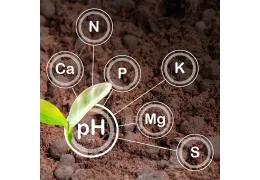
What is PPM? A Precision Guide to Nutrient Concentration for Growers
Read more
What if the line between a thriving crop and a burnt-out failure was a single, measurable number? You've followed the...
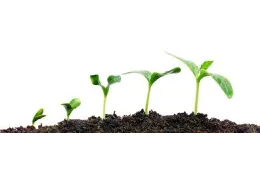
What Does a Plant Need to Survive and Grow? The 5 Pillars of Cultivation
Read more
Your plants don't need a complex cocktail of additives to thrive. In fact, over 60% of common cultivation issues like...
Fertilizer for Cannabis Plants: The Expert Guide to Optimal Feeding
Read more
Complex, multi-bottle nutrient lines are the single biggest point of failure for professional and hobbyist growers...
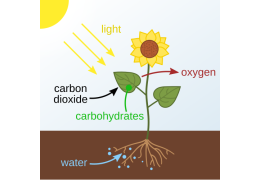
What Is Photosynthesis? And why is the most important thing on earth?
Read more
What Is Photosynthesis? And why is the most important thing on earth?
Entradas de blog populares
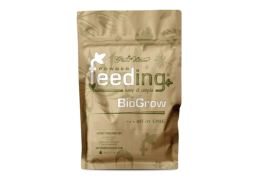
Fertilizer for Cannabis Plants: The Expert Guide to Optimal Feeding
Complex, multi-bottle nutrient lines are the single biggest point of failure for professional and hobbyist growers...
Read more
What is PPM? A Precision Guide to Nutrient Concentration for Growers
What if the line between a thriving crop and a burnt-out failure was a single, measurable number? You've followed the...
Read more
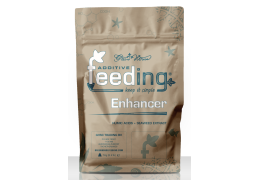
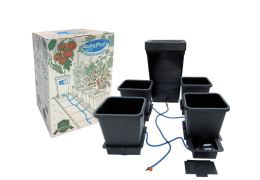
Entradas de blog destacadas
What Is Photosynthesis? And why is the most important thing on earth?
What Is Photosynthesis? And why is the most important thing on earth?
Read more
Irrigation method with lightmix (peat based substrate) + GHF Bioline (peat based substrate)
How to optimize your irrigation when using peat based substrate and organic dry amendment like our Bioline ?
Read more
¿Qué es el VPD
VPD controls how much water the plant loses, which controls cooling, nutrient uptake, stomatal behaviour, and...
Read more
Extra té de compost mineral aireado
Extra té de compost mineral aireado (calcio y oligoelementos)
Read more
Fertilizer for Cannabis Plants: The Expert Guide to Optimal Feeding
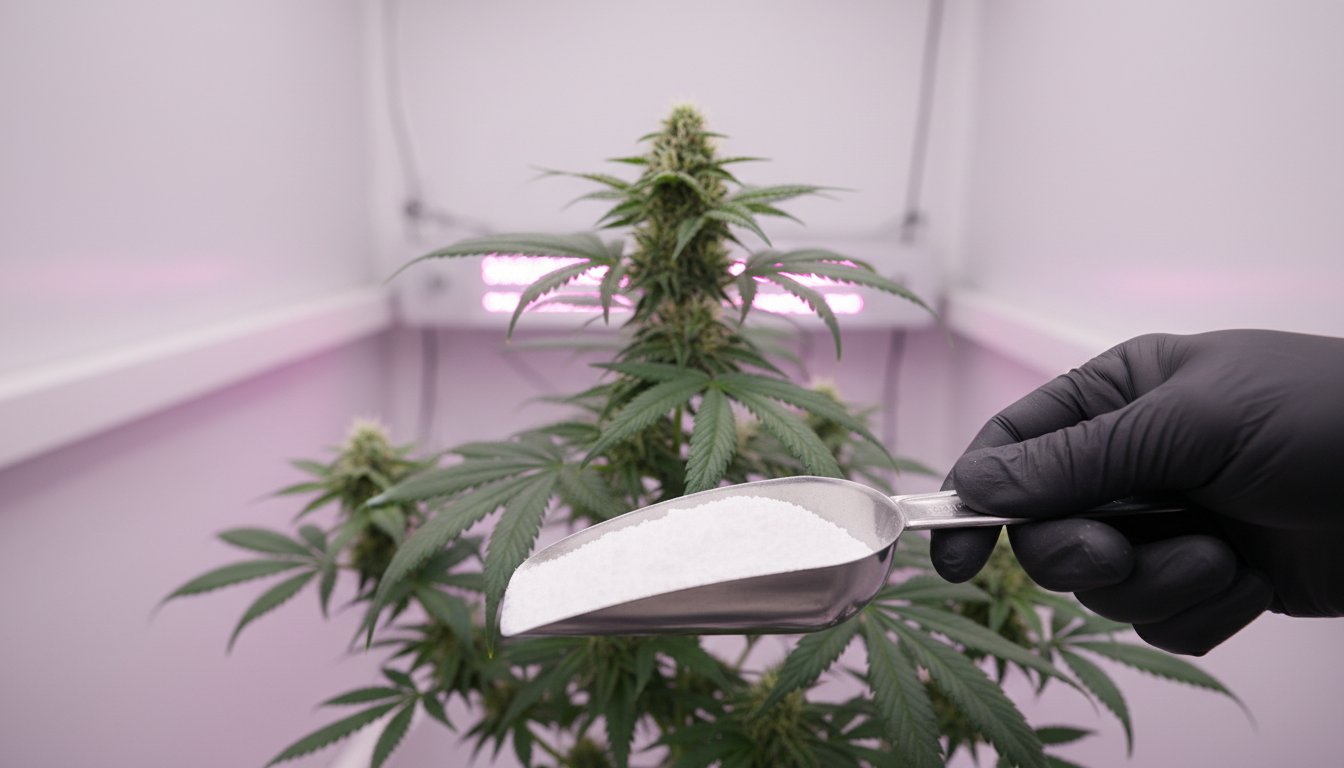
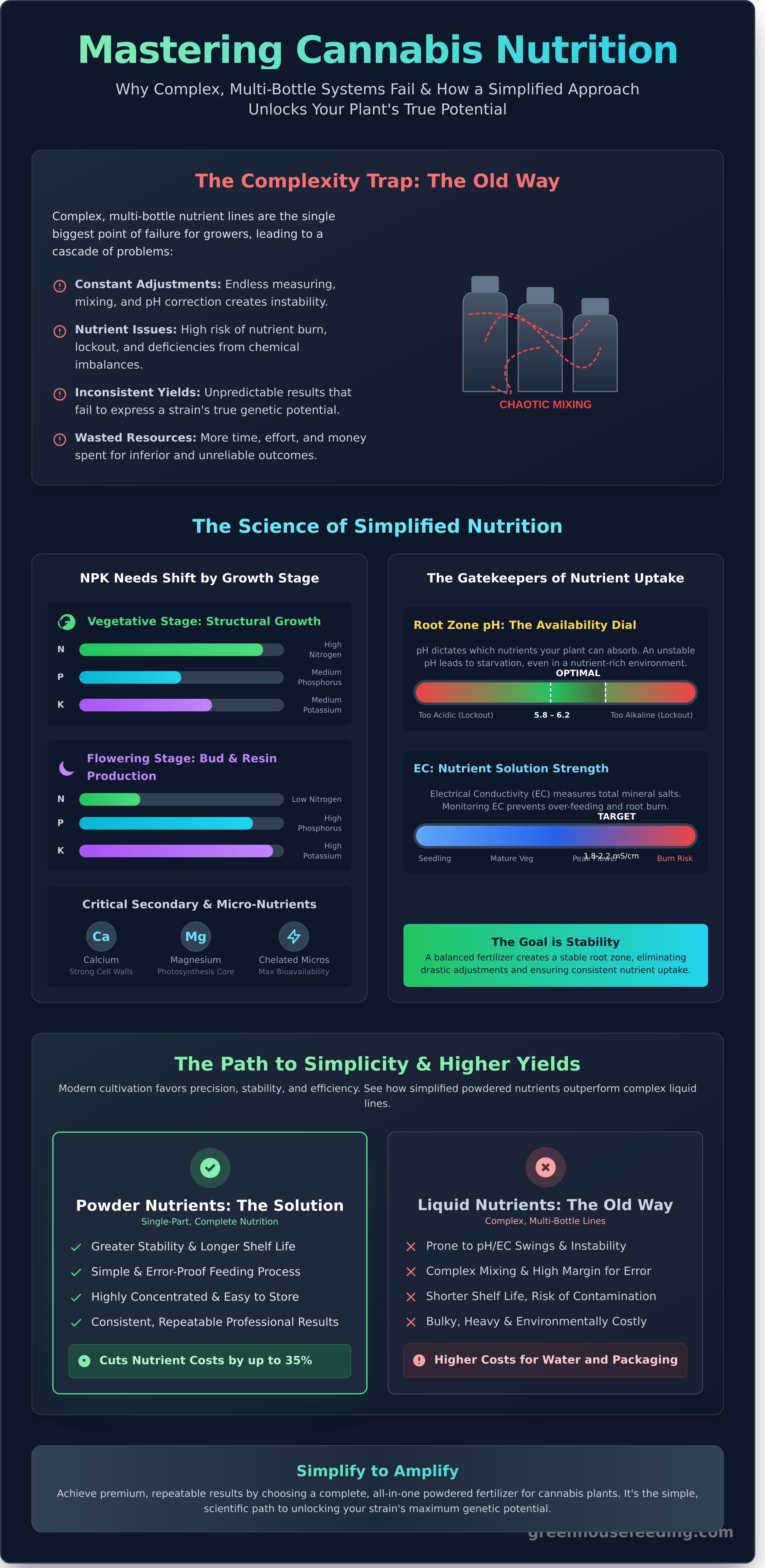
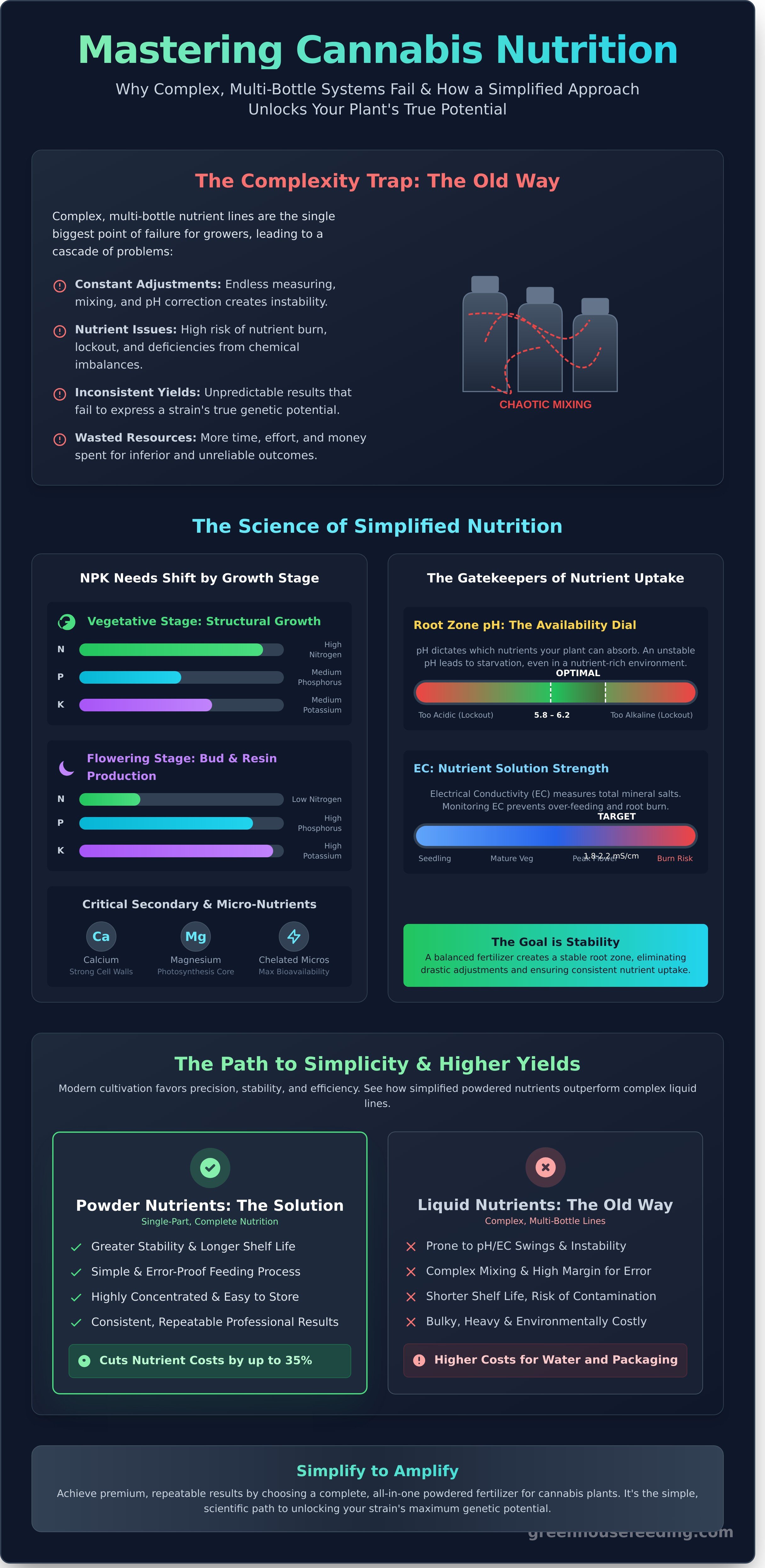
Complex, multi-bottle nutrient lines are the single biggest point of failure for professional and hobbyist growers alike. You've experienced the frustration. The constant measuring, mixing, and pH adjusting leads to nutrient burn, lockout, and inconsistent yields that fail to express a strain's true genetic potential. This over-complication doesn't just waste time; it actively works against your goal of achieving premium, repeatable results.
This guide provides the solution. We will demonstrate how to master plant nutrition by simplifying your process, not by adding more bottles. You'll learn why a targeted, life-cycle-specific fertilizer for cannabis plants is the key to unlocking maximum growth, achieving stable pH and EC levels, and cutting nutrient costs by up to 35%. We will break down the essential macro and micro-nutrients and provide a clear, uncomplicated roadmap for optimal Feeding from seedling to harvest.
Key Takeaways
-
Understand how the roles of Nitrogen, Phosphorus, and Potassium (NPK) shift to meet the specific metabolic needs of vegetative and flowering stages.
-
Select the correct fertilizer for cannabis plants by learning the functional differences between immediately available mineral nutrients and soil-building organic inputs.
-
Discover why single-part powder nutrients provide greater stability, a longer shelf life, and a simpler feeding process than complex multi-bottle liquid lines.
-
Learn to develop a precise, stage-by-stage feeding strategy for your plants by identifying your strain's specific flowering duration and water source quality.
Table of Contents
-
The Science of Cannabis Nutrition: Understanding NPK and Beyond
-
Mineral vs. Organic Fertilizers: Choosing Your Cultivation Path
The Science of Cannabis Nutrition: Understanding NPK and Beyond
Optimal cannabis growth isn't magic. It's chemistry. A professional fertilizer for cannabis plants is a concentrated source of the essential macro and micro-elements required for all metabolic functions. Understanding these elements is the first step toward maximum yield and quality. The foundation of plant nutrition rests on three primary macronutrients: Nitrogen (N), Phosphorus (P), and Potassium (K). While many guides exist, a deep dive into The Science of Cannabis Nutrition reveals that mastery isn't just about knowing what NPK stands for; it's about deploying these elements with precision at the correct time.
Vegetative vs. Flowering Needs
During the vegetative stage, the plant's primary goal is structural development. High levels of Nitrogen are non-negotiable. Nitrogen is a core component of chlorophyll and amino acids, driving the production of stems, branches, and fan leaves. As the plant transitions to flower, its metabolic priorities shift. The demand for Nitrogen drops significantly, while the need for Phosphorus and Potassium spikes. Phosphorus fuels energy transfer and the formation of floral clusters, while Potassium regulates CO2 uptake and activates enzymes essential for terpene and cannabinoid synthesis. Luxury consumption occurs when a plant absorbs more of a nutrient than it needs for immediate growth, which can lead to mineral imbalances and wasted resources.
Beyond the primary NPK trio, secondary macronutrients are critical for high-performance cultivation. Calcium (Ca) is fundamental for building strong cell walls, creating a robust plant structure that can support heavy flowers. Magnesium (Mg) sits at the very center of the chlorophyll molecule, making it indispensable for photosynthesis. In high-intensity growing environments using LED or HPS lighting, plant metabolism accelerates, increasing the demand for both Ca and Mg by up to 25%. A deficiency in either will immediately limit potential yield.
Micronutrients like Iron (Fe), Manganese (Mn), and Zinc (Zn) are required in smaller quantities but are just as vital. Their availability is the key. Chelated micro-elements are protected by an organic molecule, preventing them from locking out in the growing medium. This ensures maximum bioavailability, allowing the plant to absorb these crucial elements efficiently across a wider pH range for uninterrupted growth.
The Role of pH and EC in Nutrient Uptake
Your plant can be surrounded by nutrients and still starve. This is a problem of pH. The pH level of your root zone dictates the solubility and availability of every mineral salt you provide. For most soilless and hydroponic systems, the optimal pH range is between 5.8 and 6.2. If the pH drifts too low or too high, specific nutrients become unavailable, leading to deficiencies and toxicities. Electrical Conductivity (EC) measures the total concentration of mineral salts in your nutrient solution. Monitoring EC prevents over-feeding and root burn, with a target for mature flowering plants often between 1.8 and 2.2 mS/cm. The ultimate goal is stability. The "Keep it Simple" rule dictates that a stable root zone environment is superior to one that requires constant, drastic adjustments. Using a complete and balanced fertilizer for cannabis plants creates this stability, simplifying your feeding schedule and delivering predictable, professional results.
Mineral vs. Organic Fertilizers: Choosing Your Cultivation Path
Selecting the right fertilizer for cannabis plants involves more than just nutrients. It's a choice between two distinct cultivation philosophies: direct chemical input versus holistic ecosystem development. Mineral fertilizers offer immediate, quantifiable control over plant nutrition. Organic fertilizers build a living soil that nourishes the plant over time. Your choice defines your entire cultivation process, from medium selection to watering schedules.
The debate often centers on performance. Can organic methods match the yield potential of mineral-based feeding? Research suggests a trade-off. A 2021 study in HortScience found mineral nutrients produced a 15% higher cannabinoid yield in controlled soilless media. Conversely, organic soil cultivation frequently results in more complex terpene profiles. The official discussion on Mineral vs. Organic Fertilizers clarifies that both provide essential macro and micronutrients; the key difference is their mechanism of delivery and bio-availability.
The Mineral Advantage (Powder Feeding)
Mineral salts provide nutrients in their ionic form, making them immediately available for plant uptake. This is ideal for sterile environments like hydroponics or coco coir where no microbial life exists to break down organic matter. For fast-growing hybrid strains with high metabolic rates, this instant access to nutrition is critical for maximizing growth potential. Our Powder Feeding line is built on this principle of precision. The Short Flowering powder, for example, delivers a specific NPK of 16-6-26, engineered for the exact needs of an 8-week flowering cycle. This high solubility also makes it perfect for automated irrigation systems, ensuring consistent delivery with zero clogging.
The Organic Philosophy (Bio Feeding)
Organic cultivation is a long-term investment in soil health. Our Bio Feeding line utilizes natural ingredients like bone meal, feather meal, lime, vinasses, canola meal. These materials are not a direct source of food for the plant. Instead, they feed a complex web of beneficial microbes and fungi in the soil. This "soil food web" breaks down the organic matter into plant-available nutrients. This process creates a slow-release feeding system that prevents nutrient burn and enhances soil structure. The result is improved water retention, aeration, and long-term plant resilience. Many growers report that this method produces richer, more complex flavors and aromas.
Ultimately, the best fertilizer for cannabis plants depends on your goals and system. There is no single superior method, only the one that is superior for your operation. Green House Feeding does not dictate a philosophy. We provide simplified, professional-grade tools for both paths. Our goal is to remove complexity, whether you are managing a large-scale hydroponic facility or a small organic garden. You choose the path; we provide the optimal nutrition. Explore our complete feeding lines to find the uncomplicated solution for your grow.
Why Powder Nutrients Outperform Liquids in Modern Growing
Modern cultivation demands efficiency, precision, and simplicity. The era of complex, multi-bottle liquid nutrient lines is giving way to a more intelligent approach. Powdered nutrients are not a compromise; they are an upgrade. By eliminating water, they offer superior stability, reduced costs, and a smaller environmental footprint without sacrificing performance. This is the core of the Green House Feeding "Keep it Simple" philosophy: remove variables to maximize results.
The primary advantages of a powder-based feeding program are clear:
-
Reduced Error: Single-part formulas eliminate the risk of incorrect mixing ratios common with 5-part or 7-part liquid systems.
-
Extended Shelf Life: Dry nutrients maintain their chemical integrity for over 5 years, while liquid concentrates can begin to degrade in as little as 12-18 months.
-
Economic Efficiency: You are not paying to ship water. A 1kg bag of powder makes up to 1000 liters of feeding solution, drastically lowering transport costs and plastic waste.
-
Maximum Bioavailability: High-grade mineral powders, once dissolved, provide nutrients in a form that is immediately available for plant uptake.
This streamlined approach provides the robust foundation needed for a high-performance fertilizer for cannabis plants, ensuring optimal growth from seedling to harvest.
Dissolving the Myth: Solubility and Mixing
A common misconception is that powders are difficult to dissolve and clog irrigation lines. This is only true for low-grade agricultural products. Our powders are engineered with high-solubility mineral salts and chelated micro-elements that dissolve completely in water, leaving no residue. Proper mixing is simple: always add the powder to water, never the other way around, and stir until the solution is clear. For growers, this means 1 gram of GHF powder provides a precise, repeatable NPK dose every single time.
Storage and Precision
Professional greenhouses and large-scale cultivators prefer dry nutrients for a reason: inventory management and consistency. Dry powders occupy up to 80% less storage space than their liquid equivalents. More importantly, an all-in-one powder ensures every plant receives the exact same mineral profile in every feeding. This level of precision is critical for avoiding the nutrient lockout that often plagues complex liquid schedules. Understanding the delicate balance of elements is key to preventing deficiencies; a concept well-documented in Utah State University's guide on How to Feed Cannabis Plants and a principle we've built into our feeding schedules. A simple, balanced fertilizer for cannabis plants is the most effective way to achieve consistent, high-quality yields.
How to Feed Cannabis Plants: A Stage-by-Stage Strategy
Optimal plant nutrition isn't about guesswork; it's a systematic process. Success depends on providing the right elements at the right time. Our powdered feeding system simplifies this process into a repeatable, stage-specific strategy for maximum yield and quality. Follow these five core steps for any cultivation environment, from soil to hydroponics.
-
Step 1: Identify Your Strain. Before mixing any nutrients, know your genetics. Is it an 8-week indica-dominant strain or a 12-week sativa hybrid? This single detail determines your entire feeding schedule and product selection.
-
Step 2: Establish a Baseline. Start with a clean water source, preferably reverse osmosis (RO) water. Measure its electrical conductivity (EC). An ideal starting EC is 0.0, but anything below 0.3 is manageable. This baseline ensures you're only feeding the plant what it needs.
-
Step 3: Mix the Correct Formula. During vegetative growth, use our Grow Powder. For flowering, select the powder that matches your strain's duration: Short Flowering, Hybrid, or Long Flowering. Always add the powder to the water and mix thoroughly until fully dissolved, following the dosage chart precisely.
-
Step 4: Monitor and Adjust. A plant's appetite changes with its environment. In vegetative stages, a target EC of 1.5 might be sufficient. During peak flower under high-intensity LEDs (over 900 PPFD), plants may require an EC of 2.5 or higher. Observe the plant for signs of stress or deficiency and adjust your concentration accordingly.
-
Step 5: Taper for Quality. In the final 7 to 10 days of flowering, cease all nutrient feeding. Provide only pH-adjusted water. This forces the plant to metabolize any remaining mineral salts, resulting in a cleaner final product with superior terpene expression.
Feeding for Short Flowering Strains
Indica-dominant strains with an 8-week flowering cycle have a compressed metabolic window. They must transition from vegetative to generative growth almost immediately. Our Short Flowering formula provides a higher initial phosphorus and potassium ratio to fuel rapid bud formation. To maximize density, introduce Booster PK+ between weeks 4 and 7 of the flowering cycle, increasing resin production when the plant needs it most.
Feeding Hybrids and Long Flowering Varieties
Sativa-leaning hybrids and long-flowering strains often experience an extended "stretch" for the first 3-4 weeks of flower, demanding more nitrogen than a typical indica. The 'Hybrid' powder offers a balanced NPK ratio to support this vigorous growth and prevent premature yellowing. For cycles exceeding 10 weeks, this balanced approach is the most effective fertilizer for cannabis plants, preventing late-stage magnesium deficiencies and ensuring the plant has enough energy to finish strong.
This precise, genetics-based approach removes complexity from your cultivation. It delivers targeted nutrition efficiently. By matching the formula to the plant's lifecycle, you ensure every stage of growth is fully supported. This is the foundation of a simplified, high-performance feeding program. To see how this strategy applies to your specific setup, view our detailed online feeding charts.
The Green House Feeding Solution: Excellence Simplified
The Green House legacy is built on decades of elite genetic research. Led by Arjan Roskam, our team has secured over 40 High Times Cannabis Cups by identifying precisely what plants need to achieve their full potential. This world-class expertise is distilled into Green House Feeding, a product line designed to eliminate complexity and maximize results. We've engineered a revolutionary powdered fertilizer for cannabis plants that delivers professional-grade nutrition with unparalleled simplicity. The goal is clear: provide growers with the exact tools they need for a successful harvest, every time.
The 'Keep it Simple' Starter Kit
For hobbyists seeking to escape the complexity of multi-part liquid nutrients, our Feeding Starter Kit is the definitive entry point. It provides everything required for a complete growth cycle in one efficient package. There are no complicated charts or unnecessary bottles, just pure, concentrated power.
-
Grow: A single-part powder for the entire vegetative stage.
-
Hybrids or Short Flowering: A specialized formula for the flowering phase, tailored to your plant's genetics.
-
Booster PK+: high quality P and K booster, to achieve the best yield and quality possible!
This minimalist approach empowers any grower to achieve the "King of Cannabis" results that define our brand. It's proof that optimal yields don't require a complex regimen, just the right formulation.
Advanced Additives for the Professional
While our base nutrients cover all essential needs, targeted additives allow for peak performance and problem prevention. These tools are for growers who demand absolute control over their crop's development. Our Powder Feeding Calcium is essential for growers using soft water or coco coir. It directly prevents calcium deficiencies, which manifest as stunted growth or blossom end rot in demanding cultivars. Its highly soluble formula strengthens cell walls, resulting in more robust plants that can support heavier yields.
The Bio Enhancer is a powerful tool for optimizing the root zone. A potent mix of humic acids, seaweed extracts, and beneficial microorganisms, it dramatically improves the soil structure and stimulates explosive root growth. This ensures your plants can absorb every component of their feeding schedule, maximizing the efficacy of your base fertilizer for cannabis plants. For growers aiming to unlock their plant's absolute maximum genetic potential, these additives are not optional; they are essential. Discover the full Green House Feeding range here.
Master Your Cannabis Feeding Strategy
Optimal growth isn't about complexity. It's about precision. You now understand the science of NPK ratios and why modern cultivators prefer the efficiency of powder nutrients. Applying a stage-by-stage strategy is the key to unlocking maximum yield. The right fertilizer for cannabis plants removes guesswork and delivers professional-grade results with minimal effort. This is the core of our 'Keep it Simple' methodology.
Green House Feeding's award-winning formulas are trusted by professional cultivators worldwide, a testament to the research from the Green House Group. We've done the complex work so your feeding schedule is uncomplicated and effective for any skill level. It's time to implement a proven system that delivers consistency and quality.
Shop the Feeding Starter Kit and Simplify Your Grow. Your best harvest is waiting.
Frequently Asked Questions
What is the best NPK ratio for cannabis plants in the flowering stage?
The optimal NPK ratio for flowering requires lower nitrogen (N) and higher phosphorus (P) and potassium (K). Our Short Flowering Powder Feeding provides a 16-6-26 ratio, while our Hybrids Powder Feeding uses an NPK of 15-7-22. These formulations are engineered to provide the precise macronutrients needed for dense flower production. This targeted approach eliminates guesswork and maximizes yield potential for specific genetics.
Can I use the same fertilizer for indoor and outdoor cannabis plants?
Yes, you can use the same Green House Feeding products for both indoor and outdoor cultivation. Our powder nutrients are a highly effective fertilizer for cannabis plants in any environment because they are pH-balanced and fully soluble. Outdoor growers may need to adjust feeding frequency based on environmental factors like rainfall and temperature, which can affect nutrient uptake. The core formulation remains effective in any setting.
How often should I feed my cannabis plants with powder nutrients?
You should feed your plants with our powder nutrients at every watering. The only exception is for mother plants and outdoor crop (open field), which should be fed once every other watering. This consistent schedule ensures a stable supply of bio-available elements without the risk of salt buildup. Always follow the recommended dosage on our feeding charts, adjusting for your specific water type and medium. Our system is designed for simplicity and maximum absorption.
Do I need to flush my plants if I use mineral powder feeding?
No, flushing is not required when using the complete Green House Feeding mineral line. Our formulations are designed with high-quality, chelated micro-elements that are fully assimilated by the plant, leaving minimal salt residue in the medium. This clean absorption process eliminates the need for a final flush. BUT, in case of over feed and/or salt accumulation in the substrate, flushing can be done.
Is it possible to overfeed cannabis plants with organic nutrients?
Yes, it is possible to overfeed with organic nutrients, though it's less common than with mineral salts. Over-application can disrupt the soil's microbial life, leading to nutrient lockout and pH imbalances. Our Bio Line is formulated for a slow release of nutrients, which minimizes this risk.
How do I fix a nutrient deficiency in my cannabis plants quickly?
The fastest way to correct a nutrient deficiency is with a foliar spray. Mix our Powder Feeding at a concentration of 1 gram per liter of water and apply it directly to the leaves for rapid absorption through the plant's stomata. To address the root cause, simultaneously apply a root drench at the recommended feeding concentration. This two-pronged approach addresses the immediate symptom and the underlying issue efficiently.
What is the difference between 'Short Flowering' and 'Hybrid' nutrients?
The primary difference is the formulation's NPK ratio, engineered for specific genetic requirements. Our Short Flowering Powder Feeding (16-6-26) is designed for indica-dominant strains with an 8-week or shorter flowering time. The Hybrid Powder Feeding (15-7-22) is tailored for strains with a flowering period of 8-10 weeks. This genetic-specific approach ensures nutrient delivery is perfectly timed to the plant's metabolic needs for maximum yield.
Can I mix mineral additives with an organic feeding schedule?
We don't recommend mixing our mineral Powder Feeding line with a fully organic feeding schedule. Organic feeding relies on soil microbiology to make nutrients available, while our mineral nutrients provide immediately available ions. Combining them can create unpredictable nutrient availability and pH fluctuations. For best results, use our mineral line with mineral additives or our Bio Line with organic additives to maintain a stable root zone. BUT, it is possible to add mineral fertilizer when growing with our Bioline in the last 3 weeks of flowering if you see deficiencies or if you want to "push" your plants for bigger yield ! Results are very good, but you won't have an organic harvest anymore ...
FAQ
Vegetative vs. Flowering Needs
During the vegetative stage, the plant's primary goal is structural development. High levels of Nitrogen are non-negotiable. Nitrogen is a core component of chlorophyll and amino acids, driving the production of stems, branches, and fan leaves. As the plant transitions to flower, its metabolic priorities shift. The demand for Nitrogen drops significantly, while the need for Phosphorus and Potassium spikes. Phosphorus fuels energy transfer and the formation of floral clusters, while Potassium regulates CO2 uptake and activates enzymes essential for terpene and cannabinoid synthesis. Luxury consumption occurs when a plant absorbs more of a nutrient than it needs for immediate growth, which can lead to mineral imbalances and wasted resources. Beyond the primary NPK trio, secondary macronutrients are critical for high-performance cultivation. Calcium (Ca) is fundamental for building strong cell walls, creating a robust plant structure that can support heavy flowers. Magnesium (Mg) sits at the very center of the chlorophyll molecule, making it indispensable for photosynthesis. In high-intensity growing environments using LED or HPS lighting, plant metabolism accelerates, increasing the demand for both Ca and Mg by up to 25%. A deficiency in either will immediately limit potential yield. Micronutrients like Iron (Fe), Manganese (Mn), and Zinc (Zn) are required in smaller quantities but are just as vital. Their availability is the key. Chelated micro-elements are protected by an organic molecule, preventing them from locking out in the growing medium. This ensures maximum bioavailability, allowing the plant to absorb these crucial elements efficiently across a wider pH range for uninterrupted growth.
The Role of pH and EC in Nutrient Uptake
Your plant can be surrounded by nutrients and still starve. This is a problem of pH. The pH level of your root zone dictates the solubility and availability of every mineral salt you provide. For most soilless and hydroponic systems, the optimal pH range is between 5.8 and 6.2. If the pH drifts too low or too high, specific nutrients become unavailable, leading to deficiencies and toxicities. Electrical Conductivity (EC) measures the total concentration of mineral salts in your nutrient solution. Monitoring EC prevents over-feeding and root burn, with a target for mature flowering plants often between 1.8 and 2.2 mS/cm. The ultimate goal is stability. The "Keep it Simple" rule dictates that a stable root zone environment is superior to one that requires constant, drastic adjustments. Using a complete and balanced fertilizer for cannabis plants creates this stability, simplifying your feeding schedule and delivering predictable, professional results. Selecting the right fertilizer for cannabis plants involves more than just nutrients. It's a choice between two distinct cultivation philosophies: direct chemical input versus holistic ecosystem development. Mineral fertilizers offer immediate, quantifiable control over plant nutrition. Organic fertilizers build a living soil that nourishes the plant over time. Your choice defines your entire cultivation process, from medium selection to watering schedules. The debate often centers on performance. Can organic methods match the yield potential of mineral-based feeding? Research suggests a trade-off. A 2021 study in HortScience found mineral nutrients produced a 15% higher cannabinoid yield in controlled soilless media. Conversely, organic soil cultivation frequently results in more complex terpene profiles. The official discussion on Mineral vs. Organic Fertilizers clarifies that both provide essential macro and micronutrients; the key difference is their mechanism of delivery and bio-availability.
The Mineral Advantage (Powder Feeding)
Mineral salts provide nutrients in their ionic form, making them immediately available for plant uptake. This is ideal for sterile environments like hydroponics or coco coir where no microbial life exists to break down organic matter. For fast-growing hybrid strains with high metabolic rates, this instant access to nutrition is critical for maximizing growth potential. Our Powder Feeding line is built on this principle of precision. The Short Flowering powder, for example, delivers a specific NPK of 16-6-26, engineered for the exact needs of an 8-week flowering cycle. This high solubility also makes it perfect for automated irrigation systems, ensuring consistent delivery with zero clogging.
The Organic Philosophy (Bio Feeding)
Organic cultivation is a long-term investment in soil health. Our Bio Feeding line utilizes natural ingredients like bone meal, feather meal, and bat guano. These materials are not a direct source of food for the plant. Instead, they feed a complex web of beneficial microbes and fungi in the soil. This "soil food web" breaks down the organic matter into plant-available nutrients. This process creates a slow-release feeding system that prevents nutrient burn and enhances soil structure. The result is improved water retention, aeration, and long-term plant resilience. Many growers report that this method produces richer, more complex flavors and aromas. Ultimately, the best fertilizer for cannabis plants depends on your goals and system. There is no single superior method, only the one that is superior for your operation. Green House Feeding does not dictate a philosophy. We provide simplified, professional-grade tools for both paths. Our goal is to remove complexity, whether you are managing a large-scale hydroponic facility or a small organic garden. You choose the path; we provide the optimal nutrition. Explore our complete feeding lines to find the uncomplicated solution for your grow. Modern cultivation demands efficiency, precision, and simplicity. The era of complex, multi-bottle liquid nutrient lines is giving way to a more intelligent approach. Powdered nutrients are not a compromise; they are an upgrade. By eliminating water, they offer superior stability, reduced costs, and a smaller environmental footprint without sacrificing performance. This is the core of the Green House Feeding "Keep it Simple" philosophy: remove variables to maximize results. The primary advantages of a powder-based feeding program are clear: This streamlined approach provides the robust foundation needed for a high-performance fertilizer for cannabis plants, ensuring optimal growth from seedling to harvest.
Dissolving the Myth: Solubility and Mixing
A common misconception is that powders are difficult to dissolve and clog irrigation lines. This is only true for low-grade agricultural products. Our powders are engineered with high-solubility mineral salts and chelated micro-elements that dissolve completely in water, leaving no residue. Proper mixing is simple: always add the powder to water, never the other way around, and stir until the solution is clear. For growers, this means 1 gram of GHF powder provides a precise, repeatable NPK dose every single time.
Storage and Precision
Professional greenhouses and large-scale cultivators prefer dry nutrients for a reason: inventory management and consistency. Dry powders occupy up to 80% less storage space than their liquid equivalents. More importantly, an all-in-one powder ensures every plant receives the exact same mineral profile in every feeding. This level of precision is critical for avoiding the nutrient lockout that often plagues complex liquid schedules. Understanding the delicate balance of elements is key to preventing deficiencies; a concept well-documented in Utah State University's guide on How to Feed Cannabis Plants and a principle we've built into our feeding schedules. A simple, balanced fertilizer for cannabis plants is the most effective way to achieve consistent, high-quality yields. Optimal plant nutrition isn't about guesswork; it's a systematic process. Success depends on providing the right elements at the right time. Our powdered feeding system simplifies this process into a repeatable, stage-specific strategy for maximum yield and quality. Follow these five core steps for any cultivation environment, from soil to hydroponics.
Feeding for Short Flowering Strains
Indica-dominant strains with an 8-week flowering cycle have a compressed metabolic window. They must transition from vegetative to generative growth almost immediately. Our Short Flowering formula provides a higher initial phosphorus and potassium ratio to fuel rapid bud formation. To maximize density, introduce Booster PK+ between weeks 4 and 7 of the flowering cycle, increasing resin production when the plant needs it most.
Feeding Hybrids and Long Flowering Varieties
Sativa-leaning hybrids and long-flowering strains often experience an extended "stretch" for the first 3-4 weeks of flower, demanding more nitrogen than a typical indica. The 'Hybrid' powder offers a balanced NPK ratio to support this vigorous growth and prevent premature yellowing. For cycles exceeding 10 weeks, this balanced approach is the most effective fertilizer for cannabis plants, preventing late-stage magnesium deficiencies and ensuring the plant has enough energy to finish strong. This precise, genetics-based approach removes complexity from your cultivation. It delivers targeted nutrition efficiently. By matching the formula to the plant's lifecycle, you ensure every stage of growth is fully supported. This is the foundation of a simplified, high-performance feeding program. To see how this strategy applies to your specific setup, view our detailed online feeding charts. The Green House legacy is built on decades of elite genetic research. Led by Arjan Roskam, our team has secured over 40 High Times Cannabis Cups by identifying precisely what plants need to achieve their full potential. This world-class expertise is distilled into Green House Feeding, a product line designed to eliminate complexity and maximize results. We've engineered a revolutionary powdered fertilizer for cannabis plants that delivers professional-grade nutrition with unparalleled simplicity. The goal is clear: provide growers with the exact tools they need for a successful harvest, every time.
The 'Keep it Simple' Starter Kit
For hobbyists seeking to escape the complexity of multi-part liquid nutrients, our Feeding Starter Kit is the definitive entry point. It provides everything required for a complete growth cycle in one efficient package. There are no complicated charts or unnecessary bottles, just pure, concentrated power. This minimalist approach empowers any grower to achieve the "King of Cannabis" results that define our brand. It's proof that optimal yields don't require a complex regimen, just the right formulation.
Advanced Additives for the Professional
While our base nutrients cover all essential needs, targeted additives allow for peak performance and problem prevention. These tools are for growers who demand absolute control over their crop's development. Our Powder Feeding Calcium is essential for growers using soft water or coco coir. It directly prevents calcium deficiencies, which manifest as stunted growth or blossom end rot in demanding cultivars. Its highly soluble formula strengthens cell walls, resulting in more robust plants that can support heavier yields. The Bio Enhancer is a powerful tool for optimizing the root zone. A potent mix of humic acids, seaweed extracts, and beneficial microorganisms, it dramatically improves the soil structure and stimulates explosive root growth. This ensures your plants can absorb every component of their feeding schedule, maximizing the efficacy of your base fertilizer for cannabis plants. For growers aiming to unlock their plant's absolute maximum genetic potential, these additives are not optional; they are essential. Discover the full Green House Feeding range here. Our commitment to simplicity and performance has made Green House Feeding a trusted name for cultivators across the globe. With distribution in over 100 countries, professional-grade nutrients are more accessible than ever. We've done the complex research so you don't have to. Your path to a superior harvest is simple. Optimal growth isn't about complexity. It's about precision. You now understand the science of NPK ratios and why modern cultivators prefer the efficiency of powder nutrients. Applying a stage-by-stage strategy is the key to unlocking maximum yield. The right fertilizer for cannabis plants removes guesswork and delivers professional-grade results with minimal effort. This is the core of our 'Keep it Simple' methodology. Green House Feeding's award-winning formulas are trusted by professional cultivators worldwide, a testament to the research from the Green House Group. We've done the complex work so your feeding schedule is uncomplicated and effective for any skill level. It's time to implement a proven system that delivers consistency and quality. Shop the Feeding Starter Kit and Simplify Your Grow. Your best harvest is waiting.
What is the best NPK ratio for cannabis plants in the flowering stage?
The optimal NPK ratio for flowering requires lower nitrogen (N) and higher phosphorus (P) and potassium (K). Our Short Flowering Powder Feeding provides a 16-6-26 ratio, while our Hybrids Powder Feeding uses an NPK of 15-7-22. These formulations are engineered to provide the precise macronutrients needed for dense flower production. This targeted approach eliminates guesswork and maximizes yield potential for specific genetics.
Can I use the same fertilizer for indoor and outdoor cannabis plants?
Yes, you can use the same Green House Feeding products for both indoor and outdoor cultivation. Our powder nutrients are a highly effective fertilizer for cannabis plants in any environment because they are pH-balanced and fully soluble. Outdoor growers may need to adjust feeding frequency based on environmental factors like rainfall and temperature, which can affect nutrient uptake. The core formulation remains effective in any setting.
How often should I feed my cannabis plants with powder nutrients?
You should feed your plants with our powder nutrients at every watering. The only exception is for mother plants, which should be fed once every other watering. This consistent schedule ensures a stable supply of bio-available elements without the risk of salt buildup. Always follow the recommended dosage on our feeding charts, adjusting for your specific water type and medium. Our system is designed for simplicity and maximum absorption.
Do I need to flush my plants if I use mineral powder feeding?
No, flushing is not required when using the complete Green House Feeding mineral line. Our formulations are designed with high-quality, chelated micro-elements that are fully assimilated by the plant, leaving minimal salt residue in the medium. This clean absorption process eliminates the need for a final flush. Simply stop feeding your plants 10 days before harvest and use only plain water for a superior final product.
Is it possible to overfeed cannabis plants with organic nutrients?
Yes, it is possible to overfeed with organic nutrients, though it's less common than with mineral salts. Over-application can disrupt the soil's microbial life, leading to nutrient lockout and pH imbalances. Our Bio Line is formulated for a slow release of nutrients, which minimizes this risk. We recommend starting with 50% of the suggested dose and observing plant response, particularly in heavily amended soils, to ensure optimal nutrient uptake.
How do I fix a nutrient deficiency in my cannabis plants quickly?
The fastest way to correct a nutrient deficiency is with a foliar spray. Mix our Powder Feeding at a concentration of 1 gram per liter of water and apply it directly to the leaves for rapid absorption through the plant's stomata. To address the root cause, simultaneously apply a root drench at the recommended feeding concentration. This two-pronged approach addresses the immediate symptom and the underlying issue efficiently.
What is the difference between 'Short Flowering' and 'Hybrid' nutrients?
The primary difference is the formulation's NPK ratio, engineered for specific genetic requirements. Our Short Flowering Powder Feeding (16-6-26) is designed for indica-dominant strains with an 8-week or shorter flowering time. The Hybrid Powder Feeding (15-7-22) is tailored for strains with a flowering period of 8-10 weeks. This genetic-specific approach ensures nutrient delivery is perfectly timed to the plant's metabolic needs for maximum yield.
Can I mix mineral additives with an organic feeding schedule?
We don't recommend mixing our mineral Powder Feeding line with a fully organic feeding schedule. Organic feeding relies on soil microbiology to make nutrients available, while our mineral nutrients provide immediately available ions. Combining them can create unpredictable nutrient availability and pH fluctuations. For best results, use our mineral line with mineral additives or our Bio Line with organic additives to maintain a stable root zone.
Publicado en:
Extended informations Greenhousefeeding
Publicaciones relacionadas
What is PPM? A Precision Guide to Nutrient Concentration for Growers
What if the line between a thriving crop and a burnt-out failure was a single, measurable number? You've followed the...
Read more
What Does a Plant Need to Survive and Grow? The 5 Pillars of Cultivation
Your plants don't need a complex cocktail of additives to thrive. In fact, over 60% of common cultivation issues like...
Read more
Deja un comentario
Inicia sesión para publicar comentarios