

 English
 Español
Raw organic matter in a professional grow room is often a liability rather than an asset. Most DIY compost setups...
Suche im Blog
Blog-Kategorien
Neueste Beiträge
Natural Fertilizer for Plants: A Professional Guide to Bio-Feeding Performance
Read more
Diagnosing Plant Nutrient Deficiencies: The Expert Grower’s Guide
Read more
Up to 65% of growers misidentify leaf discoloration, leading to corrective actions that actually accelerate plant...
What is PPM? A Precision Guide to Nutrient Concentration for Growers
Read more
What if the line between a thriving crop and a burnt-out failure was a single, measurable number? You've followed the...
What Does a Plant Need to Survive and Grow? The 5 Pillars of Cultivation
Read more
Your plants don't need a complex cocktail of additives to thrive. In fact, over 60% of common cultivation issues like...
Fertilizer for Cannabis Plants: The Expert Guide to Optimal Feeding
Read more
Complex, multi-bottle nutrient lines are the single biggest point of failure for professional and hobbyist growers...
Beliebte Beiträge
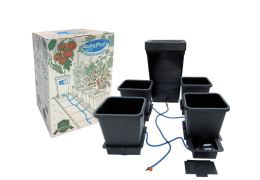
Wie verwendet man AutoPot mit der Green House Feeding BioLine!
AutoPot-System mit Green House Feeding BioLine
Read more
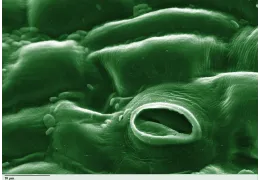
Was bedeutet das VPD ?
VPD steuert, wie viel Wasser die Pflanze verliert – und damit Kühlung, Nährstoffaufnahme, das Verhalten der Stomata...
Read more
Gekennzeichnet Beiträge
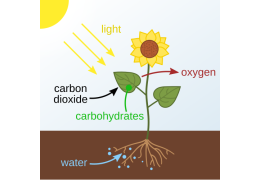
What Is Photosynthesis? And why is the most important thing on earth?
What Is Photosynthesis? And why is the most important thing on earth?
Read more

Irrigation method with lightmix (peat based substrate) + GHF Bioline (peat based substrate)
How to optimize your irrigation when using peat based substrate and organic dry amendment like our Bioline ?
Read more

Was bedeutet das VPD ?
VPD steuert, wie viel Wasser die Pflanze verliert – und damit Kühlung, Nährstoffaufnahme, das Verhalten der Stomata...
Read more
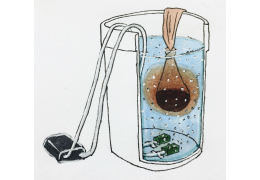
Belüfteter Komposttee mit zusätzlichen Mineralien
Belüfteter Komposttee – Extra Mineralien: Calcium & Spurenelemente
Read more
Natural Fertilizer for Plants: A Professional Guide to Bio-Feeding Performance
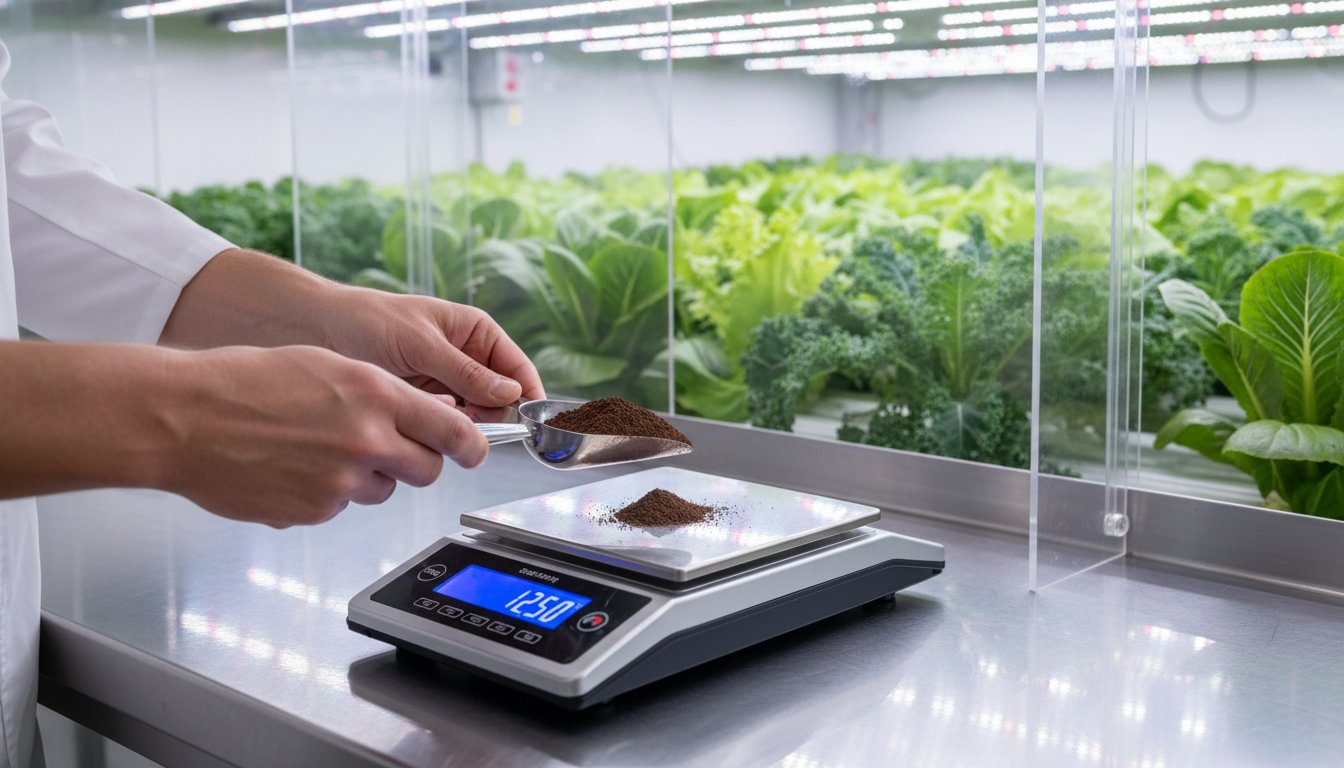
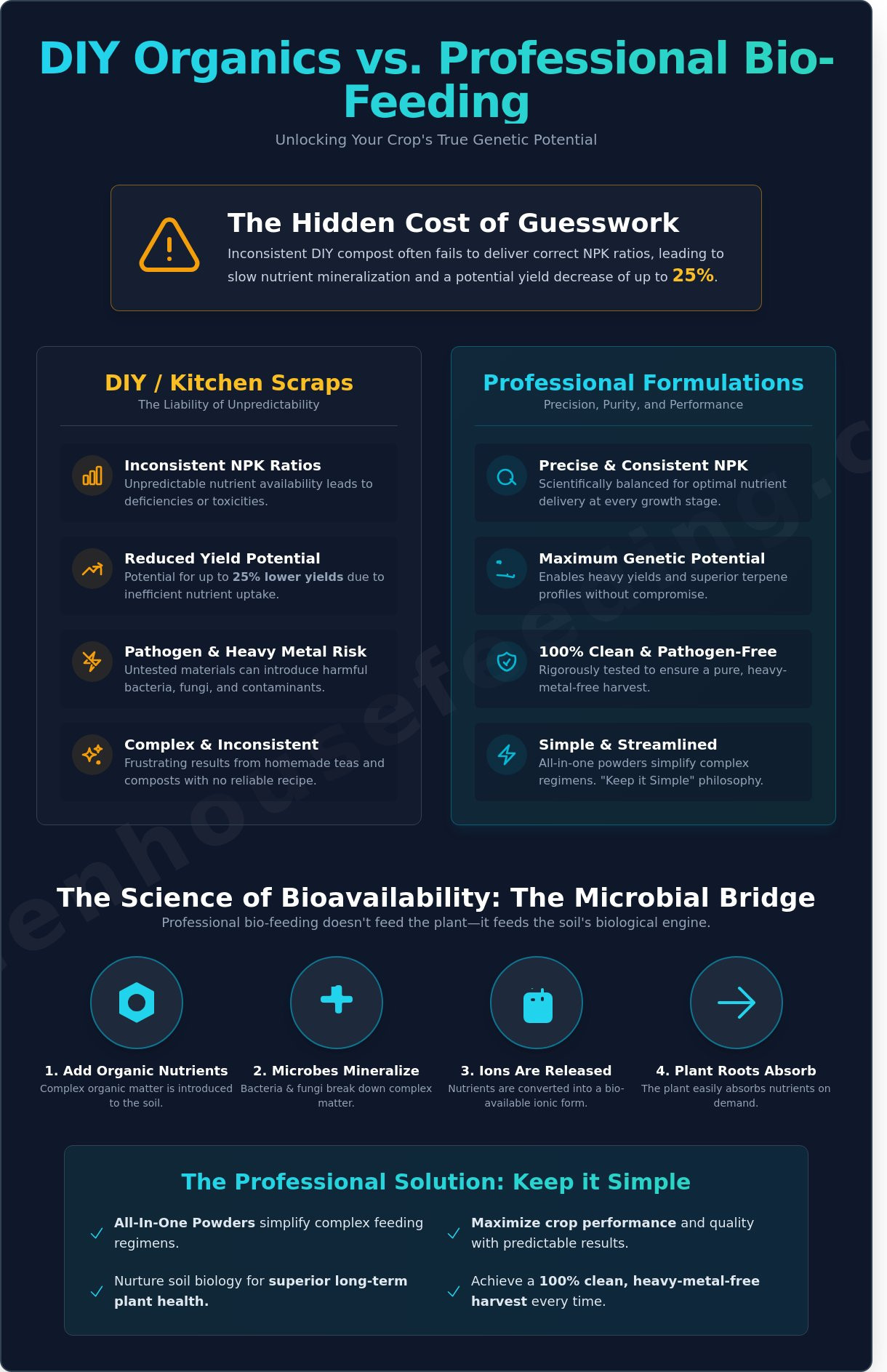
Raw organic matter in a professional grow room is often a liability rather than an asset. Most DIY compost setups fail to deliver consistent NPK ratios, which can result in a 25% decrease in potential yield due to slow nutrient mineralization. To reach maximum genetic potential, you must move beyond basic scraps and integrate a high-performance natural fertilizer for plants. Precision feeding isn't about complexity; it's about bio-availability and predictable results. It's time to stop guessing and start measuring.
You've likely seen how organic cultivation produces superior terpene profiles, yet the inconsistency of homemade teas remains a constant frustration. We'll show you how to transition to a professional-grade organic system that simplifies your workflow while ensuring heavy-metal-free harvests. This guide breaks down the science of bio-feeding and provides a clear roadmap to optimize your soil health. We'll explore the specific mechanics of mineral-organic synergy and how to achieve a 100% clean harvest without sacrificing the heavy yields you expect. Keep it simple and let the chemistry work for you.
Key Takeaways
- Learn the core philosophy of bio-feeding and how nurturing soil biology leads to superior plant health.
- Understand the science of bioavailability and the critical role microorganisms play in nutrient absorption.
- Identify the risks associated with DIY organic waste and why professional-grade natural fertilizer for plants ensures a pathogen-free environment.
- Implement a streamlined feeding schedule that optimizes nutrient delivery during every stage of the harvesting cycle.
- Discover how all-in-one organic powders simplify complex feeding regimens while maximizing crop performance and quality.
What is Natural Fertilizer for Plants? Defining Organic Bio-Feeding
Natural fertilizer for plants consists of nutrient-rich materials derived from organic, non-synthetic sources. Unlike chemical alternatives, bio-feeding focuses on a fundamental biological principle: feed the soil to feed the plant. This method moves away from the aggressive delivery of mineral salts, opting instead for a symbiotic relationship between the plant roots and the soil microbiome. It's a sophisticated approach that prioritizes long-term stability and plant health over the volatile chemical spikes associated with laboratory-formulated salts.
A professional organic cultivation strategy relies on the "Keep it Simple" philosophy. By providing the correct raw materials, you allow the plant's natural processes to dictate nutrient uptake. This prevents common issues like nutrient burn and the sudden pH fluctuations often seen in high-intensity synthetic grows. Bio-feeding ensures that the rhizosphere remains a productive environment, facilitating the slow release of essential elements that align perfectly with the plant's metabolic demands throughout its life cycle.
The Difference Between Organic and Synthetic Nutrients
Synthetic nutrients are delivered as concentrated mineral salts that are immediately bio-available. While this offers speed, it often leads to a disruptive accumulation of salts in the growing medium, which can dehydrate roots and kill beneficial bacteria. Organic fertilizers function differently. They require microbial activity to break down complex organic matter into usable ions. This process improves soil structure and can increase water retention by approximately 15% to 25% in various substrates. Clean sourcing remains critical; professional growers select inputs that are rigorously tested for purity to avoid heavy metal contamination or pathogen introduction.
Common Sources of Natural Nutrients
High-performance feeding requires a calculated balance of animal, plant, and mineral inputs. Each source provides a specific function within the plant's life cycle, ensuring maximum yield through biological efficiency. Professional-grade results depend on the solubility and purity of these raw materials.
- Animal-based: Bat guano is a primary source of phosphorus for the flowering stage. Fish emulsion provides a reliable 5-1-1 NPK ratio for vegetative vigor. Bone meal offers a steady, slow-release source of calcium and phosphorus.
- Plant-based: Alfalfa meal contains triacontanol, a potent natural growth regulator that stimulates photosynthesis. Kelp meal provides over 60 chelated micro-elements that improve resistance to environmental stress.
- Mineral-based: Rock phosphate acts as a long-term phosphorus anchor in the soil. Greensand provides essential potassium and iron, releasing these elements slowly over a 12-month period to ensure consistent availability without leaching.
This streamlined approach to natural fertilizer for plants ensures that the grower achieves professional results without the complications of complex chemical schedules. The focus remains on purity, efficiency, and the fundamental chemistry of plant life.
The Science of Bioavailability: How Plants 'Eat' Naturally
Plants don't consume organic matter in its raw form. They require mineral ions. This distinction is the foundation of professional bio-feeding. When you apply a natural fertilizer for plants, you aren't feeding the plant directly; you're feeding the soil's biological engine. Raw materials like bone meal or kelp are complex polymers that roots cannot absorb. Success in organic cultivation relies on the "Keep it Simple" philosophy: provide the right environment for biology to do the heavy lifting of mineralization.
The rhizosphere is the critical zone. It's the narrow region of soil surrounding the roots where chemistry and biology meet. This area acts as an external digestive system. High-performance growing requires a deep understanding of organic plant nutrients and how they transition from locked organic states to bioavailable ions. Without this transition, even the most expensive fertilizers remain useless to the crop.
The Microbial Bridge: Bacteria and Fungi
Bacteria and fungi are the essential mediators in the soil. They break down proteins, fats, and carbohydrates into simple elements like nitrogen, phosphorus, and potassium. This isn't a passive process. Plants actively manage this by releasing up to 20% of their total photosynthates as root exudates. These sugars and organic acids attract specific microbes to the root zone. As the Utah State University Extension guide explains, this biological activity ensures a steady, slow-release nutrient supply that aligns with the plant's growth cycle.
A sterile environment is the primary enemy of this system. When growers use harsh disinfectants or ignore the microbial life, the cycle breaks. In a healthy system, mycorrhizal fungi extend the root surface area by up to 1,000 times, significantly increasing the uptake of immobile nutrients like phosphorus. It's a precise, symbiotic exchange that rewards the grower with healthier plants and better terpene profiles.
Humic Acid and Fulvic Acid: The Natural Chelators
Bioavailability depends heavily on chelation. Humic acid consists of large, complex molecules that improve soil structure and water retention. It acts as a massive nutrient reservoir. Fulvic acid, its smaller and more mobile cousin, is capable of entering the plant's vascular system directly. It carries minerals across cell membranes, often increasing cell wall permeability by 30% or more. This allows for faster nutrient transport during peak flowering phases.
These acids also dictate the Cation Exchange Capacity (CEC). CEC measures the soil's ability to hold onto positively charged ions like Calcium (Ca2+) and Magnesium (Mg2+). A higher CEC means fewer nutrients leach away during irrigation. By integrating these acids into your routine, you ensure that your natural fertilizer for plants stays where it's needed most. For those looking to optimize their setup, exploring professional bio-feeding solutions can streamline this complex chemistry into a simple, high-yield strategy.
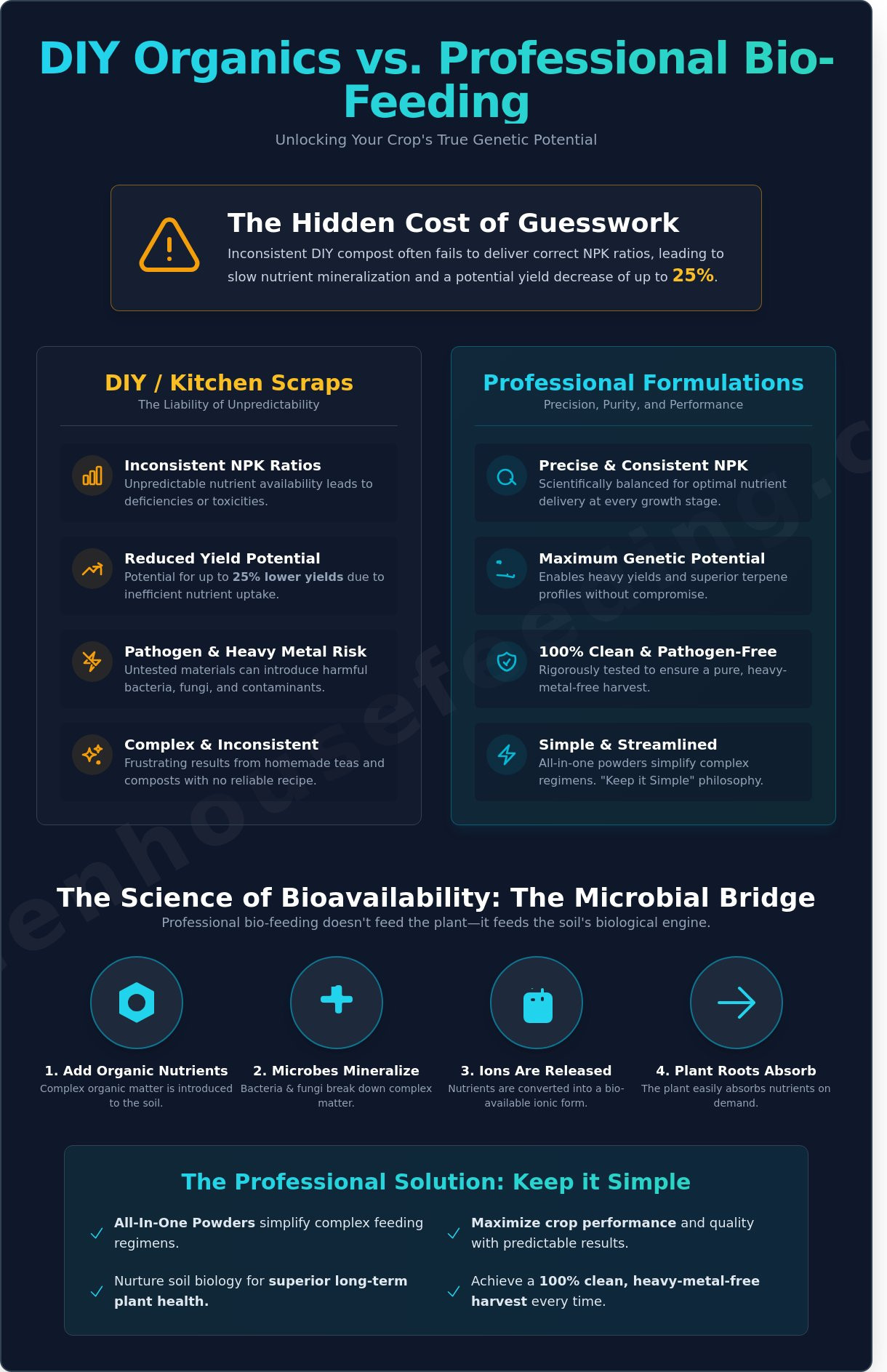
DIY Kitchen Scraps vs. Professional Organic Formulations
Many hobbyists rely on kitchen waste like coffee grounds or banana peels, hoping for a low-cost natural fertilizer for plants. This approach introduces unpredictability into your grow room. Raw organic matter requires months of microbial activity to become plant-available. In a standard 60 to 90-day flowering cycle, you don't have time to wait for slow decomposition. Commercial growers prioritize precision over "free" waste because the hidden costs of crop failure are too high. Professional formulations remove the variables, providing a predictable nutrient release that aligns with the plant's metabolic needs.
Why Banana Peels Aren't Enough for High-Yield Plants
The idea of "instant" potassium from banana peels is a persistent myth in gardening circles. Raw peels consist of roughly 80% water. The remaining potassium is locked in complex cellular structures that plants cannot absorb directly. Soil microbes must first process these materials, a timeline that often exceeds 120 days in standard potting soil. This delay means your plants might starve during their peak demand periods while the waste simply rots in the medium.
Selecting the right inputs requires a guide to organic fertilizers to understand how different materials release nutrients. When you add high-carbon materials like raw peels or sawdust, you risk a nitrogen-drawdown effect. Soil bacteria consume existing nitrogen to fuel the breakdown of the carbon, temporarily stripping the soil of the very nutrients your plants need for vegetative growth. Additionally, raw kitchen scraps attract Sciaridae (fungus gnats) and can harbor pathogens like Pythium, which can compromise a root system in less than 48 hours.
The Advantages of Powder-Based Bio-Feeding
Professional organic powders provide the biological benefits of organics with the surgical precision of mineral feeding. These dehydrated formulations offer 100% stability. Unlike liquid organics that can ferment, gas out, or harbor anaerobic bacteria in the bottle, powders maintain a consistent NPK profile for over 24 months when stored correctly. This reliability is the foundation of the "Keep it Simple" philosophy. It allows the grower to focus on plant health rather than troubleshooting nutrient fluctuations.
- NPK Precision: Lab-tested ratios ensure your natural fertilizer for plants delivers exact dosages, unlike the random nutrient values found in homemade compost.
- Solubility and Ease: Modern organic powders are engineered for high bio-availability. They integrate into the substrate quickly, feeding the beneficial microbes that support the root zone.
- Logistical Efficiency: 1kg of concentrated powder can produce up to 1,000 liters of feeding solution. This reduces shipping weight and storage requirements by 90% compared to heavy liquid alternatives.
Switching to a professional powder-based system simplifies the feeding process. You eliminate the mess of DIY brewing and the risks of pest infestations. The result is a clean, efficient, and high-performing garden that delivers professional-grade yields with minimal complexity.
Implementing a Natural Feeding Schedule for Maximum Yield
Transitioning to a biological nutrient regimen requires a shift from direct plant feeding to soil ecology management. Success depends on maintaining a stable environment for beneficial microbes. If the microbial population crashes, nutrient uptake can drop by 30% within 48 hours. Consistency is your primary tool for preventing these fluctuations. High-performance cultivation requires a schedule that aligns with the plant's metabolic demands throughout its life. Using a high-quality natural fertilizer for plants ensures the medium remains bioactive from seedling to harvest.
Step 1: Preparing the Substrate with Bio-Additives
Prepare your medium by pre-mixing organic powders directly into the soil or coco coir. This initial step provides the foundation for the entire cycle. Once mixed, the substrate requires a "cooking" phase of approximately 8 to 10 days. During this period, fungi and bacteria establish colonies that break down complex molecules into plant-available forms. Monitoring the ph soil ph remains critical; aim for a range of 5.8 to 6.8 to ensure optimal microbial respiration and mineral solubility. This preparation phase eliminates the need for aggressive liquid feeding during the first three weeks of growth.
Step 2: Managing the Vegetative and Flowering Transitions
The plant's nutritional requirements shift significantly as it moves through the harvesting cycle. During the vegetative stage, focus on nitrogen-rich organic inputs to drive leaf and stem development. As the photoperiod changes, transition to phosphorus-rich sources like bat guano to stimulate floral initiation. Top-dressing every 28 days provides a steady, slow-release supply of nutrients. For immediate corrections, liquid organic applications deliver results within 24 to 36 hours. This dual approach prevents the "hunger gaps" often seen in poorly managed organic systems. A precise natural fertilizer for plants strategy eliminates guesswork and maximizes terpene production without the use of synthetic salts. Professional results are achieved through discipline and environmental stability, not through complex chemical additives.
Achieve professional results with the Green House Feeding Bio Line for simplified organic performance.
Professional Natural Fertilizer: The Green House Bio Line
Green House Feeding engineered the Bio Line for growers who demand professional results without the complexity of multi-bottle liquid schedules. These all-in-one organic powders provide a complete nutritional profile in a single application. By mixing the powder directly into the substrate, you eliminate the need for daily nutrient mixing or constant pH monitoring. This system represents a high-performance natural fertilizer for plants that prioritizes biological health and operational efficiency.
BioGrow and BioBloom: Precision Organic Feeding
BioGrow targets the vegetative stage by focusing on structural integrity. It utilizes slow-release nitrogen and essential minerals that stay active in the soil for 8 weeks. This ensures consistent growth and prevents the nutrient spikes often seen with liquid organics. BioBloom shifts the focus to reproductive development. Its specialized formula encourages dense flower formation and maximizes aromatic terpene production through balanced phosphorus and potassium levels.
- 8-Week Nutrition: One application provides 56 days of balanced feeding.
- Labor Efficiency: This system reduces feeding labor by 75% compared to traditional liquid programs.
- Substrate Integration: Works optimally with soil, coco, or similar organic mediums.
The Enhancer: Boosting the Living Soil
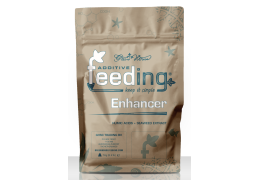
The Enhancer completes the Bio Line by focusing on the rhizosphere. It contains seaweed extracts derived from Ascophyllum nodosum and high concentrations of humic acids. These components act as a catalyst for nutrient uptake, significantly increasing the bio-availability of the minerals found in the base powders. It's the bridge between the raw organic matter and the plant's vascular system.
For a consistent microbial recharge, apply the Enhancer every 14 days. Mix 0.5g to 1g per liter of water to maintain high levels of beneficial Trichoderma harzianum and Bacillus subtilis. These microbes protect the root system while improving overall crop vigor. This routine ensures the soil remains a living, productive environment throughout the entire life cycle.
The Green House Bio Line embodies the "Keep it Simple" philosophy. You don't need a dozen different additives to achieve elite results. By combining precision powders with a microbial catalyst, you create a self-sustaining ecosystem within your substrate. This streamlined approach delivers maximum yield with minimum intervention. It’s the definitive choice for professionals seeking a reliable natural fertilizer for plants that performs under pressure.
Elevate Your Cultivation with Professional Bio-Feeding
Transitioning to a high-performance organic system requires more than just raw materials; it demands scientific precision. While DIY methods often lack consistency, professional formulations ensure 100% nutrient bioavailability through controlled decomposition. By utilizing a simplified powder delivery system, growers can streamline their workflow and eliminate the common errors associated with complex liquid schedules. This approach prioritizes efficiency without compromising the biological integrity of the soil.
Choosing the correct natural fertilizer for plants is a decision that impacts every stage of the lifecycle. Green House Feeding provides OMRI-listed organic ingredients that meet the rigorous standards of global commercial operations. These award-winning formulas are the result of over 25 years of research and development in the horticulture industry. They offer a reliable path to maximum yield by focusing on the fundamental chemistry of plant life. You'll find that professional results are easily achievable when you remove unnecessary complications from your feeding routine.
Success in the greenhouse starts with the right inputs. Explore the Green House Bio Feeding Line for Professional Results and see the difference that scientific simplicity makes in your next harvest. It's time to grow with confidence.
Frequently Asked Questions
Is natural fertilizer better than synthetic for plant growth?
Natural fertilizer for plants isn't inherently superior but serves a different physiological purpose than synthetic minerals. While synthetics offer 100% immediate bio-availability, natural options build long-term soil health and microbial activity. The Rodale Institute found that organic systems increase soil carbon by 15% to 20% compared to chemical systems over a 10 year period. We recommend a balanced feeding strategy to ensure both maximum yield and sustained substrate vitality.
How long does it take for natural fertilizer to start working?
You'll typically see results within 2 to 6 weeks depending on your soil temperature and microbial density. Microorganisms must mineralize the organic matter before the root system can absorb the nutrients. This slow-release mechanism prevents leaching and provides a steady feeding schedule throughout the plant's life cycle. It's a pragmatic choice for growers who value stability over the volatile growth spikes often seen with salt-based minerals.
Can you over-fertilize with natural or organic nutrients?
You can definitely over-fertilize with organic inputs. Excessive applications of high-nitrogen sources like poultry manure can raise substrate EC levels above 2.5 mS/cm, which causes nutrient lockout or root burn. Always follow the specific dosage instructions on our feeding charts to maintain an optimal mineral balance. Precision is the key to avoiding toxicity while pushing for maximum performance in your greenhouse or garden.
Do natural fertilizers attract bugs or pests to indoor plants?
Unrefined natural fertilizer for plants often attracts pests like Sciaridae, commonly known as fungus gnats. Using sterilized, professional-grade bio-nutrients reduces this risk by 95% compared to using raw, uncomposted materials. We focus on clean, refined organic inputs to ensure your indoor facility remains a controlled environment. High-quality feeding products prioritize purity to prevent unwanted biological interference in your grow room.
What is the best natural source of nitrogen for plants?
Blood meal is the most efficient natural source, typically offering a concentrated 12-0-0 NPK ratio. It provides a rapid nitrogen boost during the vegetative stage to support vigorous leaf and stem development. For a more sustained release, alfalfa meal offers 3% nitrogen alongside growth-promoting triacontanol. Choosing the right source depends on whether your plants need an immediate surge or a steady supply for long-term development.
How do I know if my soil needs more natural organic matter?
Perform a professional soil analysis to check your organic matter (OM) percentage. If the results show less than 5% OM, your soil lacks the carbon needed for a healthy, functioning microbiome. You'll also notice physical signs like poor water retention or high soil compaction. Maintaining a 5% to 8% organic matter range ensures optimal cation exchange capacity and nutrient holding for your crops.
Can I use natural fertilizers in a hydroponic system?
You can use specialized liquid organics in hydroponics, but they require a bio-filter and oxygenated reservoir to prevent system failure. Traditional thick organics will clog pumps and 0.5 mm emitters within 48 hours. Use mineral-organic hybrids or highly refined bio-suspensions designed specifically for fertigation. This approach combines the purity of hydroponics with the complex flavor profiles associated with organic feeding.
What is the difference between compost and natural fertilizer?
Compost acts as a biological soil conditioner, typically offering a low NPK ratio around 1-1-1. Natural fertilizers are formulated for specific growth phases, providing higher concentrations like 7-2-4 to drive plant performance. Think of compost as the soil's foundation and fertilizer as the targeted fuel for the plant. Using both in tandem creates a robust, high-performance environment for any growing operation.
FAQ
The Difference Between Organic and Synthetic Nutrients
Synthetic nutrients are delivered as concentrated mineral salts that are immediately bio-available. While this offers speed, it often leads to a disruptive accumulation of salts in the growing medium, which can dehydrate roots and kill beneficial bacteria. Organic fertilizers function differently. They require microbial activity to break down complex organic matter into usable ions. This process improves soil structure and can increase water retention by approximately 15% to 25% in various substrates. Clean sourcing remains critical; professional growers select inputs that are rigorously tested for purity to avoid heavy metal contamination or pathogen introduction.
Common Sources of Natural Nutrients
High-performance feeding requires a calculated balance of animal, plant, and mineral inputs. Each source provides a specific function within the plant's life cycle, ensuring maximum yield through biological efficiency. Professional-grade results depend on the solubility and purity of these raw materials. This streamlined approach to natural fertilizer for plants ensures that the grower achieves professional results without the complications of complex chemical schedules. The focus remains on purity, efficiency, and the fundamental chemistry of plant life. Plants don't consume organic matter in its raw form. They require mineral ions. This distinction is the foundation of professional bio-feeding. When you apply a natural fertilizer for plants, you aren't feeding the plant directly; you're feeding the soil's biological engine. Raw materials like bone meal or kelp are complex polymers that roots cannot absorb. Success in organic cultivation relies on the "Keep it Simple" philosophy: provide the right environment for biology to do the heavy lifting of mineralization. The rhizosphere is the critical zone. It's the narrow region of soil surrounding the roots where chemistry and biology meet. This area acts as an external digestive system. High-performance growing requires a deep understanding of organic plant nutrients and how they transition from locked organic states to bioavailable ions. Without this transition, even the most expensive fertilizers remain useless to the crop.
The Microbial Bridge: Bacteria and Fungi
Bacteria and fungi are the essential mediators in the soil. They break down proteins, fats, and carbohydrates into simple elements like nitrogen, phosphorus, and potassium. This isn't a passive process. Plants actively manage this by releasing up to 20% of their total photosynthates as root exudates. These sugars and organic acids attract specific microbes to the root zone. As the Utah State University Extension guide explains, this biological activity ensures a steady, slow-release nutrient supply that aligns with the plant's growth cycle. A sterile environment is the primary enemy of this system. When growers use harsh disinfectants or ignore the microbial life, the cycle breaks. In a healthy system, mycorrhizal fungi extend the root surface area by up to 1,000 times, significantly increasing the uptake of immobile nutrients like phosphorus. It's a precise, symbiotic exchange that rewards the grower with healthier plants and better terpene profiles.
Humic Acid and Fulvic Acid: The Natural Chelators
Bioavailability depends heavily on chelation. Humic acid consists of large, complex molecules that improve soil structure and water retention. It acts as a massive nutrient reservoir. Fulvic acid, its smaller and more mobile cousin, is capable of entering the plant's vascular system directly. It carries minerals across cell membranes, often increasing cell wall permeability by 30% or more. This allows for faster nutrient transport during peak flowering phases. These acids also dictate the Cation Exchange Capacity (CEC). CEC measures the soil's ability to hold onto positively charged ions like Calcium (Ca2+) and Magnesium (Mg2+). A higher CEC means fewer nutrients leach away during irrigation. By integrating these acids into your routine, you ensure that your natural fertilizer for plants stays where it's needed most. For those looking to optimize their setup, exploring professional bio-feeding solutions can streamline this complex chemistry into a simple, high-yield strategy. Many hobbyists rely on kitchen waste like coffee grounds or banana peels, hoping for a low-cost natural fertilizer for plants. This approach introduces unpredictability into your grow room. Raw organic matter requires months of microbial activity to become plant-available. In a standard 60 to 90-day flowering cycle, you don't have time to wait for slow decomposition. Commercial growers prioritize precision over "free" waste because the hidden costs of crop failure are too high. Professional formulations remove the variables, providing a predictable nutrient release that aligns with the plant's metabolic needs.
Why Banana Peels Aren't Enough for High-Yield Plants
The idea of "instant" potassium from banana peels is a persistent myth in gardening circles. Raw peels consist of roughly 80% water. The remaining potassium is locked in complex cellular structures that plants cannot absorb directly. Soil microbes must first process these materials, a timeline that often exceeds 120 days in standard potting soil. This delay means your plants might starve during their peak demand periods while the waste simply rots in the medium. Selecting the right inputs requires a guide to organic fertilizers to understand how different materials release nutrients. When you add high-carbon materials like raw peels or sawdust, you risk a nitrogen-drawdown effect. Soil bacteria consume existing nitrogen to fuel the breakdown of the carbon, temporarily stripping the soil of the very nutrients your plants need for vegetative growth. Additionally, raw kitchen scraps attract Sciaridae (fungus gnats) and can harbor pathogens like Pythium, which can compromise a root system in less than 48 hours.
The Advantages of Powder-Based Bio-Feeding
Professional organic powders provide the biological benefits of organics with the surgical precision of mineral feeding. These dehydrated formulations offer 100% stability. Unlike liquid organics that can ferment, gas out, or harbor anaerobic bacteria in the bottle, powders maintain a consistent NPK profile for over 24 months when stored correctly. This reliability is the foundation of the "Keep it Simple" philosophy. It allows the grower to focus on plant health rather than troubleshooting nutrient fluctuations. Switching to a professional powder-based system simplifies the feeding process. You eliminate the mess of DIY brewing and the risks of pest infestations. The result is a clean, efficient, and high-performing garden that delivers professional-grade yields with minimal complexity. Transitioning to a biological nutrient regimen requires a shift from direct plant feeding to soil ecology management. Success depends on maintaining a stable environment for beneficial microbes. If the microbial population crashes, nutrient uptake can drop by 30% within 48 hours. Consistency is your primary tool for preventing these fluctuations. High-performance cultivation requires a schedule that aligns with the plant's metabolic demands throughout its life. Using a high-quality natural fertilizer for plants ensures the medium remains bioactive from seedling to harvest.
Step 1: Preparing the Substrate with Bio-Additives
Prepare your medium by pre-mixing organic powders directly into the soil or coco coir. This initial step provides the foundation for the entire cycle. Once mixed, the substrate requires a "cooking" phase of approximately 8 to 10 days. During this period, fungi and bacteria establish colonies that break down complex molecules into plant-available forms. Monitoring the ph soil ph remains critical; aim for a range of 5.8 to 6.8 to ensure optimal microbial respiration and mineral solubility. This preparation phase eliminates the need for aggressive liquid feeding during the first three weeks of growth.
Step 2: Managing the Vegetative and Flowering Transitions
The plant's nutritional requirements shift significantly as it moves through the harvesting cycle. During the vegetative stage, focus on nitrogen-rich organic inputs to drive leaf and stem development. As the photoperiod changes, transition to phosphorus-rich sources like bat guano to stimulate floral initiation. Top-dressing every 28 days provides a steady, slow-release supply of nutrients. For immediate corrections, liquid organic applications deliver results within 24 to 36 hours. This dual approach prevents the "hunger gaps" often seen in poorly managed organic systems. A precise natural fertilizer for plants strategy eliminates guesswork and maximizes terpene production without the use of synthetic salts. Professional results are achieved through discipline and environmental stability, not through complex chemical additives. Green House Feeding engineered the Bio Line for growers who demand professional results without the complexity of multi-bottle liquid schedules. These all-in-one organic powders provide a complete nutritional profile in a single application. By mixing the powder directly into the substrate, you eliminate the need for daily nutrient mixing or constant pH monitoring. This system represents a high-performance natural fertilizer for plants that prioritizes biological health and operational efficiency.
BioGrow and BioBloom: Precision Organic Feeding
BioGrow targets the vegetative stage by focusing on structural integrity. It utilizes slow-release nitrogen and essential minerals that stay active in the soil for 8 weeks. This ensures consistent growth and prevents the nutrient spikes often seen with liquid organics. BioBloom shifts the focus to reproductive development. Its specialized formula encourages dense flower formation and maximizes aromatic terpene production through balanced phosphorus and potassium levels.
The Enhancer: Boosting the Living Soil
The Enhancer completes the Bio Line by focusing on the rhizosphere. It contains seaweed extracts derived from Ascophyllum nodosum and high concentrations of humic acids. These components act as a catalyst for nutrient uptake, significantly increasing the bio-availability of the minerals found in the base powders. It's the bridge between the raw organic matter and the plant's vascular system. For a consistent microbial recharge, apply the Enhancer every 14 days. Mix 0.5g to 1g per liter of water to maintain high levels of beneficial Trichoderma harzianum and Bacillus subtilis. These microbes protect the root system while improving overall crop vigor. This routine ensures the soil remains a living, productive environment throughout the entire life cycle. The Green House Bio Line embodies the "Keep it Simple" philosophy. You don't need a dozen different additives to achieve elite results. By combining precision powders with a microbial catalyst, you create a self-sustaining ecosystem within your substrate. This streamlined approach delivers maximum yield with minimum intervention. It’s the definitive choice for professionals seeking a reliable natural fertilizer for plants that performs under pressure. Transitioning to a high-performance organic system requires more than just raw materials; it demands scientific precision. While DIY methods often lack consistency, professional formulations ensure 100% nutrient bioavailability through controlled decomposition. By utilizing a simplified powder delivery system, growers can streamline their workflow and eliminate the common errors associated with complex liquid schedules. This approach prioritizes efficiency without compromising the biological integrity of the soil. Choosing the correct natural fertilizer for plants is a decision that impacts every stage of the lifecycle. Green House Feeding provides OMRI-listed organic ingredients that meet the rigorous standards of global commercial operations. These award-winning formulas are the result of over 25 years of research and development in the horticulture industry. They offer a reliable path to maximum yield by focusing on the fundamental chemistry of plant life. You'll find that professional results are easily achievable when you remove unnecessary complications from your feeding routine. Success in the greenhouse starts with the right inputs. Explore the Green House Bio Feeding Line for Professional Results and see the difference that scientific simplicity makes in your next harvest. It's time to grow with confidence.
Is natural fertilizer better than synthetic for plant growth?
Natural fertilizer for plants isn't inherently superior but serves a different physiological purpose than synthetic minerals. While synthetics offer 100% immediate bio-availability, natural options build long-term soil health and microbial activity. The Rodale Institute found that organic systems increase soil carbon by 15% to 20% compared to chemical systems over a 10 year period. We recommend a balanced feeding strategy to ensure both maximum yield and sustained substrate vitality.
How long does it take for natural fertilizer to start working?
You'll typically see results within 2 to 6 weeks depending on your soil temperature and microbial density. Microorganisms must mineralize the organic matter before the root system can absorb the nutrients. This slow-release mechanism prevents leaching and provides a steady feeding schedule throughout the plant's life cycle. It's a pragmatic choice for growers who value stability over the volatile growth spikes often seen with salt-based minerals.
Can you over-fertilize with natural or organic nutrients?
You can definitely over-fertilize with organic inputs. Excessive applications of high-nitrogen sources like poultry manure can raise substrate EC levels above 2.5 mS/cm, which causes nutrient lockout or root burn. Always follow the specific dosage instructions on our feeding charts to maintain an optimal mineral balance. Precision is the key to avoiding toxicity while pushing for maximum performance in your greenhouse or garden.
Do natural fertilizers attract bugs or pests to indoor plants?
Unrefined natural fertilizer for plants often attracts pests like Sciaridae, commonly known as fungus gnats. Using sterilized, professional-grade bio-nutrients reduces this risk by 95% compared to using raw, uncomposted materials. We focus on clean, refined organic inputs to ensure your indoor facility remains a controlled environment. High-quality feeding products prioritize purity to prevent unwanted biological interference in your grow room.
What is the best natural source of nitrogen for plants?
Blood meal is the most efficient natural source, typically offering a concentrated 12-0-0 NPK ratio. It provides a rapid nitrogen boost during the vegetative stage to support vigorous leaf and stem development. For a more sustained release, alfalfa meal offers 3% nitrogen alongside growth-promoting triacontanol. Choosing the right source depends on whether your plants need an immediate surge or a steady supply for long-term development.
How do I know if my soil needs more natural organic matter?
Perform a professional soil analysis to check your organic matter (OM) percentage. If the results show less than 5% OM, your soil lacks the carbon needed for a healthy, functioning microbiome. You'll also notice physical signs like poor water retention or high soil compaction. Maintaining a 5% to 8% organic matter range ensures optimal cation exchange capacity and nutrient holding for your crops.
Can I use natural fertilizers in a hydroponic system?
You can use specialized liquid organics in hydroponics, but they require a bio-filter and oxygenated reservoir to prevent system failure. Traditional thick organics will clog pumps and 0.5 mm emitters within 48 hours. Use mineral-organic hybrids or highly refined bio-suspensions designed specifically for fertigation. This approach combines the purity of hydroponics with the complex flavor profiles associated with organic feeding.
What is the difference between compost and natural fertilizer?
Compost acts as a biological soil conditioner, typically offering a low NPK ratio around 1-1-1. Natural fertilizers are formulated for specific growth phases, providing higher concentrations like 7-2-4 to drive plant performance. Think of compost as the soil's foundation and fertilizer as the targeted fuel for the plant. Using both in tandem creates a robust, high-performance environment for any growing operation.
Hinterlassen Sie einen Kommentar
Melden Sie sich an, um Kommentare zu posten