

 English
 Español
Why are you still measuring success by bud volume when roughly 72% of a plant's market value is determined by the...
Suche im Blog
Blog-Kategorien
Neueste Beiträge
Improving Trichome Production: A Professional Guide to Maximum Resin
Read more
The Best Complete Plant Nutrient Starter Pack: A Guide for Simplified Success
Read more
Complexity is the primary cause of failure in modern cultivation. While many brands suggest that a 12-bottle regime...
What is PPM? A Precision Guide to Nutrient Concentration for Growers
Read more
What if the line between a thriving crop and a burnt-out failure was a single, measurable number? You've followed the...

What Does a Plant Need to Survive and Grow? The 5 Pillars of Cultivation
Read more
Your plants don't need a complex cocktail of additives to thrive. In fact, over 60% of common cultivation issues like...

Fertilizer for Cannabis Plants: The Expert Guide to Optimal Feeding
Read more
Complex, multi-bottle nutrient lines are the single biggest point of failure for professional and hobbyist growers...
Beliebte Beiträge


Wie verwendet man AutoPot mit der Green House Feeding BioLine!
AutoPot-System mit Green House Feeding BioLine
Read more
Was bedeutet das VPD ?
VPD steuert, wie viel Wasser die Pflanze verliert – und damit Kühlung, Nährstoffaufnahme, das Verhalten der Stomata...
Read more


Wie verwendet man AutoPot mit der Greenhouse-Feeding-Mineral-Linie?
Wie verwendet man AutoPot mit der Greenhouse-Feeding-Mineral-Linie?
Read more
Gekennzeichnet Beiträge
What Is Photosynthesis? And why is the most important thing on earth?
What Is Photosynthesis? And why is the most important thing on earth?
Read more

Irrigation method with lightmix (peat based substrate) + GHF Bioline (peat based substrate)
How to optimize your irrigation when using peat based substrate and organic dry amendment like our Bioline ?
Read more
Was bedeutet das VPD ?
VPD steuert, wie viel Wasser die Pflanze verliert – und damit Kühlung, Nährstoffaufnahme, das Verhalten der Stomata...
Read more
Belüfteter Komposttee mit zusätzlichen Mineralien
Belüfteter Komposttee – Extra Mineralien: Calcium & Spurenelemente
Read more
Improving Trichome Production: A Professional Guide to Maximum Resin
Why are you still measuring success by bud volume when roughly 72% of a plant's market value is determined by the secondary metabolites found within its resin glands? You've likely mastered the art of growing large flowers, yet you're still seeing low resin coverage and a lack of that essential, pungent aroma. It's a common frustration to follow a complex 12-part nutrient chart only to end up with buds that look impressive but test poorly in the lab. Improving trichome production isn't about adding more bottles to your shelf; it's about surgical precision in your mineral ratios and environmental control.
We've engineered this guide to show you the exact nutritional adjustments needed to push your plants to their absolute genetic limit. You'll learn how a specific 4-degree temperature drop and targeted phosphorus-potassium levels can increase terpene density by up to 20% in the final three weeks of bloom. We're stripping away the confusion of "bloom boosters" to provide a simplified, professional protocol for maximum resin. This article outlines the fundamental botanical science required to achieve sticky, resin-coated flowers and higher cannabinoid test results without unnecessary complications.
Key Takeaways
- Understand the biological function of trichomes to effectively drive resin and terpene synthesis.
- Master the metabolic shift toward Phosphorus and Potassium while avoiding late-stage Nitrogen excess for improving trichome production.
- Implement environmental triggers like UV-B exposure and "cold finishing" to maximize natural plant defenses and terpene preservation.
- Identify the exact visual window for peak potency by monitoring glandular color changes to ensure a professional-grade harvest.
- Apply the Green House Feeding protocol using Booster PK+ and Bio Enhancer for simplified, high-performance resin yields.
Understanding Trichomes: The Science of Resin Production
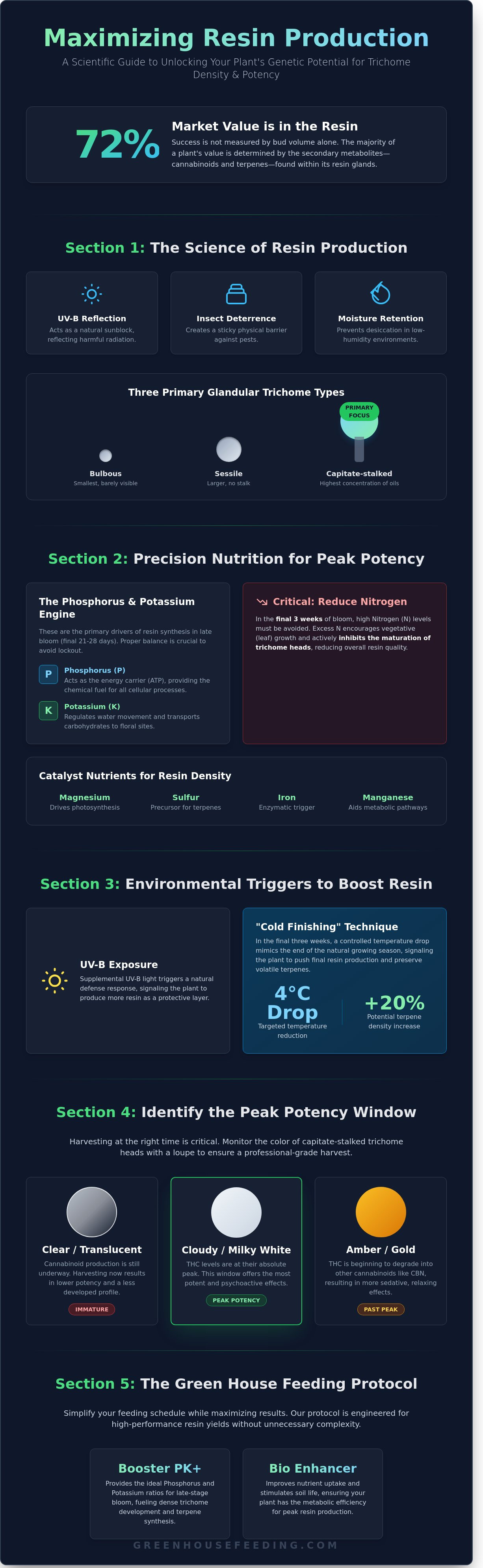
Trichomes are specialized glandular appendages that function as the plant’s chemical laboratory. These structures produce and store the secondary metabolites that define a crop's value. A trichome serves three primary biological roles: it reflects harmful UV-B radiation, deters insect predation via sticky physical barriers, and prevents desiccation in low-humidity environments. While every plant possesses these glands, improving trichome production requires a deep understanding of their morphology and function.
Growers must distinguish between the three primary types of glandular structures found on the plant:
- Bulbous: The smallest type, barely visible to the naked eye, scattered across the entire plant surface.
- Sessile: Larger glands that sit flush against the plant tissue without a prominent stalk.
- Capitate-stalked: The primary focus for resin extraction. These develop during the flowering stage and contain the highest concentration of essential oils and cannabinoids.
Genetics set the ceiling for resin potential, but cultivation practices determine the floor. A plant with elite DNA will still underperform if it lacks the mineral-organic balance required for metabolic efficiency.
The Role of Secondary Metabolites
Terpenes and cannabinoids accumulate within the secretory cavity at the apex of the resin head. This process is metabolically expensive. A plant allocates up to 20% of its total carbon energy to resin synthesis during peak bloom. If a plant is struggling with nutrient lock-out or environmental stress, resin production is the first system to suffer. Optimal feeding ensures the plant has the surplus energy required for these complex chemical compounds. Trichome maturity is reached when the capitate-stalked glands transition from translucent to a milky or amber opacity, signaling peak secondary metabolite accumulation.
Genetics vs. Environment
Genetics dictate the maximum potential or the "resin cap" of any given strain. You can't force a low-resin cultivar to exceed its biological limits. However, poor cultivation often results in plants hitting the "floor" of their potential. Professional growers identify high-resin phenotypes by observing the density of early resin glands on fan leaf petioles by day 21 of the flowering cycle. In commercial extraction settings, a 5% increase in resin coverage can result in a 15% higher yield of solventless concentrate. Selecting the right phenotype is the foundation of improving trichome production at scale.
Nutritional Strategies for Maximum Trichome Density
Trichome production is a resource-intensive metabolic process. To succeed in improving trichome production, you must transition the plant's focus from biomass accumulation to secondary metabolite synthesis. This shift requires a precise balance of minerals that fuel the enzymatic pathways responsible for resin and terpene development. Efficiency is the priority; the plant needs the right elements at the right time without the stress of nutrient excess.
The P-K Balance in Late Flowering
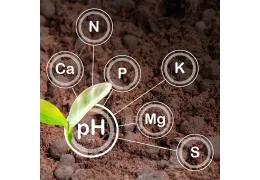
Phosphorus (P) and Potassium (K) are the primary drivers of resin synthesis. Phosphorus acts as the energy carrier through Adenosine Triphosphate (ATP), providing the chemical fuel for cellular processes. Potassium regulates water movement and the transport of carbohydrates to the floral sites. A deficiency in either element during the final 21 to 28 days of bloom results in small, under-developed glands. However, over-application leads to salt buildup and nutrient lockout. Maintain an Electrical Conductivity (EC) that aligns with your plant's specific life cycle to prevent resin-stunting toxicities. A "Keep it Simple" approach prevents the common mistake of stacking too many additives, which often disrupts mineral solubility.
Secondary Nutrients and Micronutrients
While P and K are vital, secondary nutrients and chelated micro-elements act as the catalysts for resin density. Magnesium serves as the central atom of chlorophyll, driving the photosynthetic energy required for resin. Sulfur is essential as a precursor for terpene and flavor molecules. Iron and manganese function as enzymatic triggers in the metabolic pathways that produce cannabinoids. Scientific literature regarding the environmental control of trichome patterning confirms that nutritional status directly influences how plants respond to external stimuli. Ensure all micronutrients are chelated to maintain bio-availability, especially if your pH fluctuates slightly outside the ideal 5.8 to 6.2 range.
- Nitrogen Control: Reduce Nitrogen (N) in the final 3 weeks. High N levels encourage leaf growth and can inhibit the maturation of trichome heads.
- Bio-availability: Nutrients are useless if the plant can't absorb them. Monitor pH daily to ensure mineral solubility.
- Trace Elements: Zinc and Boron are required in minute amounts but are critical for cell wall integrity and resin gland structure.
When the goal is improving trichome production, professional results don't require complex schedules. Selecting a specialized feeding program designed for specific flowering times ensures your crop receives the exact mineral ratios needed for maximum resin output without the risk of over-fertilization.
Environmental Triggers for Improving Trichome Production
Environmental factors act as the primary catalyst for improving trichome production. Trichomes serve as a biological defense against UV radiation and desiccation. By strategically applying controlled stress, you force the plant to increase its resin output. This is a deliberate horticultural tactic, not a random occurrence. Scientific research into the Molecular Mechanisms of Plant Trichome Development shows that specific hormonal pathways trigger this resinous response when light stress occurs.
UV-B radiation in the 310 to 315nm range is a powerful tool for the serious grower. It mimics high-altitude sunlight conditions. The plant responds by producing more glandular trichomes to shield its reproductive organs. High-intensity light without the correct spectrum is inefficient. You want to maximize the chemical complexity of the resin, not just the plant's biomass.
Light Spectrum and Intensity
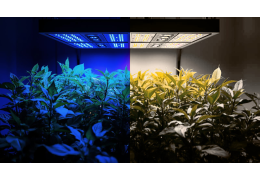
Peak bloom requires precise PPFD targets to reach maximum genetic potential. Aim for 900 to 1100 µmol/m²/s during the final three weeks of the cycle. Exceeding 1200 µmol/m²/s without supplemental CO2 often leads to photo-oxidation and light bleaching. This destroys the very terpenes you want to preserve. Far-red light at 730nm influences the phytochrome state, increasing the surface area of the flower and providing more space for resin glands to develop. It's about efficiency, not just raw power.
Humidity and Temperature Control
A "Cold Finish" is essential for professional quality and improving trichome production. Dropping nighttime temperatures to 15 to 18°C during the final 14 days of flowering stimulates anthocyanin production. This results in deep purple hues and preserved volatile monoterpenes. High temperatures above 26°C cause these delicate oils to evaporate quickly, reducing the final weight and aromatic profile of the crop.
Managing the atmosphere is a balancing act. For the final weeks of flowering, maintain a VPD range of 1.2 to 1.5 kPa to ensure efficient transpiration while minimizing the risk of fungal pathogens. High humidity levels above 55% in late bloom invite Botrytis, which can ruin a harvest in 48 hours. Controlled irrigation stress also plays a role. Reducing water frequency in the final 10 days triggers a drought response. This increases the concentration of secondary metabolites. It's a simple, effective method to harden the flower and maximize resin density before harvest.
Preserving Potency: Harvesting and Post-Flowering Care
You've spent weeks improving trichome production through precise environmental control and nutrition. Don't ruin the result with a rushed harvest. Resin heads are fragile biological structures that require surgical precision during the final 14 days of the cycle. Proper timing ensures you capture the full profile of cannabinoids and terpenes before they begin to volatilize or degrade.
The Harvesting Window
Maturity isn't a guess; it's a visual metric. Use a 60x digital microscope to inspect the resin heads across the entire plant. Clear trichomes indicate the plant is still producing precursors. You've reached peak THC when 95% of the heads are cloudy and opaque. This is the optimal window for maximum potency and flavor. If you wait until 20% of the trichomes turn amber, you're witnessing the degradation of THC into CBN. This results in a heavier, more sedative effect that may not align with your cultivar's intent. Check the middle and lower branches, not just the top colas, to ensure a uniform harvest.
Flushing and Drying
Clean chemistry leads to a clean burn. Start a 7 to 10 day flush using pure water to allow the plant to consume its internal nutrient reserves. This process removes excess mineral salts that can cause a harsh, metallic taste. Incorporating a product like Bio Enhancer during the final stages helps mobilize these nutrients and improves the final quality. While some growers advocate for a 48 hour dark period before harvest to spike terpene levels, the results are often negligible compared to proper drying parameters. Focus on the environmental constants instead.
- Temperature: Maintain a steady 15°C in the drying room to prevent terpene evaporation.
- Humidity: Aim for 60% relative humidity to ensure a slow, even 10 to 14 day dry.
- Handling: Never touch the flowers directly. Use nitrile gloves and handle only the stems to prevent breaking the brittle resin stalks.
Precision in the final stage is what separates commercial grade from connoisseur quality. Keep your process streamlined and data-driven to protect your investment. For a simplified approach to final stage nutrition, view our specialized feeding range for professional results.
The Green House Feeding Protocol for High Resin Yields
Professional cultivation requires a balance of precision and practicality. Green House Feeding addresses this through a "Keep it Simple" philosophy. Instead of managing a complex shelf of additives, the protocol relies on highly soluble, all-in-one mineral or organic powders. These products provide every essential element in a single application. You choose your baseline feeding according to the genetic lineage of your plants. Use "Short Flowering" for strains with an 8-week cycle or "Long Flowering" for those exceeding 9 weeks. This targeted approach ensures the nutrient profile matches the specific metabolic rate of the cultivar.
Maximizing Resin with Booster PK+
Mineral-based systems offer the highest level of control for improving trichome production. To push resin levels to their maximum, integrate Booster PK+ during the third or fourth week of the flowering stage. This additive provides the high concentrations of Phosphorus and Potassium necessary for floral development and secondary metabolite synthesis. It's vital to monitor your electrical conductivity (EC) during this phase. Start with a conservative dose of 2g per 10 liters. You can gradually increase this as the plant demands more energy. This supplement works in total synergy with the Hybrid powder, providing the extra phosphorus needed for the rapid swelling seen in modern poly-hybrids.
The Organic Path: BioBloom and Enhancer
If your goal is a biological approach, the Bio line offers a professional alternative without the mess of traditional liquids. BioBloom is a powder that you mix into the substrate. It provides a slow-release source of phosphorus and potassium that lasts for 8 weeks. This steady delivery prevents the nutrient fluctuations that can stall resin development. To maximize the effectiveness of this organic path, use Bio Enhancer every two weeks. This product contains humic acids and seaweed extracts that function as natural biostimulants. These ingredients support the soil food web and increase the bio-availability of minerals. This combination is a highly effective strategy for improving trichome production while preserving the delicate terpene profiles of the plant.
Green House Feeding simplifies the science of plant nutrition so you can focus on the environment. Whether you choose a mineral or organic route, the goal remains the same: maximum efficiency and professional results.
Explore the Green House Feeding product line to find the right protocol for your next cycle.
Elevate Your Harvest Quality
Achieving peak resin density isn't a matter of luck; it's a result of scientific precision. By mastering environmental triggers and implementing a rigorous nutritional strategy, you're directly improving trichome production and protecting the plant's essential terpenes. Arjan Roskam, the King of Cannabis, has utilized these exact principles to secure numerous awards using our specialized feeding protocols. We've spent decades refining these formulas so you don't have to experiment with unproven methods.
Our award-winning mineral and organic nutrients are now the standard in over 100 countries, providing commercial-grade reliability to every garden. The Green House Feeding system focuses on high solubility and immediate bio-availability, ensuring your plants receive exactly what they need during the critical late-flowering stage. It's about working smarter, not harder, to reach the plant's full genetic potential. You've done the research; now it's time to apply the professional standard to your own operation.
Maximize your resin with the Green House Feeding Booster PK+
Professional results are within your reach when you stick to a proven system.
Frequently Asked Questions
How can I tell if my trichomes are still growing?
You can tell trichomes are still growing by observing the gland heads under a 60x microscope. Clear, bulbous heads mean the plant's still actively synthesizing cannabinoids and terpenes. When 90% of the glands transition from clear to cloudy, the production phase is peaking. If you see more than 10% amber, the resin's beginning to degrade. This visual check's the most reliable way to monitor maturity.
Does adding sugar or molasses really increase trichome production?
Adding molasses won't directly increase resin, but it supports the 10^8 beneficial bacteria in your substrate. These microbes improve the bio-availability of essential minerals required for improving trichome production. Use a clean, mineral-organic carbohydrate at a 2% dilution rate to boost the plant's metabolic efficiency without clogging your irrigation lines. It's a simple way to ensure the plant has the carbon it needs.
Can I increase trichomes in the last week of flowering?
You can maximize resin in the final 7 days by reducing the nighttime temperature to 15°C. This thermal shock encourages the plant to produce a thicker layer of protective resin as a survival response. It's a simple, effective technique that helps finish the ripening process without the need for complex chemical additives. This method can boost visible frost by 5% in most cultivars.
What is the best light for trichome production in 2026?
The most effective lighting for 2026 involves LED fixtures with dedicated 390nm UV-A chips. Studies from 2025 indicate that targeted UV exposure increases total resin weight by 12% compared to standard white LEDs. These fixtures provide the precise spectral energy needed to trigger the plant's natural defense mechanisms. This results in a more potent and aromatic harvest for both commercial and hobbyist growers.
Do certain nutrients make trichomes turn amber faster?
Phosphorus and potassium levels directly influence the ripening speed of the resin glands. A concentrated P-K booster applied at 1.5 grams per liter'll often cause trichomes to turn amber 4 days faster than a standard base feed. This happens because the plant shifts its energy from vegetative growth to reproductive maturity. Using a specific "Short Flowering" feeding schedule ensures this transition happens at the optimal time.
How does temperature affect the stickiness of my buds?
Temperatures above 26°C lead to the degradation of essential oils and the evaporation of lighter terpenes. To maintain maximum stickiness, keep your grow room at 21°C during the final 3 weeks of improving trichome production. Lower temperatures ensure the resin remains viscous and the aromatic compounds stay locked within the glandular heads. This preserves the quality and tactile feel of the final product.
Is it possible to have too many trichomes?
There's no biological limit to resin density, but it does require stricter environmental controls. When trichome density exceeds a certain threshold, the risk of trapped moisture increases by 20% during the curing phase. You'll need to ensure your airflow is consistent at 0.5 meters per second to prevent stagnant air from settling on the sticky surfaces. High resin counts are desirable but require professional management.
Does foliar feeding help with resin production during flower?
Foliar feeding's counterproductive once flowers have formed. Spraying liquids onto developing buds increases the humidity within the flower structure, which leads to a 70% higher risk of gray mold. It's better to use a highly soluble, chelated nutrient line through the root system. This ensures the plant receives the necessary elements for resin synthesis without compromising the health of the harvest or washing away delicate glands.
FAQ
The Role of Secondary Metabolites
Terpenes and cannabinoids accumulate within the secretory cavity at the apex of the resin head. This process is metabolically expensive. A plant allocates up to 20% of its total carbon energy to resin synthesis during peak bloom. If a plant is struggling with nutrient lock-out or environmental stress, resin production is the first system to suffer. Optimal feeding ensures the plant has the surplus energy required for these complex chemical compounds. Trichome maturity is reached when the capitate-stalked glands transition from translucent to a milky or amber opacity, signaling peak secondary metabolite accumulation.
Genetics vs. Environment
Genetics dictate the maximum potential or the "resin cap" of any given strain. You can't force a low-resin cultivar to exceed its biological limits. However, poor cultivation often results in plants hitting the "floor" of their potential. Professional growers identify high-resin phenotypes by observing the density of early resin glands on fan leaf petioles by day 21 of the flowering cycle. In commercial extraction settings, a 5% increase in resin coverage can result in a 15% higher yield of solventless concentrate. Selecting the right phenotype is the foundation of improving trichome production at scale. Trichome production is a resource-intensive metabolic process. To succeed in improving trichome production, you must transition the plant's focus from biomass accumulation to secondary metabolite synthesis. This shift requires a precise balance of minerals that fuel the enzymatic pathways responsible for resin and terpene development. Efficiency is the priority; the plant needs the right elements at the right time without the stress of nutrient excess.
The P-K Balance in Late Flowering
Phosphorus (P) and Potassium (K) are the primary drivers of resin synthesis. Phosphorus acts as the energy carrier through Adenosine Triphosphate (ATP), providing the chemical fuel for cellular processes. Potassium regulates water movement and the transport of carbohydrates to the floral sites. A deficiency in either element during the final 21 to 28 days of bloom results in small, under-developed glands. However, over-application leads to salt buildup and nutrient lockout. Maintain an Electrical Conductivity (EC) that aligns with your plant's specific life cycle to prevent resin-stunting toxicities. A "Keep it Simple" approach prevents the common mistake of stacking too many additives, which often disrupts mineral solubility.
Secondary Nutrients and Micronutrients
While P and K are vital, secondary nutrients and chelated micro-elements act as the catalysts for resin density. Magnesium serves as the central atom of chlorophyll, driving the photosynthetic energy required for resin. Sulfur is essential as a precursor for terpene and flavor molecules. Iron and manganese function as enzymatic triggers in the metabolic pathways that produce cannabinoids. Scientific literature regarding the environmental control of trichome patterning confirms that nutritional status directly influences how plants respond to external stimuli. Ensure all micronutrients are chelated to maintain bio-availability, especially if your pH fluctuates slightly outside the ideal 5.8 to 6.2 range. When the goal is improving trichome production, professional results don't require complex schedules. Selecting a specialized feeding program designed for specific flowering times ensures your crop receives the exact mineral ratios needed for maximum resin output without the risk of over-fertilization. Environmental factors act as the primary catalyst for improving trichome production. Trichomes serve as a biological defense against UV radiation and desiccation. By strategically applying controlled stress, you force the plant to increase its resin output. This is a deliberate horticultural tactic, not a random occurrence. Scientific research into the Molecular Mechanisms of Plant Trichome Development shows that specific hormonal pathways trigger this resinous response when light stress occurs. UV-B radiation in the 310 to 315nm range is a powerful tool for the serious grower. It mimics high-altitude sunlight conditions. The plant responds by producing more glandular trichomes to shield its reproductive organs. High-intensity light without the correct spectrum is inefficient. You want to maximize the chemical complexity of the resin, not just the plant's biomass.
Light Spectrum and Intensity
Peak bloom requires precise PPFD targets to reach maximum genetic potential. Aim for 900 to 1100 µmol/m²/s during the final three weeks of the cycle. Exceeding 1200 µmol/m²/s without supplemental CO2 often leads to photo-oxidation and light bleaching. This destroys the very terpenes you want to preserve. Far-red light at 730nm influences the phytochrome state, increasing the surface area of the flower and providing more space for resin glands to develop. It's about efficiency, not just raw power.
Humidity and Temperature Control
A "Cold Finish" is essential for professional quality and improving trichome production. Dropping nighttime temperatures to 15 to 18°C during the final 14 days of flowering stimulates anthocyanin production. This results in deep purple hues and preserved volatile monoterpenes. High temperatures above 26°C cause these delicate oils to evaporate quickly, reducing the final weight and aromatic profile of the crop. Managing the atmosphere is a balancing act. For the final weeks of flowering, maintain a VPD range of 1.2 to 1.5 kPa to ensure efficient transpiration while minimizing the risk of fungal pathogens. High humidity levels above 55% in late bloom invite Botrytis, which can ruin a harvest in 48 hours. Controlled irrigation stress also plays a role. Reducing water frequency in the final 10 days triggers a drought response. This increases the concentration of secondary metabolites. It's a simple, effective method to harden the flower and maximize resin density before harvest. You've spent weeks improving trichome production through precise environmental control and nutrition. Don't ruin the result with a rushed harvest. Resin heads are fragile biological structures that require surgical precision during the final 14 days of the cycle. Proper timing ensures you capture the full profile of cannabinoids and terpenes before they begin to volatilize or degrade.
The Harvesting Window
Maturity isn't a guess; it's a visual metric. Use a 60x digital microscope to inspect the resin heads across the entire plant. Clear trichomes indicate the plant is still producing precursors. You've reached peak THC when 95% of the heads are cloudy and opaque. This is the optimal window for maximum potency and flavor. If you wait until 20% of the trichomes turn amber, you're witnessing the degradation of THC into CBN. This results in a heavier, more sedative effect that may not align with your cultivar's intent. Check the middle and lower branches, not just the top colas, to ensure a uniform harvest.
Flushing and Drying
Clean chemistry leads to a clean burn. Start a 7 to 10 day flush using pure water to allow the plant to consume its internal nutrient reserves. This process removes excess mineral salts that can cause a harsh, metallic taste. Incorporating a product like Bio Enhancer during the final stages helps mobilize these nutrients and improves the final quality. While some growers advocate for a 48 hour dark period before harvest to spike terpene levels, the results are often negligible compared to proper drying parameters. Focus on the environmental constants instead. Precision in the final stage is what separates commercial grade from connoisseur quality. Keep your process streamlined and data-driven to protect your investment. For a simplified approach to final stage nutrition, view our specialized feeding range for professional results. Professional cultivation requires a balance of precision and practicality. Green House Feeding addresses this through a "Keep it Simple" philosophy. Instead of managing a complex shelf of additives, the protocol relies on highly soluble, all-in-one mineral or organic powders. These products provide every essential element in a single application. You choose your baseline feeding according to the genetic lineage of your plants. Use "Short Flowering" for strains with an 8-week cycle or "Long Flowering" for those exceeding 9 weeks. This targeted approach ensures the nutrient profile matches the specific metabolic rate of the cultivar.
Maximizing Resin with Booster PK+
Mineral-based systems offer the highest level of control for improving trichome production. To push resin levels to their maximum, integrate Booster PK+ during the third or fourth week of the flowering stage. This additive provides the high concentrations of Phosphorus and Potassium necessary for floral development and secondary metabolite synthesis. It's vital to monitor your electrical conductivity (EC) during this phase. Start with a conservative dose of 2g per 10 liters. You can gradually increase this as the plant demands more energy. This supplement works in total synergy with the Hybrid powder, providing the extra phosphorus needed for the rapid swelling seen in modern poly-hybrids.
The Organic Path: BioBloom and Enhancer
If your goal is a biological approach, the Bio line offers a professional alternative without the mess of traditional liquids. BioBloom is a powder that you mix into the substrate. It provides a slow-release source of phosphorus and potassium that lasts for 8 weeks. This steady delivery prevents the nutrient fluctuations that can stall resin development. To maximize the effectiveness of this organic path, use Bio Enhancer every two weeks. This product contains humic acids and seaweed extracts that function as natural biostimulants. These ingredients support the soil food web and increase the bio-availability of minerals. This combination is a highly effective strategy for improving trichome production while preserving the delicate terpene profiles of the plant. Green House Feeding simplifies the science of plant nutrition so you can focus on the environment. Whether you choose a mineral or organic route, the goal remains the same: maximum efficiency and professional results. Explore the Green House Feeding product line to find the right protocol for your next cycle. Achieving peak resin density isn't a matter of luck; it's a result of scientific precision. By mastering environmental triggers and implementing a rigorous nutritional strategy, you're directly improving trichome production and protecting the plant's essential terpenes. Arjan Roskam, the King of Cannabis, has utilized these exact principles to secure numerous awards using our specialized feeding protocols. We've spent decades refining these formulas so you don't have to experiment with unproven methods. Our award-winning mineral and organic nutrients are now the standard in over 100 countries, providing commercial-grade reliability to every garden. The Green House Feeding system focuses on high solubility and immediate bio-availability, ensuring your plants receive exactly what they need during the critical late-flowering stage. It's about working smarter, not harder, to reach the plant's full genetic potential. You've done the research; now it's time to apply the professional standard to your own operation. Maximize your resin with the Green House Feeding Booster PK+ Professional results are within your reach when you stick to a proven system.
How can I tell if my trichomes are still growing?
You can tell trichomes are still growing by observing the gland heads under a 60x microscope. Clear, bulbous heads mean the plant's still actively synthesizing cannabinoids and terpenes. When 90% of the glands transition from clear to cloudy, the production phase is peaking. If you see more than 10% amber, the resin's beginning to degrade. This visual check's the most reliable way to monitor maturity.
Does adding sugar or molasses really increase trichome production?
Adding molasses won't directly increase resin, but it supports the 10^8 beneficial bacteria in your substrate. These microbes improve the bio-availability of essential minerals required for improving trichome production. Use a clean, mineral-organic carbohydrate at a 2% dilution rate to boost the plant's metabolic efficiency without clogging your irrigation lines. It's a simple way to ensure the plant has the carbon it needs.
Can I increase trichomes in the last week of flowering?
You can maximize resin in the final 7 days by reducing the nighttime temperature to 15°C. This thermal shock encourages the plant to produce a thicker layer of protective resin as a survival response. It's a simple, effective technique that helps finish the ripening process without the need for complex chemical additives. This method can boost visible frost by 5% in most cultivars.
What is the best light for trichome production in 2026?
The most effective lighting for 2026 involves LED fixtures with dedicated 390nm UV-A chips. Studies from 2025 indicate that targeted UV exposure increases total resin weight by 12% compared to standard white LEDs. These fixtures provide the precise spectral energy needed to trigger the plant's natural defense mechanisms. This results in a more potent and aromatic harvest for both commercial and hobbyist growers.
Do certain nutrients make trichomes turn amber faster?
Phosphorus and potassium levels directly influence the ripening speed of the resin glands. A concentrated P-K booster applied at 1.5 grams per liter'll often cause trichomes to turn amber 4 days faster than a standard base feed. This happens because the plant shifts its energy from vegetative growth to reproductive maturity. Using a specific "Short Flowering" feeding schedule ensures this transition happens at the optimal time.
How does temperature affect the stickiness of my buds?
Temperatures above 26°C lead to the degradation of essential oils and the evaporation of lighter terpenes. To maintain maximum stickiness, keep your grow room at 21°C during the final 3 weeks of improving trichome production. Lower temperatures ensure the resin remains viscous and the aromatic compounds stay locked within the glandular heads. This preserves the quality and tactile feel of the final product.
Is it possible to have too many trichomes?
There's no biological limit to resin density, but it does require stricter environmental controls. When trichome density exceeds a certain threshold, the risk of trapped moisture increases by 20% during the curing phase. You'll need to ensure your airflow is consistent at 0.5 meters per second to prevent stagnant air from settling on the sticky surfaces. High resin counts are desirable but require professional management.
Does foliar feeding help with resin production during flower?
Foliar feeding's counterproductive once flowers have formed. Spraying liquids onto developing buds increases the humidity within the flower structure, which leads to a 70% higher risk of gray mold. It's better to use a highly soluble, chelated nutrient line through the root system. This ensures the plant receives the necessary elements for resin synthesis without compromising the health of the harvest or washing away delicate glands.
Hinterlassen Sie einen Kommentar
Melden Sie sich an, um Kommentare zu posten