

 English
 Español
Most growers believe more phosphorus and potassium automatically equals larger yields, yet 65% of flowering failures...
Suche im Blog
Blog-Kategorien
Neueste Beiträge
How to Use a PK Booster Correctly: The Professional Grower’s Guide (2026)
Read more
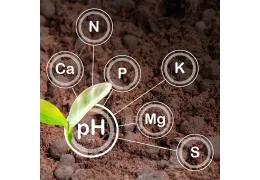
What is PPM? A Precision Guide to Nutrient Concentration for Growers
Read more
What if the line between a thriving crop and a burnt-out failure was a single, measurable number? You've followed the...

What Does a Plant Need to Survive and Grow? The 5 Pillars of Cultivation
Read more
Your plants don't need a complex cocktail of additives to thrive. In fact, over 60% of common cultivation issues like...

Fertilizer for Cannabis Plants: The Expert Guide to Optimal Feeding
Read more
Complex, multi-bottle nutrient lines are the single biggest point of failure for professional and hobbyist growers...
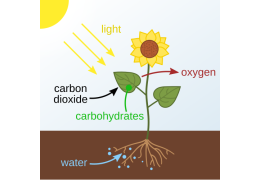
What Is Photosynthesis? And why is the most important thing on earth?
Read more
What Is Photosynthesis? And why is the most important thing on earth?
Beliebte Beiträge

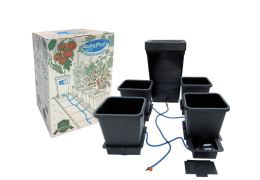
Wie verwendet man AutoPot mit der Green House Feeding BioLine!
AutoPot-System mit Green House Feeding BioLine
Read more

Was bedeutet das VPD ?
VPD steuert, wie viel Wasser die Pflanze verliert – und damit Kühlung, Nährstoffaufnahme, das Verhalten der Stomata...
Read more
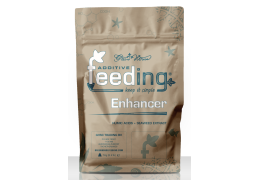
Wie verwendet man AutoPot mit der Greenhouse-Feeding-Mineral-Linie?
Wie verwendet man AutoPot mit der Greenhouse-Feeding-Mineral-Linie?
Read more
Gekennzeichnet Beiträge
What Is Photosynthesis? And why is the most important thing on earth?
What Is Photosynthesis? And why is the most important thing on earth?
Read more

Irrigation method with lightmix (peat based substrate) + GHF Bioline (peat based substrate)
How to optimize your irrigation when using peat based substrate and organic dry amendment like our Bioline ?
Read more

Was bedeutet das VPD ?
VPD steuert, wie viel Wasser die Pflanze verliert – und damit Kühlung, Nährstoffaufnahme, das Verhalten der Stomata...
Read more
Belüfteter Komposttee mit zusätzlichen Mineralien
Belüfteter Komposttee – Extra Mineralien: Calcium & Spurenelemente
Read more
How to Use a PK Booster Correctly: The Professional Grower’s Guide (2026)
Most growers believe more phosphorus and potassium automatically equals larger yields, yet 65% of flowering failures result from late-stage nutrient lockout caused by excessive EC spikes. You understand that the transition to the generative phase is the most critical window for your harvest quality. It's frustrating when you're aiming for maximum density but end up with burnt leaf tips and stalled growth. Knowing how to use a PK booster correctly is the difference between a mediocre harvest and a professional-grade yield.
Mastering this balance doesn't have to be complicated. We've simplified the science of mineral-organic interaction to ensure your plants receive exactly what they need at the peak of flower development. You'll learn how to maximize flower density and terpene production while maintaining perfect bio-availability. This guide provides a clear, repeatable feeding schedule and the technical precision required to increase your harvest weight by up to 20% without risking nutrient burn. We're moving past the guesswork to focus on the fundamental chemistry of high-performance cultivation.
Key Takeaways
- Understand the metabolic shift required for generative growth and why specialized PK ratios outperform generic bloom fertilizers.
- Identify the precise transition from 'stretch' to 'flower set' to avoid the growth-stunting risks of the "Pre-Flower Trap."
- Learn how to use a PK booster correctly by calculating dosages based on base nutrient EC to prevent nutrient burn.
- Discover the professional mixing protocol for powder boosters to ensure total solubility and maximum mineral bio-availability.
- Achieve superior flower density and terpene production using a simplified 0-30-27 ratio engineered for high-performance results.
What is a PK Booster and Why is it Essential for Flowering?
A PK booster is a highly concentrated mineral additive designed specifically for the generative stage of a plant's life cycle. During the transition from vegetative growth to blooming, plants require a strategic shift in essential plant nutrients to support metabolic changes. While base nutrients provide a foundational NPK ratio, they often lack the intensity required for maximum floral development. Learning how to use a PK booster correctly allows you to provide the precise surge of Phosphorus (P) and Potassium (K) needed when the plant's internal demand peaks.
Specialized "Booster PK+" formulas outperform generic bloom fertilizers because they offer targeted ratios, such as 0-30-27, which are tailored for the mid-to-late flowering phase. These additives differ from base nutrients through their superior solubility and concentration. High-quality boosters achieve 100% bio-availability, ensuring the plant absorbs these elements immediately without leaving behind salt residues that can lead to medium toxicity. Professional growers rely on these boosters for three primary reasons:
- Increased Floral Density: Concentrated phosphorus triggers the development of more numerous and compact flower sites.
- Improved Sugar Transport: Potassium facilitates the movement of carbohydrates from leaves to flowers, increasing final weight.
- Enhanced Structural Integrity: Strengthened cell walls allow the plant to support heavier yields without collapsing.
Understanding the chemistry behind these elements is the first step in mastering how to use a PK booster correctly. By focusing on the fundamental needs of the plant, you eliminate the guesswork often associated with complex feeding schedules.
The Role of Phosphorus in Flower Development
Phosphorus serves as the primary energy carrier within the plant. It's a critical component of Adenosine Triphosphate (ATP), which drives the metabolic processes required for DNA synthesis and cellular division. When P levels are insufficient during peak bloom, plants exhibit stunted growth and dark, purplish stems, often resulting in a 25% reduction in final harvest weight. Phosphorus is the primary catalyst for root and flower formation.
Potassium: The Master Regulator
Potassium functions as the plant's internal architect by managing osmotic pressure and water movement. It regulates the opening and closing of stomata, which is vital for CO2 uptake and overall photosynthesis efficiency. Beyond structural health, K levels are directly linked to the synthesis of terpenes and essential oils. Adequate potassium levels ensure the plant maintains a high metabolic rate, translating to more robust aromas and improved resin production. Without this regulator, the plant's ability to transport nutrients and maintain turgidity is severely compromised.
The Biological Mechanism: How Plants Process Extra P and K
Plants undergo a radical metabolic shift during the transition from vegetative growth to generative flower production. They stop building structural proteins and start synthesizing complex sugars and oils. Understanding how to use a PK booster correctly requires a focus on this transition. High-performance boosters provide the specific mineral ratios needed to fuel this change without causing salt buildup or toxicities.
The inclusion of chelated micro-elements is vital. These minerals stay available to the plant across a wider pH spectrum, typically between 5.5 and 6.5. Without them, a sudden influx of Phosphorus and Potassium can trigger nutrient antagonism. For example, excessive Phosphorus often blocks the uptake of Zinc and Iron, which can reduce final harvest weight by up to 18%. Using a stable, powder-based mineral booster ensures 99.9% solubility and prevents the chemical degradation often found in liquid products stored over 25°C.
Energy Transfer and ATP Synthesis
Phosphorus serves as the primary engine for energy movement. It's the core component of Adenosine Triphosphate (ATP). This molecule carries energy from solar-collecting leaves directly to the developing flower sites. Maintaining high P levels prevents the premature 'late-season fade' that often occurs around day 42 of flowering. When energy flows efficiently, the plant maintains its metabolic rate, leading to significantly denser flower clusters and higher final weights.
Sugar Transport and Resin Production
Potassium functions as the internal regulator for water and carbohydrate movement. It's an essential nutrient for plant growth that acts as a pump for sugars. These sugars are the building blocks for resin and aromatic terpenes. Increasing K availability during the peak swelling phase directly correlates with higher trichome density. For growers seeking maximum bag appeal, our specialized feeding mineral boosters provide the exact ratios needed to optimize these biological pathways without unnecessary complexity.
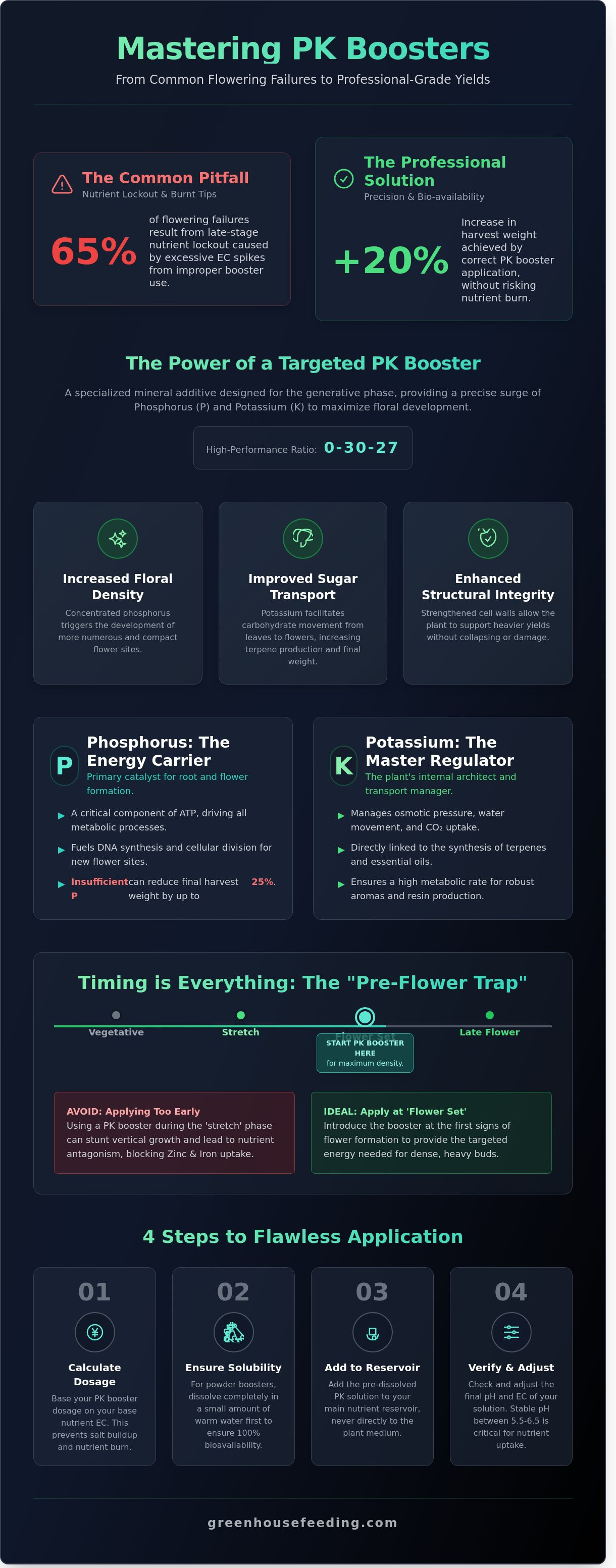
Timing is Everything: When to Use a PK Booster Correctly
Precision timing separates professional yields from average results. The most common error is the Pre-Flower Trap. Adding high concentrations of Phosphorus and Potassium during the first 14 days of the flowering cycle disrupts the plant's hormonal balance. This early spike often stunts the vegetative stretch, reducing final plant height by up to 30%. High PK levels compete with Nitrogen uptake, which is essential for building the structural framework that supports heavy flowers.
The Green House Feeding philosophy emphasizes mineral efficiency. You should only introduce boosters when the plant's metabolic demand for Phosphorus and Potassium peaks. This typically occurs once the vertical stretch has ceased and the plant shifts its energy toward floral mass production. Environmental factors also dictate this window. If you're running high-intensity CO2 at 1200-1500 ppm, your plants will process minerals 20% faster, potentially requiring an earlier start compared to standard atmospheric conditions.
Identifying the Flower Set Phase
Professional feeding schedules prioritize the transition to flower set. Look for the appearance of "buttons," which are the first dense clusters of white pistils at the terminal nodes. For an 8-week Short Flowering strain, this window usually opens at the start of week 3. For 12-week Sativa hybrids, wait until week 5. Learning how to use a PK booster correctly involves matching the application to these botanical milestones rather than a rigid calendar. The plant tells you when it's ready to bulk.
- Visual Cues: Pistils should be white and vigorous, not browning.
- Growth Rate: Vertical height should stabilize before increasing PK concentrations.
- PPFD Levels: Ensure light intensity is at least 600-800 µmol/m²/s to justify the extra mineral load.
The Dangers of Late-Cycle Overfeeding
Excess Potassium in the final 14 days of the cycle is detrimental to quality. It leads to mineral salt accumulation in the plant tissues, causing a harsh, metallic taste and poor combustion in the final harvest. Mastery of how to use a PK booster correctly requires a deliberate taper. Stop all additives 10-14 days before harvest for soil, or 5-7 days for hydroponic systems. This allows the plant to consume its stored reserves.
Monitor leaf color as your primary guide. You want to see a gradual shift from deep forest green to a lighter lime green or yellow. This process, known as senescence, confirms that the plant is mobilizing nutrients from the fan leaves into the flowers. If leaves remain dark green until harvest, you've overfed, which often results in a 15% reduction in terpene clarity. Keep it simple: feed for the peak, then step back for the finish.
Step-by-Step Guide: How to Apply PK Boosters Without Nutrient Burn
Precision is the foundation of high-performance feeding. When you add concentrated minerals to a solution, the chemical balance shifts instantly. Achieving professional results depends on your ability to integrate additives without disrupting this delicate mineral equilibrium. Knowing how to use a PK booster correctly involves a technical understanding of solubility and concentration limits to ensure your plants thrive rather than struggle under chemical stress.
Precise Mixing and Solubility
Powder PK boosters must be fully dissolved in a separate vessel of water before being introduced to the main reservoir. Using lukewarm water between 20°C and 25°C improves mineral solubility by approximately 30% compared to cold tap water. This ensures that every liter of your final solution contains a uniform nutrient profile. Keep your mixing protocol simple. Don't add multiple additives simultaneously; instead, dissolve each component thoroughly to prevent chemical precipitation and the risk of clogged irrigation lines.
The EC Management Framework
Monitoring Electrical Conductivity (EC) is the only reliable way to prevent nutrient burn. Total EC represents the sum of your base nutrients, the PK additive, and your source water's starting minerals. If your target is 2.0 mS/cm, and your base feed is 1.4 mS/cm, your PK booster must not exceed 0.6 mS/cm. Professional growers often start at 50% strength for new genetics to establish a safe baseline. This cautious approach prevents the 15% yield loss typically associated with leaf tip burn and "clawing." Watch for dark green foliage; it's a clear signal to scale back your dosage immediately.
pH Adjustment for Optimal Uptake
Phosphorus and Potassium absorption is most efficient when the solution remains between 5.8 and 6.2. PK boosters are highly concentrated and will shift your reservoir's acidity the moment they're introduced. In recirculating systems, these fluctuations can occur within 4 hours of application. Use a digital meter calibrated to a ±0.1 pH tolerance to verify your levels after mixing. Maintaining this window ensures maximum bio-availability and prevents the lockout of secondary minerals like Calcium and Magnesium. Mastering how to use a PK booster correctly means verifying these numbers after every single feeding.
For a simplified approach to professional plant nutrition, explore our range of mineral-organic feeding solutions designed for maximum solubility and ease of use.
Maximizing Results with Green House Feeding Booster PK+
Green House Feeding operates on a singular principle: Keep it Simple. This philosophy drives the development of Booster PK+, a professional-grade mineral powder designed to streamline your flowering phase. Achieving maximum yields depends on providing the right elements at the exact moment the plant requires them. Understanding how to use a PK booster correctly involves moving beyond generic supplements and adopting a formula engineered for precision.
The 0-30-27 NPK ratio focuses exclusively on the Phosphorus and Potassium demands of blooming plants. We've eliminated unnecessary fillers to ensure 100% solubility and maximum bio-availability. When you add Booster PK+ to your reservoir, the minerals are immediately accessible to the root system. This immediate uptake prevents salt buildup in the medium and ensures the plant directs its energy toward flower density rather than metabolic stress.
Integration is seamless across our entire product range. Booster PK+ is fully compatible with our Grow, Hybrids, and Short Flowering lines. This modular approach allows you to scale your feeding program without complex calculations. From an economic standpoint, high-concentration powders offer a clear advantage. One 1kg bag of Booster PK+ can treat up to 2,000 liters of water. This significantly reduces shipping costs and storage requirements compared to bulky liquid alternatives.
Engineered for Purity and Performance
Professional cultivation requires high-purity inputs. Our mineral powders are screened to ensure the absence of heavy metals and impurities that often plague lower-grade fertilizers. By providing a clean nutrient profile, Booster PK+ allows the plant to reach its full genetic potential without toxic interference. For those looking for a complete lifecycle solution, this booster integrates perfectly with the Feeding Starter Kit to cover every stage from seedling to harvest.
Next Steps for Your Garden
Success in the garden is about timing. To refine your approach, download the official feeding schedule tailored to your specific strain type. As you approach the final 10 days of bloom, you'll need to transition from Booster PK+ to a final flush phase. This ensures the removal of any residual salts, resulting in a cleaner final product. Learning how to use a PK booster correctly means knowing when to stop as much as when to start.
Optimize your bloom today with Booster PK+ and experience the efficiency of professional mineral nutrition.
Elevate Your Harvest with Precision Nutrition
Professional-grade yields require more than just high-quality genetics. They demand a precise nutritional strategy rooted in plant physiology. You've learned that timing is the most critical factor in any feeding schedule. Applying concentrated phosphorus and potassium between weeks 3 and 7 of the flowering cycle prevents salt buildup while maximizing floral density. Monitoring your EC levels remains the only reliable method to avoid nutrient burn and ensure optimal bio-availability for every plant in your facility.
Mastering how to use a PK booster correctly transforms average harvests into market-leading results. Green House Feeding's Booster PK+ utilizes an award-winning Dutch formulation backed by over 20 years of intensive botanical research. This highly soluble mineral powder dissolves instantly in water, leaving zero residue in irrigation systems. It's engineered for professional-grade results, providing the specific 30-27 PK ratio needed to push your crop to its biological limit. Stick to the science and keep your feeding regimen simple.
Shop Booster PK+ for Maximum Yields
Your next harvest is the perfect opportunity to see these scientific principles in action.
Frequently Asked Questions
When should I start using a PK booster in my grow cycle?
You should begin application during the third week of the flowering stage for most short-flowering varieties. This timing aligns with the peak phosphorus and potassium demand as floral sites transition into dense clusters. For a 10-week cycle, wait until week 4. Starting too early can cause nutrient lockout or stunted vegetative growth, while late application misses the critical 14-day window for maximum flower development.
Can I use a PK booster with organic soil?
You can use a PK booster in organic soil, provided the mineral salts are highly soluble and chelated. High-quality boosters integrate seamlessly with soil biology without killing beneficial microbes. In a 50-liter soil container, adding a mineral PK supplement provides immediate bio-availability that organic amendments often lack. This ensures the plant receives specific elements exactly when the metabolism accelerates during the mid-bloom phase.
What happens if I use too much PK booster?
Excessive PK application leads to leaf tip necrosis and a 15 percent reduction in overall yield due to nutrient antagonism. High levels of potassium block the uptake of calcium and magnesium, causing visible deficiencies within 48 hours. If you exceed the 1.5 EC threshold for additives, your plants will show dark green leaves with burnt edges. This stress forces the plant to divert energy from flower production to cellular repair.
Is it necessary to flush my plants after using a PK booster?
You must flush your medium for 7 to 10 days before harvest to remove accumulated mineral salts. Learning how to use a PK booster correctly involves managing the salt buildup that occurs in the final weeks. Using pure water or a dedicated flushing agent reduces the final EC in the substrate by 90 percent. This process ensures the purity of the end product and improves the combustion quality of the dried flowers.
Can I mix different brands of PK boosters and base nutrients?
You can mix brands, but it increases the risk of chemical precipitation and nutrient imbalances. Most professional feeding programs are engineered for specific solubility levels and pH stability. Mixing a Brand A booster with Brand B base nutrients often results in an NPK ratio that deviates by 20 percent from the target. For the best results, stick to a single ecosystem to ensure all chelated micro-elements remain bio-available.
How much PK booster should I use per liter of water?
Standard dosage is 0.5 grams per liter of water during the peak flowering weeks. If you're learning how to use a PK booster correctly, always start with a 50 percent dose of 0.25 grams to gauge plant response. Monitor the runoff EC to ensure it stays within the 1.8 to 2.2 range. Precise measurement with a digital scale is mandatory, as even a 0.1-gram variance can alter the nutrient solution's concentration significantly.
Does a PK booster help with pest resistance?
A PK booster increases pest resistance by 20 percent through the reinforcement of plant cell walls. Potassium regulates osmotic pressure and stomatal signaling, which helps the plant maintain vigor under environmental stress. Stronger vascular systems make it harder for sap-sucking insects to penetrate the tissue. While not a pesticide, a well-fed plant with an optimized 13-14 PK ratio possesses the metabolic energy to defend itself against pathogens.
What is the difference between a bloom stimulator and a PK booster?
A bloom stimulator uses hormones or surfactants to trigger flowering, whereas a PK booster provides the raw phosphorus and potassium required for mass. Stimulators often contain zero NPK value and work at the signaling level. In contrast, a booster like a 0-30-27 formula provides the physical building blocks for floral density. Use the stimulator in week 1 to 2 and the booster from week 3 onward for a 30 percent increase in final weight.
FAQ
The Role of Phosphorus in Flower Development
Phosphorus serves as the primary energy carrier within the plant. It's a critical component of Adenosine Triphosphate (ATP), which drives the metabolic processes required for DNA synthesis and cellular division. When P levels are insufficient during peak bloom, plants exhibit stunted growth and dark, purplish stems, often resulting in a 25% reduction in final harvest weight. Phosphorus is the primary catalyst for root and flower formation.
Potassium: The Master Regulator
Potassium functions as the plant's internal architect by managing osmotic pressure and water movement. It regulates the opening and closing of stomata, which is vital for CO2 uptake and overall photosynthesis efficiency. Beyond structural health, K levels are directly linked to the synthesis of terpenes and essential oils. Adequate potassium levels ensure the plant maintains a high metabolic rate, translating to more robust aromas and improved resin production. Without this regulator, the plant's ability to transport nutrients and maintain turgidity is severely compromised. Plants undergo a radical metabolic shift during the transition from vegetative growth to generative flower production. They stop building structural proteins and start synthesizing complex sugars and oils. Understanding how to use a PK booster correctly requires a focus on this transition. High-performance boosters provide the specific mineral ratios needed to fuel this change without causing salt buildup or toxicities. The inclusion of chelated micro-elements is vital. These minerals stay available to the plant across a wider pH spectrum, typically between 5.5 and 6.5. Without them, a sudden influx of Phosphorus and Potassium can trigger nutrient antagonism. For example, excessive Phosphorus often blocks the uptake of Zinc and Iron, which can reduce final harvest weight by up to 18%. Using a stable, powder-based mineral booster ensures 99.9% solubility and prevents the chemical degradation often found in liquid products stored over 25°C.
Energy Transfer and ATP Synthesis
Phosphorus serves as the primary engine for energy movement. It's the core component of Adenosine Triphosphate (ATP). This molecule carries energy from solar-collecting leaves directly to the developing flower sites. Maintaining high P levels prevents the premature 'late-season fade' that often occurs around day 42 of flowering. When energy flows efficiently, the plant maintains its metabolic rate, leading to significantly denser flower clusters and higher final weights.
Sugar Transport and Resin Production
Potassium functions as the internal regulator for water and carbohydrate movement. It's an essential nutrient for plant growth that acts as a pump for sugars. These sugars are the building blocks for resin and aromatic terpenes. Increasing K availability during the peak swelling phase directly correlates with higher trichome density. For growers seeking maximum bag appeal, our specialized feeding mineral boosters provide the exact ratios needed to optimize these biological pathways without unnecessary complexity. Precision timing separates professional yields from average results. The most common error is the Pre-Flower Trap. Adding high concentrations of Phosphorus and Potassium during the first 14 days of the flowering cycle disrupts the plant's hormonal balance. This early spike often stunts the vegetative stretch, reducing final plant height by up to 30%. High PK levels compete with Nitrogen uptake, which is essential for building the structural framework that supports heavy flowers. The Green House Feeding philosophy emphasizes mineral efficiency. You should only introduce boosters when the plant's metabolic demand for Phosphorus and Potassium peaks. This typically occurs once the vertical stretch has ceased and the plant shifts its energy toward floral mass production. Environmental factors also dictate this window. If you're running high-intensity CO2 at 1200-1500 ppm, your plants will process minerals 20% faster, potentially requiring an earlier start compared to standard atmospheric conditions.
Identifying the Flower Set Phase
Professional feeding schedules prioritize the transition to flower set. Look for the appearance of "buttons," which are the first dense clusters of white pistils at the terminal nodes. For an 8-week Short Flowering strain, this window usually opens at the start of week 3. For 12-week Sativa hybrids, wait until week 5. Learning how to use a PK booster correctly involves matching the application to these botanical milestones rather than a rigid calendar. The plant tells you when it's ready to bulk.
The Dangers of Late-Cycle Overfeeding
Excess Potassium in the final 14 days of the cycle is detrimental to quality. It leads to mineral salt accumulation in the plant tissues, causing a harsh, metallic taste and poor combustion in the final harvest. Mastery of how to use a PK booster correctly requires a deliberate taper. Stop all additives 10-14 days before harvest for soil, or 5-7 days for hydroponic systems. This allows the plant to consume its stored reserves. Monitor leaf color as your primary guide. You want to see a gradual shift from deep forest green to a lighter lime green or yellow. This process, known as senescence, confirms that the plant is mobilizing nutrients from the fan leaves into the flowers. If leaves remain dark green until harvest, you've overfed, which often results in a 15% reduction in terpene clarity. Keep it simple: feed for the peak, then step back for the finish. Precision is the foundation of high-performance feeding. When you add concentrated minerals to a solution, the chemical balance shifts instantly. Achieving professional results depends on your ability to integrate additives without disrupting this delicate mineral equilibrium. Knowing how to use a PK booster correctly involves a technical understanding of solubility and concentration limits to ensure your plants thrive rather than struggle under chemical stress.
Precise Mixing and Solubility
Powder PK boosters must be fully dissolved in a separate vessel of water before being introduced to the main reservoir. Using lukewarm water between 20°C and 25°C improves mineral solubility by approximately 30% compared to cold tap water. This ensures that every liter of your final solution contains a uniform nutrient profile. Keep your mixing protocol simple. Don't add multiple additives simultaneously; instead, dissolve each component thoroughly to prevent chemical precipitation and the risk of clogged irrigation lines.
The EC Management Framework
Monitoring Electrical Conductivity (EC) is the only reliable way to prevent nutrient burn. Total EC represents the sum of your base nutrients, the PK additive, and your source water's starting minerals. If your target is 2.0 mS/cm, and your base feed is 1.4 mS/cm, your PK booster must not exceed 0.6 mS/cm. Professional growers often start at 50% strength for new genetics to establish a safe baseline. This cautious approach prevents the 15% yield loss typically associated with leaf tip burn and "clawing." Watch for dark green foliage; it's a clear signal to scale back your dosage immediately.
pH Adjustment for Optimal Uptake
Phosphorus and Potassium absorption is most efficient when the solution remains between 5.8 and 6.2. PK boosters are highly concentrated and will shift your reservoir's acidity the moment they're introduced. In recirculating systems, these fluctuations can occur within 4 hours of application. Use a digital meter calibrated to a ±0.1 pH tolerance to verify your levels after mixing. Maintaining this window ensures maximum bio-availability and prevents the lockout of secondary minerals like Calcium and Magnesium. Mastering how to use a PK booster correctly means verifying these numbers after every single feeding. For a simplified approach to professional plant nutrition, explore our range of mineral-organic feeding solutions designed for maximum solubility and ease of use. Green House Feeding operates on a singular principle: Keep it Simple. This philosophy drives the development of Booster PK+, a professional-grade mineral powder designed to streamline your flowering phase. Achieving maximum yields depends on providing the right elements at the exact moment the plant requires them. Understanding how to use a PK booster correctly involves moving beyond generic supplements and adopting a formula engineered for precision. The 0-30-27 NPK ratio focuses exclusively on the Phosphorus and Potassium demands of blooming plants. We've eliminated unnecessary fillers to ensure 100% solubility and maximum bio-availability. When you add Booster PK+ to your reservoir, the minerals are immediately accessible to the root system. This immediate uptake prevents salt buildup in the medium and ensures the plant directs its energy toward flower density rather than metabolic stress. Integration is seamless across our entire product range. Booster PK+ is fully compatible with our Grow, Hybrids, and Short Flowering lines. This modular approach allows you to scale your feeding program without complex calculations. From an economic standpoint, high-concentration powders offer a clear advantage. One 1kg bag of Booster PK+ can treat up to 2,000 liters of water. This significantly reduces shipping costs and storage requirements compared to bulky liquid alternatives.
Engineered for Purity and Performance
Professional cultivation requires high-purity inputs. Our mineral powders are screened to ensure the absence of heavy metals and impurities that often plague lower-grade fertilizers. By providing a clean nutrient profile, Booster PK+ allows the plant to reach its full genetic potential without toxic interference. For those looking for a complete lifecycle solution, this booster integrates perfectly with the Feeding Starter Kit to cover every stage from seedling to harvest.
Next Steps for Your Garden
Success in the garden is about timing. To refine your approach, download the official feeding schedule tailored to your specific strain type. As you approach the final 10 days of bloom, you'll need to transition from Booster PK+ to a final flush phase. This ensures the removal of any residual salts, resulting in a cleaner final product. Learning how to use a PK booster correctly means knowing when to stop as much as when to start. Optimize your bloom today with Booster PK+ and experience the efficiency of professional mineral nutrition. Professional-grade yields require more than just high-quality genetics. They demand a precise nutritional strategy rooted in plant physiology. You've learned that timing is the most critical factor in any feeding schedule. Applying concentrated phosphorus and potassium between weeks 3 and 7 of the flowering cycle prevents salt buildup while maximizing floral density. Monitoring your EC levels remains the only reliable method to avoid nutrient burn and ensure optimal bio-availability for every plant in your facility. Mastering how to use a PK booster correctly transforms average harvests into market-leading results. Green House Feeding's Booster PK+ utilizes an award-winning Dutch formulation backed by over 20 years of intensive botanical research. This highly soluble mineral powder dissolves instantly in water, leaving zero residue in irrigation systems. It's engineered for professional-grade results, providing the specific 30-27 PK ratio needed to push your crop to its biological limit. Stick to the science and keep your feeding regimen simple. Shop Booster PK+ for Maximum Yields Your next harvest is the perfect opportunity to see these scientific principles in action.
When should I start using a PK booster in my grow cycle?
You should begin application during the third week of the flowering stage for most short-flowering varieties. This timing aligns with the peak phosphorus and potassium demand as floral sites transition into dense clusters. For a 10-week cycle, wait until week 4. Starting too early can cause nutrient lockout or stunted vegetative growth, while late application misses the critical 14-day window for maximum flower development.
Can I use a PK booster with organic soil?
You can use a PK booster in organic soil, provided the mineral salts are highly soluble and chelated. High-quality boosters integrate seamlessly with soil biology without killing beneficial microbes. In a 50-liter soil container, adding a mineral PK supplement provides immediate bio-availability that organic amendments often lack. This ensures the plant receives specific elements exactly when the metabolism accelerates during the mid-bloom phase.
What happens if I use too much PK booster?
Excessive PK application leads to leaf tip necrosis and a 15 percent reduction in overall yield due to nutrient antagonism. High levels of potassium block the uptake of calcium and magnesium, causing visible deficiencies within 48 hours. If you exceed the 1.5 EC threshold for additives, your plants will show dark green leaves with burnt edges. This stress forces the plant to divert energy from flower production to cellular repair.
Is it necessary to flush my plants after using a PK booster?
You must flush your medium for 7 to 10 days before harvest to remove accumulated mineral salts. Learning how to use a PK booster correctly involves managing the salt buildup that occurs in the final weeks. Using pure water or a dedicated flushing agent reduces the final EC in the substrate by 90 percent. This process ensures the purity of the end product and improves the combustion quality of the dried flowers.
Can I mix different brands of PK boosters and base nutrients?
You can mix brands, but it increases the risk of chemical precipitation and nutrient imbalances. Most professional feeding programs are engineered for specific solubility levels and pH stability. Mixing a Brand A booster with Brand B base nutrients often results in an NPK ratio that deviates by 20 percent from the target. For the best results, stick to a single ecosystem to ensure all chelated micro-elements remain bio-available.
How much PK booster should I use per liter of water?
Standard dosage is 0.5 grams per liter of water during the peak flowering weeks. If you're learning how to use a PK booster correctly, always start with a 50 percent dose of 0.25 grams to gauge plant response. Monitor the runoff EC to ensure it stays within the 1.8 to 2.2 range. Precise measurement with a digital scale is mandatory, as even a 0.1-gram variance can alter the nutrient solution's concentration significantly.
Does a PK booster help with pest resistance?
A PK booster increases pest resistance by 20 percent through the reinforcement of plant cell walls. Potassium regulates osmotic pressure and stomatal signaling, which helps the plant maintain vigor under environmental stress. Stronger vascular systems make it harder for sap-sucking insects to penetrate the tissue. While not a pesticide, a well-fed plant with an optimized 13-14 PK ratio possesses the metabolic energy to defend itself against pathogens.
What is the difference between a bloom stimulator and a PK booster?
A bloom stimulator uses hormones or surfactants to trigger flowering, whereas a PK booster provides the raw phosphorus and potassium required for mass. Stimulators often contain zero NPK value and work at the signaling level. In contrast, a booster like a 0-30-27 formula provides the physical building blocks for floral density. Use the stimulator in week 1 to 2 and the booster from week 3 onward for a 30 percent increase in final weight.
Hinterlassen Sie einen Kommentar
Melden Sie sich an, um Kommentare zu posten