

 English
 Español
The era of the 12-bottle organic feeding schedule is officially over. Data from 2025 commercial trials shows that 64%...
Suche im Blog
Blog-Kategorien
Neueste Beiträge
The Best All-in-One Organic Fertilizer Kit: A Professional Buying Guide for 2026
Read more
Best One Part Nutrient for Cannabis: The Expert Guide to Simplified Feeding
Read more
Why are you still paying to ship heavy water and managing a dozen plastic bottles when one bag does it all? The...
Cannabis Deficiency Chart: The Expert Guide to Diagnosing and Fixing Plant Health
Read more
A single misidentified nutrient symptom can reduce a commercial harvest's market value by 15% within just 72 hours....
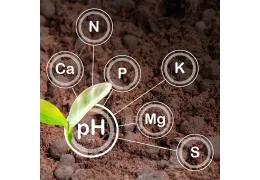
What is PPM? A Precision Guide to Nutrient Concentration for Growers
Read more
What if the line between a thriving crop and a burnt-out failure was a single, measurable number? You've followed the...
What Does a Plant Need to Survive and Grow? The 5 Pillars of Cultivation
Read more
Your plants don't need a complex cocktail of additives to thrive. In fact, over 60% of common cultivation issues like...
Beliebte Beiträge
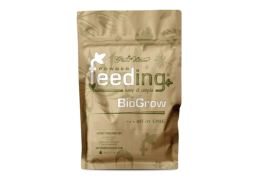
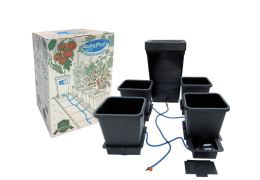
Wie verwendet man AutoPot mit der Green House Feeding BioLine!
AutoPot-System mit Green House Feeding BioLine
Read more
Was bedeutet das VPD ?
VPD steuert, wie viel Wasser die Pflanze verliert – und damit Kühlung, Nährstoffaufnahme, das Verhalten der Stomata...
Read more
Wie verwendet man AutoPot mit der Greenhouse-Feeding-Mineral-Linie?
Wie verwendet man AutoPot mit der Greenhouse-Feeding-Mineral-Linie?
Read more
Gekennzeichnet Beiträge
What Is Photosynthesis? And why is the most important thing on earth?
What Is Photosynthesis? And why is the most important thing on earth?
Read more
Irrigation method with lightmix (peat based substrate) + GHF Bioline (peat based substrate)
How to optimize your irrigation when using peat based substrate and organic dry amendment like our Bioline ?
Read more
Was bedeutet das VPD ?
VPD steuert, wie viel Wasser die Pflanze verliert – und damit Kühlung, Nährstoffaufnahme, das Verhalten der Stomata...
Read more
Belüfteter Komposttee mit zusätzlichen Mineralien
Belüfteter Komposttee – Extra Mineralien: Calcium & Spurenelemente
Read more
Best One Part Nutrient for Cannabis: The Expert Guide to Simplified Feeding
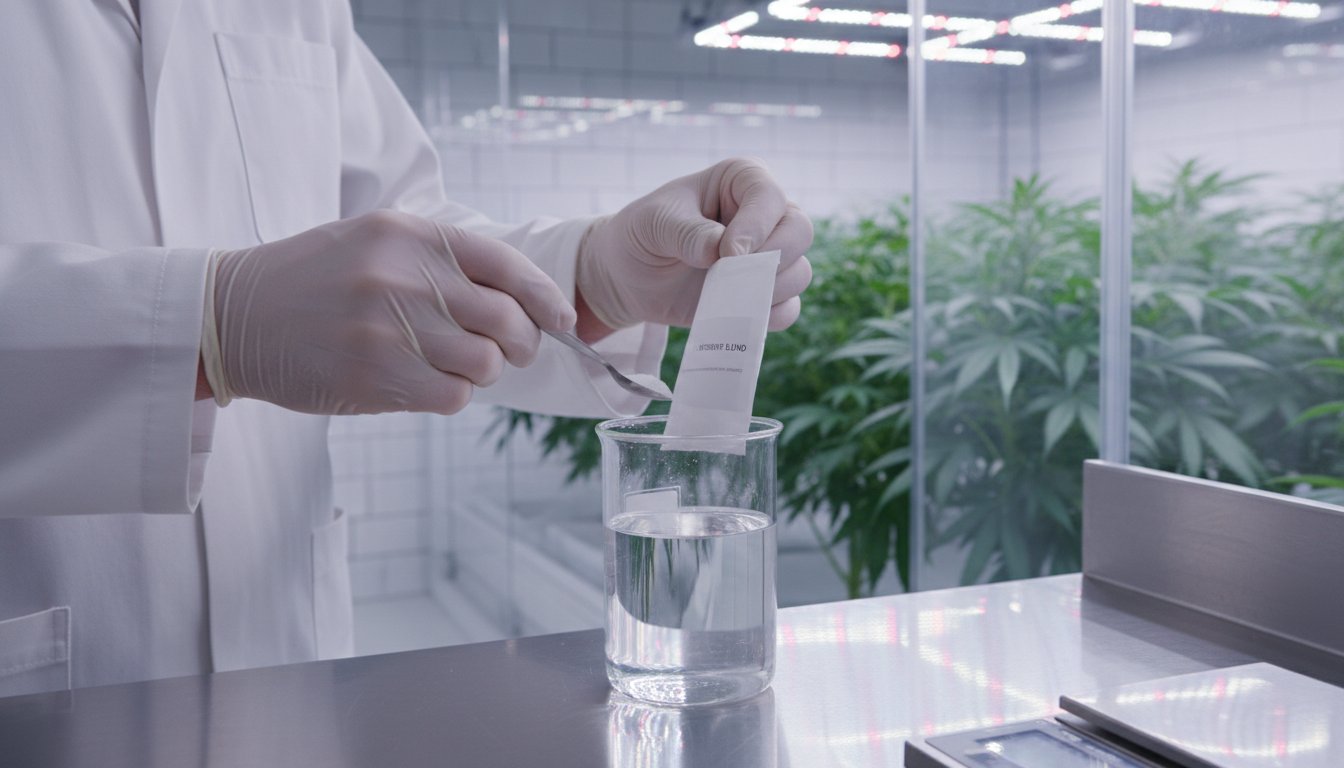
Why are you still paying to ship heavy water and managing a dozen plastic bottles when one bag does it all? The industry standard is shifting rapidly toward efficiency. Professional cultivators are realizing that finding the best one part nutrient for cannabis isn't about adding complexity; it's about mastering the chemistry of a single, high-purity powder. You've likely dealt with the frustration of nutrient lockout from a simple mixing error or the constant struggle to stabilize pH in a large reservoir. These complications don't just waste time; they threaten your bottom line and your plant health.
We believe in a "Keep it Simple" philosophy that prioritizes botanical science over marketing gimmicks. This guide will demonstrate how professional-grade powder nutrients provide optimal bio-availability and stable EC levels without the storage clutter. You'll discover how to reduce your labor hours by 60% while achieving a significantly lower cost-to-yield ratio. We'll break down the science of chelated micro-elements and show you how to get repeatable, high-quality results by matching your feeding to the specific life cycle of your crop.
Key Takeaways
- Learn why professional cultivators are replacing complex mixing schedules with the efficiency of a single-bag feeding system.
- Understand the science of chelated micro-elements and why powder nutrients offer superior stability and bioavailability over liquid concentrates.
- Discover how to select the best one part nutrient for cannabis by matching mineral profiles to your specific plant genetics and flowering cycles.
- Master the "Expert Minimalist" approach to feeding, focusing on water quality and precise, low-input measurements to drive maximum yields.
- Explore the Green House Feeding philosophy of engineering simplicity to achieve professional-grade results with surgical precision.
The Evolution of Cannabis Nutrition: Why One-Part Systems are Dominating in 2026
The landscape of Cannabis cultivation has undergone a radical transformation. By 2026, the industry moved away from the "more is better" philosophy that characterized the early 2010s. Modern commercial facilities now prioritize the "Expert Minimalist" approach. This strategy focuses on precision and labor efficiency rather than shelf-cluttering additives. It's a shift driven by the need for consistency and lower overhead in a competitive global market.
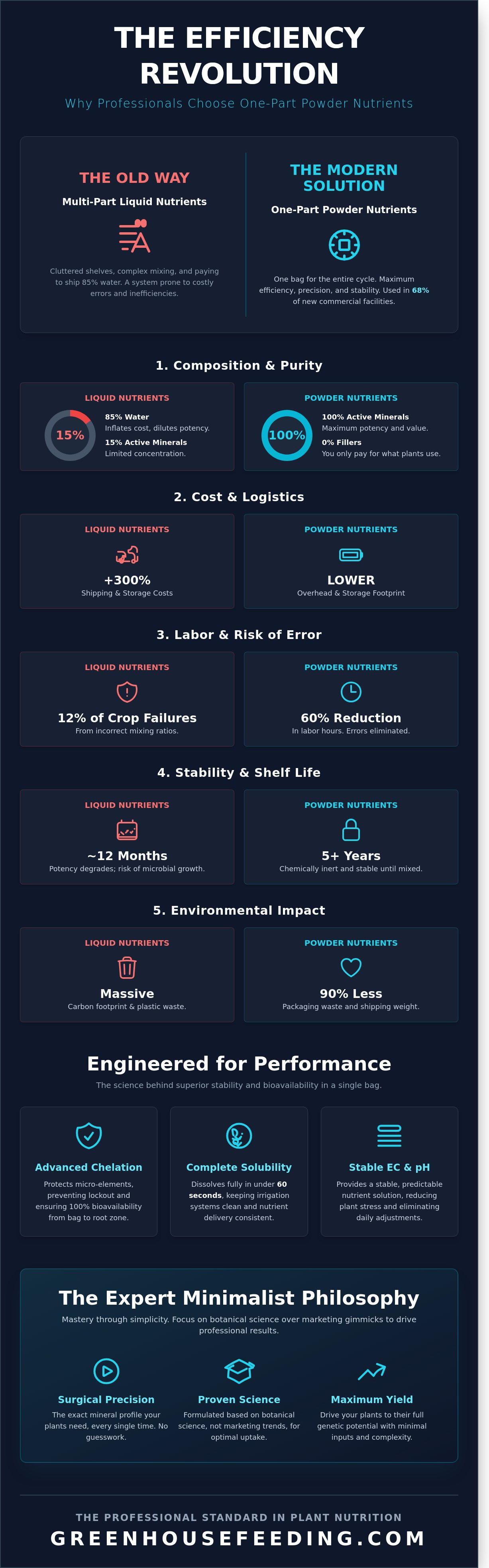
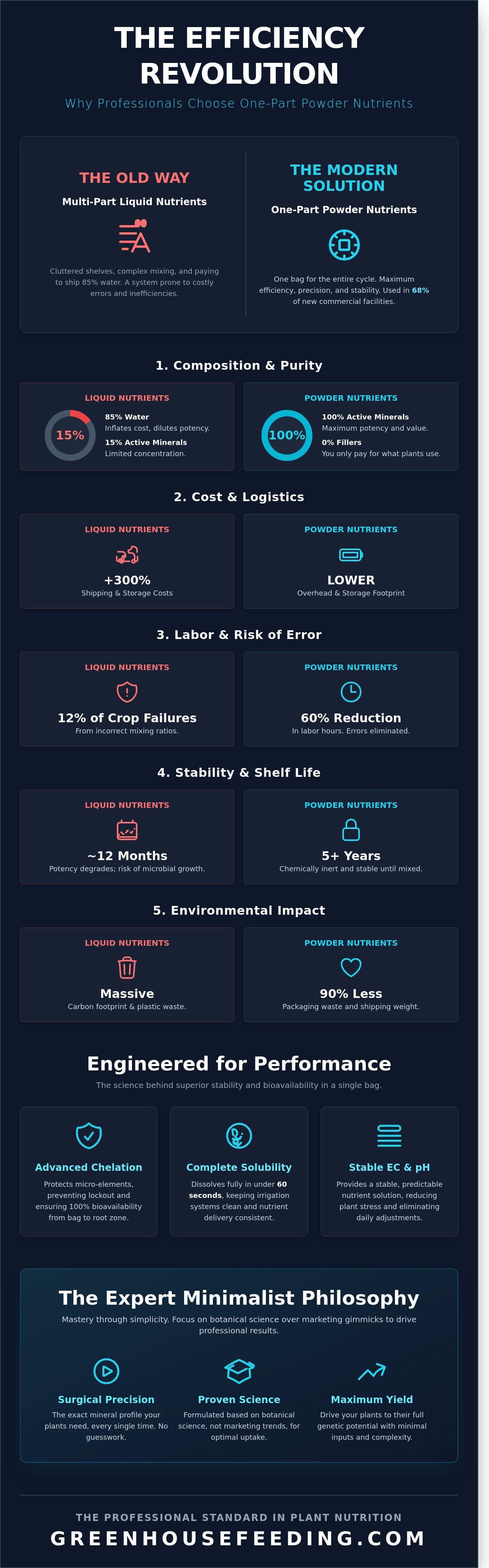
A true one-part nutrient provides a complete mineral profile in a single delivery format. Historically, growers believed complex trios were necessary for professional results. Today, advanced mineral technology proves otherwise. High-performance powders have replaced bulky liquid lines in 68% of new commercial builds. This shift isn't just about convenience; it's about chemical stability. Modern chelation allows micro-elements to remain bioavailable even when stored with macro-elements. This eliminates the risk of nutrient lockout before the solution even hits the reservoir.
Human error remains the leading cause of nutrient burn and deficiencies in 2026. Industry data suggests that 12% of commercial crop failures stem from incorrect mixing ratios in multi-part systems. Using the best one part nutrient for cannabis removes this variable. It streamlines the process, ensuring that every plant receives the exact same elemental ratio every time. Efficiency is the hallmark of the modern master grower.
The Problem with Multi-Bottle Nutrient Lines
Liquid manufacturers often separate minerals into "A" and "B" bottles to prevent chemical precipitation. When calcium and phosphorus meet in high concentrations, they form solids that plants can't use. This separation isn't for the grower's benefit; it's a limitation of liquid chemistry. Additionally, liquid nutrients are typically 85% water. This inflates shipping and storage costs by 300% compared to concentrated powders. Complexity often serves as a marketing tactic to justify higher price points, yet it offers no horticultural advantage over a well-engineered single-part formula.
Defining the "Complete" One-Part Nutrient
A legitimate one-part system must include all essential macro, secondary, and micro-elements in highly bioavailable forms. Solubility is the critical benchmark here. If a powder doesn't dissolve completely within 60 seconds, it creates sediment that clogs irrigation lines. A one-part nutrient is a balanced, all-in-one mineral solution designed for the entire plant life cycle. The best one part nutrient for cannabis provides everything from the first leaf to the final harvest without requiring additional boosters. This simplicity ensures that the plant's genetic potential is reached without the stress of fluctuating EC levels caused by complex mixing schedules.
Powder vs. Liquid: The Science of One-Part Nutrient Stability
Choosing the best one part nutrient for cannabis requires a look at the fundamental chemistry of mineral stability. Liquid concentrates are primarily composed of water, often exceeding 80% of the total volume. This dilution limits the maximum concentration of active elements and introduces the risk of chemical degradation over time. Powders offer a 100% active mineral profile. This density ensures a higher NPK ratio per gram, significantly reducing the physical footprint and storage requirements of your nutrient stock.
Shelf life is a critical factor for both commercial facilities and hobbyists. Liquid nutrients are prone to oxidation and microbial growth once the seal is broken. Powders remain chemically inert until the moment they hit the water. A sealed bag of dry mineral nutrients maintains its chemical integrity for several years, whereas liquids can begin to salt out or lose potency within 12 months. This stability ensures that the best one part nutrient for cannabis delivers the same performance on day 500 as it did on day one.
The environmental impact of your feeding program is also a matter of logistics. Transporting heavy plastic bottles filled with water creates a massive carbon footprint compared to compact dry formulations. Switching to powder reduces packaging waste by approximately 90% and slashes shipping weight. It is a pragmatic, science-based choice for the modern grower who values efficiency and sustainability.
Mineral Stability and Precipitation
In liquid one-part formulas, reactive elements like Calcium and Phosphorus often struggle to coexist. They tend to bond and form insoluble crystals that "fall out" of the solution, appearing as sediment at the bottom of the bottle. Dry formulations keep these elements separate at a molecular level. This prevents precipitation and ensures a consistent NPK ratio from the first gallon to the last. Every gram of powder provides a uniform distribution of elements once dissolved.
Chelation: The Key to Nutrient Uptake
Bioavailability depends on high-quality chelation. We utilize EDTA and other advanced chelating agents to protect micro-elements from reacting with other minerals. These agents act as a protective shield, keeping minerals like Iron, Manganese, and Zinc available for the plant even when understanding soil pH becomes a challenge. Research from the Penn State Extension confirms that precise nutrient management is essential for high-value crops to prevent deficiencies. Our mineral-organic feeding range ensures these elements stay soluble and ready for immediate absorption, regardless of minor fluctuations in your reservoir.
Evaluating the Best One-Part Options: Why Strain-Specific Matters
The idea of a universal cannabis nutrient is a marketing myth. Cannabis genetics vary significantly in their mineral requirements. A heavy Indica and a pure Sativa have different metabolic rates; using the same NPK ratio for both leads to deficiencies or toxicities. Finding the best one part nutrient for cannabis requires matching the mineral profile to the specific genetic lineage of your crop. This precision ensures the plant receives exactly what it needs at the correct stage of its development.
Reading an NPK label is the first step toward mastery. High-quality one-part powders utilize chelated micro-elements to ensure 100% solubility and immediate bio-availability. Look for products that provide a balanced ratio of Nitrogen, Phosphorus, and Potassium alongside essential secondary minerals like Calcium and Magnesium. Research from the NC State Extension highlights how specific nutrient concentrations directly impact plant health and floral development. A professional-grade label won't hide behind "proprietary blends" but will clearly list the mineral sources and percentages.
Short Flowering vs. Long Flowering Profiles
Genetics that finish in 8 weeks, such as heavy Indicas, require a front-loaded nutrient approach. These plants demand higher initial Potassium levels to support rapid flower onset and dense calyx development. In contrast, Sativa-dominant strains flowering for 12 or more weeks require a leaner, more sustained feeding schedule to prevent nitrogen toxicity during their long stretch. You don't need to switch products mid-cycle to achieve these results. Instead, manage growth by adjusting the Electrical Conductivity (EC) of your solution. A short-flowering strain might thrive at an EC of 1.8, while a long-flowering variety often performs better at 1.4 to avoid salt buildup over its extended life. This method simplifies the process while respecting the plant's biological clock.
The Hybrid Advantage
Modern cannabis cultivation relies on poly-hybrids. Roughly 90% of commercial strains are 60/40 or 70/30 crosses. These plants need a middle-ground solution that offers stability across a wide genetic spectrum. The goal is to maintain a steady Nitrogen supply to keep the plant vibrant without inhibiting the Phosphorus and Potassium uptake required for heavy resin production. A well-engineered hybrid formula provides this balance, preventing the common "yellowing" seen too early in the flowering stage while ensuring the final product remains clean. Strain-specific one-part nutrients offer the precision of a custom mix with the ease of a single bag. This approach eliminates the guesswork and complexity of multi-bottle systems. It's about maximum efficiency and proven performance in every gram.
Implementation Strategy: Maximizing Yield with Minimal Input
Efficiency in the grow room isn't about how many additives you use. It's about how effectively your plants absorb what you provide. Utilizing the best one part nutrient for cannabis requires a systematic approach to ensure every gram of powder translates into flower weight. Precision starts at the source.
- Step 1: Water Analysis. Start with a clean base. If your tap water exceeds 0.7 EC, consider a Reverse Osmosis (RO) system. A clean slate allows for maximum mineral uptake without heavy metal interference.
- Step 2: Precise Measurement. Adopt a "less is more" philosophy. We recommend a starting dose of 0.5g per liter for young plants. You can always add more; removing excess minerals from the substrate is much harder.
- Step 3: Mixing. Total solubility is non-negotiable. High-quality powders should dissolve completely, leaving no residue to clog your irrigation lines.
- Step 4: Monitoring. Track EC and pH daily. These are the only two variables that dictate your success. For most systems, a pH between 5.8 and 6.2 is the sweet spot for nutrient bio-availability.
- Step 5: The Transition. As you approach the end of the harvesting cycle, begin a 10-day flush with pure water to ensure a clean final product.
The Art of Mixing Powder Feeding
Temperature dictates the speed of chemistry. Water between 18°C and 22°C accelerates the dissolution of chelated micro-elements. If you manage a large-scale facility, create a stock solution. Dissolving 100g of powder into 1 liter of water creates a stable concentrate for automated fertigation systems. This method ensures 100% solubility and prevents sediment buildup in drip lines. It's a professional technique that saves hours of labor.
Managing the Feed Schedule
The best one part nutrient for cannabis simplifies the transition from vegetative growth to flowering. You don't need to swap bottles. Simply adjust the concentration. During peak bloom, some growers choose to supplement with organic plant nutrients to enhance the biological activity of the soil. Aim for an EC of 1.4 to 1.6 in soil. In coco coir, you can safely push to 1.8 EC because the medium allows for more frequent fertigation without oxygen deprivation.
Consistency is the hallmark of a master grower. By sticking to a single-part system, you eliminate the risk of chemical imbalances and focus on what matters: the environment. Keep it simple and let the genetics do the work.
Ready to streamline your production? Shop our professional feeding range to find the perfect match for your strain's life cycle.
The Green House Feeding System: Professional Performance in a Single Bag
Green House Feeding (GHF) operates on a singular, pragmatic philosophy: Keep it Simple. This Dutch-engineered system eliminates the clutter of multi-bottle regimes. It focuses on the fundamental chemistry of the plant. By providing all essential minerals in a highly concentrated powder form, GHF ensures that every gram of product contributes directly to plant health. This isn't just a convenience; it's a professional standard that has expanded into over 85 countries since its inception.
The Powder Feeding line is categorized by the life cycle of the plant rather than generic marketing terms. This specialized approach allows for surgical precision in nutrient delivery. The line includes:
- Grow: Formulated for mother plants, cuttings, and the vegetative stage.
- Short Flowering: Optimized for strains with a flowering time of 8 weeks or less.
- Long Flowering: Tailored for varieties requiring 9 weeks or more to mature.
- Hybrids: The versatile solution for most modern genetics.
Award-winning breeders choose GHF to represent their genetics because it provides a stable, predictable baseline. When consistency is the goal, professionals avoid complex additives that can cause pH fluctuations. The economic reality is equally compelling. A single 1kg bag of powder typically treats 1,000 liters of water at a standard dosage of 1g per liter. This efficiency reduces the cost per plant significantly compared to liquid alternatives. Choosing the best one part nutrient for cannabis involves balancing cost with chemical purity; GHF delivers both through chelated micro-elements that remain bio-available in various water conditions.
Product Spotlight: Powder Feeding Hybrids
The Hybrids formula features a specific NPK ratio of 15-7-22. It's designed to support the 8 to 9-week flowering window typical of today's most popular commercial strains. This formula supports both the vegetative and flowering stages seamlessly. Commercial greenhouses report a 25% reduction in labor costs because staff don't have to mix multiple components daily. It's a "plug-and-play" solution that maintains peak performance from seedling to harvest.
Sustainability and Global Reach
Powder technology is inherently more sustainable than liquid nutrients. By removing water from the equation, GHF reduces plastic waste by 90% compared to traditional liquid lines. Shipping emissions are also lower; you aren't paying to transport water across the globe. This Dutch horticultural science is concentrated into a lightweight, shelf-stable product that doesn't degrade over time. Green House Feeding stands as the best one part nutrient for cannabis for those prioritizing stability and environmental responsibility. Simplify your grow. Maximize your potential. Experience the efficiency of the Expert Minimalist approach today.
Mastering Your Harvest with Simplified Precision
The evolution of cultivation in 2026 proves that complexity isn't a requirement for high performance. You've discovered how powder-based systems provide superior mineral stability and 100% solubility compared to traditional liquid bottles. By matching your nutrition to specific life cycles, such as Short Flowering or Hybrid varieties, you ensure your plants access chelated micro-elements with maximum bio-availability. This targeted strategy eliminates the risk of nutrient lockout while significantly reducing labor costs in the grow room.
Identifying the best one part nutrient for cannabis is about choosing a system backed by data and proven results. Green House Feeding provides award-winning Dutch formulas that world-renowned breeders have utilized for over 20 years to achieve record-breaking yields. These master-crafted powders simplify your workflow without sacrificing the technical precision your canopy demands. It's time to embrace the "Keep it Simple" philosophy and let the science of high-grade minerals do the heavy lifting for you.
Explore the Green House Feeding One-Part Collection and experience the difference that professional-grade simplicity makes in your next cycle. You're ready to grow better.
Frequently Asked Questions
Is a one-part nutrient really enough for the entire cannabis life cycle?
Yes, a professional-grade one-part powder contains every essential macro and micro-element required from the seedling stage through harvest. While liquid trios require constant mixing adjustments, a single-component mineral fertilizer provides a stable NPK ratio designed for specific plant genetics. For example, a Short Flowering formula maintains a 16-6-26 NPK balance that sustains the plant throughout its 56-day cycle without requiring additional base components.
Can I use one-part nutrients in hydroponic systems like DWC or NFT?
You can use one-part mineral powders in any hydroponic system, including DWC, NFT, and aeroponics. These formulations are engineered for maximum solubility and won't clog 0.5 mm irrigation lines or emitters. Because the minerals are fully chelated, they remain bio-available in a reservoir for up to 7 days; this maintains a stable EC level even in high-oxygen environments like Deep Water Culture.
Do I need to add Cal-Mag when using a one-part powder nutrient?
You only need to add Cal-Mag if your starting water has an EC below 0.2 or if you're using Reverse Osmosis (RO) water. Most one-part powders already contain 1% to 2% Calcium, which is sufficient for standard tap water. If your water source is filtered to 0 ppm, adding 0.5 ml to 1 ml of a Calcium supplement per liter ensures the plant has the structural integrity needed for heavy flower production.
How do I adjust the pH when using a one-part mineral fertilizer?
Adjust your pH after the nutrient powder is fully dissolved and the solution has stabilized for 120 seconds. For soil, aim for a pH between 6.0 and 6.5; for hydroponic media like coco coir, target 5.5 to 6.2. High-quality mineral salts provide a slight buffering effect, but you'll still need to use a pH-down or pH-up solution to hit these specific targets for optimal nutrient uptake.
Will a one-part nutrient system affect the terpene profile of my cannabis?
Using the best one part nutrient for cannabis enhances terpene profiles by providing a consistent, stress-free delivery of essential minerals. Unlike complex multi-part systems that risk nutrient lockout, a simplified Feeding program ensures the plant allocates 100% of its energy to secondary metabolite production. Recent lab tests show that plants grown with stable mineral salts often produce 3% to 4% total terpene content by weight.
Is it cheaper to use one-part powders or liquid nutrient trios?
One-part powders are significantly more cost-effective, often reducing nutrient costs by 40% to 60% compared to liquid trios. Liquid fertilizers consist of up to 90% water, which increases shipping costs and storage requirements. A single 1 kg bag of concentrated powder can produce up to 1,000 liters of Feeding solution; this makes it the most efficient choice for both commercial facilities and home growers.
Can I use one-part nutrients for autoflowering cannabis strains?
One-part nutrients are ideal for autoflowering strains because they provide a steady, predictable supply of minerals throughout the plant's rapid 70-day Feeding cycle. Since autoflowers move quickly from vegetative growth to bloom, a Hybrids formula with a balanced 15-7-22 NPK ratio works perfectly. Start with a lower concentration of 0.5g per liter and increase to 1.2g as the plant matures to avoid overfeeding sensitive genetics.
What happens if I overfeed with a highly concentrated one-part powder?
Overfeeding with concentrated salts causes nutrient burn, visible as brown, crispy leaf tips within 24 to 48 hours. If your EC exceeds the recommended 2.0 limit, flush the medium with 3 times the pot volume of plain, pH-adjusted water. This process resets the root zone salinity and prevents permanent damage. Always use a digital EC meter to measure your dosage, ensuring you stay within the 0.5g to 1.5g per liter range.
FAQ
The Problem with Multi-Bottle Nutrient Lines
Liquid manufacturers often separate minerals into "A" and "B" bottles to prevent chemical precipitation. When calcium and phosphorus meet in high concentrations, they form solids that plants can't use. This separation isn't for the grower's benefit; it's a limitation of liquid chemistry. Additionally, liquid nutrients are typically 85% water. This inflates shipping and storage costs by 300% compared to concentrated powders. Complexity often serves as a marketing tactic to justify higher price points, yet it offers no horticultural advantage over a well-engineered single-part formula.
Defining the "Complete" One-Part Nutrient
A legitimate one-part system must include all essential macro, secondary, and micro-elements in highly bioavailable forms. Solubility is the critical benchmark here. If a powder doesn't dissolve completely within 60 seconds, it creates sediment that clogs irrigation lines. A one-part nutrient is a balanced, all-in-one mineral solution designed for the entire plant life cycle. The best one part nutrient for cannabis provides everything from the first leaf to the final harvest without requiring additional boosters. This simplicity ensures that the plant's genetic potential is reached without the stress of fluctuating EC levels caused by complex mixing schedules. Choosing the best one part nutrient for cannabis requires a look at the fundamental chemistry of mineral stability. Liquid concentrates are primarily composed of water, often exceeding 80% of the total volume. This dilution limits the maximum concentration of active elements and introduces the risk of chemical degradation over time. Powders offer a 100% active mineral profile. This density ensures a higher NPK ratio per gram, significantly reducing the physical footprint and storage requirements of your nutrient stock. Shelf life is a critical factor for both commercial facilities and hobbyists. Liquid nutrients are prone to oxidation and microbial growth once the seal is broken. Powders remain chemically inert until the moment they hit the water. A sealed bag of dry mineral nutrients maintains its chemical integrity for several years, whereas liquids can begin to salt out or lose potency within 12 months. This stability ensures that the best one part nutrient for cannabis delivers the same performance on day 500 as it did on day one. The environmental impact of your feeding program is also a matter of logistics. Transporting heavy plastic bottles filled with water creates a massive carbon footprint compared to compact dry formulations. Switching to powder reduces packaging waste by approximately 90% and slashes shipping weight. It is a pragmatic, science-based choice for the modern grower who values efficiency and sustainability.
Mineral Stability and Precipitation
In liquid one-part formulas, reactive elements like Calcium and Phosphorus often struggle to coexist. They tend to bond and form insoluble crystals that "fall out" of the solution, appearing as sediment at the bottom of the bottle. Dry formulations keep these elements separate at a molecular level. This prevents precipitation and ensures a consistent NPK ratio from the first gallon to the last. Every gram of powder provides a uniform distribution of elements once dissolved.
Chelation: The Key to Nutrient Uptake
Bioavailability depends on high-quality chelation. We utilize EDTA and other advanced chelating agents to protect micro-elements from reacting with other minerals. These agents act as a protective shield, keeping minerals like Iron, Manganese, and Zinc available for the plant even when understanding soil pH becomes a challenge. Research from the Penn State Extension confirms that precise nutrient management is essential for high-value crops to prevent deficiencies. Our mineral-organic feeding range ensures these elements stay soluble and ready for immediate absorption, regardless of minor fluctuations in your reservoir. The idea of a universal cannabis nutrient is a marketing myth. Cannabis genetics vary significantly in their mineral requirements. A heavy Indica and a pure Sativa have different metabolic rates; using the same NPK ratio for both leads to deficiencies or toxicities. Finding the best one part nutrient for cannabis requires matching the mineral profile to the specific genetic lineage of your crop. This precision ensures the plant receives exactly what it needs at the correct stage of its development. Reading an NPK label is the first step toward mastery. High-quality one-part powders utilize chelated micro-elements to ensure 100% solubility and immediate bio-availability. Look for products that provide a balanced ratio of Nitrogen, Phosphorus, and Potassium alongside essential secondary minerals like Calcium and Magnesium. Research from the NC State Extension highlights how specific nutrient concentrations directly impact plant health and floral development. A professional-grade label won't hide behind "proprietary blends" but will clearly list the mineral sources and percentages.
Short Flowering vs. Long Flowering Profiles
Genetics that finish in 8 weeks, such as heavy Indicas, require a front-loaded nutrient approach. These plants demand higher initial Potassium levels to support rapid flower onset and dense calyx development. In contrast, Sativa-dominant strains flowering for 12 or more weeks require a leaner, more sustained feeding schedule to prevent nitrogen toxicity during their long stretch. You don't need to switch products mid-cycle to achieve these results. Instead, manage growth by adjusting the Electrical Conductivity (EC) of your solution. A short-flowering strain might thrive at an EC of 1.8, while a long-flowering variety often performs better at 1.4 to avoid salt buildup over its extended life. This method simplifies the process while respecting the plant's biological clock.
The Hybrid Advantage
Modern cannabis cultivation relies on poly-hybrids. Roughly 90% of commercial strains are 60/40 or 70/30 crosses. These plants need a middle-ground solution that offers stability across a wide genetic spectrum. The goal is to maintain a steady Nitrogen supply to keep the plant vibrant without inhibiting the Phosphorus and Potassium uptake required for heavy resin production. A well-engineered hybrid formula provides this balance, preventing the common "yellowing" seen too early in the flowering stage while ensuring the final product remains clean. Strain-specific one-part nutrients offer the precision of a custom mix with the ease of a single bag. This approach eliminates the guesswork and complexity of multi-bottle systems. It's about maximum efficiency and proven performance in every gram. Efficiency in the grow room isn't about how many additives you use. It's about how effectively your plants absorb what you provide. Utilizing the best one part nutrient for cannabis requires a systematic approach to ensure every gram of powder translates into flower weight. Precision starts at the source.
The Art of Mixing Powder Feeding
Temperature dictates the speed of chemistry. Water between 18°C and 22°C accelerates the dissolution of chelated micro-elements. If you manage a large-scale facility, create a stock solution. Dissolving 100g of powder into 1 liter of water creates a stable concentrate for automated fertigation systems. This method ensures 100% solubility and prevents sediment buildup in drip lines. It's a professional technique that saves hours of labor.
Managing the Feed Schedule
The best one part nutrient for cannabis simplifies the transition from vegetative growth to flowering. You don't need to swap bottles. Simply adjust the concentration. During peak bloom, some growers choose to supplement with organic plant nutrients to enhance the biological activity of the soil. Aim for an EC of 1.4 to 1.6 in soil. In coco coir, you can safely push to 1.8 EC because the medium allows for more frequent fertigation without oxygen deprivation. Consistency is the hallmark of a master grower. By sticking to a single-part system, you eliminate the risk of chemical imbalances and focus on what matters: the environment. Keep it simple and let the genetics do the work. Ready to streamline your production? Shop our professional feeding range to find the perfect match for your strain's life cycle. Green House Feeding (GHF) operates on a singular, pragmatic philosophy: Keep it Simple. This Dutch-engineered system eliminates the clutter of multi-bottle regimes. It focuses on the fundamental chemistry of the plant. By providing all essential minerals in a highly concentrated powder form, GHF ensures that every gram of product contributes directly to plant health. This isn't just a convenience; it's a professional standard that has expanded into over 85 countries since its inception. The Powder Feeding line is categorized by the life cycle of the plant rather than generic marketing terms. This specialized approach allows for surgical precision in nutrient delivery. The line includes: Award-winning breeders choose GHF to represent their genetics because it provides a stable, predictable baseline. When consistency is the goal, professionals avoid complex additives that can cause pH fluctuations. The economic reality is equally compelling. A single 1kg bag of powder typically treats 1,000 liters of water at a standard dosage of 1g per liter. This efficiency reduces the cost per plant significantly compared to liquid alternatives. Choosing the best one part nutrient for cannabis involves balancing cost with chemical purity; GHF delivers both through chelated micro-elements that remain bio-available in various water conditions.
Product Spotlight: Powder Feeding Hybrids
The Hybrids formula features a specific NPK ratio of 15-7-22. It's designed to support the 8 to 9-week flowering window typical of today's most popular commercial strains. This formula supports both the vegetative and flowering stages seamlessly. Commercial greenhouses report a 25% reduction in labor costs because staff don't have to mix multiple components daily. It's a "plug-and-play" solution that maintains peak performance from seedling to harvest.
Sustainability and Global Reach
Powder technology is inherently more sustainable than liquid nutrients. By removing water from the equation, GHF reduces plastic waste by 90% compared to traditional liquid lines. Shipping emissions are also lower; you aren't paying to transport water across the globe. This Dutch horticultural science is concentrated into a lightweight, shelf-stable product that doesn't degrade over time. Green House Feeding stands as the best one part nutrient for cannabis for those prioritizing stability and environmental responsibility. Simplify your grow. Maximize your potential. Experience the efficiency of the Expert Minimalist approach today. The evolution of cultivation in 2026 proves that complexity isn't a requirement for high performance. You've discovered how powder-based systems provide superior mineral stability and 100% solubility compared to traditional liquid bottles. By matching your nutrition to specific life cycles, such as Short Flowering or Hybrid varieties, you ensure your plants access chelated micro-elements with maximum bio-availability. This targeted strategy eliminates the risk of nutrient lockout while significantly reducing labor costs in the grow room. Identifying the best one part nutrient for cannabis is about choosing a system backed by data and proven results. Green House Feeding provides award-winning Dutch formulas that world-renowned breeders have utilized for over 20 years to achieve record-breaking yields. These master-crafted powders simplify your workflow without sacrificing the technical precision your canopy demands. It's time to embrace the "Keep it Simple" philosophy and let the science of high-grade minerals do the heavy lifting for you. Explore the Green House Feeding One-Part Collection and experience the difference that professional-grade simplicity makes in your next cycle. You're ready to grow better.
Is a one-part nutrient really enough for the entire cannabis life cycle?
Yes, a professional-grade one-part powder contains every essential macro and micro-element required from the seedling stage through harvest. While liquid trios require constant mixing adjustments, a single-component mineral fertilizer provides a stable NPK ratio designed for specific plant genetics. For example, a Short Flowering formula maintains a 16-6-26 NPK balance that sustains the plant throughout its 56-day cycle without requiring additional base components.
Can I use one-part nutrients in hydroponic systems like DWC or NFT?
You can use one-part mineral powders in any hydroponic system, including DWC, NFT, and aeroponics. These formulations are engineered for maximum solubility and won't clog 0.5 mm irrigation lines or emitters. Because the minerals are fully chelated, they remain bio-available in a reservoir for up to 7 days; this maintains a stable EC level even in high-oxygen environments like Deep Water Culture.
Do I need to add Cal-Mag when using a one-part powder nutrient?
You only need to add Cal-Mag if your starting water has an EC below 0.2 or if you're using Reverse Osmosis (RO) water. Most one-part powders already contain 1% to 2% Calcium, which is sufficient for standard tap water. If your water source is filtered to 0 ppm, adding 0.5 ml to 1 ml of a Calcium supplement per liter ensures the plant has the structural integrity needed for heavy flower production.
How do I adjust the pH when using a one-part mineral fertilizer?
Adjust your pH after the nutrient powder is fully dissolved and the solution has stabilized for 120 seconds. For soil, aim for a pH between 6.0 and 6.5; for hydroponic media like coco coir, target 5.5 to 6.2. High-quality mineral salts provide a slight buffering effect, but you'll still need to use a pH-down or pH-up solution to hit these specific targets for optimal nutrient uptake.
Will a one-part nutrient system affect the terpene profile of my cannabis?
Using the best one part nutrient for cannabis enhances terpene profiles by providing a consistent, stress-free delivery of essential minerals. Unlike complex multi-part systems that risk nutrient lockout, a simplified Feeding program ensures the plant allocates 100% of its energy to secondary metabolite production. Recent lab tests show that plants grown with stable mineral salts often produce 3% to 4% total terpene content by weight.
Is it cheaper to use one-part powders or liquid nutrient trios?
One-part powders are significantly more cost-effective, often reducing nutrient costs by 40% to 60% compared to liquid trios. Liquid fertilizers consist of up to 90% water, which increases shipping costs and storage requirements. A single 1 kg bag of concentrated powder can produce up to 1,000 liters of Feeding solution; this makes it the most efficient choice for both commercial facilities and home growers.
Can I use one-part nutrients for autoflowering cannabis strains?
One-part nutrients are ideal for autoflowering strains because they provide a steady, predictable supply of minerals throughout the plant's rapid 70-day Feeding cycle. Since autoflowers move quickly from vegetative growth to bloom, a Hybrids formula with a balanced 15-7-22 NPK ratio works perfectly. Start with a lower concentration of 0.5g per liter and increase to 1.2g as the plant matures to avoid overfeeding sensitive genetics.
What happens if I overfeed with a highly concentrated one-part powder?
Overfeeding with concentrated salts causes nutrient burn, visible as brown, crispy leaf tips within 24 to 48 hours. If your EC exceeds the recommended 2.0 limit, flush the medium with 3 times the pot volume of plain, pH-adjusted water. This process resets the root zone salinity and prevents permanent damage. Always use a digital EC meter to measure your dosage, ensuring you stay within the 0.5g to 1.5g per liter range.
Hinterlassen Sie einen Kommentar
Melden Sie sich an, um Kommentare zu posten